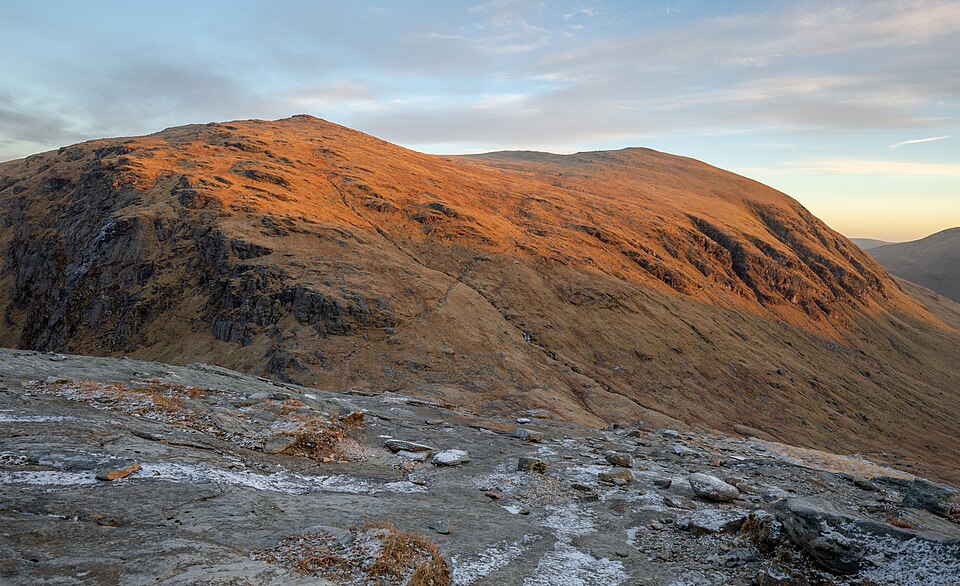
Spring gets the planners, summer gets the crowds and winter gets the glory — but ask many experienced hillwalkers for their favourite Munro season and a surprising number will say autumn. From September into November the Highlands are at their most colourful, the midges have gone, the summer crowds have thinned and the air is crisp and clear. It is a season of genuine rewards, but also one of sharp transitions, and a little planning makes all the difference.
Why autumn is special
The case for autumn Munros is strong. The hillsides turn russet and gold as the bracken and grasses die back, the light is low and beautiful for photography, and stable high-pressure systems often bring some of the clearest, most settled days of the entire year. Crucially, the midges that plague the summer months are finished by late September, so the glens and lower slopes become pleasant again. Cooler temperatures make the steep ascents more comfortable than in summer heat, and you will often have popular summits largely to yourself.
The shortening days
The single biggest change to plan around is daylight. From the long evenings of August, the days shorten rapidly through autumn — by late October you have lost hours of light compared with midsummer, and the clocks go back at the end of the month. This reshapes how you plan a hill day:
- Start early and build in a generous margin to be off the hill before dark.
- Always carry a head torch (and spare batteries) — in autumn it is not an emergency item but a likely-to-be-used one.
- Choose shorter routes as the season progresses, saving the long remote rounds for the longer days earlier in autumn.
Watch for the turn to winter
Autumn in the Scottish mountains is a transition, and the upper hills can flip into winter conditions with little warning. The first snows often arrive on the summits in October, and a benign-looking forecast in the glen can mean ice, fresh snow and bitter wind on the tops. As the season advances, treat the higher peaks with growing caution: check whether winter conditions are present, and be honest about whether you have the kit and skills for them. Our winter Munro bagging guide covers where that line sits. River levels also rise with autumn rain, so take the river crossing notes seriously after wet spells.
Where to go
Early autumn is a fine time for almost anywhere, but the eastern hills — the Cairngorms and Perthshire — are often drier and more settled than the west as the season turns, and their broad slopes show the autumn colours beautifully. The autumn Munros guide highlights the peaks at their seasonal best. Whichever you choose, check the mountain forecast carefully — autumn weather changes fast — and log each summit in the Munros app, where the offline maps and summit forecasts come into their own on the short, fast-fading days.
Related guides
- Best time to bag each region — matching peaks to seasons
- Winter Munro bagging guide — for when autumn turns
- Autumn Munros — the best peaks for the season
Browse Related Hubs
Track your Munros
Log summits, get summit weather, and follow GPS routes for all 282 Munros. Free on the App Store.
Download the Free App