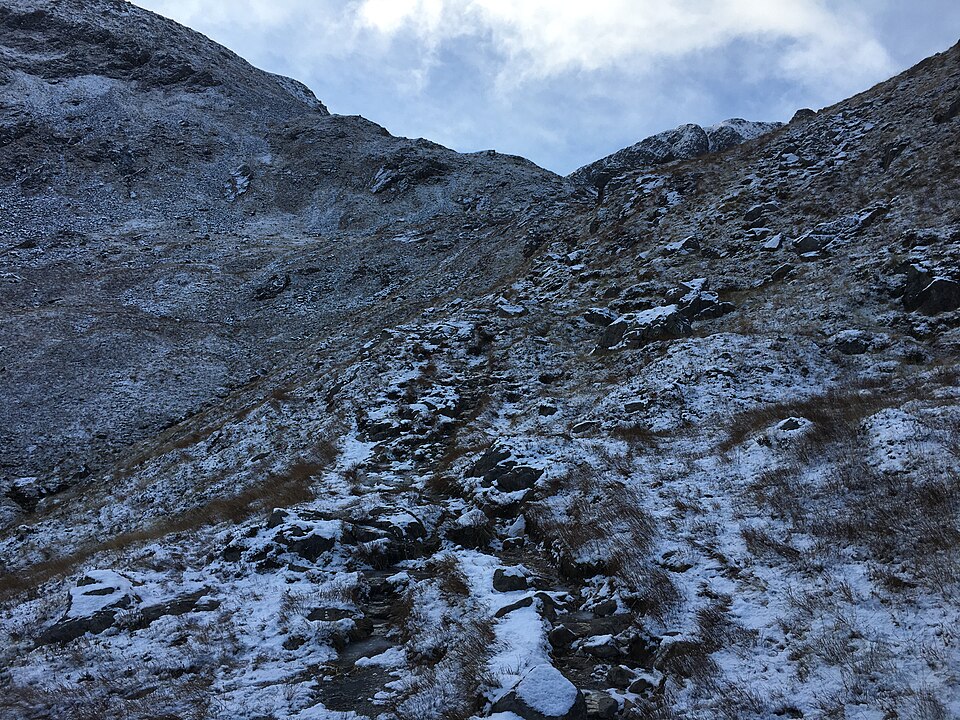
Hypothermia — dangerous cooling of the body's core — is one of the most common serious problems in the Scottish mountains, and one of the most underestimated. It doesn't need arctic conditions: the classic Scottish combination of wind, rain and modest temperatures is more than enough, and it can catch walkers out even in summer. Knowing how to spot, treat and prevent it is core hill knowledge.
Why Scotland is such a hypothermia risk
The enemy is not just cold — it's wind and wet combined with cold. Wet clothing conducts heat away from the body many times faster than dry, and wind strips warmth from exposed skin. A breezy, drizzly 6°C day on an exposed ridge can cool a tired, underfed walker dangerously fast — far more so than a still, dry day at freezing. This is why hypothermia happens on Munros in every season, not just winter.
Spotting the symptoms
Hypothermia comes on gradually and the early signs are easy to miss — especially in yourself. Watch for the "umbles":
- Shivering — the first and most obvious sign (though it stops again as things get worse, which is a danger signal, not an improvement).
- Stumbles, mumbles, fumbles and grumbles — clumsiness, slurred speech, fumbling with zips and buckles, and uncharacteristic irritability or apathy.
- Confusion and poor decisions — the person may deny there's a problem, or want to stop and sit down.
Because judgement is affected, a cold walker often can't recognise their own condition. Look out for your companions, and take any change in behaviour seriously.
Treating it on the hill
Act early — it's far easier to warm someone who is mildly cold than someone who has become severely hypothermic. The priorities:
- Get out of the wind and wet. Find or make shelter — a group shelter (bothy bag) is one of the most valuable pieces of kit for exactly this.
- Insulate them, including from the ground. Add dry layers, a hat, and a survival bag or shelter.
- Give warm, sweet drinks and food if they are fully conscious and able to swallow — fuel helps the body generate heat.
- Handle a severely hypothermic person gently and seek help. If someone is severely affected — no longer shivering, deeply confused or losing consciousness — this is an emergency: shelter them and call mountain rescue.
Preventing it
Prevention is straightforward and is mostly about the basics done well: a proper layering system with genuine waterproofs, spare warm layers kept dry in the pack, a hat and gloves even in summer, regular eating and drinking to keep your engine fuelled, and pacing that avoids getting soaked in sweat. Carry a group shelter and a survival bag. And check the mountain weather — the summit is always colder and windier than the glen. This guide sits alongside our mountain first aid essentials.
Related guides
- Mountain first aid essentials
- The hillwalking layering system
- How to call mountain rescue in Scotland
- Munros tracking app — summit weather and offline maps for all 282
Browse Related Hubs
Track your Munros
Log summits, get summit weather, and follow GPS routes for all 282 Munros. Free on the App Store.
Download the Free App