Creise
“Narrow/Grease”
“Narrow/Grease”
Creise is a 1,100m Munro in the Glen Coe region, its Gaelic name meaning “narrow/grease”. It stands 52nd of the 282 Munros by height. The usual ascent — Buachaille Etive Beag from Glen Coe — is a 7.9km round trip taking 4.8–6.2 hours, rated hard (4/5).
There is 1 route to the summit of Creise, covering 7.9km.
The ascent of Creise from Glen Coe is a challenging but rewarding climb that takes you onto one of the area's most…
The ascent of Creise from Glen Coe is a challenging but rewarding climb that takes you onto one of the area's most prominent ridges. The route from Beehive Cairn Car Park covers 7.9 kilometres and takes 5-6 hours, making it one of the shorter approaches to a Munro by distance, though the 4/5 difficulty rating tells a different story. The terrain on Creise is steep and demanding, with the initial climb gaining height rapidly through rocky slopes and broken ground.
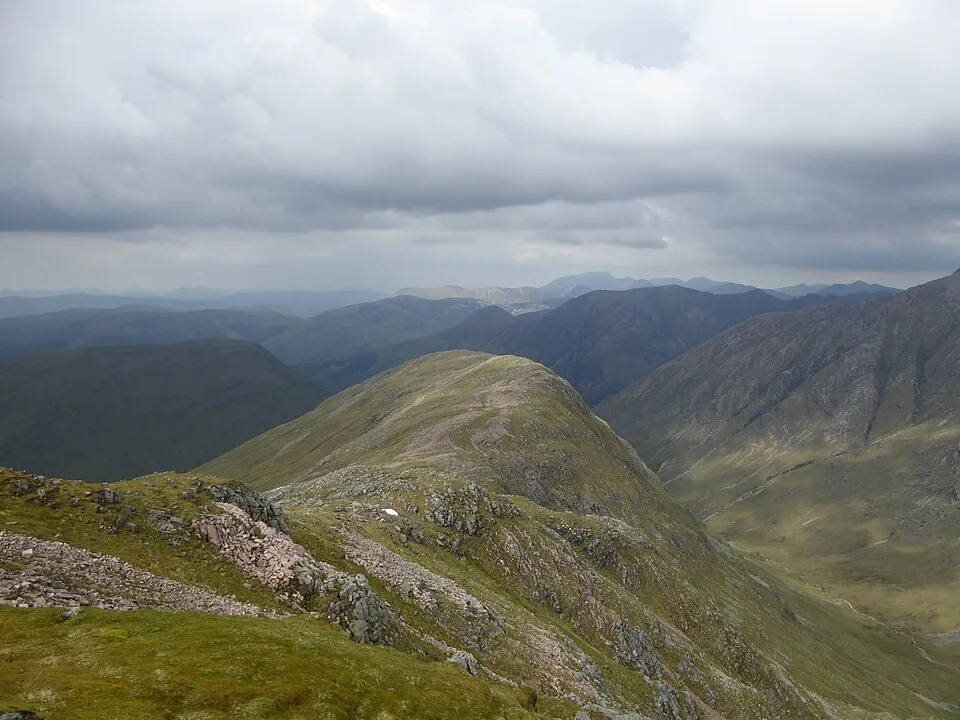
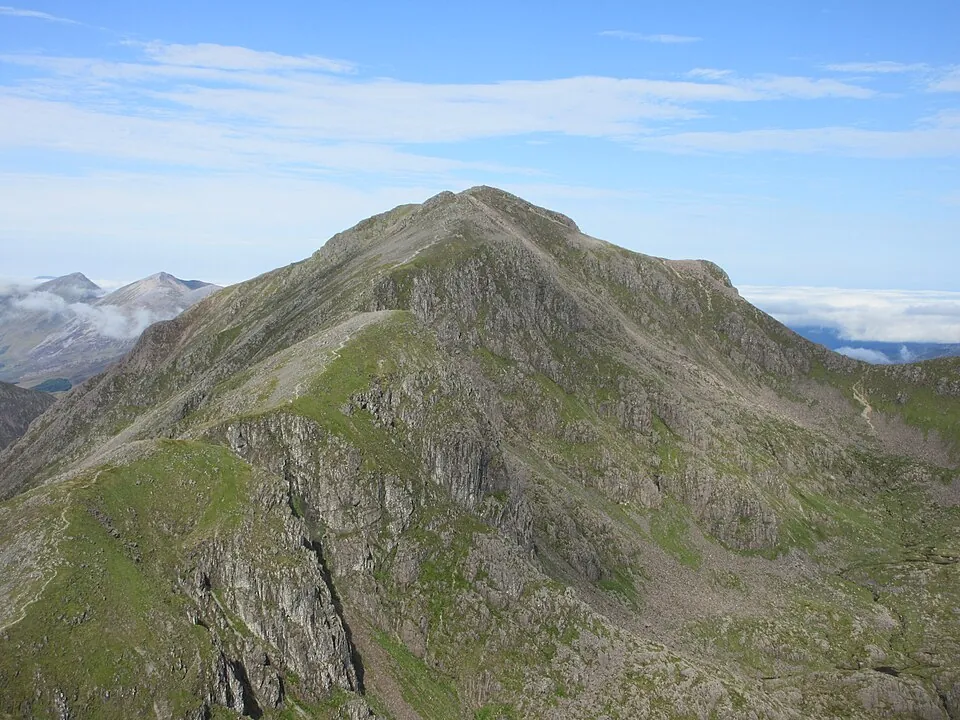
As you ascend towards Creise's 1100-metre summit, you encounter sections of scrambling and rocky ridges that require good head for heights and careful foot placement. The ground is generally dry, a benefit in this wet region, with the 2/5 bog level indicating firm terrain underfoot. The upper reaches of Creise feature exposed ridge walking with spectacular drops on either side, creating an exhilarating but serious mountain experience.
Creise is often climbed as part of the Buachaille Etive Beag ridge, and the sustained nature of the climbing combined with the exposure makes this a challenging route despite the relatively short distance. The views throughout the climb onto Creise are magnificent, with Glen Coe's dramatic landscape unfolding around you.
Creise is best climbed between May and September when daylight hours accommodate the 5-6 hour route and when the…
Creise is best climbed between May and September when daylight hours accommodate the 5-6 hour route and when the mountain is free from snow and ice. Glen Coe experiences some of Scotland's most severe weather, and conditions on Creise at 1100 metres can be extreme year-round. The area receives very high rainfall from Atlantic weather systems, though the relatively dry terrain on Creise itself provides good underfoot conditions once you're on the mountain.
Summer offers the most reliable weather for climbing Creise, with longer days allowing a more relaxed pace on this challenging route. June through August typically provides the best conditions, though you should always check mountain-specific forecasts for Glen Coe before attempting Creise. Autumn can be excellent, with September offering clearer skies and the first dustings of snow adding drama to the ridges.
Winter transforms Creise into a serious winter mountaineering objective, with the exposed ridges, steep slopes, and potential for cornices requiring full winter skills, crampons, and ice axe. Snow can linger on Creise well into May. The exposed nature of Creise means high winds are common, and the ridge should not be attempted in severe wind conditions regardless of season.
Access to Creise begins at Beehive Cairn Car Park, located on the A82 in Glen Coe itself, one of Scotland's most…
Access to Creise begins at Beehive Cairn Car Park, located on the A82 in Glen Coe itself, one of Scotland's most accessible mountain starting points. The car park sits on the south side of the A82 approximately 15 miles south of Fort William and 8 miles beyond the Glencoe village. The A82 is a major Highland route, well-maintained and accessible year-round, though it can be busy with tourist traffic in summer.
Beehive Cairn Car Park is small with limited spaces, so early arrival is strongly recommended, particularly during peak season when Creise and neighbouring mountains are popular. There are no facilities at the car park. Glen Coe is approximately 80 miles north of Glasgow and 100 miles south of Inverness, making Creise accessible as a day trip from central Scotland or the Great Glen.
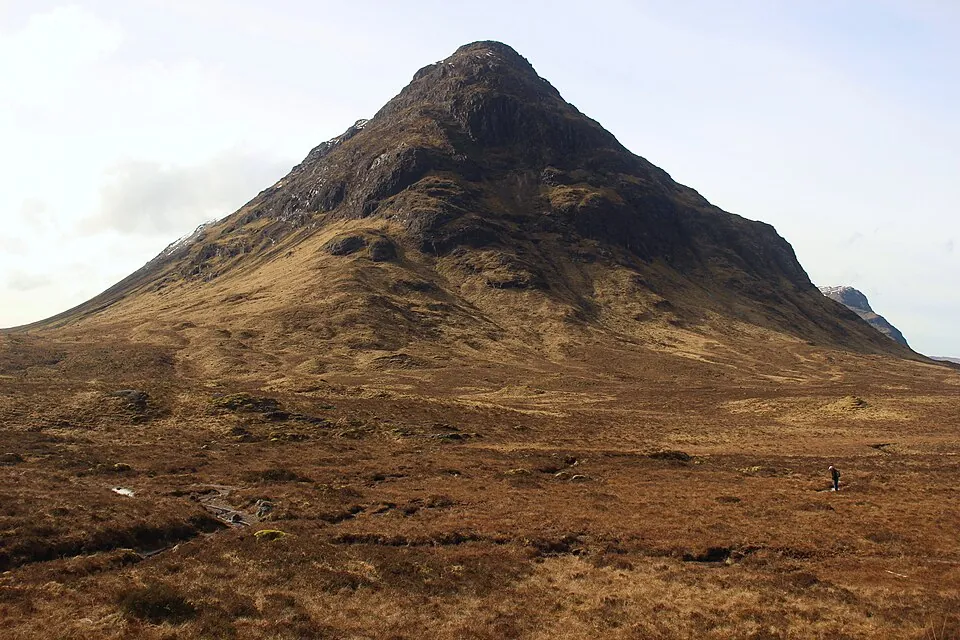
Public transport is available with bus services running along the A82, though these are infrequent. From the car park, Creise is clearly visible to the south, rising dramatically above Glen Coe, and the route begins with an immediate climb onto the mountain's northern flanks. The proximity to the road makes Creise an accessible but serious mountain objective in this iconic Highland location.
The summit of Creise at 1100 metres provides one of the finest viewpoints in Glen Coe, with spectacular panoramas in…
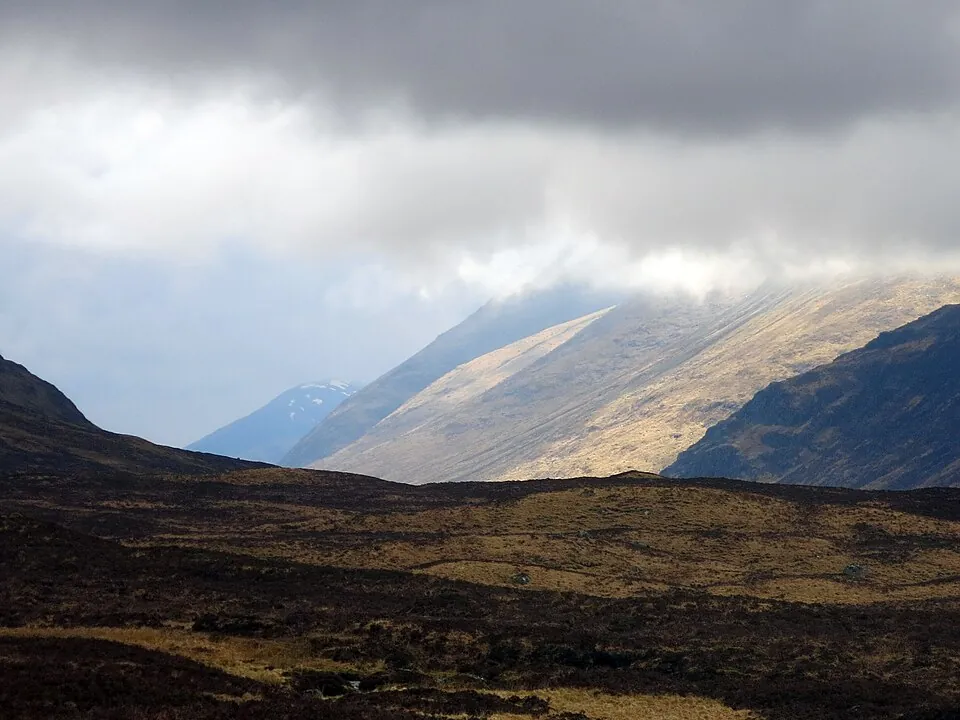
The summit of Creise at 1100 metres provides one of the finest viewpoints in Glen Coe, with spectacular panoramas in every direction. Standing on Creise's exposed top, you're rewarded with views across the length of Glen Coe itself, with the famous Three Sisters, Bidean nam Bian, and the Aonach Eagach ridge all clearly visible.
To the north, Rannoch Moor stretches into the distance, while to the south you look across neighbouring Buachaille Etive Beag and towards Ben Starav and the mountains of Argyll. The summit area of Creise is rocky and exposed, with little shelter from the elements that can be ferocious at this altitude. The cairn sits on a dramatic position where the full force of Atlantic weather systems is keenly felt.
On clear days, the views from Creise extend to Ben Nevis and the Mamores to the north, and across to the peaks of the Black Mount to the east. The sense of space and exposure on Creise is exhilarating, and the effort required to reach this point makes the summit all the more satisfying. The rocky terrain and commanding position make Creise a memorable peak in one of Scotland's most dramatic mountain landscapes.
The ecosystem around Creise reflects Glen Coe's wet, Atlantic-influenced climate and dramatic topography. The lower…
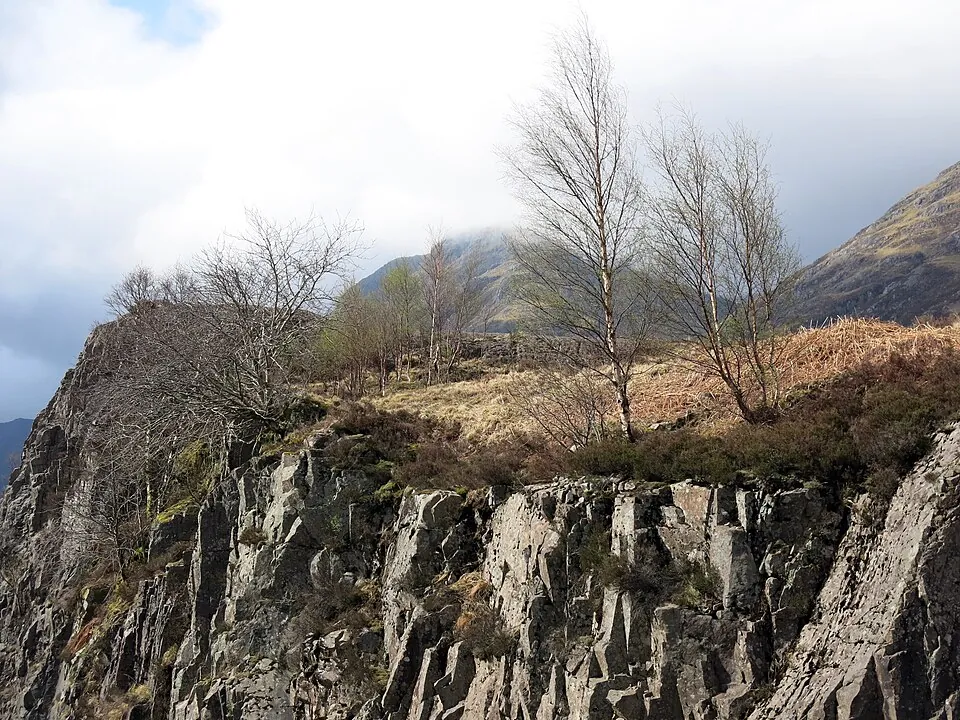
The ecosystem around Creise reflects Glen Coe's wet, Atlantic-influenced climate and dramatic topography. The lower slopes feature heather moorland mixed with wet heath communities where cross-leaved heath, purple moor grass, and various sedges thrive. As you climb Creise, the vegetation becomes sparser, with bilberry, cowberry, and hardy grasses clinging to pockets of soil among the rocks.
Above 800 metres on Creise, montane heath communities develop, with crowberry, bearberry, three-pointed rush, and woolly fringe-moss adapted to the severe exposure and harsh conditions. Red deer are common throughout Glen Coe, and you'll often spot them on the slopes around Creise, particularly in early morning or evening.
Golden eagles nest in the area, and Glen Coe is one of Scotland's most reliable locations for seeing these magnificent raptors soaring above peaks like Creise. Ptarmigan inhabit the highest, rockiest ground above 900 metres on Creise, their cryptic plumage making them difficult to spot until they move. Ravens are ubiquitous, and their calls echo around the cliffs. Mountain hares are present on the upper slopes of Creise.
The rich moss and lichen communities on the rocks reflect the high rainfall, with ancient specimens encrusting the boulders around Creise's summit.
Climbing Creise demands solid mountain experience and should not be underestimated despite the relatively short…
Climbing Creise demands solid mountain experience and should not be underestimated despite the relatively short distance. The 4/5 difficulty rating reflects steep terrain, exposure, and scrambling sections that require confidence and a good head for heights. Navigation skills are essential for Creise, particularly if mist descends on the ridge where the exposed nature makes retreat challenging. Carry map, compass, and GPS backup, and be confident using them.
The steep, rocky terrain means good boots with ankle support are critical, and the exposed ridges make Creise unsuitable in high winds. Pack full waterproofs, warm layers including fleece, hat, and gloves, as conditions at 1100 metres can be severe with rapid temperature drops and high wind speeds.
Weather in Glen Coe can deteriorate extremely rapidly, transforming from clear to dangerous within minutes, so monitor conditions constantly and be prepared to retreat if necessary. Mobile signal is generally available in Glen Coe, but can be patchy on Creise itself. Inform someone of your plans and expected return time. The scrambling sections on Creise require care and attention, particularly when wet.
Start early to avoid afternoon weather deterioration, and never attempt Creise in winter conditions without full winter mountaineering skills and equipment. The exposure and technical nature make this a serious mountain requiring respect and proper preparation.
Explore more peaks near Glen Coe.
Common questions about climbing Creise.
Creise stands at 1,100 metres (3,609 feet), making it the 52nd tallest of all 282 Munros in Scotland.
The name Creise translates from Scottish Gaelic as “Narrow/Grease”.
Climbing Creise typically takes between 4.8 and 6.2 hours round trip. This varies with fitness, weather, and the route chosen.
There is dedicated parking at the standard starting point for the main route up Creise, in the Glen Coe area. The exact car park location, map pin and arrival guidance are in the free Munros app.
Creise is rated Hard (difficulty 4/5).
The most popular route up Creise covers 7.9km, 4.8–6.2 hours round trip.
Creise (difficulty 4/5 at 1,100m) is best suited to experienced hillwalkers in the Glen Coe area. Expect sustained steep terrain and the need for confident navigation in poor visibility.
Creise is in the Glen Coe region of Scotland. Nearby Munros include Bidean nam Bian, Meall a' Bhùiridh, Meall Dearg (Aonach Eagach).
Step-by-step directions, GPS navigation, exact parking and offline maps for Creise — free in the Munros app.
Free — Download on theApp StoreTrack all 282 Munros, plan routes, and log every summit. Join 2,400+ hillwalkers already using Munros.app.