Home Features Explore Munros Munro Map Reviews Get the App

Beinn nan Aighenan

960m Argyll

“Mountain of the Hinds”

960mHeight
20kmRound trip
6.6–8.6hWalk time
HardDifficulty 4/5
Community
conditions
No reports yet — be the first to log this Munro
Log a climb
Track this summit
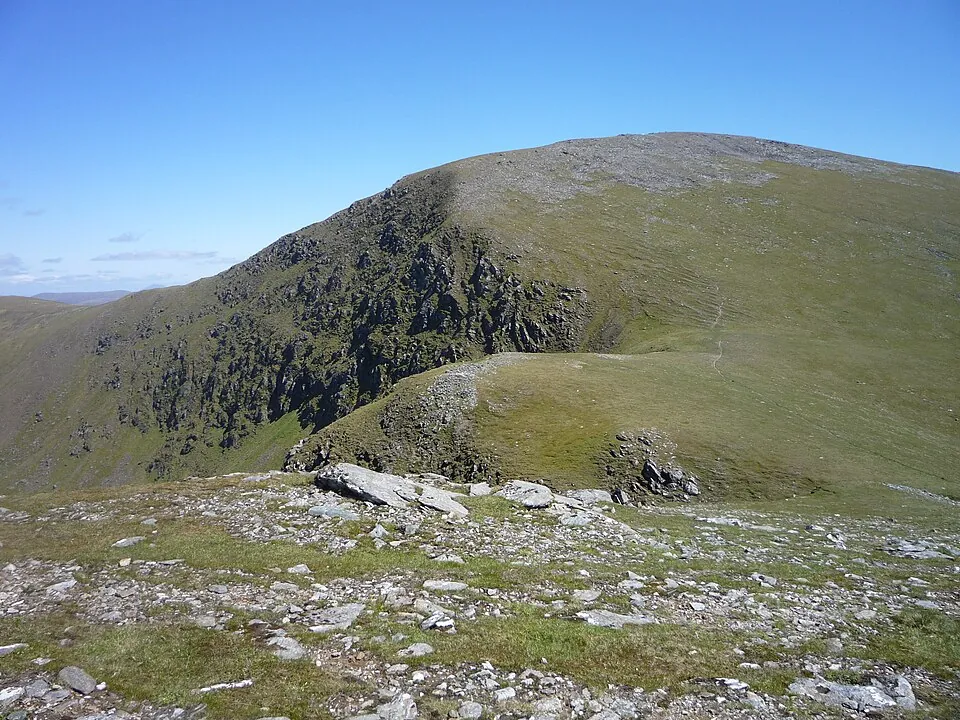
Photo: GeographBot · CC BY-SA 2.0
Overview

About this Munro

Beinn nan Aighenan is a 960m Munro in the Argyll region, its Gaelic name meaning “mountain of the hinds”. It stands 198th of the 282 Munros by height. The usual ascent — Beinn nan Aighenan from Glen Etive — is a 20km round trip taking 6.6–8.6 hours, rated hard (4/5).

Height rank198th of 282
RegionArgyll
Coordinates56.5204°N 5.0101°W
OS Grid RefNN 149 405
GPS routes in the appSummit location — full route lines, parking pins & offline maps in the free app.
Plan your day

Routes & Navigation

There is 1 route to the summit of Beinn nan Aighenan, covering 20km.

Route preview

Beinn nan Aighenan from Glen Etive

Hard
6.6–8.6h round trip20km distance↑768m ascent
Bog ratingModerate
ParkingGlen Etive Road End
Step-by-step guideIn the app

Climbing Beinn nan Aighenan

Beinn nan Aighenan, the 'Mountain of the Hinds', rises to 960 metres in the remote hills above Glen Etive, offering a…

Beinn nan Aighenan, the 'Mountain of the Hinds', rises to 960 metres in the remote hills above Glen Etive, offering a serious and committing ascent across wild terrain. From Glen Etive Road End, you'll tackle 20 kilometres of demanding hillwalking requiring 6-8 hours of sustained effort. The route crosses rough, pathless ground for much of its length, with the gradient building steadily as you work your way into increasingly remote country.

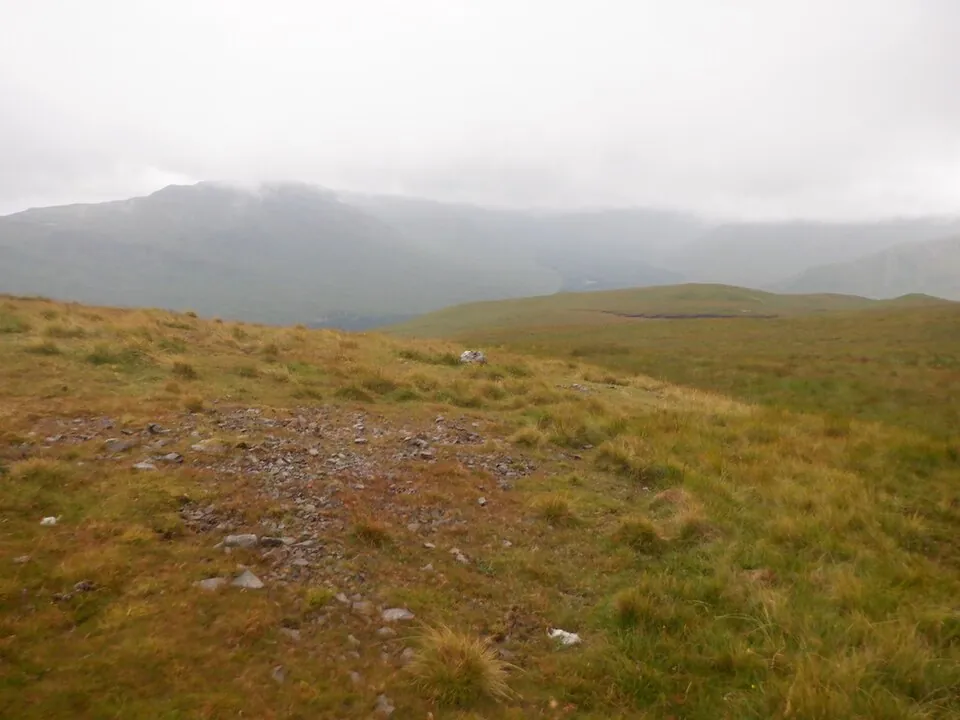
The terrain on Beinn nan Aighenan features bog level 3/5 conditions, meaning wet ground in sections, particularly on the approaches before you gain the higher ridges. Path quality is minimal once you leave any established tracks, requiring confident navigation across featureless terrain where landmarks are sparse. The 4/5 difficulty rating reflects the long distances, serious remoteness, and the navigation challenges presented by this isolated peak.

You'll encounter diverse terrain from moorland to rocky slopes, with the final approaches to the summit involving rougher, stonier ground that demands careful footwork.

Best Time to Climb Beinn nan Aighenan

Beinn nan Aighenan is best climbed during late spring through early autumn when daylight hours are generous enough for…

Beinn nan Aighenan is best climbed during late spring through early autumn when daylight hours are generous enough for the 6-8 hour route and when ground conditions are firmest. The Argyll region receives substantial Atlantic rainfall throughout the year, so be prepared for wet conditions even during summer months. The mountain's relatively isolated position means weather can differ significantly from forecasts for more accessible areas.

Winter ascents of Beinn nan Aighenan require full winter mountaineering skills and experience, with snow and ice transforming the terrain and navigation becoming significantly more challenging. The remote nature of the mountain means any problems take longer to resolve, so winter attempts should only be made by experienced parties with appropriate equipment.

Stalking season from August through October may require estate contact, though the remoteness means less pressure than lower, more accessible hills. Whatever the season, expect the weather on Beinn nan Aighenan to be a major factor in your day.

Getting to Beinn nan Aighenan

Access to Beinn nan Aighenan begins at Glen Etive Road End, reached via the single-track road that runs down spectacular…

Access to Beinn nan Aighenan begins at Glen Etive Road End, reached via the single-track road that runs down spectacular Glen Etive from the A82 near the Pass of Glencoe. This beautiful glen provides one of Scotland's most scenic approaches, with the road following the river through increasingly wild country. Parking at the road end is informal and limited, with space for a handful of vehicles in a remote setting.

The location is isolated, with the nearest facilities back at the A82 or beyond in Glencoe village. Ensure you're fully equipped before heading down the glen, as there's no opportunity to purchase forgotten items once you leave the main road. From the road end, you face a long approach across pathless terrain towards Beinn nan Aighenan, immediately emphasising the serious commitment this mountain demands.

Mobile phone signal is unreliable to non-existent, so don't depend on mobile devices for navigation or emergency communication in this genuinely remote location.

Beinn nan Aighenan Summit

The summit of Beinn nan Aighenan at 960 metres sits amid rocky terrain crowned by a cairn, marking the highest point in…

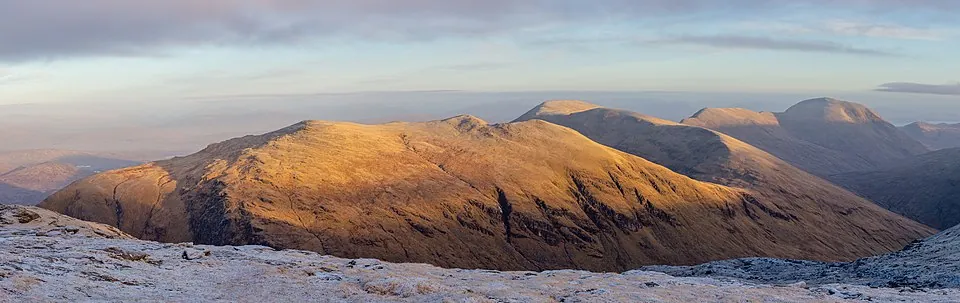
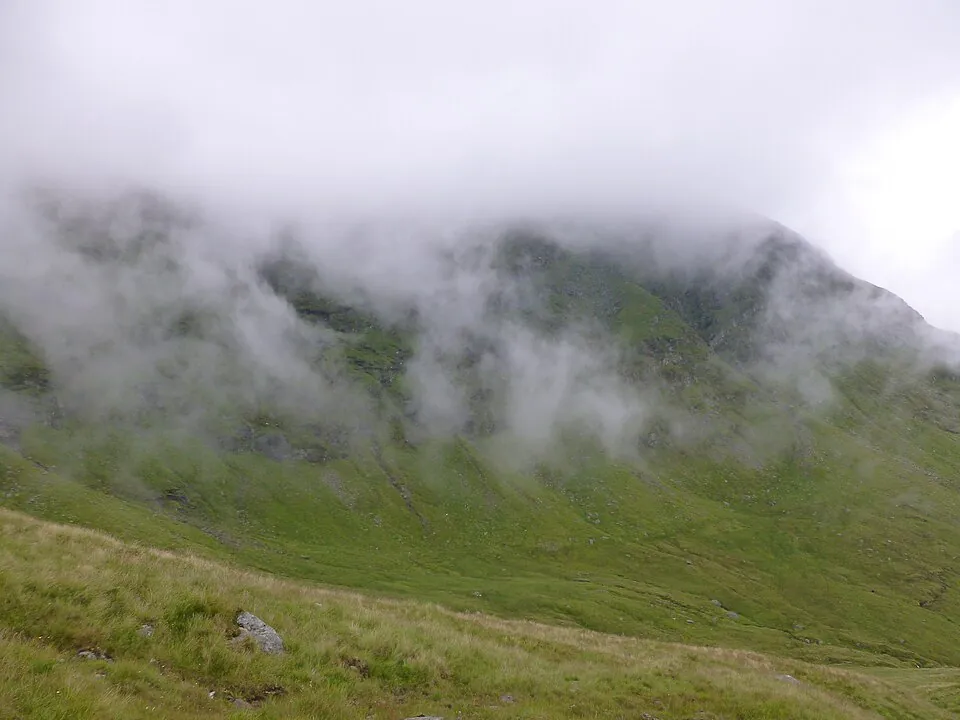
The summit of Beinn nan Aighenan at 960 metres sits amid rocky terrain crowned by a cairn, marking the highest point in this remote corner of Argyll. The top provides commanding views across wild, empty country towards the mountains of Glen Coe and the surrounding peaks, with the sense of isolation profound. Shelter is limited, with the exposed summit leaving you vulnerable to the strong winds that frequently affect these western mountains.

The summit area can be confusing in poor visibility, with the broad ridge and rocky terrain requiring careful navigation to identify the true top and maintain accurate bearings for the descent. On clear days, Beinn nan Aighenan offers magnificent views across some of Scotland's finest mountain scenery, with the rugged character of the Argyll hills evident in all directions.

The feeling of remoteness is considerable, with the awareness that you're many hours from any road and in country where help would be slow to arrive if needed.

Wildlife on Beinn nan Aighenan

The approaches to Beinn nan Aighenan cross typical west Highland terrain with heather moorland and grassland dominating…

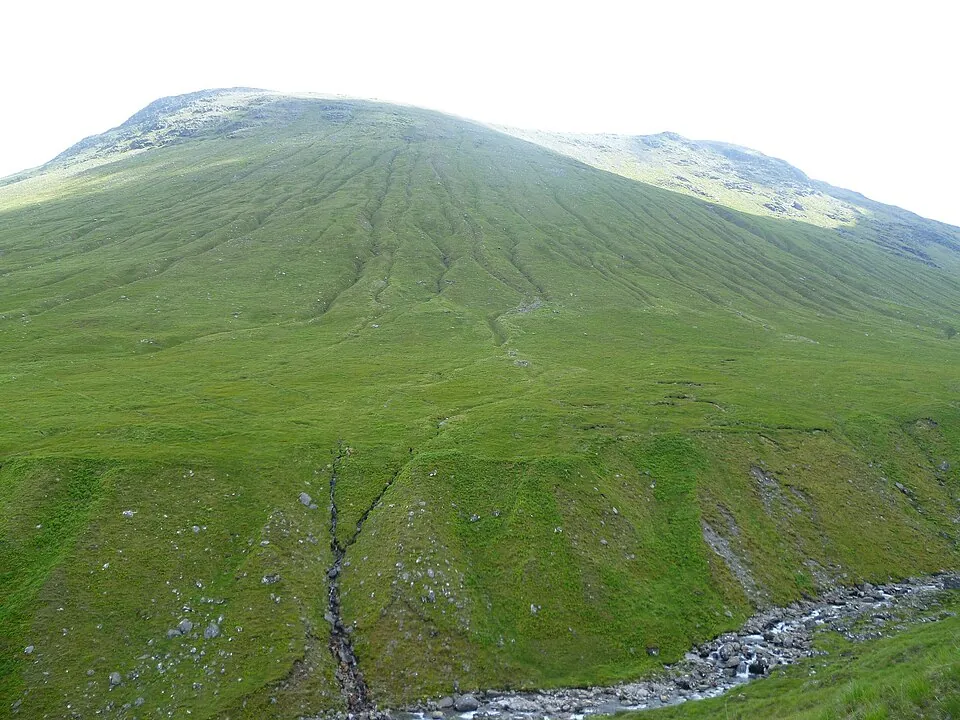
The approaches to Beinn nan Aighenan cross typical west Highland terrain with heather moorland and grassland dominating lower elevations. The bog level 3/5 rating indicates wet ground in places, supporting diverse wetland plant communities including sphagnum mosses, sedges, and cotton grass. Red deer are common throughout this landscape, with the mountain's name 'Mountain of the Hinds' reflecting their presence, particularly the female deer that frequent these hills.

Higher on Beinn nan Aighenan, vegetation transitions to montane heath and grassland, with hardy species adapted to exposure and grazing pressure. The western location means relatively lush plant communities where moisture is abundant, supporting diverse moss and lichen growth on rocks and in wet flushes. Golden eagles hunt across this remote territory, and you may spot ravens, buzzards, or peregrine falcons.

Mountain hares inhabit the higher slopes, while ptarmigan may be encountered near the summit. The isolation means wildlife is less disturbed than in more accessible locations, rewarding observant walkers with sightings of these mountain specialists.

Beinn nan Aighenan Tips

Beinn nan Aighenan demands good mountain skills and experience, with the 4/5 difficulty and remote location making this…

Beinn nan Aighenan demands good mountain skills and experience, with the 4/5 difficulty and remote location making this unsuitable for inexperienced walkers. Navigation skills are essential, as much of the route is pathless and the terrain can be confusing in poor visibility. Carry full navigation equipment including map, compass, and ideally GPS, and be confident using them before attempting this isolated peak.

The 6-8 hour route requires good fitness and an early start, with sufficient food and water for a sustained day. Water sources are generally available en route given the wet character of the terrain, but carry purification tablets. The bog level 3/5 rating means waterproof boots are essential, with gaiters recommended for comfort. Phone signal is unreliable to non-existent throughout, making self-rescue your only option if problems arise on Beinn nan Aighenan.

Pack full emergency equipment including shelter, extra layers, waterproofs, and first aid supplies. The remoteness means any injury or navigational error has serious consequences, so be conservative with your decision-making and turn back if conditions deteriorate or you're falling behind schedule.
Frequently Asked Questions

Common questions about climbing Beinn nan Aighenan.

How tall is Beinn nan Aighenan?

Beinn nan Aighenan stands at 960 metres (3,150 feet), making it the 198th tallest of all 282 Munros in Scotland.

What does Beinn nan Aighenan mean in Gaelic?

The name Beinn nan Aighenan translates from Scottish Gaelic as “Mountain of the Hinds”.

How long does it take to climb Beinn nan Aighenan?

Climbing Beinn nan Aighenan typically takes between 6.6 and 8.6 hours round trip. This varies with fitness, weather, and the route chosen.

Where do I park for Beinn nan Aighenan?

There is dedicated parking at the standard starting point for the main route up Beinn nan Aighenan, in the Argyll area. The exact car park location, map pin and arrival guidance are in the free Munros app.

How difficult is Beinn nan Aighenan to climb?

Beinn nan Aighenan is rated Hard (difficulty 4/5).

What is the best route up Beinn nan Aighenan?

The most popular route up Beinn nan Aighenan covers 20km, 6.6–8.6 hours round trip.

Is Beinn nan Aighenan good for beginners?

Beinn nan Aighenan (difficulty 4/5 at 960m) is best suited to experienced hillwalkers in the Argyll area. Expect sustained steep terrain and the need for confident navigation in poor visibility.

What region is Beinn nan Aighenan in?

Beinn nan Aighenan is in the Argyll region of Scotland. Nearby Munros include Beinn a' Chlèibh, Beinn a' Chochuill, Beinn a' Chreachain.

Start your journey

Ready to bag
them all?

Track all 282 Munros, plan routes, and log every summit. Join 2,400+ hillwalkers already using Munros.app.

Download for iPhone Free on the App Store