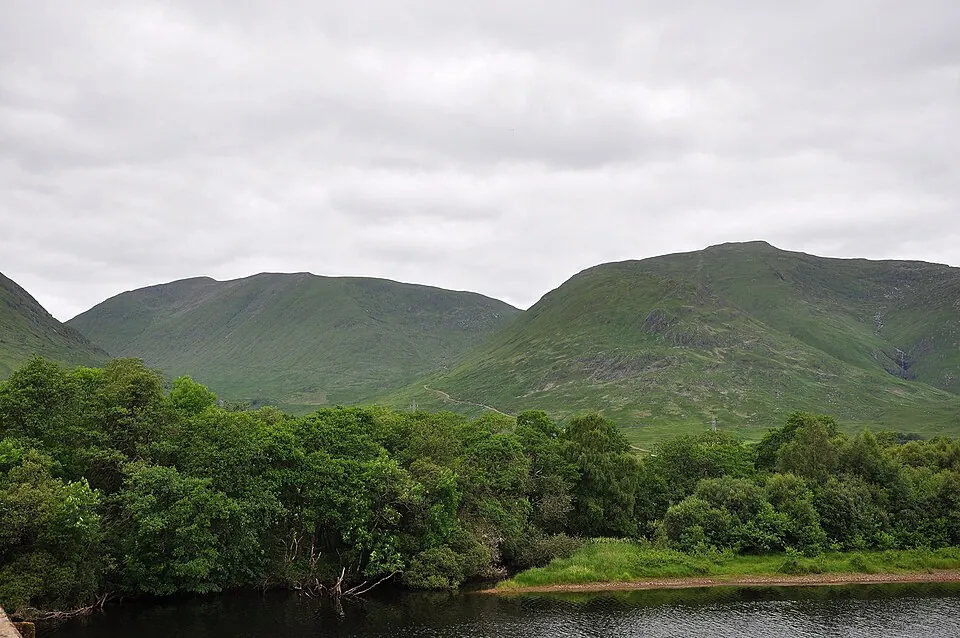
Ben Starav
“Mountain of the Stiff/Sturdy”
conditions
“Mountain of the Stiff/Sturdy”
Ben Starav is a 1,078m Munro in the Argyll region, its Gaelic name meaning “mountain of the stiff/sturdy”. It stands 65th of the 282 Munros by height. The usual ascent — Ben Starav from Glen Etive — is a 25.9km round trip taking 7.4–9.6 hours, rated hard (4/5).
There is 1 route to the summit of Ben Starav, covering 25.9km.
Ben Starav presents a formidable challenge with its combination of substantial distance and technical difficulty. The…
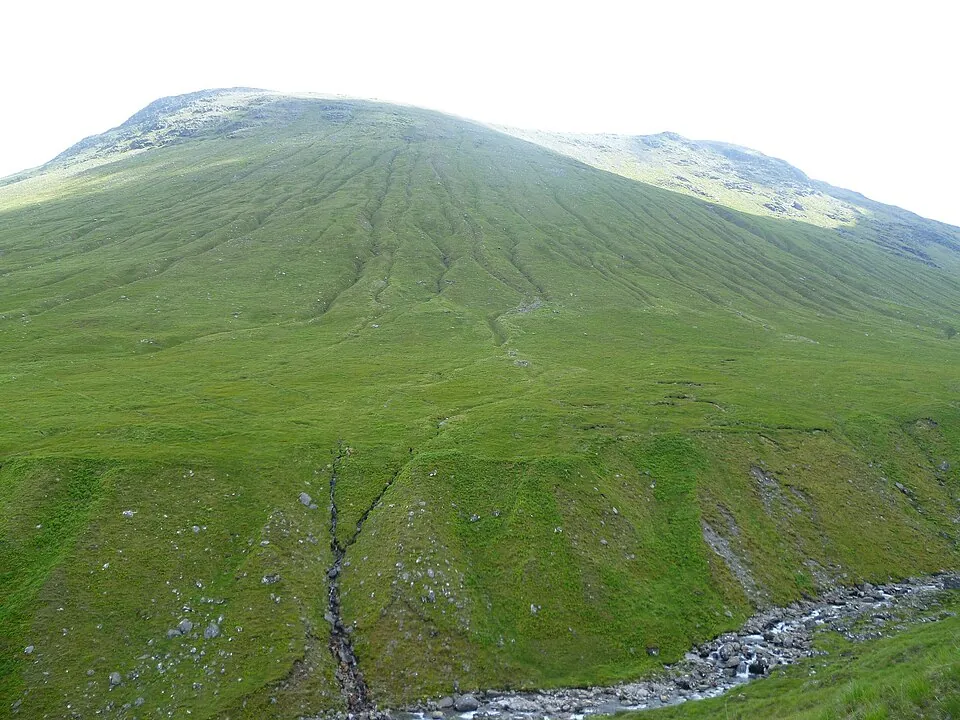
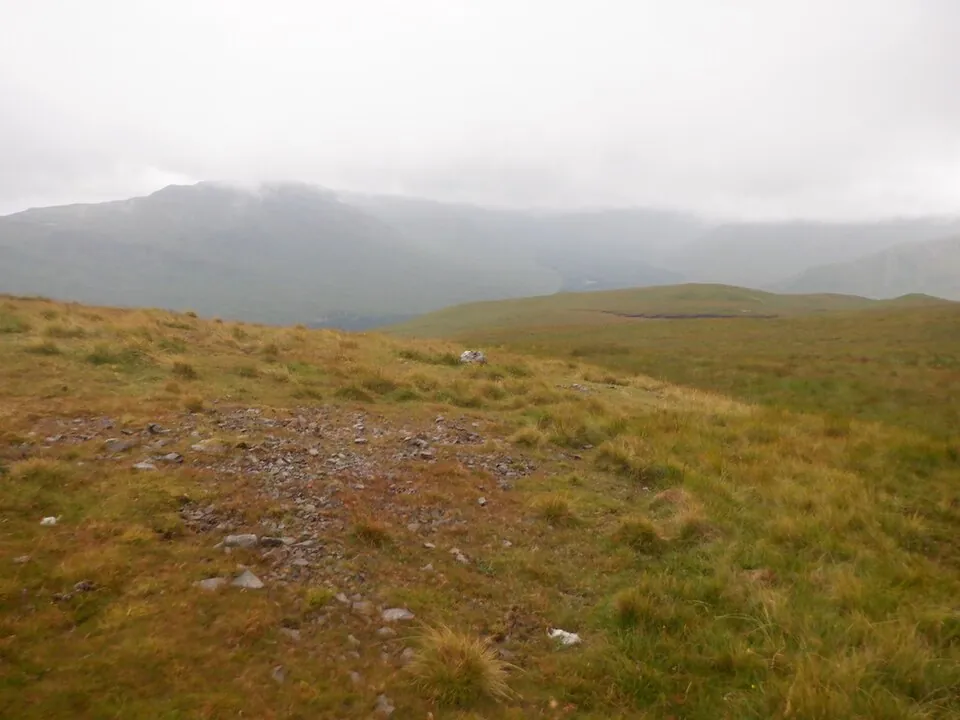
Ben Starav presents a formidable challenge with its combination of substantial distance and technical difficulty. The approach from Glen Etive involves a long walk-in before you even begin the serious climbing. You'll encounter rough, pathless terrain in the lower sections, with boggy ground requiring careful foot placement and patience. The difficulty rating of 4/5 reflects steep, sustained climbing once you reach the mountain proper.
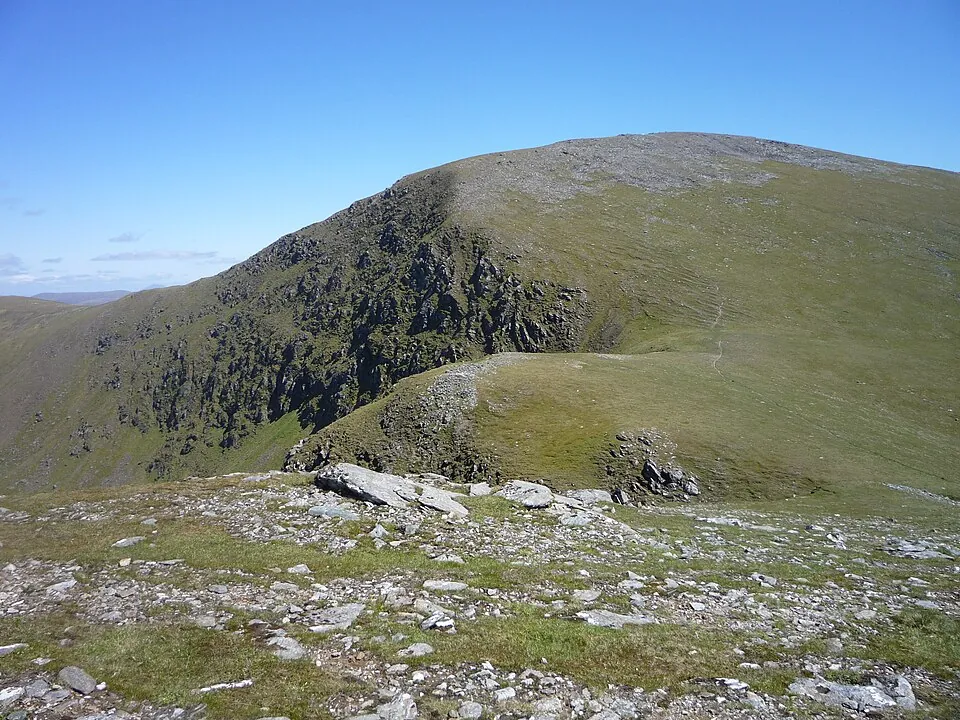
As you ascend Ben Starav, the terrain becomes increasingly rocky and the gradient relentlessly steep. This is a mountain that demands fitness and determination, with few easy sections to provide respite. The upper slopes require scrambling skills in places, and you'll need to pick your line carefully through broken ground. The sheer effort required makes the summit all the more rewarding when you finally reach it.
Ben Starav requires a long day even in summer's extended daylight, making it unsuitable for short winter days unless…
Ben Starav requires a long day even in summer's extended daylight, making it unsuitable for short winter days unless you're prepared for headtorch navigation. Late spring through early autumn provides the most practical climbing windows, with May to September offering the best combination of weather and daylight. The mountain's westerly location means it receives substantial rainfall year-round.
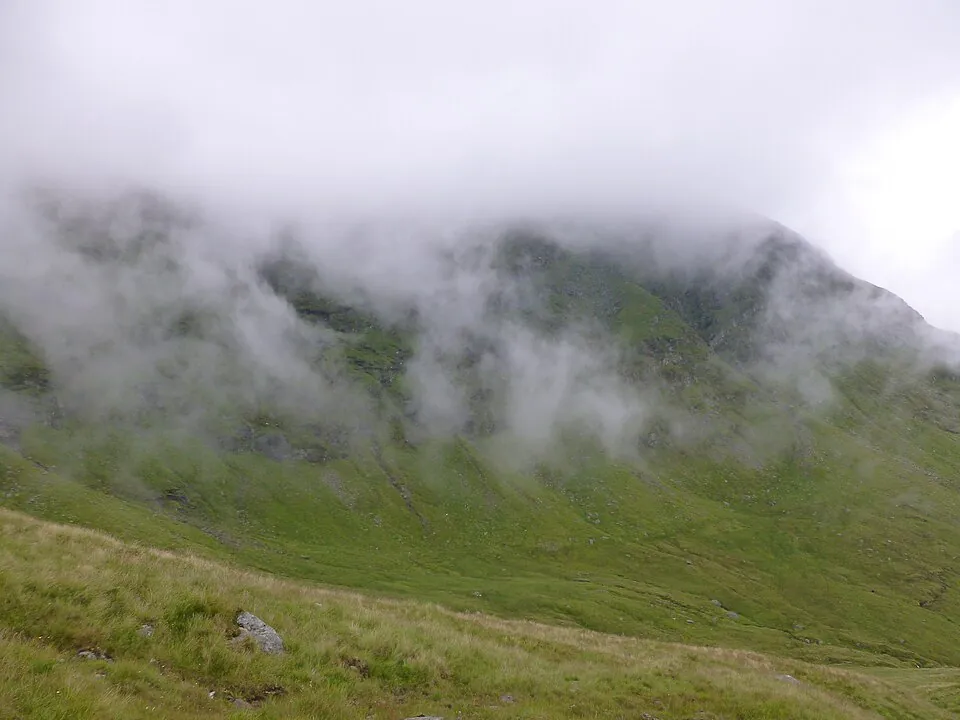
Summer conditions on Ben Starav allow you to tackle this serious peak without winter complications, though the technical sections remain demanding. Weather can deteriorate rapidly, with cloud obscuring the route and making the rocky upper sections more hazardous. Winter ascents are serious mountaineering expeditions requiring ice axe, crampons, and extensive experience. Spring and autumn offer quieter conditions but increasingly marginal daylight for such a lengthy route.
Access begins at the Glen Etive Road End parking area, reached by turning off the A82 at the head of Glen Coe and…
Access begins at the Glen Etive Road End parking area, reached by turning off the A82 at the head of Glen Coe and following the single-track road down beautiful Glen Etive. The drive itself is spectacular but requires concentration on the narrow road. Parking is limited and informal, so arrive early during busy periods to secure a spot.
Glen Etive is remote, with no facilities available at the roadhead. Stock up on everything you need in Glencoe village or Fort William before heading down the glen. The location's remoteness means you're entirely self-sufficient once you start walking. Mobile phone signal is extremely limited or non-existent throughout Glen Etive and on Ben Starav itself.
The summit of Ben Starav is a rocky, dramatic peak that rewards your considerable effort with outstanding views across…
The summit of Ben Starav is a rocky, dramatic peak that rewards your considerable effort with outstanding views across the Western Highlands. You'll find a well-built cairn marking the highest point, perched on a summit that drops away steeply on multiple sides. The top provides limited shelter, being exposed to prevailing westerly winds that sweep in from the Atlantic.
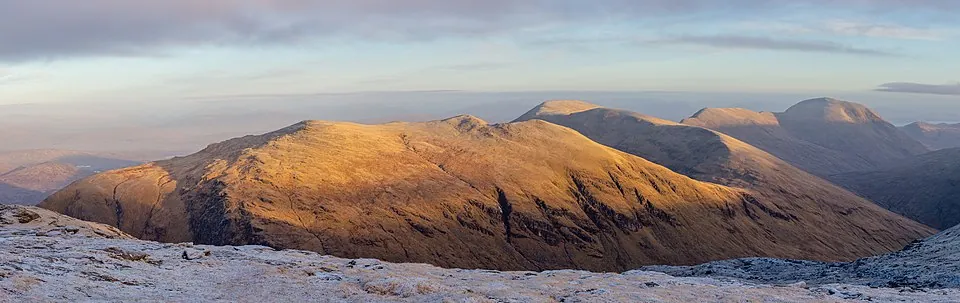
On clear days, the panorama is magnificent, encompassing the mountains of Glen Coe, the Mamores, and the peaks surrounding Loch Etive far below. The summit area is compact and rocky, requiring care in movement, especially in strong winds. The sense of isolation is palpable, with Ben Starav's remote location giving it a genuine wilderness character despite its relative accessibility from the road.
The Glen Etive approach to Ben Starav takes you through varied habitats, from birch woodland remnants in the glen bottom…
The Glen Etive approach to Ben Starav takes you through varied habitats, from birch woodland remnants in the glen bottom to open heather moorland on the lower slopes. The western location brings high rainfall that supports lush vegetation at lower altitudes, with mosses and ferns thriving in sheltered spots. Cotton grass flourishes in the boggy sections that characterize the approach.
Red deer are abundant in this area, and you'll often spot herds grazing or watching from high ground. Golden eagles hunt across these mountains, their vast wingspans unmistakable against the sky. As you climb toward the summit of Ben Starav, the vegetation transitions to montane heath, with alpine plants colonizing sheltered ledges. Ptarmigan and mountain hare inhabit the higher slopes, perfectly adapted to the harsh conditions at altitude.
The combination of distance, difficulty, and remoteness makes Ben Starav a serious undertaking requiring careful…
The combination of distance, difficulty, and remoteness makes Ben Starav a serious undertaking requiring careful preparation. Navigation skills are essential, particularly in the trackless lower sections and during any descent in deteriorating weather. Carry full emergency equipment including bivvy bag, first aid kit, and extra food, as help is far away if things go wrong.
The 4/5 difficulty rating and steep, rocky terrain mean you should be confident scrambling and moving across rough ground. Waterproof boots and gaiters are essential given the bog rating. Carry plenty of water, as reliable sources can be scarce on the upper mountain. Phone signal is effectively non-existent, so you're on your own in terms of communication.
Check weather forecasts carefully and be prepared to turn back if conditions deteriorate on this exposed and committing route.
Explore more peaks near Argyll.
Common questions about climbing Ben Starav.
Ben Starav stands at 1,078 metres (3,537 feet), making it the 65th tallest of all 282 Munros in Scotland.
The name Ben Starav translates from Scottish Gaelic as “Mountain of the Stiff/Sturdy”.
Climbing Ben Starav typically takes between 7.4 and 9.6 hours round trip. This varies with fitness, weather, and the route chosen.
There is dedicated parking at the standard starting point for the main route up Ben Starav, in the Argyll area. The exact car park location, map pin and arrival guidance are in the free Munros app.
Ben Starav is rated Hard (difficulty 4/5).
The most popular route up Ben Starav covers 25.9km, 7.4–9.6 hours round trip.
Ben Starav (difficulty 4/5 at 1,078m) is best suited to experienced hillwalkers in the Argyll area. Expect sustained steep terrain and the need for confident navigation in poor visibility.
Ben Starav is in the Argyll region of Scotland. Nearby Munros include Beinn a' Chlèibh, Beinn a' Chochuill, Beinn a' Chreachain.
Step-by-step directions, GPS navigation, exact parking and offline maps for Ben Starav — free in the Munros app.
Free — Download on theApp StoreTrack all 282 Munros, plan routes, and log every summit. Join 2,400+ hillwalkers already using Munros.app.