About this Munro
Gairich is a 919m Munro in the Loch Ness region, its Gaelic name meaning “roaring”. It stands 272nd of the 282 Munros by height. The usual ascent — Gairich from Loch Quoich — is a 19km round trip taking 6.6–8.6 hours, rated hard (4/5).
Routes & Navigation
There is 1 route to the summit of Gairich, covering 19km.
Gairich from Loch Quoich
HardClimbing Gairich
Climbing Gairich involves a substantial expedition into the remote country around Loch Quoich. From the parking area…
Climbing Gairich
Climbing Gairich involves a substantial expedition into the remote country around Loch Quoich. From the parking area…
Climbing Gairich involves a substantial expedition into the remote country around Loch Quoich. From the parking area near the dam, you'll face a 19-kilometre round trip that demands sustained effort across varied terrain. The initial approach follows the lochside before turning upward toward Gairich's distinctive cone-shaped profile. Path quality is variable, with reasonable stalkers' tracks lower down deteriorating into rougher, boggier ground as you climb.
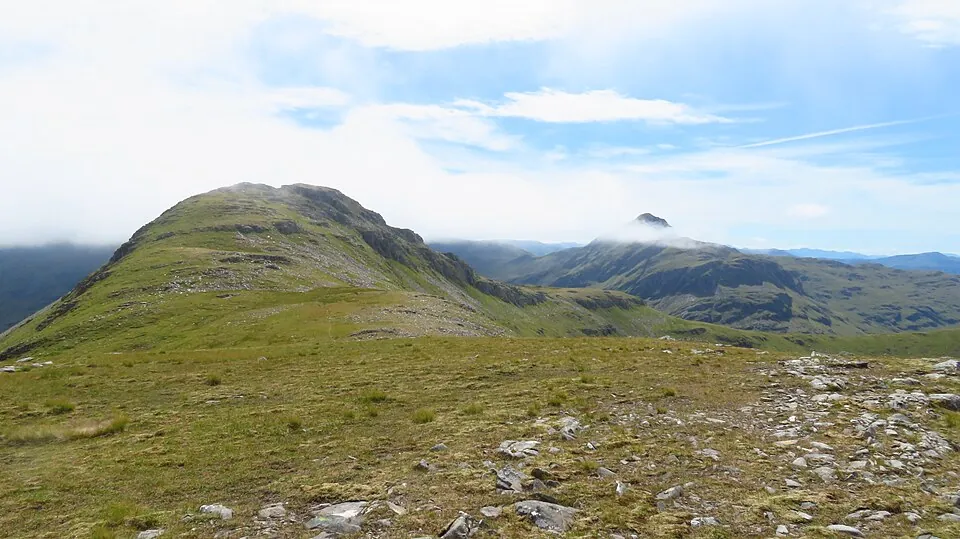
The bog level of 3/5 means you'll encounter significant wet sections, particularly on the middle slopes where drainage is poor. Gairich rises to 919 metres with a commanding presence above Loch Quoich, and the ascent involves around 900 metres of vertical gain. The upper mountain features rockier terrain with some scrambling sections on the steeper approaches to the summit ridge.
The difficulty rating of 4/5 reflects both the length and the navigational challenges posed by complex terrain. Expect 7-9 hours of mountain travel, with the remote location meaning you'll be committed once you begin climbing Gairich. The mountain's isolation adds to the sense of adventure on this demanding route.
Best Time to Climb Gairich
The best conditions for climbing Gairich typically occur from late spring through early autumn, with June to September…
Best Time to Climb Gairich
The best conditions for climbing Gairich typically occur from late spring through early autumn, with June to September…
The best conditions for climbing Gairich typically occur from late spring through early autumn, with June to September offering the most reliable weather and essential long daylight hours. This western peak experiences the full force of Atlantic weather systems, meaning rain is common throughout the year and prolonged dry spells are rare. Summer brings the advantage of nearly 18 hours of daylight in June, important for safely completing such a long route.
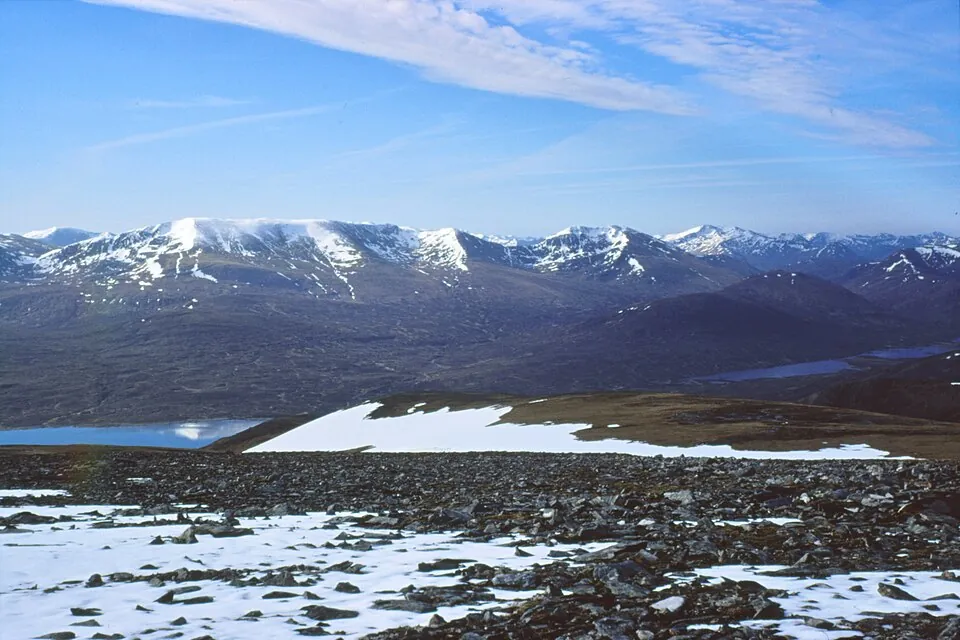
Gairich presents a much more serious proposition in winter, when full mountaineering skills and equipment are essential for safe ascent. The approach along Loch Quoich can be particularly challenging in winter conditions, while the upper mountain accumulates substantial snow and ice. Spring can offer excellent conditions with late snow creating dramatic scenery and firm going underfoot.
Autumn brings beautiful colours to the glen but also increasing rainfall and shortening days. The altitude of 919 metres means conditions at the summit of Gairich can be severe even when valleys are mild. Plan your ascent around a stable high-pressure system if possible, as poor visibility makes the complex terrain harder to navigate.
Getting to Gairich
Reaching the start point for Gairich requires a journey into the remote Highland landscape west of Loch Lochy. The…
Getting to Gairich
Reaching the start point for Gairich requires a journey into the remote Highland landscape west of Loch Lochy. The…
Reaching the start point for Gairich requires a journey into the remote Highland landscape west of Loch Lochy. The parking area near Loch Quoich Dam is accessed via a single-track road that branches off the A87 at Tomdoun, winding westward for several miles through increasingly wild country. This minor road is well-maintained but narrow, requiring care and courtesy when meeting oncoming traffic.
The dam area offers limited parking and no facilities—you're very much in the backcountry here. Gairich rises to the south of the loch, clearly visible from the parking area with its distinctive conical shape. The approach drive from the main road takes around 30 minutes, with the journey itself offering spectacular scenery across empty glens.
Mobile phone signal is virtually non-existent once you leave the A87, so ensure all your preparations are complete before committing to Gairich. The road to Loch Quoich is usually passable year-round, though winter conditions can make it challenging and the remote location means help is far away if difficulties arise. The nearest services are back in Fort Augustus or Invergarry.
Gairich Summit
The summit of Gairich at 919 metres provides one of the finest viewpoints in the Western Highlands, with panoramas that…
Gairich Summit
The summit of Gairich at 919 metres provides one of the finest viewpoints in the Western Highlands, with panoramas that…
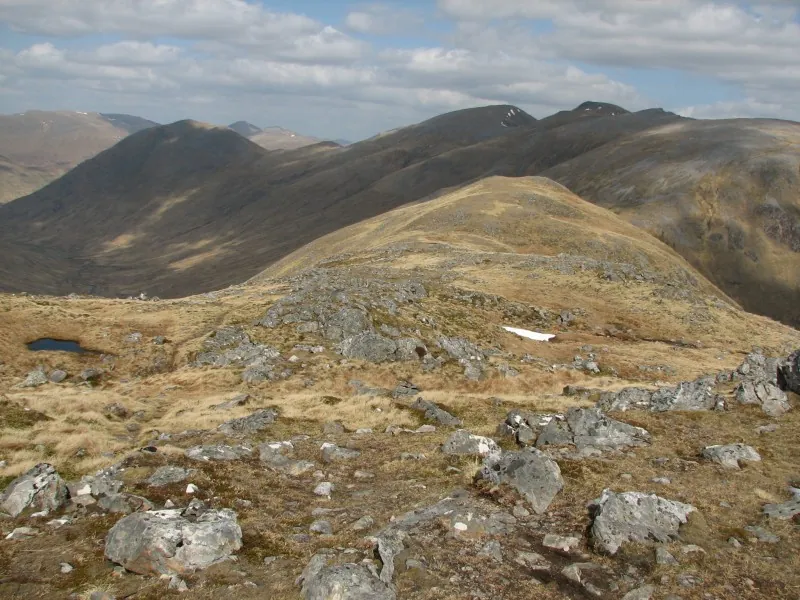
The summit of Gairich at 919 metres provides one of the finest viewpoints in the Western Highlands, with panoramas that seem to stretch forever across mountain and loch. You'll stand on a relatively level summit area marked by a sizeable cairn, with dramatic cliffs falling away on some sides adding to the exposed position.
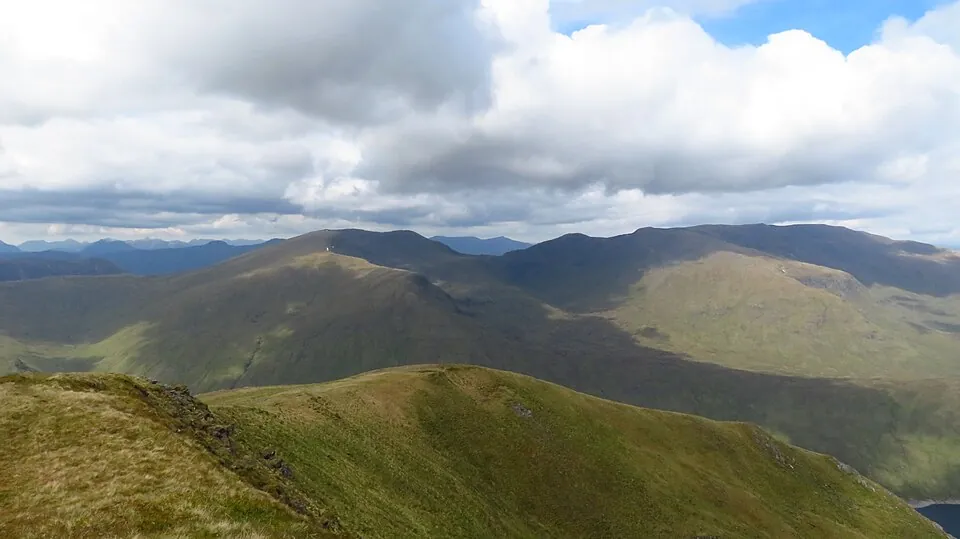
The outlook encompasses a vast sweep of peaks including the Knoydart mountains, the ridges around Glen Shiel, and countless other summits marching away in every direction. Loch Quoich glints far below, its distinctive shape clearly visible from your elevated position on Gairich. The isolated nature of this peak means the views are particularly comprehensive, unobstructed by neighbouring mountains.
Summit winds can be fierce given the exposed position, though the rocks around the cairn offer some shelter for a break. The sense of remoteness at the top of Gairich is profound—you're deep in wild country with the nearest road far below and human habitation scarce. The name Gairich means Roaring, possibly referring to the wind that frequently batters this exposed summit.
Wildlife on Gairich
The country around Gairich exemplifies the wild western Highlands, with heather moorland giving way to rougher mountain…
Wildlife on Gairich
The country around Gairich exemplifies the wild western Highlands, with heather moorland giving way to rougher mountain…
The country around Gairich exemplifies the wild western Highlands, with heather moorland giving way to rougher mountain vegetation as you climb. Red deer are abundant throughout the area—you'll very likely encounter them on the approaches or mountain flanks, particularly during early morning or evening when they're most active. The lower slopes support typical Highland plant communities with heather, blaeberry, and scattered rowan and birch in sheltered spots.
Boggy areas host cotton grass, sphagnum moss, and other moisture-loving species that thrive in the wet western climate. As you climb Gairich, vegetation becomes increasingly sparse, transitioning to montane heath dominated by wind-pruned grasses and dwarf shrubs. Watch for golden eagles soaring overhead—this remote area provides ideal hunting territory for these magnificent raptors.
Ravens are common companions on the mountain, their acrobatics and croaking calls adding character to the wild landscape. Mountain hares inhabit the upper slopes of Gairich, while ring ouzels may nest on rocky crags during summer. The geology and climate create a less botanically diverse environment than some limestone peaks, but the rugged beauty of Gairich's habitat is undeniable.
Gairich Tips
The remote and demanding nature of Gairich requires thorough preparation and solid mountain skills. Navigation across…
Gairich Tips
The remote and demanding nature of Gairich requires thorough preparation and solid mountain skills. Navigation across…
The remote and demanding nature of Gairich requires thorough preparation and solid mountain skills. Navigation across the complex terrain demands careful attention, particularly in mist when the various ridges and corries become difficult to distinguish—carry map, compass, and GPS device. The length of the route means you'll be out for 7-9 hours, so pack adequate food and substantial water, though streams are generally available on this wet mountain.
Mobile signal is absent throughout most of the route to Gairich, so your emergency plans must be sorted before you leave the dam area. Inform someone of your route and expected return time given the remote location. The difficulty rating of 4/5 reflects genuine challenges, so ensure you're confident in your fitness and navigation abilities before attempting Gairich. Start early to maximize daylight hours, particularly in spring or autumn when days are shorter.
Weather can change rapidly in the Western Highlands, and retreat from Gairich's summit is a lengthy process. Carry full hillwalking kit including waterproofs and warm layers regardless of starting conditions. The isolation means self-sufficiency is essential—you cannot rely on encountering other walkers for assistance on Gairich.
Nearby Munros in Loch Ness
Explore more peaks near Loch Ness.
Frequently Asked Questions
Common questions about climbing Gairich.
How tall is Gairich?
Gairich stands at 919 metres (3,015 feet), making it the 272nd tallest of all 282 Munros in Scotland.
What does Gairich mean in Gaelic?
The name Gairich translates from Scottish Gaelic as “Roaring”.
How long does it take to climb Gairich?
Climbing Gairich typically takes between 6.6 and 8.6 hours round trip. This varies with fitness, weather, and the route chosen.
Where do I park for Gairich?
There is dedicated parking at the standard starting point for the main route up Gairich, in the Loch Ness area. The exact car park location, map pin and arrival guidance are in the free Munros app.
How difficult is Gairich to climb?
Gairich is rated Hard (difficulty 4/5).
What is the best route up Gairich?
The most popular route up Gairich covers 19km, 6.6–8.6 hours round trip.
Is Gairich good for beginners?
Gairich (difficulty 4/5 at 919m) is best suited to experienced hillwalkers in the Loch Ness area. Expect sustained steep terrain and the need for confident navigation in poor visibility.
What region is Gairich in?
Gairich is in the Loch Ness region of Scotland. Nearby Munros include An Riabhachan, An Socach (Affric), An Socach (Mullardoch).