Home Features Explore Munros Munro Map Reviews Get the App

Maoile Lunndaidh

1,007m Loch Ness

“Bare Hill of the Wet Place”

1,007mHeight
26.7kmRound trip
8.7–11.3hWalk time
HardDifficulty 4/5
Community
conditions
No reports yet — be the first to log this Munro
Log a climb
Track this summit
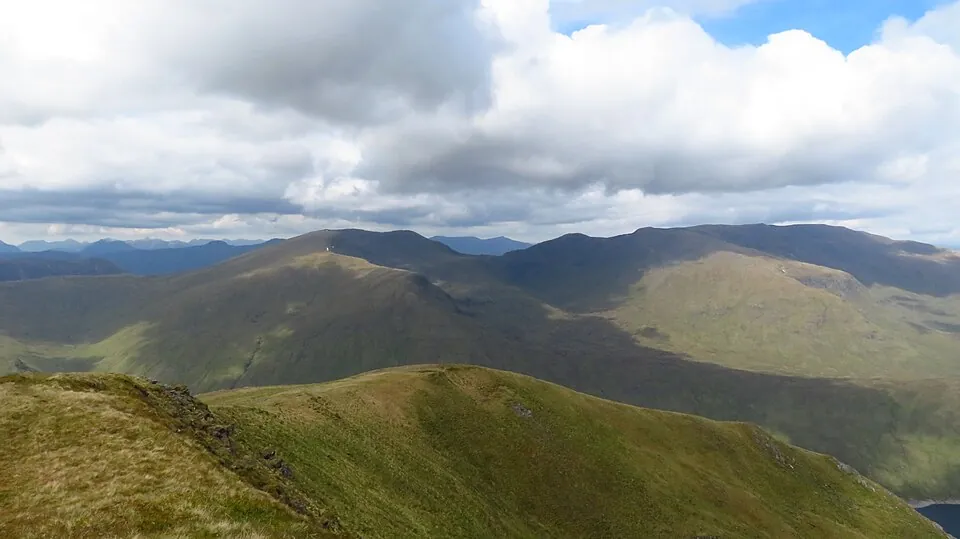
Photo: GeographBot · CC BY-SA 2.0
Overview

About this Munro

Maoile Lunndaidh is a 1,007m Munro in the Loch Ness region, its Gaelic name meaning “bare hill of the wet place”. It stands 130th of the 282 Munros by height. The usual ascent — Maoile Lunndaidh from Achnashellach — is a 26.7km round trip taking 8.7–11.3 hours, rated hard (4/5).

Height rank130th of 282
RegionLoch Ness
Coordinates57.4648°N 5.1098°W
OS Grid RefNH 135 458
GPS routes in the appSummit location — full route lines, parking pins & offline maps in the free app.
Plan your day

Routes & Navigation

There is 1 route to the summit of Maoile Lunndaidh, covering 26.7km.

Route preview

Maoile Lunndaidh from Achnashellach

Hard
8.7–11.3h round trip26.7km distance↑806m ascent
Bog ratingBoggy
ParkingAchnashellach Forest Car Park
Step-by-step guideIn the app

Climbing Maoile Lunndaidh

Maoile Lunndaidh, whose name translates evocatively as 'Bare Hill of the Wet Place', certainly lives up to its soggy…

Maoile Lunndaidh, whose name translates evocatively as 'Bare Hill of the Wet Place', certainly lives up to its soggy reputation. Rising to 1007 metres, this demanding Munro requires a serious commitment, with the route from Achnashellach Forest Car Park covering 26.7 kilometres over 9 to 11 hours. The difficulty is rated 4 out of 5, and the bog level reaches a challenging 4 out of 5, meaning you'll spend considerable time negotiating wet, pathless terrain.

The approach to Maoile Lunndaidh involves long stretches through the forest initially, followed by increasingly rough and boggy ground as you penetrate deeper into the remote interior. The terrain is often tussocky and energy-sapping, with few established paths to ease your passage. The mountain's bare, rounded character means gradients are generally steady rather than steep, but the distance and underfoot conditions make this a genuine endurance test.

The sense of remoteness grows as you approach Maoile Lunndaidh, and you must be comfortable with pathless navigation across featureless terrain.

Best Time to Climb Maoile Lunndaidh

Given the lengthy approach and high bog level, Maoile Lunndaidh is best attempted during the drier months of late spring…

Given the lengthy approach and high bog level, Maoile Lunndaidh is best attempted during the drier months of late spring through early autumn, ideally from May to September. The 9 to 11-hour requirement means you need good daylight, and attempting Maoile Lunndaidh with winter's short days would be extremely challenging. The wet conditions that give the mountain its name are somewhat ameliorated during drier spells, though you should never expect dry feet on Maoile Lunndaidh.

The Loch Ness region receives substantial Atlantic rainfall, and the bare, exposed character of the mountain means it offers little shelter from the weather systems that sweep across it. Summer provides the most stable weather windows and the firmest ground conditions, relatively speaking. Maoile Lunndaidh's altitude of over 1000 metres means summit conditions can be harsh even when the glens are pleasant, with wind and cold a constant possibility.

Check the forecast carefully and consider postponing if heavy rain is predicted, as the already boggy approaches become even more challenging in wet weather.

Getting to Maoile Lunndaidh

Access to Maoile Lunndaidh begins at Achnashellach Forest Car Park, located beside the A890 between Lochcarron and…

Access to Maoile Lunndaidh begins at Achnashellach Forest Car Park, located beside the A890 between Lochcarron and Achnasheen. The car park is well-signposted and offers reasonable parking, though it can fill during busy periods, so an early start is advisable for Maoile Lunndaidh. The location is relatively accessible from Inverness, approximately 90 minutes' drive via the A832 and A890, taking you through spectacular Highland scenery.

There's a railway station at Achnashellach on the Kyle of Lochalsh line, offering an alternative access method for those using public transport to reach Maoile Lunndaidh. The nearest facilities are in Lochcarron or Achnasheen, so ensure you're fully provisioned before arriving at the trailhead. Mobile phone signal is limited in this area and becomes non-existent once you leave the main road, so inform someone of your plans and expected return time.

The access road is well-maintained, though care is needed on the twisting single-track sections approaching the Maoile Lunndaidh starting point.

Maoile Lunndaidh Summit

The summit of Maoile Lunndaidh at 1007 metres is a bare, exposed plateau that perfectly embodies the mountain's name.…

The summit of Maoile Lunndaidh at 1007 metres is a bare, exposed plateau that perfectly embodies the mountain's name. The top is marked by a cairn, but the summit area is broad and featureless, requiring careful navigation in poor visibility. The bare character means there's no shelter from the wind, which can blow strongly at this altitude, so even on warm days you'll need windproof layers on Maoile Lunndaidh.

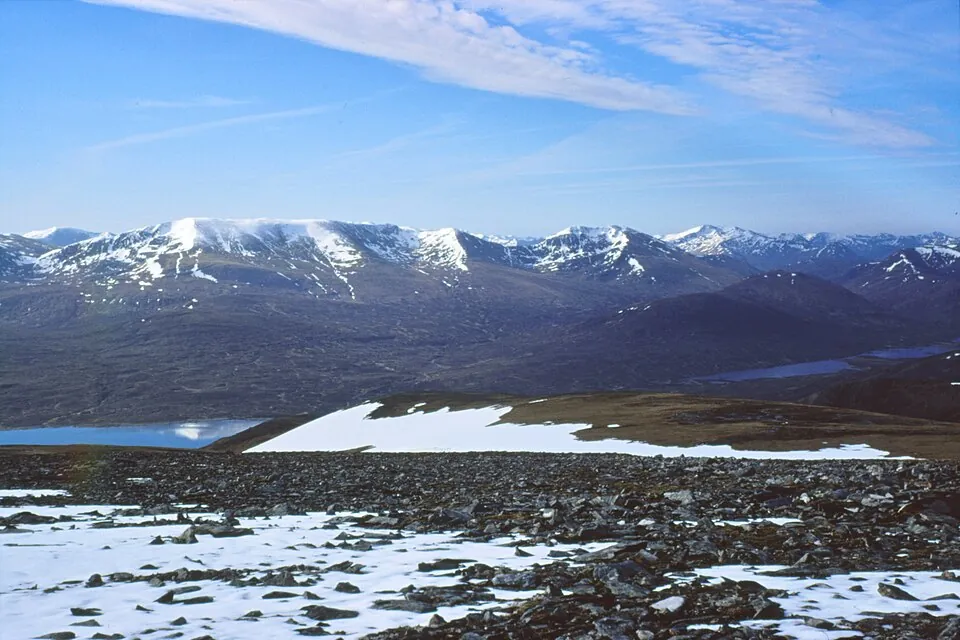
On clear days, the views are extensive across a wild landscape of remote peaks and glens, with few signs of human habitation visible, emphasising the sense of wilderness. The achievement of reaching Maoile Lunndaidh feels significant precisely because of the effort required to get there through challenging terrain. However, remember that the summit marks only the halfway point of your day, and you face the same long, boggy return journey.

Take time to rest and refuel on Maoile Lunndaidh, but don't linger too long if weather is threatening or daylight is becoming a concern.

Wildlife on Maoile Lunndaidh

The wet, boggy terrain approaching Maoile Lunndaidh creates distinctive habitat for specialised plants and wildlife. The…

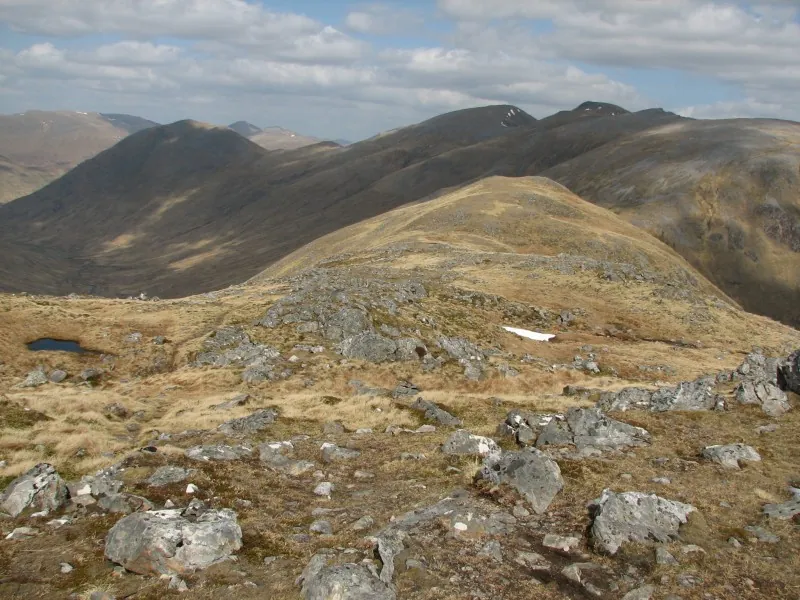
The wet, boggy terrain approaching Maoile Lunndaidh creates distinctive habitat for specialised plants and wildlife. The extensive bog systems support sphagnum mosses, cotton grass, and insectivorous plants like sundews and butterworts that thrive in the nutrient-poor, waterlogged conditions. Red deer are common throughout the area, and you're likely to spot them on the slopes of Maoile Lunndaidh, particularly in the corries.

Golden eagles hunt across these hills, and you may see one soaring above the ridges. The lower slopes support typical Highland vegetation with heather, bilberry, and crowberry, while higher elevations around Maoile Lunndaidh transition to montane heath with hardy grasses and sedges. In summer, meadow pipits and skylarks are abundant, their songs adding life to the bare landscape. Red grouse inhabit the heather moorland at lower elevations.

The wet areas are important breeding grounds for wading birds, including dunlin and golden plover. During summer months, dragonflies patrol the bogs and lochans, and you may encounter mountain hares, which turn white in winter on the higher slopes of Maoile Lunndaidh.
Maoile Lunndaidh Tips

The demanding and remote nature of Maoile Lunndaidh requires thorough preparation and mountain experience. Navigation…

The demanding and remote nature of Maoile Lunndaidh requires thorough preparation and mountain experience. Navigation skills are absolutely essential—the featureless, pathless terrain demands confident use of map, compass, and GPS, particularly in poor visibility which is common on Maoile Lunndaidh. The high bog level means waterproof boots and gaiters are essential equipment, and trekking poles are invaluable for maintaining stability through the wet sections.

Despite stream crossings where you can refill, carry plenty of water and sufficient food for 9 to 11 hours of sustained effort. Mobile phone signal is essentially non-existent, so leave detailed plans with someone responsible. Pack full waterproofs, warm layers, and emergency shelter even in summer, as weather on Maoile Lunndaidh can deteriorate rapidly.

Start early to maximise daylight and allow for slower progress through the boggy terrain than you might expect from the map distance alone. This is not a mountain for novices—you should have experience of long, remote mountain days before attempting Maoile Lunndaidh. Physical fitness is crucial for the sustained effort required across energy-sapping terrain.

Frequently Asked Questions

Common questions about climbing Maoile Lunndaidh.

How tall is Maoile Lunndaidh?

Maoile Lunndaidh stands at 1,007 metres (3,304 feet), making it the 130th tallest of all 282 Munros in Scotland.

What does Maoile Lunndaidh mean in Gaelic?

The name Maoile Lunndaidh translates from Scottish Gaelic as “Bare Hill of the Wet Place”.

How long does it take to climb Maoile Lunndaidh?

Climbing Maoile Lunndaidh typically takes between 8.7 and 11.3 hours round trip. This varies with fitness, weather, and the route chosen.

Where do I park for Maoile Lunndaidh?

There is dedicated parking at the standard starting point for the main route up Maoile Lunndaidh, in the Loch Ness area. The exact car park location, map pin and arrival guidance are in the free Munros app.

How difficult is Maoile Lunndaidh to climb?

Maoile Lunndaidh is rated Hard (difficulty 4/5).

What is the best route up Maoile Lunndaidh?

The most popular route up Maoile Lunndaidh covers 26.7km, 8.7–11.3 hours round trip.

Is Maoile Lunndaidh good for beginners?

Maoile Lunndaidh (difficulty 4/5 at 1,007m) is best suited to experienced hillwalkers in the Loch Ness area. Expect sustained steep terrain and the need for confident navigation in poor visibility.

What region is Maoile Lunndaidh in?

Maoile Lunndaidh is in the Loch Ness region of Scotland. Nearby Munros include An Riabhachan, An Socach (Affric), An Socach (Mullardoch).

Start your journey

Ready to bag
them all?

Track all 282 Munros, plan routes, and log every summit. Join 2,400+ hillwalkers already using Munros.app.

Download for iPhone Free on the App Store