Mullach na Dheiragain
“Summit of the Kestrel”
Mullach na Dheiragain is a 982m Munro in the Loch Ness region, its Gaelic name meaning “summit of the kestrel”. It stands 172nd of the 282 Munros by height. The usual ascent — An Socach and Mullach na Dheiragain from Loch Mullardoch — is a 20.9km round trip taking 7.6–9.9 hours, rated hard (4/5).
There is 1 route to the summit of Mullach na Dheiragain, covering 20.9km.
Your ascent of Mullach na Dheiragain is a serious undertaking that demands both physical stamina and mental fortitude.…
Your ascent of Mullach na Dheiragain is a serious undertaking that demands both physical stamina and mental fortitude. The route from Loch Mullardoch covers over 20 kilometres through remote and challenging terrain, often pathless underfoot. You'll navigate wet ground and tussocky moorland as you make your way towards this 982-metre summit, with the bog level rated at 3 out of 5.
The approach to Mullach na Dheiragain is typically combined with An Socach, making this a long day with difficulty rated at 4 out of 5. Expect gradual ascents punctuated by steeper sections as you gain height, with limited opportunities to escape if weather deteriorates. The remote nature of Mullach na Dheiragain means you'll need to be self-sufficient throughout, as this is wild hillwalking at its most committing. Allow between 7.6 and 9.
9 hours for the full circuit from Mullardoch Dam.
The best months for tackling Mullach na Dheiragain are late spring through early autumn, when daylight hours are longest…
The best months for tackling Mullach na Dheiragain are late spring through early autumn, when daylight hours are longest and the mountain's remote location becomes less intimidating. Summer offers up to 18 hours of daylight in June and July, crucial for a route of this length and complexity.
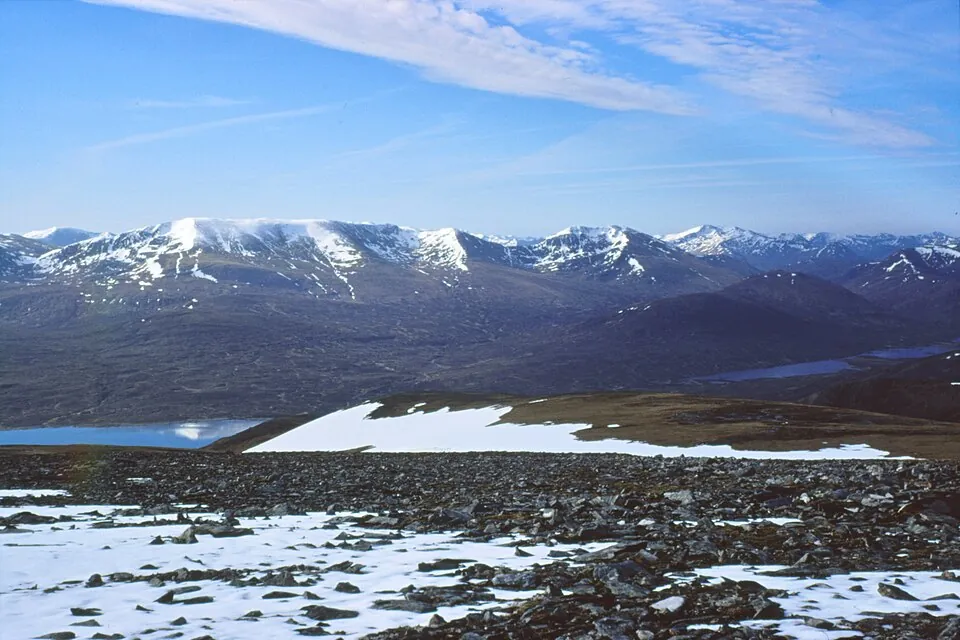
Winter ascents of Mullach na Dheiragain are extremely serious propositions, requiring full winter mountaineering skills and short daylight windows that make the 20-kilometre return a race against darkness. The Loch Ness region experiences considerable rainfall throughout the year, with the wettest months from October to January making the already boggy terrain even more challenging.
Visibility is critical on Mullach na Dheiragain due to the pathless nature of the navigation, so choose settled weather windows with good forecasts. Avoid this mountain in poor visibility or strong winds, as the remoteness leaves no margin for navigational error. Early starts are essential year-round to complete this demanding day safely.
You'll begin your journey to Mullach na Dheiragain at the car park near Mullardoch Dam, reached via a long single-track…
You'll begin your journey to Mullach na Dheiragain at the car park near Mullardoch Dam, reached via a long single-track road that heads west from Cannich in Glen Affric. The approach drive itself takes around 45 minutes from Cannich, winding through forestry and alongside Loch Mullardoch's southern shore. This access road is generally well-maintained but requires careful driving, particularly when meeting other vehicles on the narrow sections.
Parking at Mullardoch Dam is limited, so arrive early during peak season to secure a space. The location is remote, approximately 30 miles from Inverness, so ensure you have fuel and supplies before leaving civilisation. There are no facilities at the trailhead for Mullach na Dheiragain, and mobile phone signal is non-existent once you leave the main glen.
The nearest accommodation and services are in Cannich or further east in Drumnadrochit, making this a committing drive as well as a committing walk.
The summit of Mullach na Dheiragain sits at 982 metres, crowned by a modest cairn that marks your arrival at the top of…
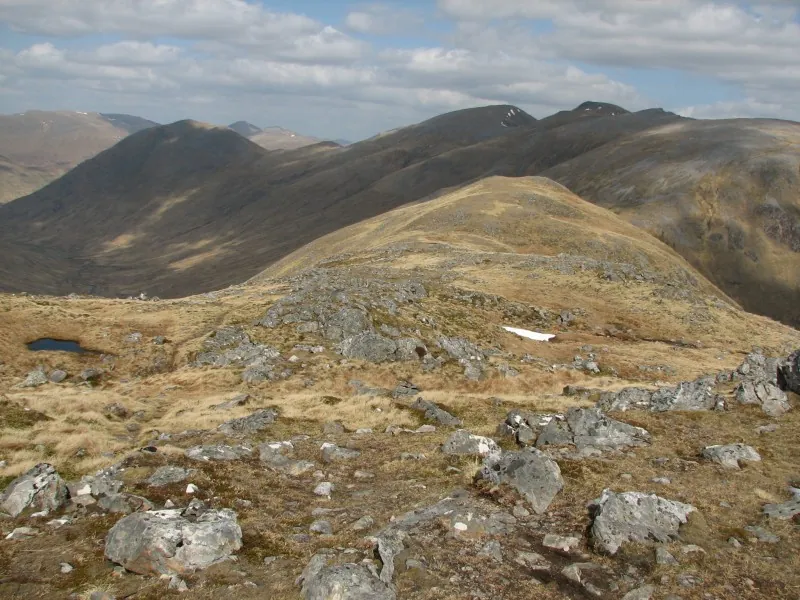
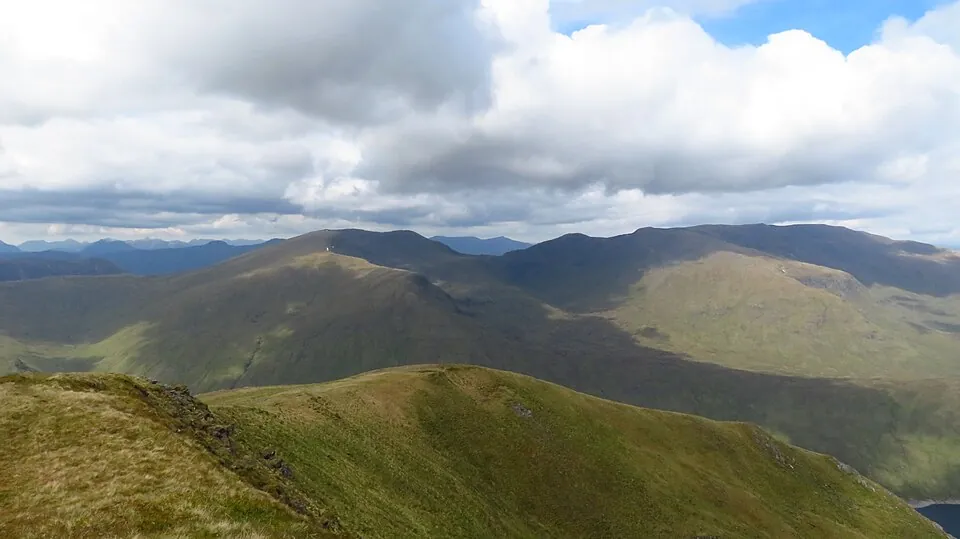
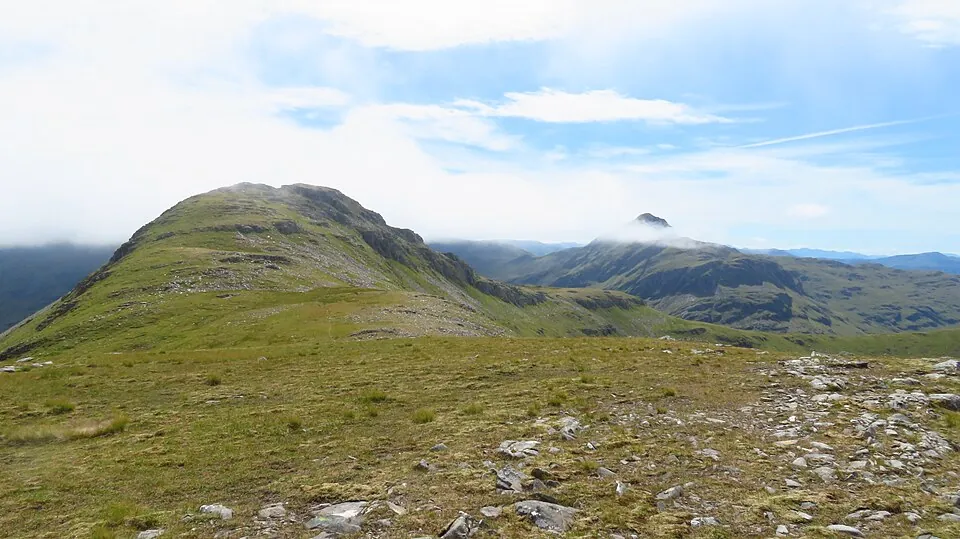
The summit of Mullach na Dheiragain sits at 982 metres, crowned by a modest cairn that marks your arrival at the top of the 'Summit of the Kestrel'. From this high point, you'll find yourself surrounded by some of Scotland's most remote mountain terrain, with views extending across the trackless wilderness to the north and west. The summit plateau of Mullach na Dheiragain is relatively broad and exposed, offering little natural shelter from the elements.
On clear days, the panorama is magnificent, though the lack of immediately recognisable peaks reminds you just how deep into the wilderness you've ventured. Wind is often a significant factor at the summit, funnelling across the open ridges and making this an inhospitable place to linger in poor conditions.
The cairn provides a psychological boost after the long approach, but you'll want to savour your achievement relatively briefly before beginning the equally long return journey. Take time to appreciate the wild character of Mullach na Dheiragain, but keep an eye on weather and time.
The environment around Mullach na Dheiragain represents some of Scotland's wildest and most pristine upland habitat.…
The environment around Mullach na Dheiragain represents some of Scotland's wildest and most pristine upland habitat. Your approach through the lower glens takes you past remnants of ancient Caledonian pine forest, where you might spot red deer grazing among scattered birch and rowan trees.
As you gain height towards Mullach na Dheiragain, the vegetation transitions to heather moorland and wet blanket bog, home to sphagnum mosses and cotton grass that contribute to the challenging underfoot conditions. The remote location makes this excellent territory for spotting golden eagles riding the thermals above the corries, while red grouse may burst from the heather at your feet.
At higher elevations approaching the summit, you'll encounter montane heath communities with crowberry, bilberry, and alpine lady's mantle clinging to the thin soils. Ptarmigan inhabit these highest reaches, their white winter plumage replaced by mottled brown in summer. The area around Mullach na Dheiragain receives high rainfall, supporting lush moss growth on rocks and creating the wetland conditions that characterise much of your route.
This is nature on a grand, uncompromising scale.
Preparation for Mullach na Dheiragain must be thorough, as this remote mountain offers no second chances. Excellent…
Preparation for Mullach na Dheiragain must be thorough, as this remote mountain offers no second chances. Excellent navigation skills are absolutely essential, with map and compass competency required for the pathless sections, particularly in poor visibility when the featureless terrain becomes genuinely challenging. Carry a GPS device as backup, with the route pre-loaded and spare batteries packed.
You'll need to be completely self-sufficient for water, food, and emergency shelter, as there's nowhere to bail out once committed to Mullach na Dheiragain. The lengthy approach means carrying sufficient water for the full day, or being prepared to filter from mountain streams. Mobile phone signal is absent throughout most of the route, so inform someone of your plans and expected return time.
The combination of distance, difficult terrain, and remoteness on Mullach na Dheiragain makes this unsuitable for inexperienced hillwalkers. Start early to maximise daylight, and don't hesitate to turn back if conditions deteriorate. The mountain will always be there for another day.
Explore more peaks near Loch Ness.
Common questions about climbing Mullach na Dheiragain.
Mullach na Dheiragain stands at 982 metres (3,222 feet), making it the 172nd tallest of all 282 Munros in Scotland.
The name Mullach na Dheiragain translates from Scottish Gaelic as “Summit of the Kestrel”.
Climbing Mullach na Dheiragain typically takes between 7.6 and 9.9 hours round trip. This varies with fitness, weather, and the route chosen.
There is dedicated parking at the standard starting point for the main route up Mullach na Dheiragain, in the Loch Ness area. The exact car park location, map pin and arrival guidance are in the free Munros app.
Mullach na Dheiragain is rated Hard (difficulty 4/5).
The most popular route up Mullach na Dheiragain covers 20.9km, 7.6–9.9 hours round trip.
Mullach na Dheiragain (difficulty 4/5 at 982m) is best suited to experienced hillwalkers in the Loch Ness area. Expect sustained steep terrain and the need for confident navigation in poor visibility.
Mullach na Dheiragain is in the Loch Ness region of Scotland. Nearby Munros include An Riabhachan, An Socach (Affric), An Socach (Mullardoch).
Step-by-step directions, GPS navigation, exact parking and offline maps for Mullach na Dheiragain — free in the Munros app.
Free — Download on theApp StoreTrack all 282 Munros, plan routes, and log every summit. Join 2,400+ hillwalkers already using Munros.app.