Home Features Explore Munros Munro Map Reviews Get the App

Sgùrr Mòr (Loch Cuaich)

1,003m Loch Ness

“Big Peak”

1,003mHeight
19.2kmRound trip
6.7–8.7hWalk time
HardDifficulty 4/5
Community
conditions
No reports yet — be the first to log this Munro
Log a climb
Track this summit
Overview

About this Munro

Sgùrr Mòr (Loch Cuaich) is a 1,003m Munro in the Loch Ness region, its Gaelic name meaning “big peak”. It stands 137th of the 282 Munros by height. The usual ascent — Sgùrr Mòr (Loch Cuaich) from Loch Quoich — is a 19.2km round trip taking 6.7–8.7 hours, rated hard (4/5).

Height rank137th of 282
RegionLoch Ness
Coordinates57.0287°N 5.3530°W
OS Grid RefNM 966 980
GPS routes in the appSummit location — full route lines, parking pins & offline maps in the free app.
Plan your day

Routes & Navigation

There is 1 route to the summit of Sgùrr Mòr (Loch Cuaich), covering 19.2km.

Route preview

Sgùrr Mòr (Loch Cuaich) from Loch Quoich

Hard
6.7–8.7h round trip19.2km distance↑802m ascent
Bog ratingModerate
ParkingLoch Quoich
Step-by-step guideIn the app

Climbing Sgùrr Mòr (Loch Cuaich)

Sgùrr Mòr in the remote country south of Loch Quoich presents a demanding expedition across pathless, boggy terrain. The…

Sgùrr Mòr in the remote country south of Loch Quoich presents a demanding expedition across pathless, boggy terrain. The ascent from Loch Quoich covers a substantial 19.2km with a difficulty rating of 4/5, reflecting the route's length and complex navigation requirements. Unlike its Torridon namesake, this Sgùrr Mòr requires 6.7 to 8.7 hours of sustained effort through terrain that can be both physically and mentally taxing.

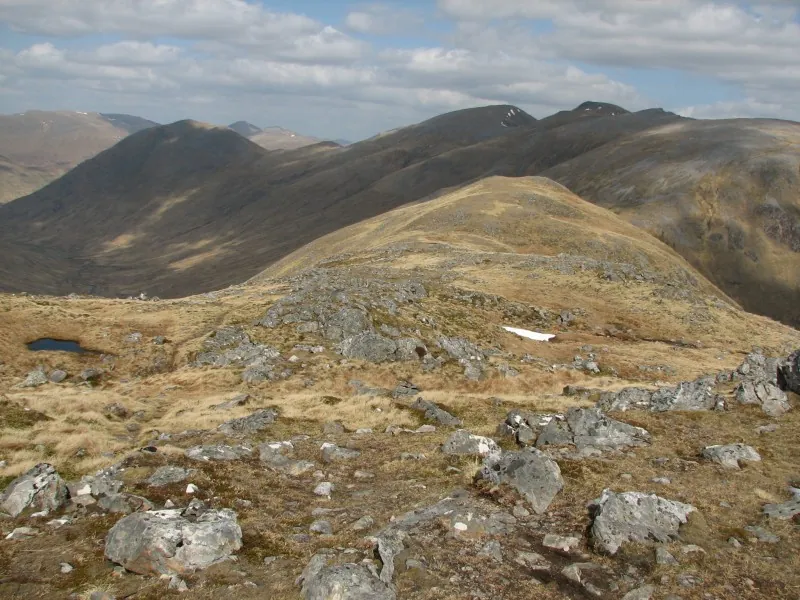
The approach involves crossing rough, tussocky ground with a bog level of 3/5, meaning you'll frequently encounter wet, squelchy sections that slow progress. Much of the route is pathless, demanding confident navigation skills and the ability to choose your line across open hillside. Weather and visibility are critical factors here, as featureless slopes can become disorienting in mist.

The climb to Sgùrr Mòr's 1003m summit is relentless rather than technically difficult, but the remoteness and commitment level make this a serious undertaking suitable only for experienced hillwalkers.

Best Time to Climb Sgùrr Mòr (Loch Cuaich)

The optimal window for climbing Sgùrr Mòr extends from May through September when daylight hours are sufficient for the…

The optimal window for climbing Sgùrr Mòr extends from May through September when daylight hours are sufficient for the long approach and return. Given the 6.7 to 8.7 hour time estimate, you'll need the extended summer days to complete the route safely, with enough margin for navigation errors or slower-than-expected progress. The Loch Ness region experiences typical Highland weather patterns, with frequent rainfall and rapidly changing conditions throughout the year.

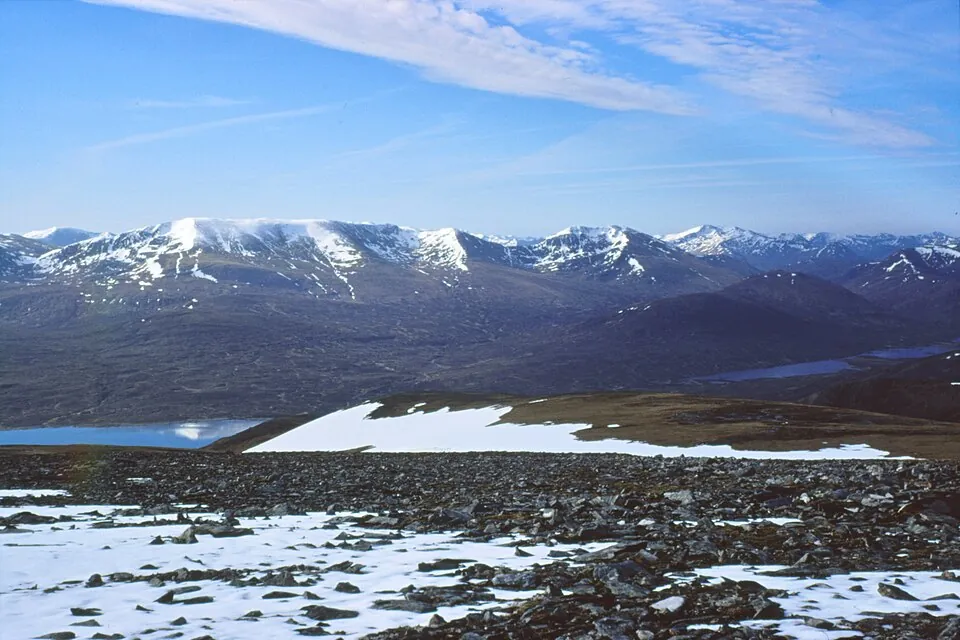
Weather and visibility can significantly affect your experience on Sgùrr Mòr, particularly given the pathless nature of the terrain. Winter adds serious complications, with shorter days, snow cover obscuring the already vague paths, and the risk of avalanche in steeper sections. Spring comes late to these 1003m heights, often with lingering snow patches into May.

Autumn can provide crisp, clear conditions with excellent visibility, though October onwards sees dramatically reduced daylight. The boggy terrain (3/5 rating) is wettest after prolonged rain, so several dry days beforehand will improve underfoot conditions considerably.

Getting to Sgùrr Mòr (Loch Cuaich)

Access to Sgùrr Mòr begins at Loch Quoich, reached via a spectacular but challenging drive into one of Scotland's…

Access to Sgùrr Mòr begins at Loch Quoich, reached via a spectacular but challenging drive into one of Scotland's remoter glens. From the A87 at Invergarry, head west on the minor road through Glen Garry, following signs toward Kinloch Hourn. The single-track road winds for approximately 25km through increasingly wild country before reaching Loch Quoich's northern shore.

The road quality deteriorates as you progress west, with some rough sections and numerous passing places requiring careful attention. Parking at Loch Quoich itself is limited and informal, typically using wide spots along the roadside near the dam. The drive from Inverness takes around 90 minutes, while Fort William lies roughly an hour southeast.

Mobile phone signal disappears well before reaching Loch Quoich, so ensure you have downloaded maps and notified someone of your plans. This is genuinely remote country, where self-sufficiency and careful preparation are essential before attempting Sgùrr Mòr.

Sgùrr Mòr (Loch Cuaich) Summit

The summit of Sgùrr Mòr at 1003m sits as a rounded, grassy dome offering limited definition but expansive views across…

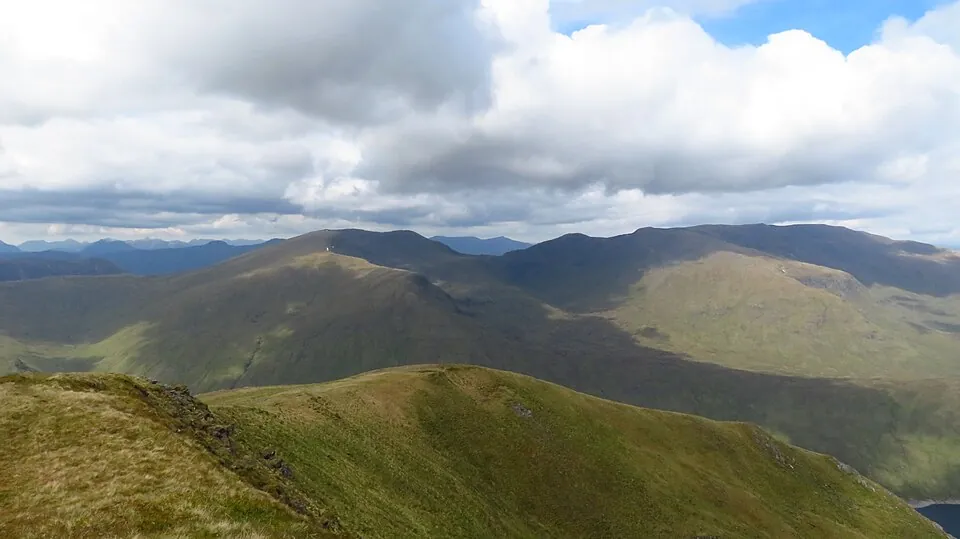
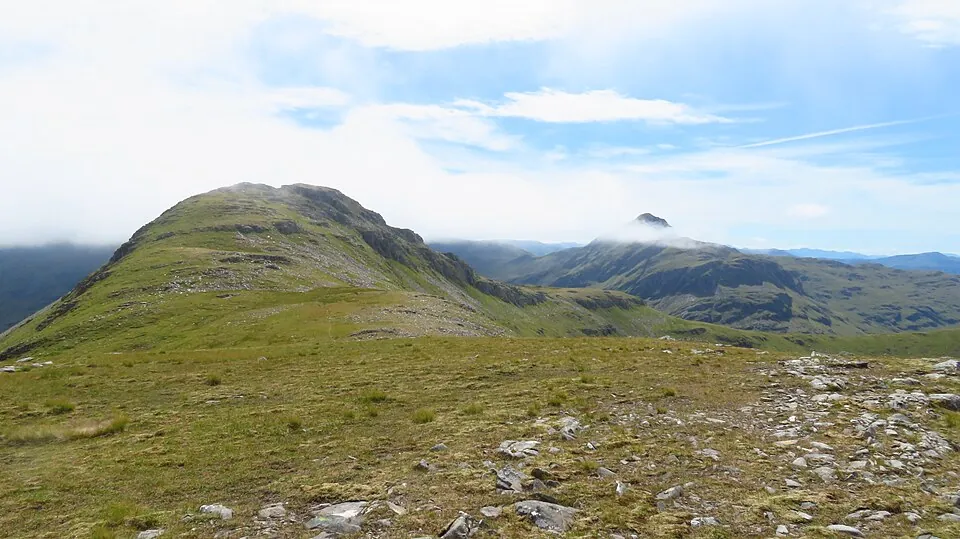
The summit of Sgùrr Mòr at 1003m sits as a rounded, grassy dome offering limited definition but expansive views across the wild country between Loch Quoich and Glen Shiel. On clear days, you'll enjoy panoramas encompassing the South Glen Shiel Ridge to the northwest, the Knoydart peaks to the west, and the vast, empty hills rolling eastward toward the Great Glen.

The summit itself provides minimal shelter, being essentially an exposed high point on an extensive plateau, so strong winds can make lingering uncomfortable. Weather and visibility dramatically affect the summit experience on Sgùrr Mòr, with mist transforming the featureless top into a navigation challenge. The cairn marking the highest point offers a satisfying goal after the long approach across boggy terrain.

To the south and west, you'll appreciate the truly remote character of this region, with virtually no signs of human habitation visible across the wilderness. The summit of Sgùrr Mòr rewards those who make the effort with a profound sense of solitude and wild mountain atmosphere.

Wildlife on Sgùrr Mòr (Loch Cuaich)

Sgùrr Mòr's vegetation reflects its location in wetter western Highlands terrain, with extensive areas of blanket bog…

Sgùrr Mòr's vegetation reflects its location in wetter western Highlands terrain, with extensive areas of blanket bog and wet heath dominating the lower and middle slopes. The bog level of 3/5 means you'll traverse substantial sections of sphagnum moss, cotton grass, and sedge communities that create challenging but ecologically rich walking.

As you ascend Sgùrr Mòr toward the 1003m summit, the vegetation transitions to montane grassland and heath, with mat-grass, sheep's fescue, and dwarf shrubs clinging to the exposed slopes. Red deer frequent these hills year-round, with stags often using the higher ground in summer. Golden eagles hunt across this remote landscape, while meadow pipits and wheatears are common smaller birds on the open hillsides.

The wetter conditions support abundant mosses and liverworts, particularly in flushes and beside burns. In late summer, the heather lower on Sgùrr Mòr's flanks blooms purple, while the higher slopes retain a more subdued palette of browns and greens suited to the harsher montane environment.

Sgùrr Mòr (Loch Cuaich) Tips

Attempting Sgùrr Mòr requires serious remote hillwalking skills and comprehensive preparation. The 4/5 difficulty rating…

Attempting Sgùrr Mòr requires serious remote hillwalking skills and comprehensive preparation. The 4/5 difficulty rating and 3/5 bog level demand waterproof boots, gaiters, and full weatherproof clothing, as wet feet are almost guaranteed. Navigation skills are critical, as much of the route is pathless and the terrain offers few distinct features, making Sgùrr Mòr particularly challenging in poor visibility.

Carry map, compass, and GPS with spare batteries, and know how to use them competently. The long distance (19.2km) and estimated time (6.7-8.7 hours) mean you must start early and carry sufficient food, water, and emergency supplies. Mobile phone signal is non-existent throughout, so leave detailed route plans with someone responsible. Weather and visibility can change rapidly, so monitor forecasts carefully and be prepared to abandon the attempt if conditions deteriorate.

The remoteness of Sgùrr Mòr means rescue would be slow and difficult, so conservative decision-making is essential. Consider walking poles to aid balance across boggy sections and reduce knee strain on the descent.
Frequently Asked Questions

Common questions about climbing Sgùrr Mòr (Loch Cuaich).

How tall is Sgùrr Mòr (Loch Cuaich)?

Sgùrr Mòr (Loch Cuaich) stands at 1,003 metres (3,291 feet), making it the 137th tallest of all 282 Munros in Scotland.

What does Sgùrr Mòr (Loch Cuaich) mean in Gaelic?

The name Sgùrr Mòr (Loch Cuaich) translates from Scottish Gaelic as “Big Peak”.

How long does it take to climb Sgùrr Mòr (Loch Cuaich)?

Climbing Sgùrr Mòr (Loch Cuaich) typically takes between 6.7 and 8.7 hours round trip. This varies with fitness, weather, and the route chosen.

Where do I park for Sgùrr Mòr (Loch Cuaich)?

There is dedicated parking at the standard starting point for the main route up Sgùrr Mòr (Loch Cuaich), in the Loch Ness area. The exact car park location, map pin and arrival guidance are in the free Munros app.

How difficult is Sgùrr Mòr (Loch Cuaich) to climb?

Sgùrr Mòr (Loch Cuaich) is rated Hard (difficulty 4/5).

What is the best route up Sgùrr Mòr (Loch Cuaich)?

The most popular route up Sgùrr Mòr (Loch Cuaich) covers 19.2km, 6.7–8.7 hours round trip.

Is Sgùrr Mòr (Loch Cuaich) good for beginners?

Sgùrr Mòr (Loch Cuaich) (difficulty 4/5 at 1,003m) is best suited to experienced hillwalkers in the Loch Ness area. Expect sustained steep terrain and the need for confident navigation in poor visibility.

What region is Sgùrr Mòr (Loch Cuaich) in?

Sgùrr Mòr (Loch Cuaich) is in the Loch Ness region of Scotland. Nearby Munros include An Riabhachan, An Socach (Affric), An Socach (Mullardoch).

Start your journey

Ready to bag
them all?

Track all 282 Munros, plan routes, and log every summit. Join 2,400+ hillwalkers already using Munros.app.

Download for iPhone Free on the App Store