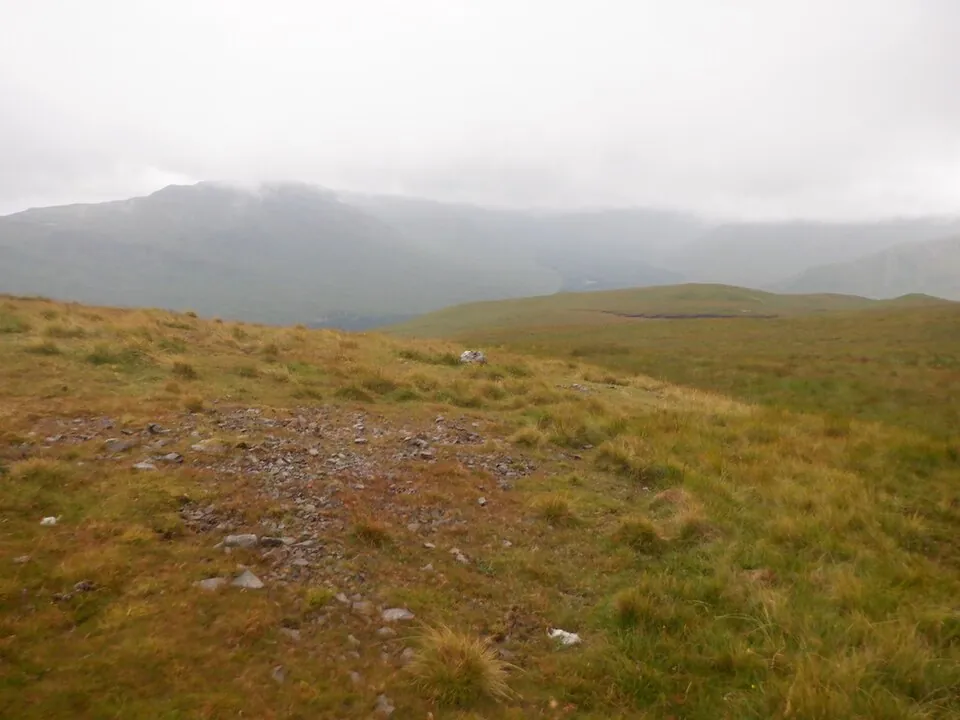
Stob Daimh
“Peak of the Stag”
“Peak of the Stag”
Stob Daimh is a 998m Munro in the Argyll region, its Gaelic name meaning “peak of the stag”. It stands 148th of the 282 Munros by height. The usual ascent — Ben Cruachan and Stob Daimh from Falls of Cruachan — is a 18.5km round trip taking 5.7–7.4 hours, rated hard (4/5).
There is 1 route to the summit of Stob Daimh, covering 18.5km.
Stob Daimh rises to 998 metres as part of the impressive Ben Cruachan range in Argyll. The route from Falls of Cruachan…
Stob Daimh rises to 998 metres as part of the impressive Ben Cruachan range in Argyll. The route from Falls of Cruachan covers 18.5 kilometres, combining Stob Daimh with its higher neighbour Ben Cruachan in a demanding circuit. The difficulty rating of 4 out of 5 reflects genuinely challenging terrain with long distances and complex navigation.
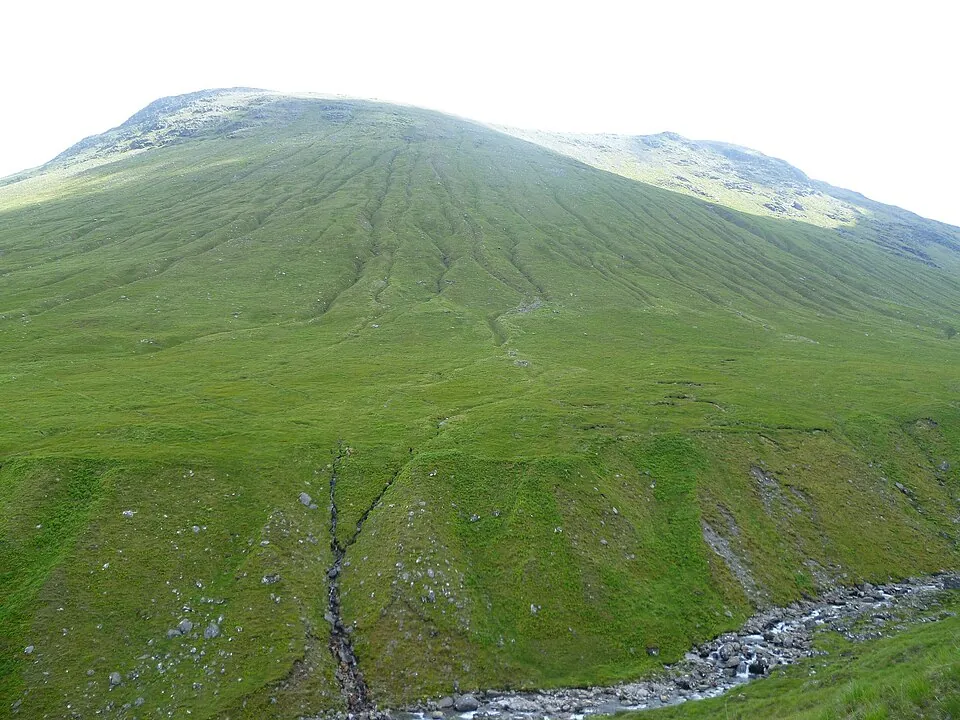
You will encounter varied ground conditions, with a bog level of 3 out of 5 indicating significant wet sections particularly in the approach stages. The terrain ranges from moorland through rocky slopes to exposed ridges requiring concentration and sure-footedness. Path quality varies considerably, from reasonable tracks in lower sections to faint traces across the higher ground. Stob Daimh involves sustained climbing with steep gradients that test fitness and determination.
The ascent time of 5.7 to 7.4 hours represents a full mountain day requiring commitment and stamina. The mountain sits in a spectacular position overlooking Loch Awe, with dramatic corries and ridges creating outstanding mountain scenery. Stob Daimh rewards those who tackle it with a sense of achievement and magnificent views across Argyll and beyond.
The Argyll region experiences high rainfall throughout the year, making weather selection crucial for Stob Daimh. Summer…
The Argyll region experiences high rainfall throughout the year, making weather selection crucial for Stob Daimh. Summer months from May through September provide the longest daylight and most reliable conditions for completing the 5.7 to 7.4 hour circuit safely. The 3 out of 5 bog level rating means wet ground is a significant factor, with conditions generally best during dry spells in late spring and summer.
Early starts are recommended to ensure completion in daylight, particularly important given the length and difficulty of the route. Weather and visibility can change rapidly at this altitude, and Stob Daimh can be shrouded in cloud while lower elevations remain clear. Spring may bring lingering snow that adds beauty but increases technical difficulty on the higher slopes.
Autumn offers spectacular colours across the hillsides but increasingly unpredictable weather and shortening days. Winter ascents of Stob Daimh are serious undertakings requiring winter mountaineering equipment and skills. Strong winds are common on the exposed ridges and summit areas, particularly during autumn and winter months.
Check detailed mountain weather forecasts before setting out for Stob Daimh, and be prepared to modify plans if conditions deteriorate around this exposed peak.
Falls of Cruachan Layby on the A85 provides the starting point for the route to Stob Daimh. This parking area is located…
Falls of Cruachan Layby on the A85 provides the starting point for the route to Stob Daimh. This parking area is located between Taynuilt and Tyndrum, easily accessible along the main road skirting Loch Awe. The layby can accommodate several vehicles but fills during peak season and good weather, so arrive early to secure a space. Facilities are minimal with no toilets or water, so come prepared with everything needed for your day on Stob Daimh.
The A85 is well maintained year-round, though winter conditions can occasionally affect access. Taynuilt to the west offers shops and amenities for last-minute supplies, while Dalmally to the east provides similar facilities. Public transport serves the A85 corridor with bus routes connecting major settlements, though most hillwalkers prefer private vehicles for flexibility.
The layby sits at low altitude beside Loch Awe, meaning you face significant height gain to reach Stob Daimh at 998 metres. The approach begins gently but steepens considerably as you climb into the Ben Cruachan range. Check for any access restrictions or pathway changes before setting out for Stob Daimh, and ensure parking does not obstruct the layby or road.
The summit of Stob Daimh stands at 998 metres, providing spectacular views across Argyll and the surrounding landscape.…
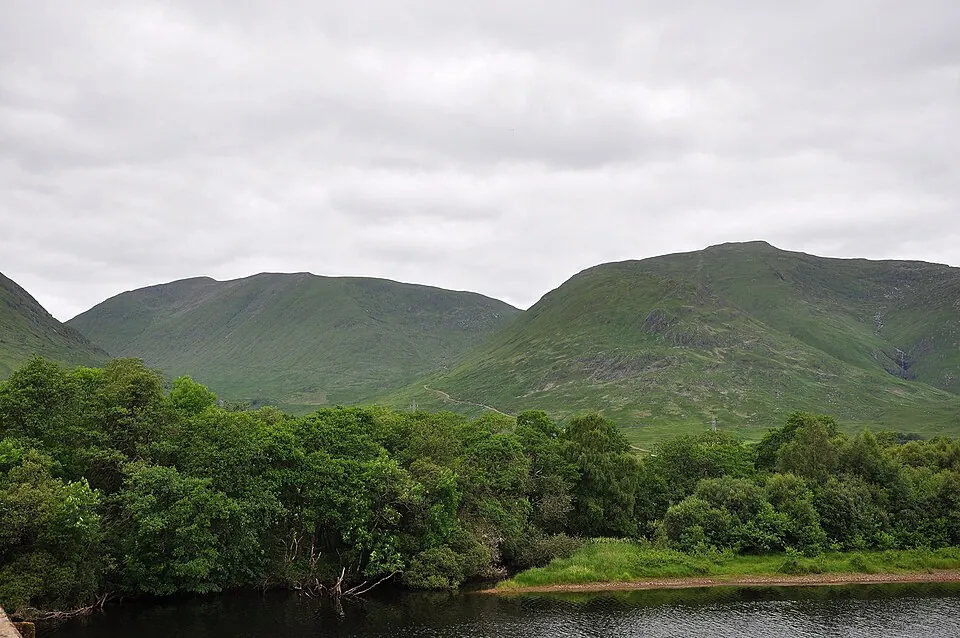
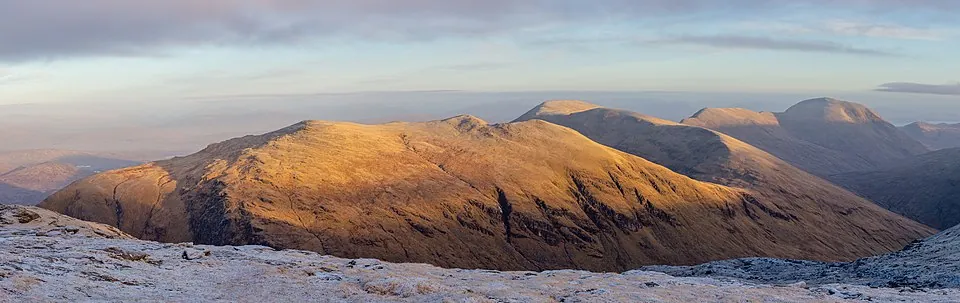
The summit of Stob Daimh stands at 998 metres, providing spectacular views across Argyll and the surrounding landscape. On clear days, the panorama extends across Loch Awe far below, with islands dotting the water and hills stretching to distant horizons. The summit area is rocky and exposed, offering limited natural shelter from wind or weather. Stob Daimh sits in a commanding position overlooking the loch and providing excellent views toward the higher peak of Ben Cruachan.
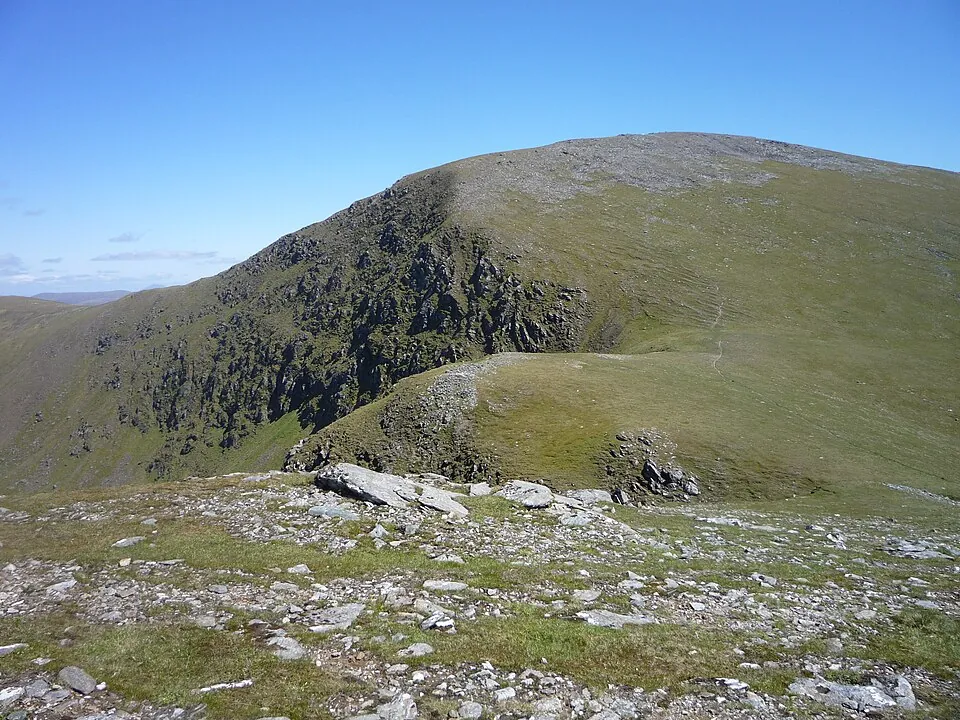
The cairn marks the highest point, and the sense of elevation and exposure is pronounced. Views extend west toward the coast and east into the Central Highlands, with countless peaks visible on stable days. Weather and visibility dramatically affect the summit experience, with mist common at this altitude reducing views to very little. The rocky terrain requires careful footing, particularly in wind or when surfaces are wet and slippery.
Summit conditions on Stob Daimh can be significantly harsher than those experienced during the approach, with wind exposure particularly notable. Take time to appreciate your achievement and the outstanding views, but remain alert to changing weather and the onward journey to Ben Cruachan or the descent.
The slopes of Stob Daimh support diverse plant and animal life adapted to the Argyll climate and altitude. Red deer are…
The slopes of Stob Daimh support diverse plant and animal life adapted to the Argyll climate and altitude. Red deer are common throughout this region, often seen grazing on lower slopes or moving between feeding areas. The boggy sections in the approach support wetland plants including sphagnum mosses, cotton grass, and insectivorous sundews. As you climb toward Stob Daimh, vegetation transitions to heather moorland that blooms purple in late summer against the grey rocks.
The higher slopes host hardy alpine plants adapted to thin soils and harsh exposure. Ravens are frequently seen and heard around Stob Daimh, their acrobatic flight and calls adding character to the mountain environment. Golden eagles hunt across this territory, and patient observers may spot these magnificent birds soaring on thermals. In spring and summer, meadow pipits and wheatears are common, nesting among rocks and filling the air with song.
The summit areas of Stob Daimh support alpine mosses, lichens, and cushion plants that colonise the rocky terrain. Ptarmigan may be present on the highest ground, though their excellent camouflage makes sightings challenging. The variety of habitats from lochside to summit makes Stob Daimh rewarding for wildlife enthusiasts willing to observe carefully.
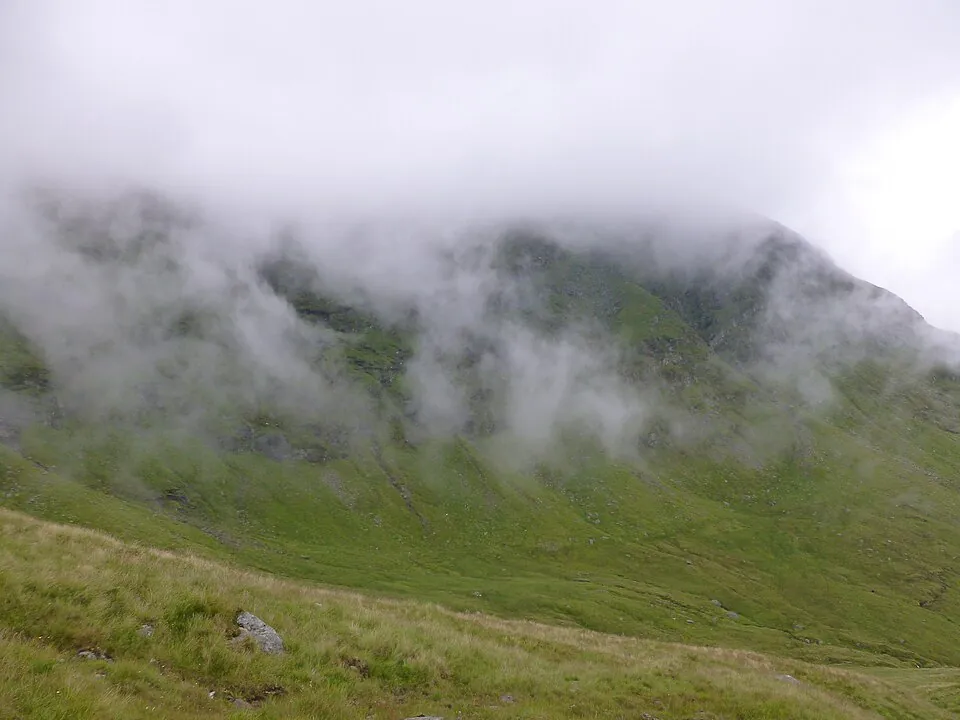
Stob Daimh demands thorough preparation given its 4 out of 5 difficulty rating and demanding terrain. The 18.5 kilometre…
Stob Daimh demands thorough preparation given its 4 out of 5 difficulty rating and demanding terrain. The 18.5 kilometre route with significant ascent requires excellent fitness and mountain experience. Waterproof boots with good ankle support are essential given the 3 out of 5 bog level, and gaiters will improve comfort significantly. Carry adequate food and water for the full 5.7 to 7.4 hour duration, as there are no facilities once you leave Falls of Cruachan.
Weather at 998 metres can differ dramatically from conditions beside Loch Awe, so pack comprehensive mountain clothing including waterproofs, warm layers, and wind protection. Navigation skills are essential for Stob Daimh, particularly in poor visibility where the complex terrain can be confusing. Start early to ensure completion in daylight, important given the length and commitment of the route.
Mobile phone signal is unreliable at altitude, so leave detailed plans with a responsible person. The exposed nature of the ridges means strong winds can affect the route even when lower elevations seem calm. Winter ascents of Stob Daimh require ice axe, crampons, and winter mountaineering skills. The mountain rewards careful planning and respect for the challenging environment with an outstanding hillwalking experience in the heart of the Argyll mountains.
Explore more peaks near Argyll.
Common questions about climbing Stob Daimh.
Stob Daimh stands at 998 metres (3,274 feet), making it the 148th tallest of all 282 Munros in Scotland.
The name Stob Daimh translates from Scottish Gaelic as “Peak of the Stag”.
Climbing Stob Daimh typically takes between 5.7 and 7.4 hours round trip. This varies with fitness, weather, and the route chosen.
There is dedicated parking at the standard starting point for the main route up Stob Daimh, in the Argyll area. The exact car park location, map pin and arrival guidance are in the free Munros app.
Stob Daimh is rated Hard (difficulty 4/5).
The most popular route up Stob Daimh covers 18.5km, 5.7–7.4 hours round trip.
Stob Daimh (difficulty 4/5 at 998m) is best suited to experienced hillwalkers in the Argyll area. Expect sustained steep terrain and the need for confident navigation in poor visibility.
Stob Daimh is in the Argyll region of Scotland. Nearby Munros include Beinn a' Chlèibh, Beinn a' Chochuill, Beinn a' Chreachain.
Step-by-step directions, GPS navigation, exact parking and offline maps for Stob Daimh — free in the Munros app.
Free — Download on theApp StoreTrack all 282 Munros, plan routes, and log every summit. Join 2,400+ hillwalkers already using Munros.app.