Home Features Explore Munros Munro Map Reviews Get the App

A' Chralaig

1,120m Kintail

“The Creel/Basket”

1,120mHeight
24kmRound trip
6.3–8.2hWalk time
HardDifficulty 4/5
Community
conditions
No reports yet — be the first to log this Munro
Log a climb
Track this summit
Photo: GeographBot · CC BY-SA 2.0
Overview

About this Munro

A' Chralaig is a 1,120m Munro in the Kintail region, its Gaelic name meaning “the creel/basket”. It stands 34th of the 282 Munros by height. The usual ascent — A' Chralaig and Mullach Fraoch-choire from Cluanie — is a 24km round trip taking 6.3–8.2 hours, rated hard (4/5).

Height rank34th of 282
RegionKintail
Coordinates57.1844°N 5.1536°W
OS Grid RefNH 095 148
GPS routes in the appSummit location — full route lines, parking pins & offline maps in the free app.
Plan your day

Routes & Navigation

There is 1 route to the summit of A' Chralaig, covering 24km.

Route preview

A' Chralaig and Mullach Fraoch-choire from Cluanie

Hard
6.3–8.2h round trip24km distance↑896m ascent
Bog ratingModerate
ParkingCluanie Layby
Step-by-step guideIn the app

Climbing A' Chralaig

The ascent of A' Chralaig from Cluanie Layby tackles one of the higher Munros at 1120m, with the route covering 24km…

The ascent of A' Chralaig from Cluanie Layby tackles one of the higher Munros at 1120m, with the route covering 24km alongside Mullach Fraoch-choire over an estimated 6.3-8.2 hours. You'll face a difficulty rating of 4/5, reflecting steep climbing sections and the overall physical demands of gaining substantial height. The initial approach follows good stalkers' paths before steeper ground leads you toward the ridge.

The terrain on A' Chralaig transitions from heather moorland through increasingly rocky slopes to the summit ridge. A bog level of 3/5 indicates wet patches in places, particularly on the approach, though the well-drained slopes mean conditions improve as you gain height. The climbing involves sustained ascent with gradient changes that demand steady pacing, and you'll need good scrambling confidence for some sections of the upper mountain.

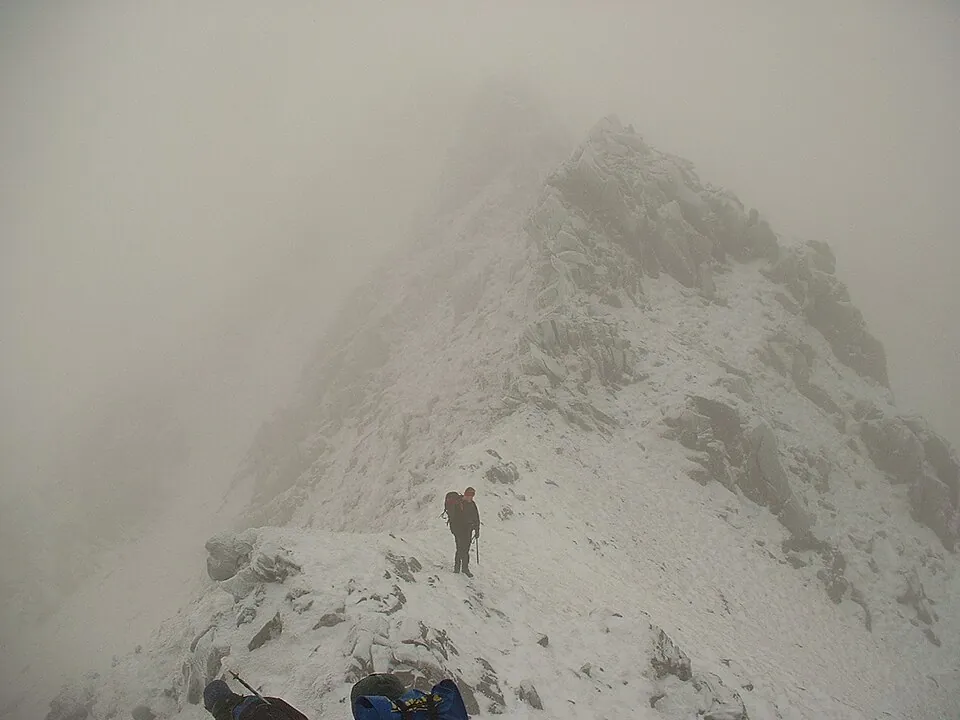
Navigation requires care on the complex ridges, especially when cloud descends across A' Chralaig's upper reaches.

Best Time to Climb A' Chralaig

A' Chralaig is best attempted between May and September when you'll benefit from long daylight hours necessary for the…

A' Chralaig is best attempted between May and September when you'll benefit from long daylight hours necessary for the 6.3-8.2 hour expedition covering 24km. The Kintail region experiences high rainfall typical of Scotland's west coast, with Atlantic weather systems bringing frequent wet spells and rapidly-changing conditions throughout the year. You should monitor forecasts carefully and be prepared for rain even during summer months.

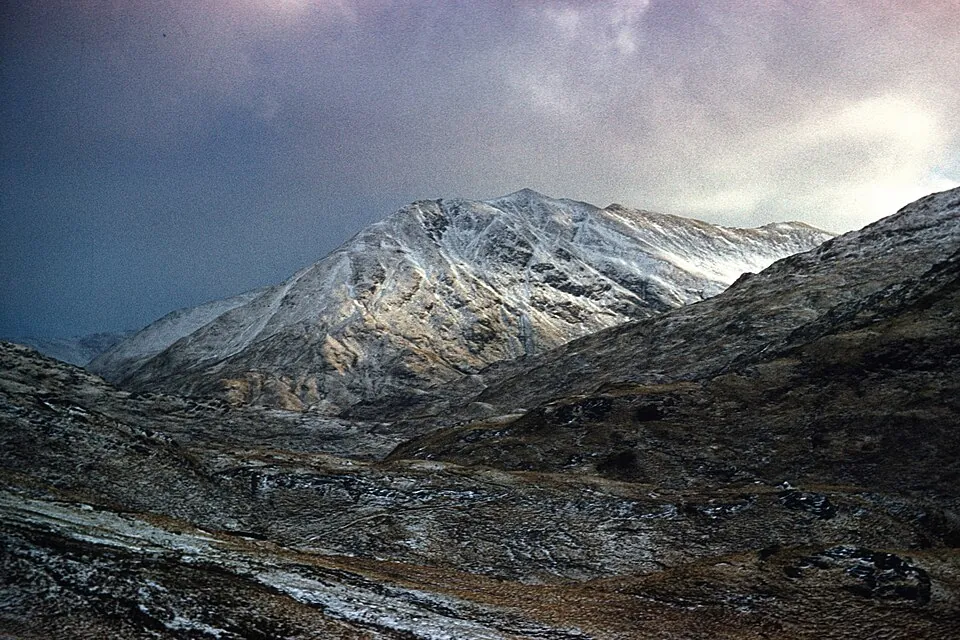
Winter climbing on A' Chralaig presents serious mountaineering challenges, with ice, snow, and potential avalanche danger making it suitable only for experienced winter climbers equipped with ice axe and crampons. The mountain's height of 1120m means snow can linger well into spring on north-facing aspects. Summer offers the most stable weather windows, though the west coast location means you should never assume dry conditions.

Early starts help you maximise morning clarity before afternoon cloud commonly builds around A' Chralaig's summit.

Getting to A' Chralaig

You'll begin your climb of A' Chralaig from Cluanie Layby, situated on the A87 road between Glen Shiel and Loch Cluanie.…

You'll begin your climb of A' Chralaig from Cluanie Layby, situated on the A87 road between Glen Shiel and Loch Cluanie. This major route to Skye means access is straightforward year-round, with the layby offering parking for several vehicles on the north side of the road. The location is approximately 30 minutes west of Invergarry or 45 minutes east of the Skye Bridge, making it accessible from Inverness or Fort William in around 90 minutes.

The A87 is well-maintained as a primary route, though winter conditions can bring snow and ice to this high pass. Parking at the layby is informal, so arrive early during peak summer weekends to secure space. No facilities exist at the trailhead, and you should be self-sufficient in all respects. Mobile phone coverage is variable, with signal possible near the road but weakening as you climb toward A' Chralaig.

The straightforward access belies the serious nature of the mountain day ahead.

A' Chralaig Summit

The summit of A' Chralaig reaches 1120m, placing it among the higher Munros and providing commanding views across the…

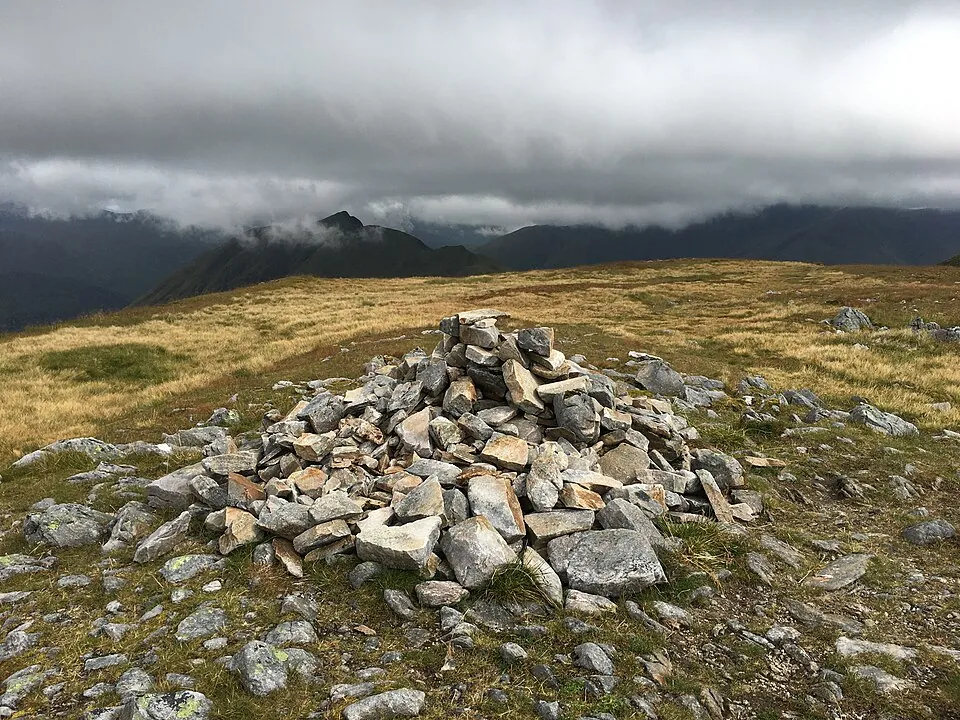
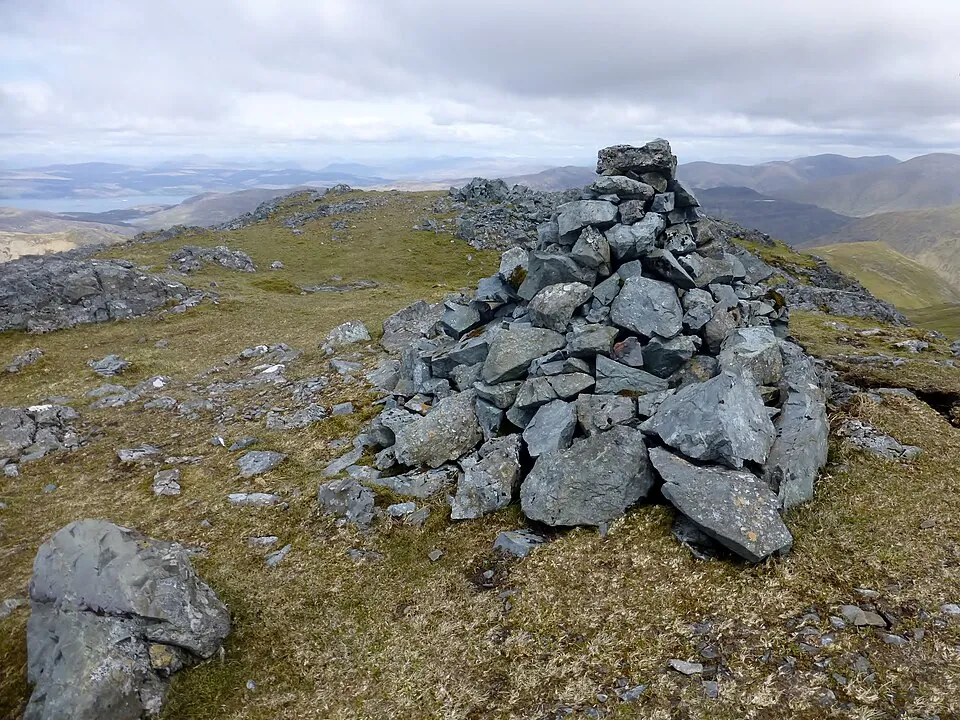
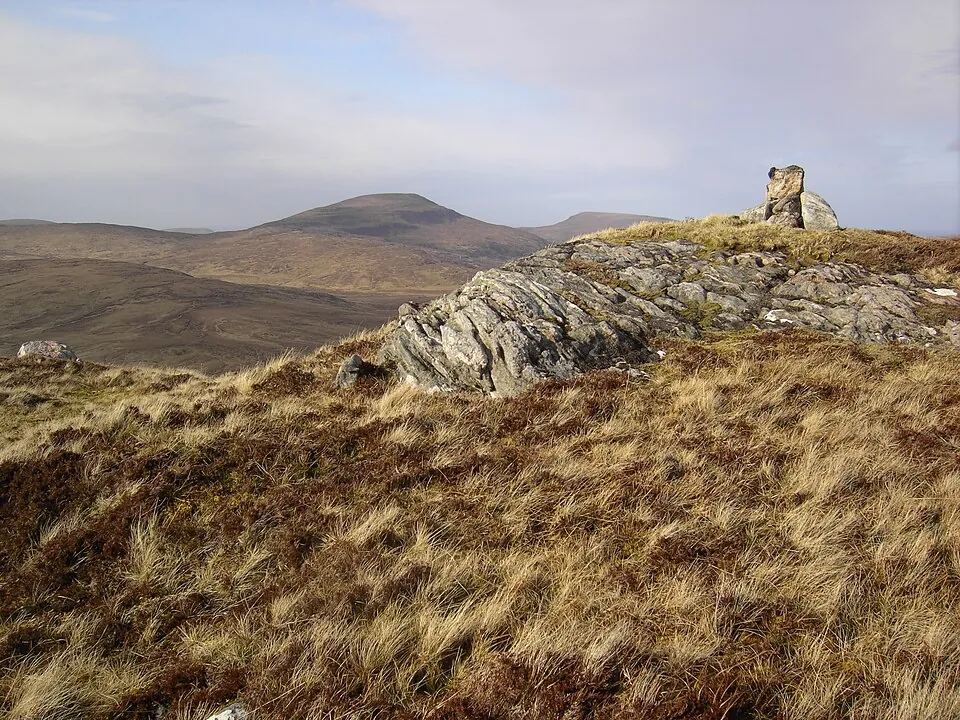
The summit of A' Chralaig reaches 1120m, placing it among the higher Munros and providing commanding views across the Kintail region when cloud permits. You'll find a substantial cairn marking the top, positioned on a rocky platform that offers more secure footing than the grassy slopes traversed during the ascent. The summit has a genuine mountain character, with exposure on several sides demanding care in high winds.

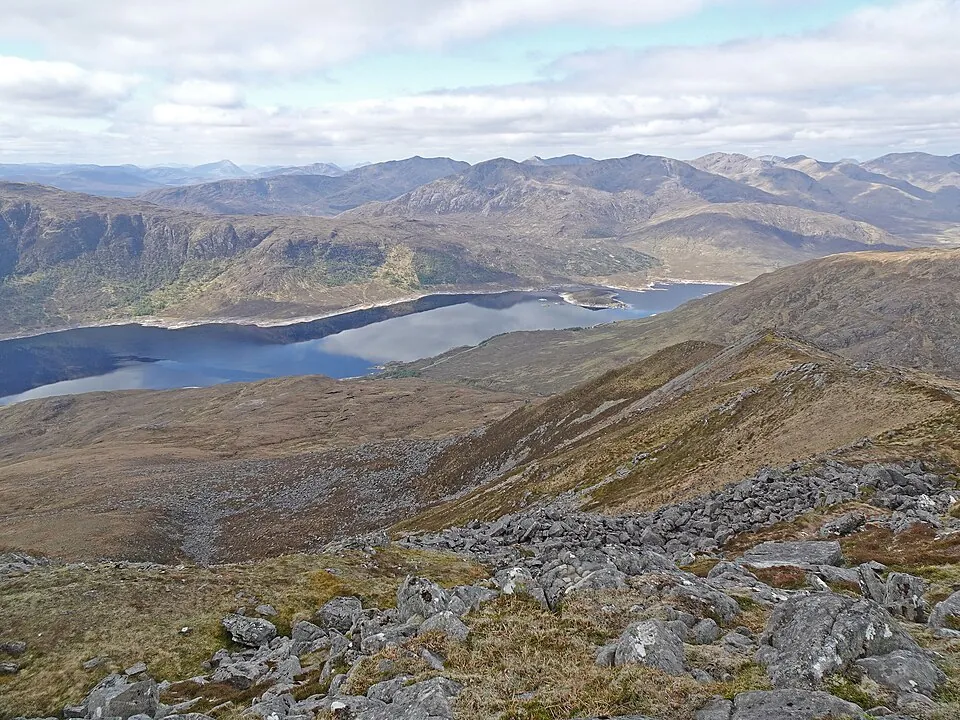
From A' Chralaig, the panorama extends across the rugged peaks of Kintail and westward toward the Isle of Skye. The height advantage allows you to appreciate the complex topography of this magnificent region, with deep glens and sharp ridges creating a dramatic landscape. Natural shelter is limited on the summit, with the cairn providing minimal protection from the prevailing westerlies that frequently buffet A' Chralaig.

The name translates as 'The Creel' or 'The Basket', possibly referencing the mountain's shape when viewed from certain angles.

Wildlife on A' Chralaig

The western location of A' Chralaig ensures high rainfall that supports lush vegetation on the lower slopes, with…

The western location of A' Chralaig ensures high rainfall that supports lush vegetation on the lower slopes, with heather moorland giving way to communities of grasses, mosses, and Atlantic bryophytes thriving in the moist climate. You'll notice the verdant character compared to drier eastern ranges, with ferns and liverworts colonising sheltered gullies and rock faces.

The wetter conditions create ideal habitat for sundew and butterwort, carnivorous plants adapted to nutrient-poor soils.

As you climb A' Chralaig beyond 700m, montane heath communities dominate, with dwarf shrubs including bearberry and cowberry alongside mountain grasses and sedges. Red deer frequent these mountains throughout the year, and you're likely to spot them on the slopes or ridges. Golden eagles nest in the crags of Kintail, and you may see them soaring on thermals above A' Chralaig. Ptarmigan inhabit the summit areas, while mountain hares browse the high slopes.

The region supports healthy populations of red grouse on the heather moors, and ravens are constant companions on the ridges, their calls echoing across the corries.
A' Chralaig Tips

The 24km distance and 4/5 difficulty rating of A' Chralaig demand you arrive properly prepared for a sustained mountain…

The 24km distance and 4/5 difficulty rating of A' Chralaig demand you arrive properly prepared for a sustained mountain day. Good fitness is essential for the cumulative ascent to 1120m, and you should pace yourself to maintain energy for the return journey. The bog level of 3/5 means waterproof boots are necessary, with gaiters useful for the wetter sections.

Navigation skills must be solid, as cloud frequently shrouds the upper mountain and the complex ridge systems can confuse in poor visibility.

Carry full hill clothing including windproof and waterproof layers, as conditions on A' Chralaig can deteriorate rapidly with the mountain's west coast exposure. The height means temperatures drop significantly compared to the glen, and wind-chill can be severe. Mobile phone signal is unreliable, so don't depend on it for emergencies or navigation support. Bring sufficient water for the full day, as opportunities to refill are limited on the drier upper slopes.

The difficulty rating reflects genuine mountain terrain requiring confidence and experience, particularly in the scrambling sections and on the exposed ridges of A' Chralaig.

Frequently Asked Questions

Common questions about climbing A' Chralaig.

How tall is A' Chralaig?

A' Chralaig stands at 1,120 metres (3,675 feet), making it the 34th tallest of all 282 Munros in Scotland.

What does A' Chralaig mean in Gaelic?

The name A' Chralaig translates from Scottish Gaelic as “The Creel/Basket”.

How long does it take to climb A' Chralaig?

Climbing A' Chralaig typically takes between 6.3 and 8.2 hours round trip. This varies with fitness, weather, and the route chosen.

Where do I park for A' Chralaig?

There is dedicated parking at the standard starting point for the main route up A' Chralaig, in the Kintail area. The exact car park location, map pin and arrival guidance are in the free Munros app.

How difficult is A' Chralaig to climb?

A' Chralaig is rated Hard (difficulty 4/5).

What is the best route up A' Chralaig?

The most popular route up A' Chralaig covers 24km, 6.3–8.2 hours round trip.

Is A' Chralaig good for beginners?

A' Chralaig (difficulty 4/5 at 1,120m) is best suited to experienced hillwalkers in the Kintail area. Expect sustained steep terrain and the need for confident navigation in poor visibility.

What region is A' Chralaig in?

A' Chralaig is in the Kintail region of Scotland. Nearby Munros include A' Ghlas-bheinn, Aonach Air Chrith, Aonach Meadhoin.

Start your journey

Ready to bag
them all?

Track all 282 Munros, plan routes, and log every summit. Join 2,400+ hillwalkers already using Munros.app.

Download for iPhone Free on the App Store