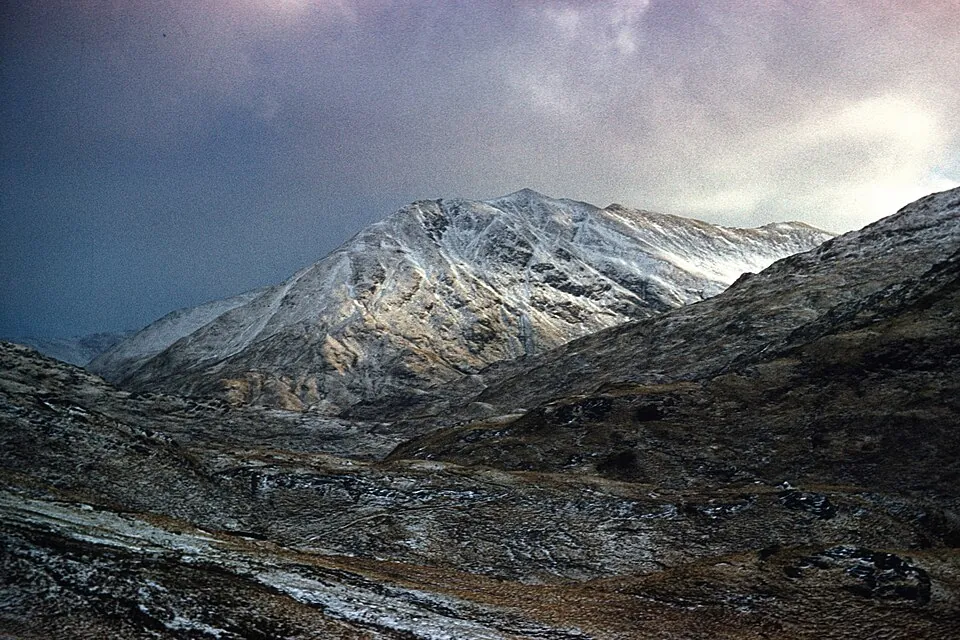
Càrn Ghluasaid
“Cairn of Movement”
“Cairn of Movement”
Càrn Ghluasaid is a 957m Munro in the Kintail region, its Gaelic name meaning “cairn of movement”. It stands 205th of the 282 Munros by height. The usual ascent — Càrn Ghluasaid from Cluanie — is a 17km round trip taking 5.9–7.7 hours, rated hard (4/5).
There are 2 routes to the summit of Càrn Ghluasaid, ranging from 17km.
Càrn Ghluasaid presents a demanding but rewarding challenge, with routes from Cluanie spanning 17 to 17.5 kilometres and…
Càrn Ghluasaid presents a demanding but rewarding challenge, with routes from Cluanie spanning 17 to 17.5 kilometres and requiring 5.9 to 7.9 hours depending on your fitness and whether you combine it with neighbouring Sgùrr nan Conbhairean. The ascent of Càrn Ghluasaid begins from the roadside at Cluanie and climbs steadily through varied terrain, with the initial sections following stalkers' paths before striking out onto more open mountain slopes.
With a difficulty rating of 4/5, this is a serious mountain requiring good fitness and experience, though the bog level of 2/5 means underfoot conditions are generally dry, making for more pleasant walking than wetter western peaks. The gradients are sustained without being excessively steep, and the terrain on Càrn Ghluasaid is typical of the Kintail area, mixing grassy slopes with rocky outcrops and scree in the upper sections.
At 957 metres, the mountain offers sufficient height to give genuine mountain character and superb views. Navigation is generally straightforward in good visibility, though mist can make the featureless upper slopes challenging.
Càrn Ghluasaid can be climbed year-round, though each season brings distinct character to this Kintail peak. Summer…
Càrn Ghluasaid can be climbed year-round, though each season brings distinct character to this Kintail peak. Summer offers the longest daylight hours, warm conditions, and the most stable weather, with the 5.9 to 7.9-hour route easily completed in a day even with a leisurely pace. Late spring and early autumn often provide excellent conditions with good visibility, fewer midges than midsummer, and the landscape at its most colourful.
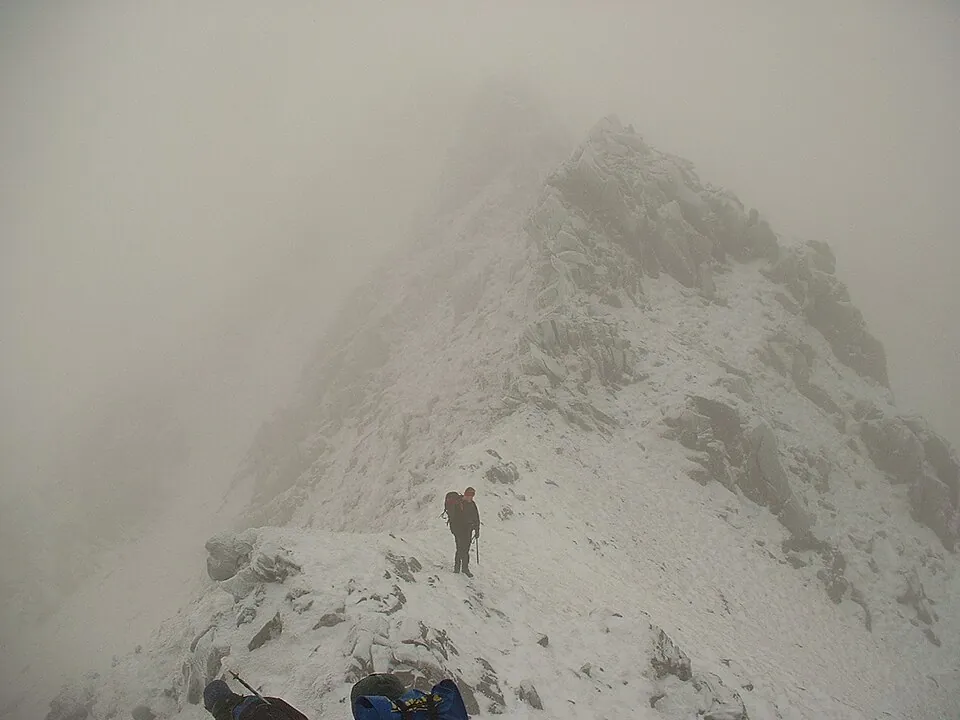
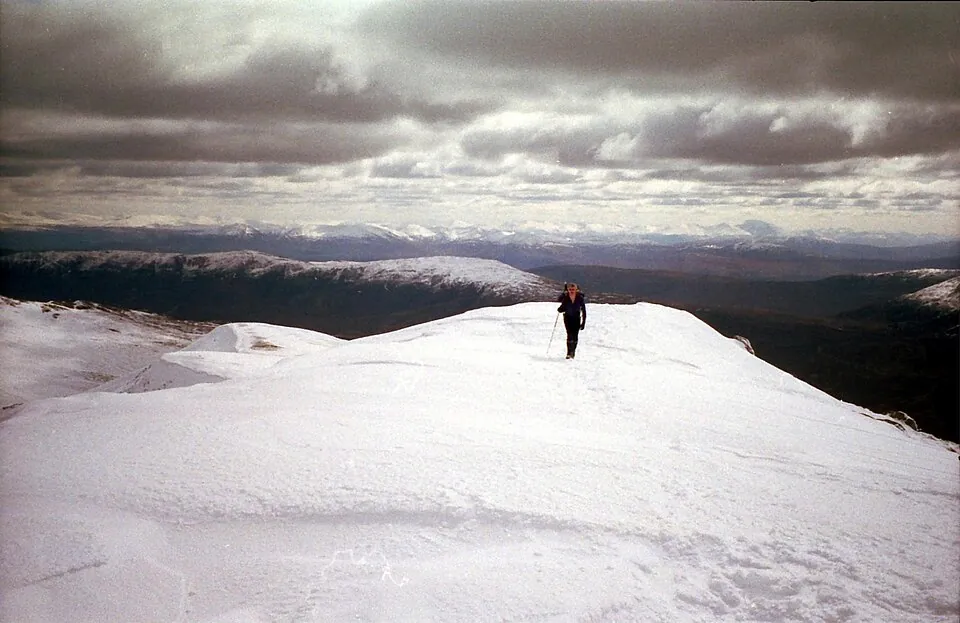
Winter transforms Càrn Ghluasaid into a serious mountaineering objective, requiring full winter skills, ice axe, crampons, and experience in snow-covered terrain. The mountain's western location means it receives heavy precipitation from Atlantic weather systems, so rain gear is essential year-round. However, the relatively dry underfoot conditions make Càrn Ghluasaid a good choice even after prolonged wet weather when boggier mountains become nightmarish.
The proximity to the A87 means road access is maintained year-round, though snow can affect the Cluanie area in winter. Check forecasts before climbing Càrn Ghluasaid, and be prepared for rapid weather changes typical of the western Highlands.
Access to Càrn Ghluasaid is straightforward, with parking available at laybys near Cluanie on the A87 between…
Access to Càrn Ghluasaid is straightforward, with parking available at laybys near Cluanie on the A87 between Invermoriston and Kyle of Lochalsh. The main starting points are the Cluanie Layby and near the Cluanie Inn, both well-used by hillwalkers and with space for several vehicles, though they can fill up during busy periods.
The A87 is a major route, well-maintained year-round and easily reached from Inverness (approximately 45 miles west) or Fort William (approximately 50 miles northwest via the A82 and A87). The roadside start means you can park, kit up, and begin climbing within minutes, adding to the accessibility of Càrn Ghluasaid. The Cluanie Inn provides refreshments and accommodation, useful for an early start or a post-walk celebration.
There are no formal facilities at the roadside parking areas, so arrive prepared with everything you need. The convenience of roadside access shouldn't lead to complacency; Càrn Ghluasaid is a serious mountain requiring proper preparation despite the easy access.
The summit of Càrn Ghluasaid stands at 957 metres, offering magnificent views across the western Highlands. The top is…
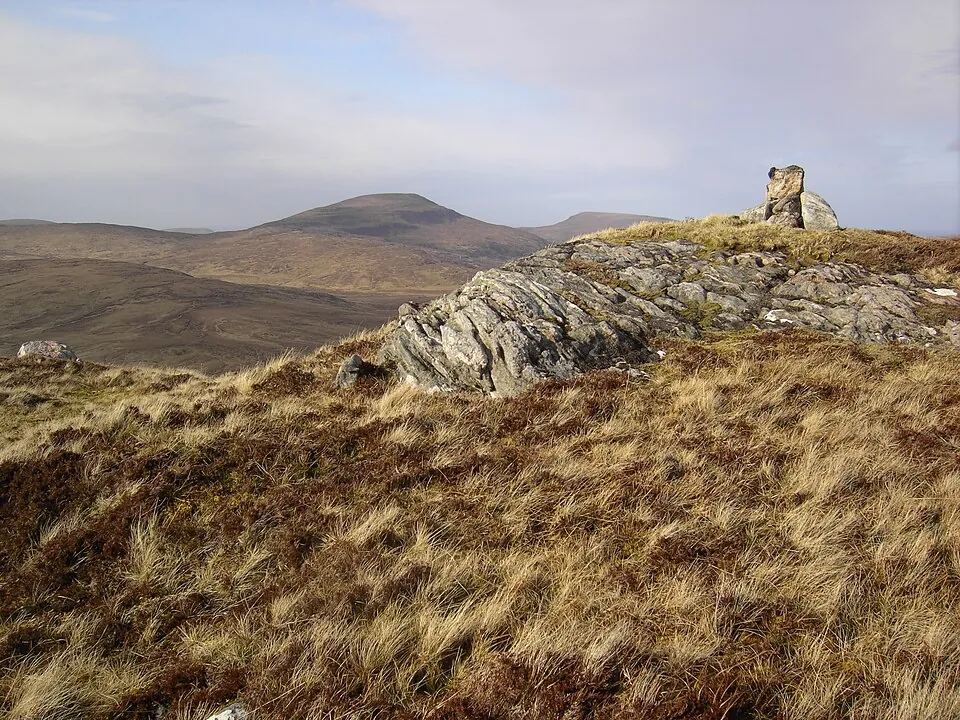
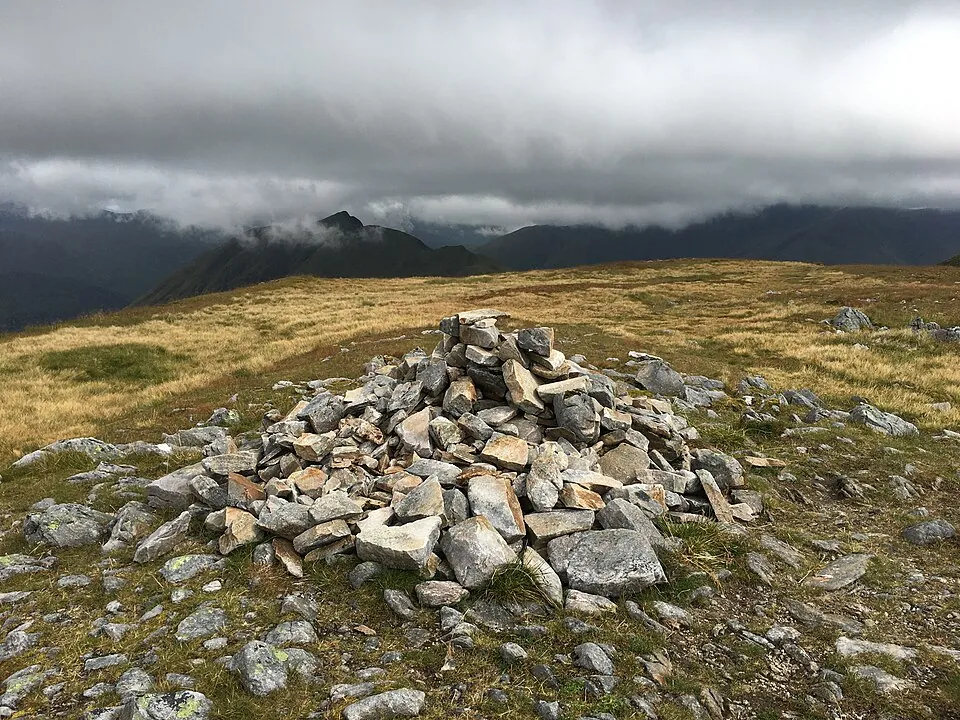
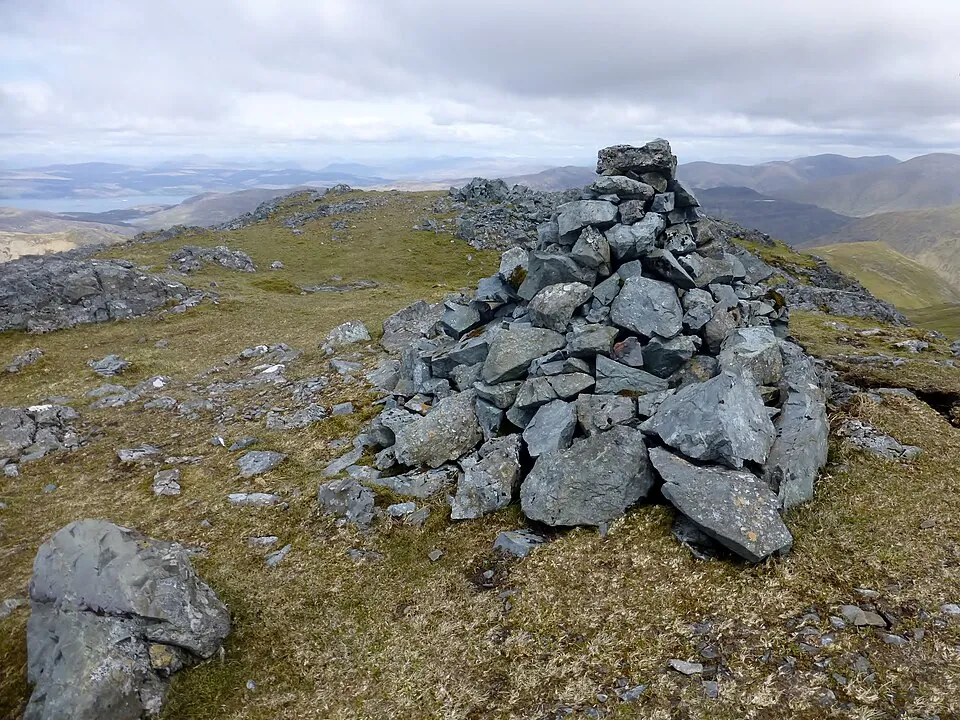
The summit of Càrn Ghluasaid stands at 957 metres, offering magnificent views across the western Highlands. The top is marked by a cairn on a rocky summit ridge, with the terrain steep and exposed on the northern side but more gently sloping to the south. The meaning 'Cairn of Movement' has uncertain origins but may reference shifting cloud patterns or the mountain's position on traditional movement routes.
On clear days, the views from Càrn Ghluasaid are superb, extending west to the Five Sisters of Kintail, north to the peaks around Glen Affric, east to more distant Munros, and south across the wild country toward Loch Quoich. The summit offers limited shelter, with the exposed ridge catching winds from most directions, so windproof layers are essential. The terrain is predominantly rocky with schist and quartzite outcrops, supporting sparse alpine vegetation and lichens.
The sense of position is excellent, with Càrn Ghluasaid feeling like a true mountain viewpoint despite being surrounded by higher neighbours. The feeling of being in the heart of the western Highlands is profound.
The ecology of Càrn Ghluasaid reflects its position in the wet western Highlands at moderate altitude. The lower slopes…
The ecology of Càrn Ghluasaid reflects its position in the wet western Highlands at moderate altitude. The lower slopes are clothed in heather moorland, with ling, bell heather, and cross-leaved heath creating the classic Highland landscape, particularly colourful in late summer when the heather blooms purple. Wetter areas support bog communities with sphagnum mosses and cottongrass.
As you gain height on Càrn Ghluasaid, vegetation transitions to montane heath dominated by blaeberry, crowberry, and dwarf willow, with patches of alpine lady's mantle adding green highlights. The wetter western climate supports lusher vegetation than drier eastern mountains. Above 800 metres, arctic-alpine species including moss campion and starry saxifrage cling to rocky outcrops.
Red deer are common throughout the area, often seen grazing the lower slopes in the mornings and evenings. Mountain hares inhabit the higher ground, their coats changing seasonally. Ptarmigan breed on the upper slopes and summit area of Càrn Ghluasaid. Golden eagles hunt across these hills, and you may spot them soaring above the ridges. Red grouse are abundant in the heather, while ring ouzels nest among the rocky outcrops higher up.
Ravens are common, their calls echoing across the corries.
Despite its roadside access, Càrn Ghluasaid is a serious mountain demanding proper preparation and respect. The 4/5…
Despite its roadside access, Càrn Ghluasaid is a serious mountain demanding proper preparation and respect. The 4/5 difficulty rating reflects the length, ascent, and commitment required. Carry full hill-walking kit including waterproofs, warm layers, map, compass, first aid supplies, emergency shelter, and head torch. The western Highland weather can change rapidly, with mist descending quickly to turn straightforward navigation into a serious challenge.
Take more food and water than you think you'll need; the 5.9 to 7.9-hour route is a substantial day out. Mobile phone signal from Càrn Ghluasaid is patchy at best, so don't rely on being able to call for help. The relatively dry terrain makes this a more pleasant walk than some western peaks, but don't underestimate the ascent or the potential for severe weather at 957 metres.
In winter, Càrn Ghluasaid requires full mountaineering equipment and skills, with ice axe and crampons essential and avalanche awareness critical on steeper slopes. If combining with Sgùrr nan Conbhairean, factor in the additional time and effort. Always leave route plans with someone responsible. If weather deteriorates or you fall behind schedule, be prepared to turn back; the mountain will wait for another day.
Explore more peaks near Kintail.
Common questions about climbing Càrn Ghluasaid.
Càrn Ghluasaid stands at 957 metres (3,140 feet), making it the 205th tallest of all 282 Munros in Scotland.
The name Càrn Ghluasaid translates from Scottish Gaelic as “Cairn of Movement”.
Climbing Càrn Ghluasaid typically takes between 5.9 and 7.9 hours round trip. This varies with fitness, weather, and the route chosen — there are 2 routes to the summit.
There is dedicated parking at the standard starting point for the main route up Càrn Ghluasaid, in the Kintail area. The exact car park location, map pin and arrival guidance are in the free Munros app.
Càrn Ghluasaid is rated Hard (difficulty 4/5). Route difficulty varies across the 2 available routes.
The most popular route up Càrn Ghluasaid covers 17km, 5.9–7.7 hours round trip. There are 2 routes to the summit in total, ranging from Hard to Hard difficulty.
Càrn Ghluasaid (difficulty 4/5 at 957m) is best suited to experienced hillwalkers in the Kintail area. Expect sustained steep terrain and the need for confident navigation in poor visibility.
Càrn Ghluasaid is in the Kintail region of Scotland. Nearby Munros include A' Chralaig, A' Ghlas-bheinn, Aonach Air Chrith.
Step-by-step directions, GPS navigation, exact parking and offline maps for Càrn Ghluasaid — free in the Munros app.
Free — Download on theApp StoreTrack all 282 Munros, plan routes, and log every summit. Join 2,400+ hillwalkers already using Munros.app.