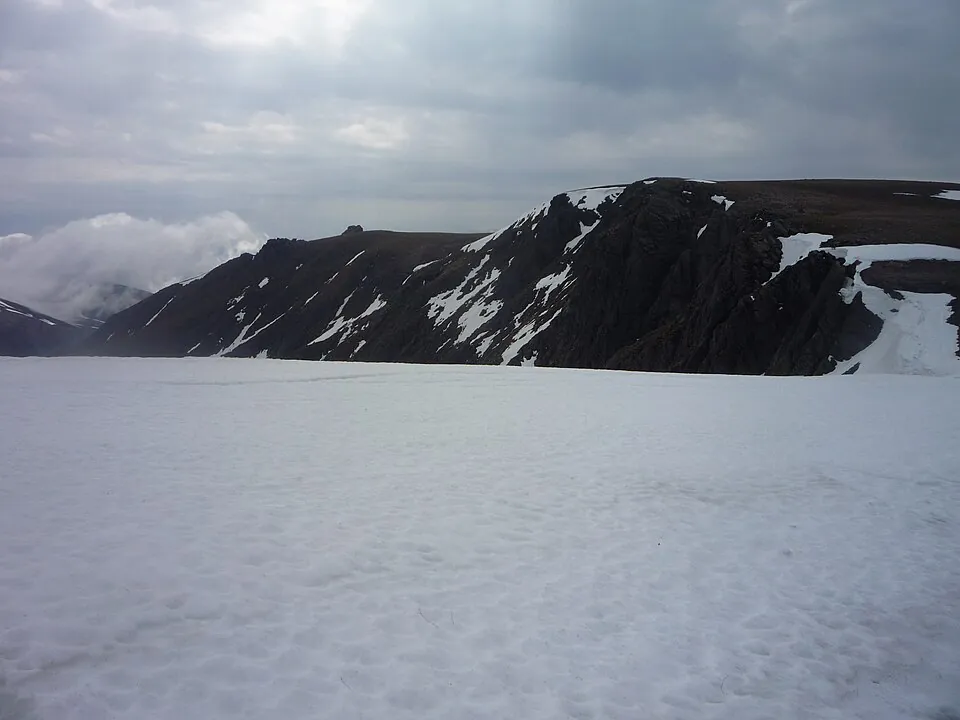
Aonach Beag (Alder)
“Little Ridge”
“Little Ridge”
Aonach Beag (Alder) is a 1,116m Munro in the Cairngorms region, its Gaelic name meaning “little ridge”. It stands 39th of the 282 Munros by height. The usual ascent — Aonach Beag and Geal Chàrn from Culra — is a 20km round trip taking 7.2–9.4 hours, rated hard (4/5).
There are 2 routes to the summit of Aonach Beag (Alder), ranging from 20km.
The ascent of Aonach Beag (Alder) is a serious expedition into remote Cairngorms terrain, typically approached from…
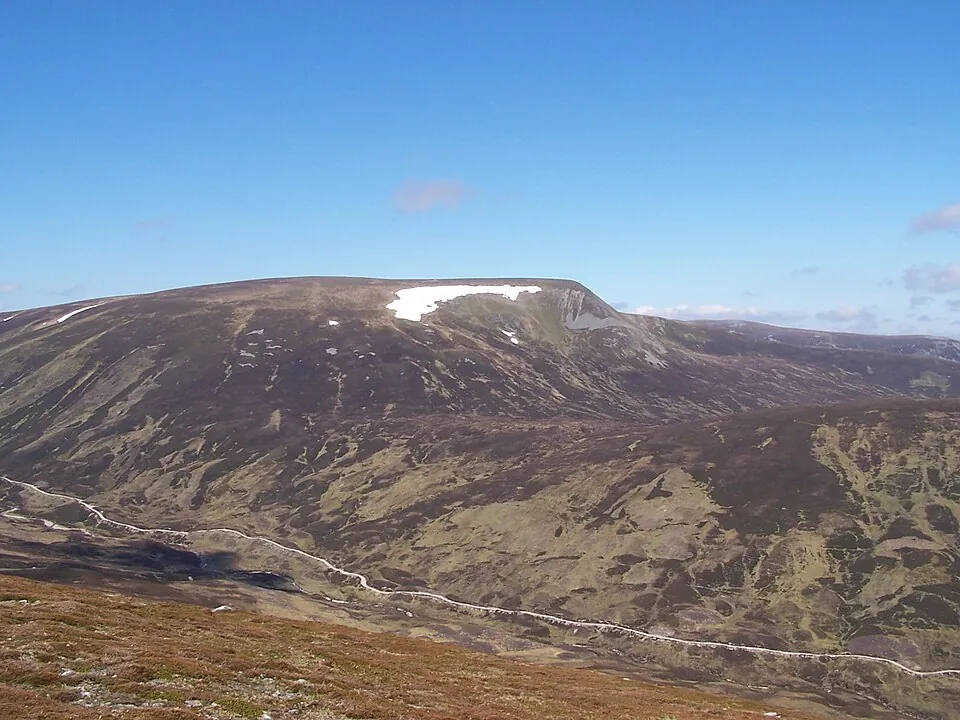
The ascent of Aonach Beag (Alder) is a serious expedition into remote Cairngorms terrain, typically approached from Dalwhinnie via the long track to Culra bothy. You'll face a demanding 20km round trip with significant height gain, beginning with several kilometres of estate track before striking uphill across open hillside.
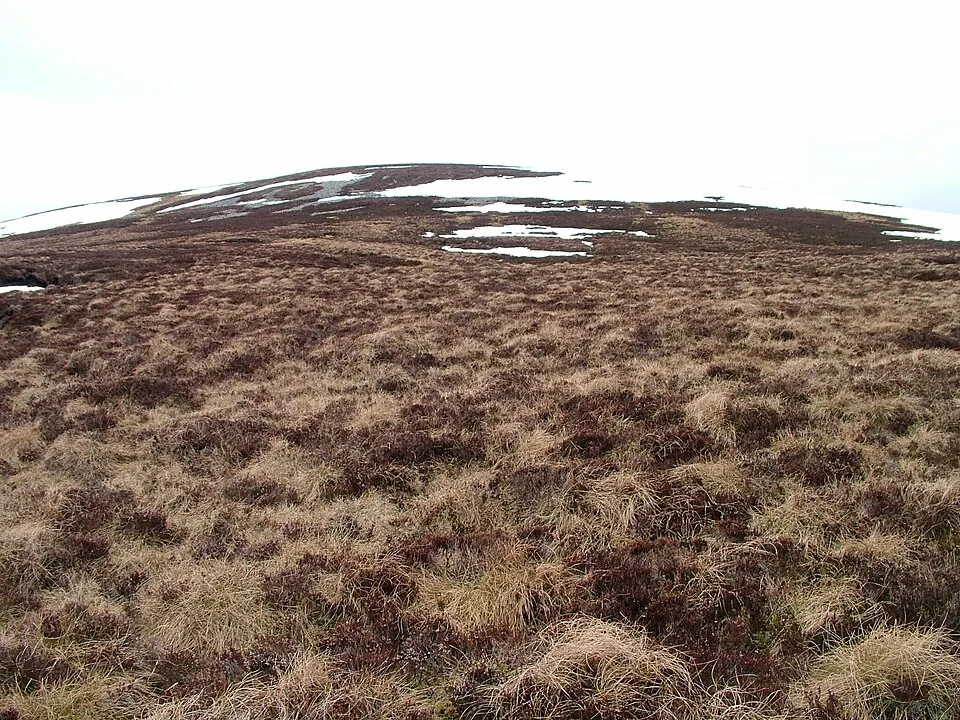
The route from Culra involves navigating pathless ground and often boggy terrain, particularly in the approach phases where wet sections can slow progress considerably.
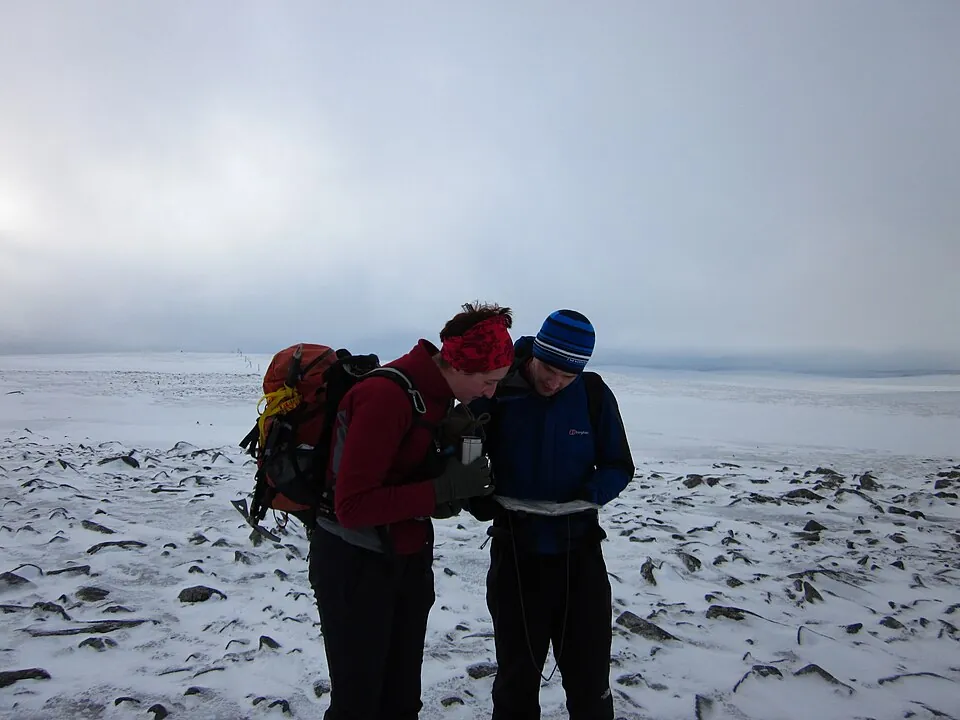
As you gain height towards Aonach Beag's summit, the terrain becomes firmer underfoot with typical Cairngorms granite and heather moorland giving way to montane vegetation. The final slopes steepen noticeably, and in poor visibility the featureless nature of this mountain demands confident navigation skills. This is commonly combined with Geal Chàrn, extending the day further into demanding territory.
Aonach Beag (Alder) is best attempted between late spring and early autumn, when daylight hours are generous enough to…
Aonach Beag (Alder) is best attempted between late spring and early autumn, when daylight hours are generous enough to tackle this lengthy expedition. The Cairngorms experience harsh winter conditions with heavy snowfall from November through April, transforming this already demanding route into a serious mountaineering undertaking requiring winter skills and equipment.
Summer offers the most stable weather windows, though even June through August can bring sudden deterioration at this altitude. The remote location means you'll be committed once you've walked the long approach to Culra, so choose a settled spell with good visibility. Early autumn can be magnificent with clear, crisp days, but be prepared for shorter daylight from September onwards.
The boggy sections on the approach are at their worst after heavy rain or during spring snow melt.
Access to Aonach Beag (Alder) begins at Dalwhinnie Station or the nearby village parking areas. The A9 trunk road makes…
Access to Aonach Beag (Alder) begins at Dalwhinnie Station or the nearby village parking areas. The A9 trunk road makes reaching Dalwhinnie straightforward from either Perth to the south or Inverness to the north. From the parking area, you face a significant walk-in along the estate track that leads deep into the mountains towards Culra bothy.
This approach track is suitable for mountain bikes, and many hillwalkers use them to reduce the distance covered on foot, though you'll still need to navigate rough terrain on the ascent itself. The remote location means mobile phone signal is unreliable once you leave Dalwhinnie, and there are no facilities at the trailhead beyond basic parking. Plan for an early start given the distances involved.
The summit of Aonach Beag (Alder) sits at 1116m and presents a typically rounded Cairngorms top with a modest cairn…
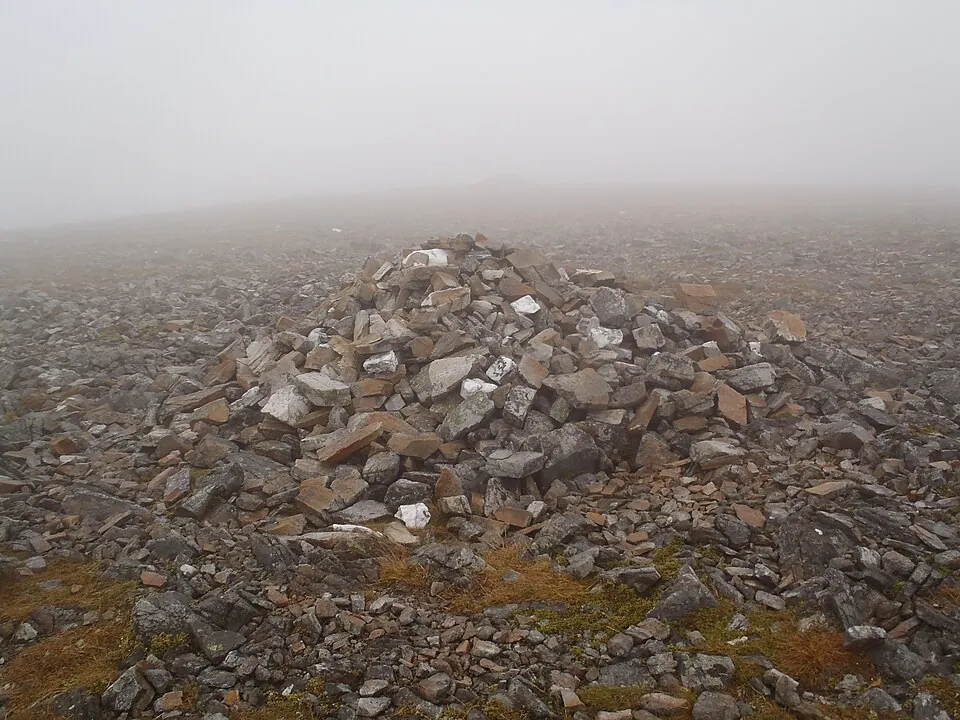
The summit of Aonach Beag (Alder) sits at 1116m and presents a typically rounded Cairngorms top with a modest cairn marking the highest point. The plateau-like character means you'll find little natural shelter from wind, making this an exposed place in poor weather. On clear days, the panorama extends across the vast Cairngorms landscape, with remote peaks stretching in every direction.
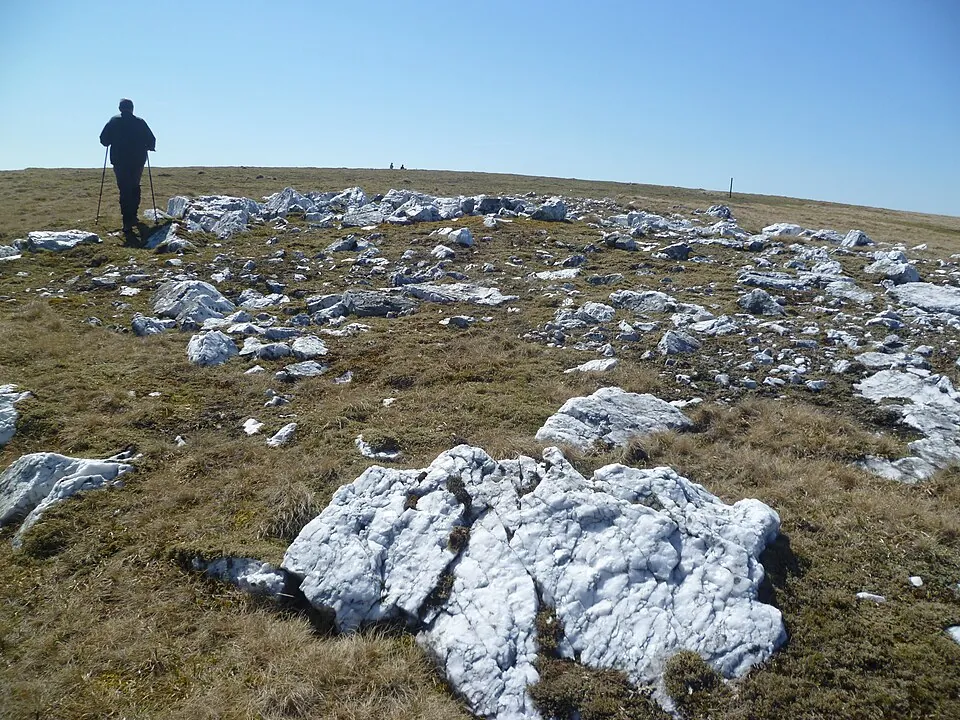
The summit area itself is covered in typical high-altitude vegetation with sparse montane plants clinging to the stony ground. In good visibility, you can appreciate your position deep in the Monadhliath range, surrounded by wild, uninhabited country. There's a profound sense of remoteness here that distinguishes Aonach Beag from more accessible Munros. The descent requires careful navigation, particularly if cloud has descended during your ascent.
The long approach to Aonach Beag (Alder) takes you through varied Cairngorms habitats, beginning with heather moorland…
The long approach to Aonach Beag (Alder) takes you through varied Cairngorms habitats, beginning with heather moorland where red deer are frequently encountered, particularly during early morning or evening hours. The estate tracks cross traditional grouse moor, and you may spot red grouse bursting from the heather. Golden eagles patrol these remote glens, and with sharp eyes you might catch sight of one soaring on the thermals.
As you climb higher, the vegetation transitions to montane heath communities adapted to the harsh conditions at altitude. Above 900m, keep watch for ptarmigan, the mountain specialists that turn white in winter for camouflage. Mountain hares also inhabit these upper slopes, their coats changing with the seasons.
The eastern Cairngorms location means slightly drier conditions than western mountains, with hardy plant communities including alpine grasses, cushion plants, and in sheltered spots, rare arctic-alpine species clinging to existence.
Given the 4/5 difficulty rating and remote nature of Aonach Beag (Alder), you must carry full mountain safety equipment…
Given the 4/5 difficulty rating and remote nature of Aonach Beag (Alder), you must carry full mountain safety equipment including map, compass, and GPS device with spare batteries. The featureless terrain demands confident navigation skills, especially in poor visibility when cloud can descend rapidly. Carry sufficient food and water for a long day, remembering there are no water sources on the upper mountain in dry conditions.
The bog level of 3/5 means waterproof boots and gaiters are essential, particularly on the approach sections. Mobile phone signal is unreliable throughout this remote area, so inform someone of your plans and expected return time. Consider the escape options carefully before committing to the route, as once you're deep into the approach, retreat in deteriorating conditions becomes a serious undertaking.
An emergency shelter and first aid kit are non-negotiable for this serious mountain expedition.
Explore more peaks near Cairngorms.
Common questions about climbing Aonach Beag (Alder).
Aonach Beag (Alder) stands at 1,116 metres (3,661 feet), making it the 39th tallest of all 282 Munros in Scotland.
The name Aonach Beag (Alder) translates from Scottish Gaelic as “Little Ridge”.
Climbing Aonach Beag (Alder) typically takes between 7.2 and 9.4 hours round trip. This varies with fitness, weather, and the route chosen — there are 2 routes to the summit.
There is dedicated parking at the standard starting point for the main route up Aonach Beag (Alder), in the Cairngorms area. The exact car park location, map pin and arrival guidance are in the free Munros app.
Aonach Beag (Alder) is rated Hard (difficulty 4/5). Route difficulty varies across the 2 available routes.
The most popular route up Aonach Beag (Alder) covers 20km, 7.2–9.4 hours round trip. There are 2 routes to the summit in total, ranging from Hard to Hard difficulty.
Aonach Beag (Alder) (difficulty 4/5 at 1,116m) is best suited to experienced hillwalkers in the Cairngorms area. Expect sustained steep terrain and the need for confident navigation in poor visibility.
Aonach Beag (Alder) is in the Cairngorms region of Scotland. Nearby Munros include A' Bhuidheanach Bheag, A' Chailleach (Monadhliath), A' Mharconaich.
Step-by-step directions, GPS navigation, exact parking and offline maps for Aonach Beag (Alder) — free in the Munros app.
Free — Download on theApp StoreTrack all 282 Munros, plan routes, and log every summit. Join 2,400+ hillwalkers already using Munros.app.