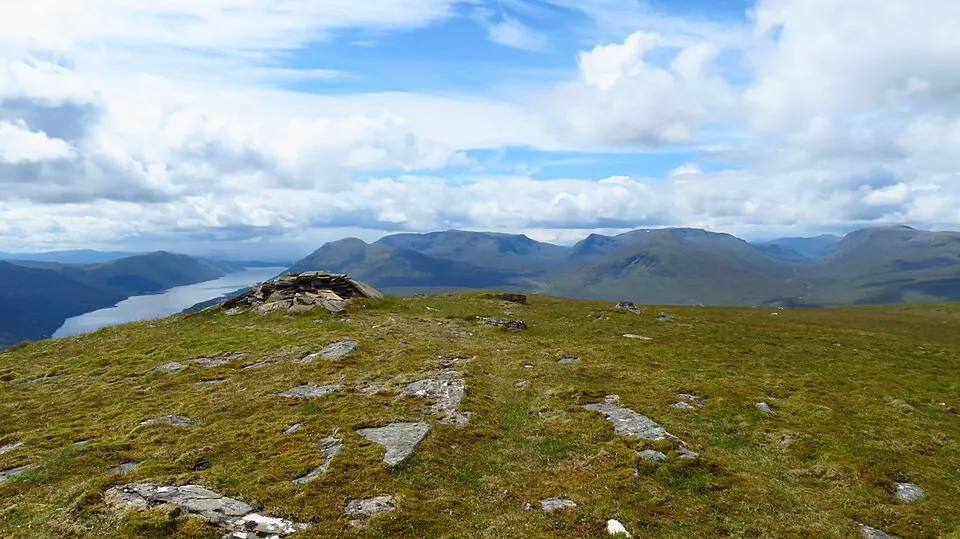
Beinn a' Bhùird
“Table Mountain”
“Table Mountain”
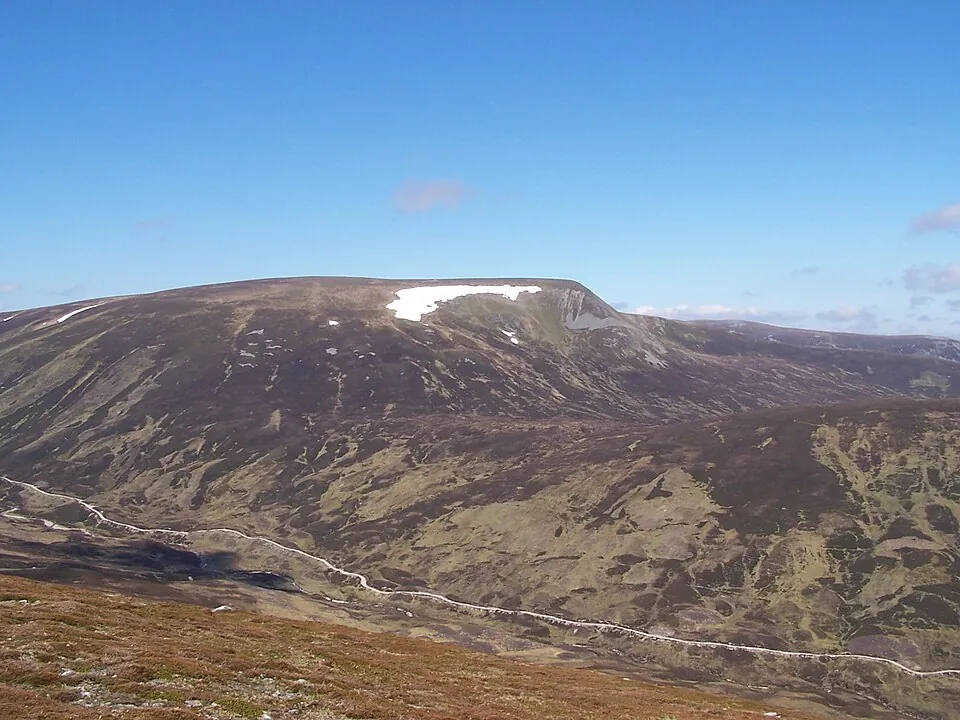
Beinn a' Bhùird is a 1,197m Munro in the Cairngorms region, its Gaelic name meaning “table mountain”. It stands 12th of the 282 Munros by height. The usual ascent — Beinn a' Bhùird and Ben Avon from Invercauld Bridge — is a 20km round trip taking 9.9–12.9 hours, rated hard (4/5).
There are 2 routes to the summit of Beinn a' Bhùird, ranging from 20km.
Beinn a' Bhùird is one of the great Cairngorms expeditions, a serious undertaking involving lengthy approaches across…
Beinn a' Bhùird is one of the great Cairngorms expeditions, a serious undertaking involving lengthy approaches across remote moorland before tackling the mountain itself. The routes from Invercauld Bridge demand covering 20 to over 40 kilometres depending on your chosen circuit, making this among the most committing single-day hillwalks in Scotland.
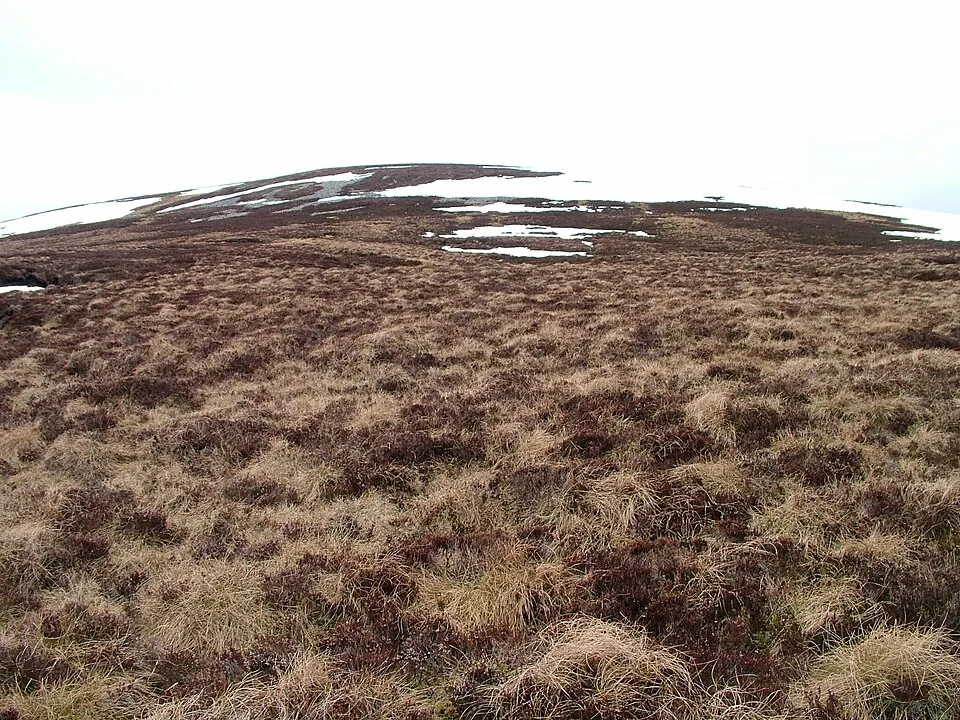
You'll begin with miles of estate track walking before striking onto open hillside, crossing boggy ground that can significantly slow progress.
The climb to Beinn a' Bhùird's 1197m summit involves ascending the mountain's extensive plateau, with the final approaches over typical Cairngorms granite terrain. The mountain's name translates as 'Table Mountain', and you'll understand why as you reach the broad, flat summit area. Navigation across this featureless plateau demands confident skills, particularly as the 4/5 difficulty rating reflects the serious, remote nature of the terrain.
The bog level of 3/5 means wet ground on approaches, so expect slow going in places before reaching firmer high-altitude terrain.
Beinn a' Bhùird requires long daylight hours, making it best attempted between late May and early September when you…
Beinn a' Bhùird requires long daylight hours, making it best attempted between late May and early September when you have maximum time for this extended expedition. The 10 to 13-hour time estimate demands early starts even in midsummer, and attempting this mountain outside the long-day season risks being caught by darkness on the lengthy return. Winter conditions are severe and prolonged in the Cairngorms, with Beinn a' Bhùird holding snow well into spring.
Summer offers the most stable weather windows, though even June through August can bring sudden deterioration at high altitude. The remote nature of Beinn a' Bhùird means you're deeply committed once you've walked the long approach, so choose settled weather periods with good visibility. The Cairngorms can experience harsh conditions any time of year, with sudden temperature drops and storms even in summer.
September brings crisp autumn conditions if you catch high pressure, but daylight hours are already shortening. The boggy approaches are worst during spring snowmelt and after sustained rain.
Access to Beinn a' Bhùird begins at Invercauld Bridge, located on the A93 between Braemar and Ballater in Royal Deeside.…
Access to Beinn a' Bhùird begins at Invercauld Bridge, located on the A93 between Braemar and Ballater in Royal Deeside. Parking is available at the bridge or in designated areas nearby, though spaces can be limited during peak summer periods. The location is relatively straightforward to reach from Aberdeen to the east or Perth and the central belt via the A93 through Glen Shiel.
From the parking area, you face a substantial walk-in along estate tracks that penetrate deep into the mountains. Many hillwalkers use mountain bikes for the approach tracks, significantly reducing the distance that must be covered on foot, though you'll still face a serious mountain expedition. The remote location means mobile phone signal becomes unreliable once you leave the roadside area, and there are no facilities at the trailhead.
The serious nature of this expedition demands careful planning and an early start to ensure sufficient daylight for the full route.
At 1197m, the summit of Beinn a' Bhùird crowns a vast plateau that exemplifies the mountain's name meaning 'Table…
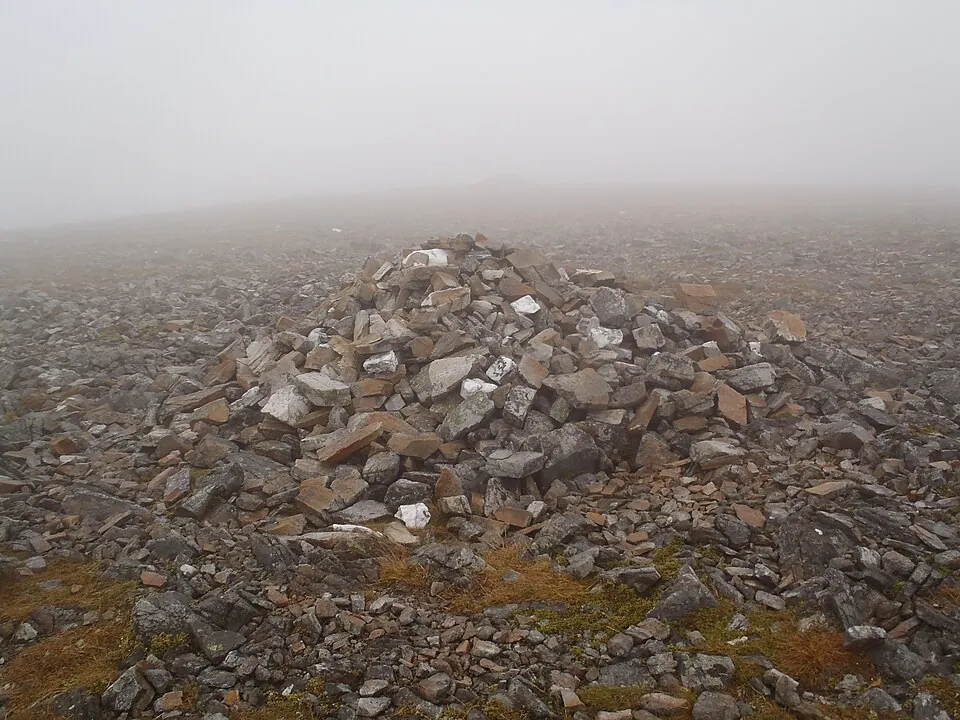
At 1197m, the summit of Beinn a' Bhùird crowns a vast plateau that exemplifies the mountain's name meaning 'Table Mountain'. The highest point is marked by a cairn on the broad, flat summit area which can be challenging to locate in poor visibility due to the featureless terrain. You'll find little natural shelter from wind, and this is an exposed, austere place that feels genuinely high and remote.
On clear days, the views from Beinn a' Bhùird extend across the vast Cairngorms landscape, taking in multiple distant peaks and the wild, uninhabited country that surrounds you. The granite plateau is covered in sparse montane vegetation with exposed bedrock in many areas. The summit area's extensive nature means careful navigation is essential for finding the highest point and, more importantly, locating your descent route.
The profound sense of remoteness and wild character distinguishes Beinn a' Bhùird from more accessible mountains, rewarding your long approach with a genuine wilderness experience.
The long approach to Beinn a' Bhùird takes you through classic Cairngorms habitats, beginning with extensive heather…
The long approach to Beinn a' Bhùird takes you through classic Cairngorms habitats, beginning with extensive heather moorland managed for grouse and deer. Red deer are abundant across these estates, and you'll frequently encounter herds, particularly in early morning. The moorland supports red grouse populations, and you'll likely hear their distinctive calls as they burst from the heather.
Golden eagles regularly patrol these vast spaces, and with patience you may spot one soaring overhead.
As you climb higher onto Beinn a' Bhùird's slopes, vegetation transitions to montane heath with crowberry, bilberry, and hardy alpine grasses. Above 1000m, the terrain becomes increasingly sparse with exposed granite and thin soils supporting only the hardiest plant species. Ptarmigan inhabit these high plateaus, perfectly adapted to the harsh conditions, while mountain hares range across the boulder fields.
The eastern Cairngorms location means slightly drier conditions than western mountains, with plant communities adapted to lower rainfall and more continental climate patterns. The remote, undisturbed nature of this terrain makes it valuable habitat for species requiring wild, unfrequented country.
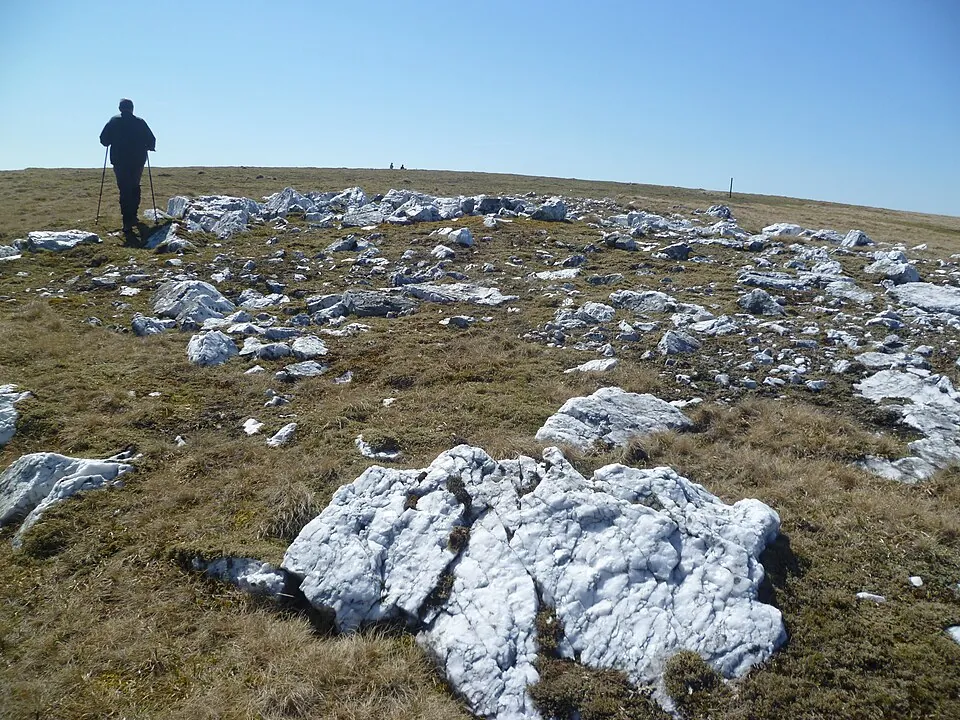
Beinn a' Bhùird's 4/5 difficulty rating and serious remote character demand comprehensive mountain safety equipment.…
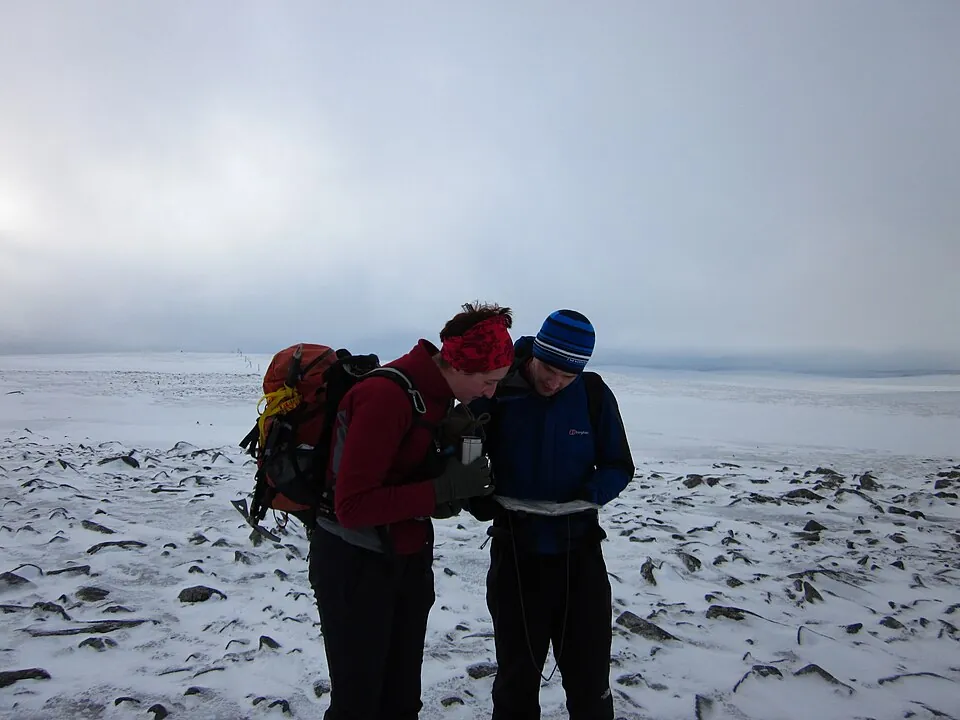
Beinn a' Bhùird's 4/5 difficulty rating and serious remote character demand comprehensive mountain safety equipment. Carry map, compass, GPS device with spare batteries, and emergency shelter. The featureless plateau makes navigation in mist extremely challenging, and you must be confident in your navigation skills before attempting this mountain. The length of the route means carrying sufficient food and water for 10-plus hours, along with emergency rations.
The 3/5 bog level requires waterproof boots and gaiters, particularly for the approach sections which can be very wet. Mobile phone signal is unreliable throughout this remote area, so inform someone of your detailed plans and expected return time. The limited escape options mean you must be prepared to complete the full route once committed, as retreating in poor conditions from deep in the approach is itself a serious undertaking.
An early start is essential to ensure sufficient daylight even in midsummer. Consider carrying an emergency bivvy bag, first aid kit, and headtorch even for summer attempts. The serious, committing nature of Beinn a' Bhùird means this is no mountain for novices or in marginal conditions.
Explore more peaks near Cairngorms.
Common questions about climbing Beinn a' Bhùird.
Beinn a' Bhùird stands at 1,197 metres (3,927 feet), making it the 12th tallest of all 282 Munros in Scotland.
The name Beinn a' Bhùird translates from Scottish Gaelic as “Table Mountain”.
Climbing Beinn a' Bhùird typically takes between 9.9 and 12.9 hours round trip. This varies with fitness, weather, and the route chosen — there are 2 routes to the summit.
There is dedicated parking at the standard starting point for the main route up Beinn a' Bhùird, in the Cairngorms area. The exact car park location, map pin and arrival guidance are in the free Munros app.
Beinn a' Bhùird is rated Hard (difficulty 4/5). Route difficulty varies across the 2 available routes.
The most popular route up Beinn a' Bhùird covers 20km, 9.9–12.9 hours round trip. There are 2 routes to the summit in total, ranging from Hard to Hard difficulty.
Beinn a' Bhùird (difficulty 4/5 at 1,197m) is best suited to experienced hillwalkers in the Cairngorms area. Expect sustained steep terrain and the need for confident navigation in poor visibility.
Beinn a' Bhùird is in the Cairngorms region of Scotland. Nearby Munros include A' Bhuidheanach Bheag, A' Chailleach (Monadhliath), A' Mharconaich.
Step-by-step directions, GPS navigation, exact parking and offline maps for Beinn a' Bhùird — free in the Munros app.
Free — Download on theApp StoreTrack all 282 Munros, plan routes, and log every summit. Join 2,400+ hillwalkers already using Munros.app.