Beinn Ghlas
1,103m
Perthshire
“Grey-Green Mountain”
1,103mHeight
15.9kmRound trip
5.5–7.2hWalk time
HardDifficulty 4/5
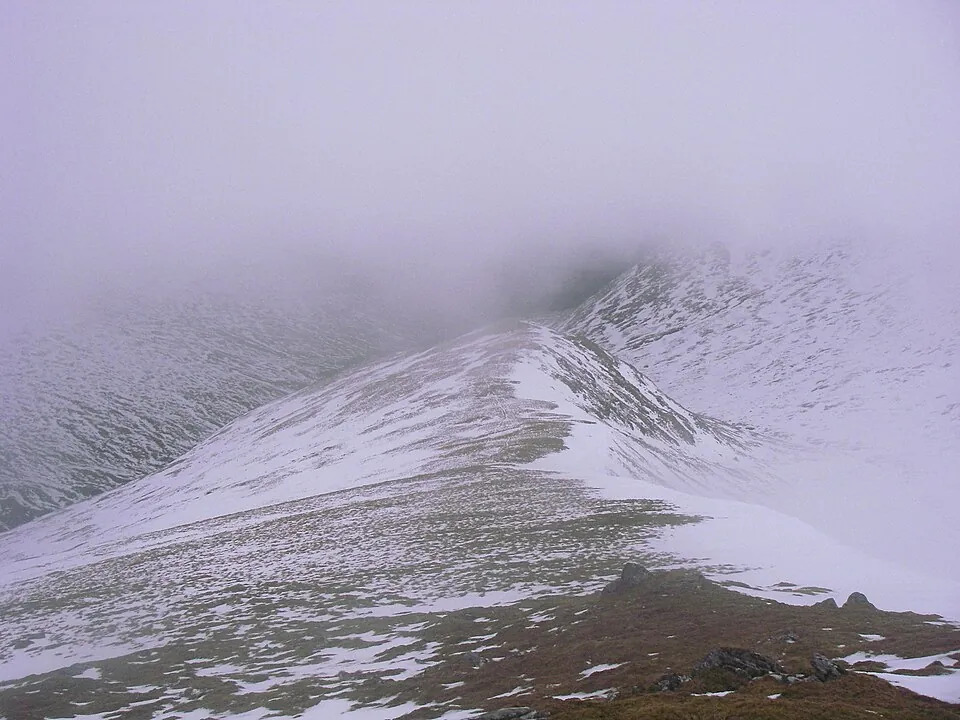
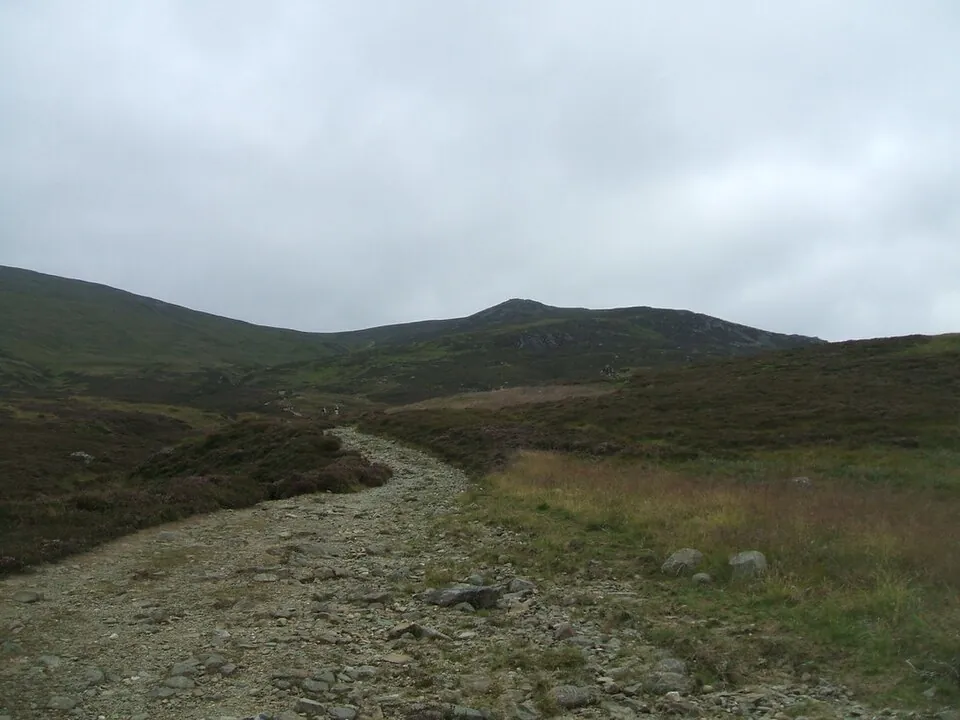
Photo: SHB2000 · CC BY-SA 2.0
“Grey-Green Mountain”
Beinn Ghlas is a 1,103m Munro in the Perthshire region, its Gaelic name meaning “grey-green mountain”. It stands 49th of the 282 Munros by height. The usual ascent — Ben Lawers range from Ben Lawers car park — is a 15.9km round trip taking 5.5–7.2 hours, rated hard (4/5).
There is 1 route to the summit of Beinn Ghlas, covering 15.9km.
Beinn Ghlas forms part of the classic Ben Lawers range traverse, rising prominently to 1103 metres as the penultimate…
Beinn Ghlas forms part of the classic Ben Lawers range traverse, rising prominently to 1103 metres as the penultimate summit before the main peak. The 15.9-kilometre route from Ben Lawers NTS Car Park carries a difficulty rating of 4 out of 5, reflecting sustained climbing and the cumulative effort of tackling multiple summits.
The approach to Beinn Ghlas follows well-maintained National Trust for Scotland paths in the lower sections, with underfoot conditions relatively dry at a bog level of 2 out of 5.
As you ascend towards Beinn Ghlas, the path steepens considerably, with rocky sections demanding careful footing. The mountain is most commonly climbed as part of the wider Munro circuit, meaning you'll approach it having already gained significant height. The upper slopes of Beinn Ghlas are exposed and rocky, providing excellent scrambling opportunities for those who enjoy hands-on climbing.
The summit ridge offers spectacular views and a real sense of high mountain atmosphere despite the well-trodden nature of the route.
The Ben Lawers range including Beinn Ghlas is accessible from April through October, with summer months providing the…
The Ben Lawers range including Beinn Ghlas is accessible from April through October, with summer months providing the most reliable weather and comfortable climbing conditions. The 5.5 to 7.2-hour circuit fits comfortably within a summer day, though starting early allows you to avoid crowds on this popular mountain. Spring can be excellent for climbing Beinn Ghlas, with fresh growth on the botanically rich slopes and often excellent visibility.
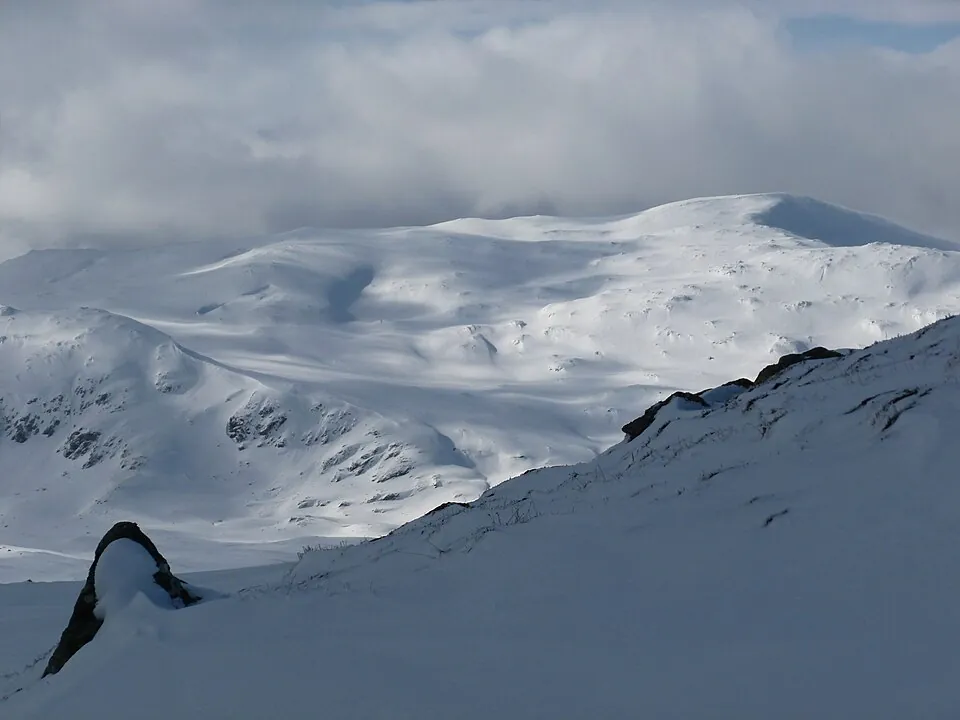
The Perthshire location means Beinn Ghlas experiences relatively moderate Highland weather, though conditions at over 1100 metres can still be severe. Summer brings the most stable conditions and warmest temperatures, making this an ideal season for the ridge traverse. Winter transforms Beinn Ghlas into a serious winter mountaineering objective, with snow accumulating on the upper slopes and cornices forming along the ridge.
The mountain's popularity means you'll rarely have it to yourself in good summer weather, but early starts or midweek visits can provide more solitude.
Ben Lawers NTS Car Park provides excellent facilities for your ascent of Beinn Ghlas, located high on the mountain road…
Ben Lawers NTS Car Park provides excellent facilities for your ascent of Beinn Ghlas, located high on the mountain road on the north side of Loch Tay. The car park is well signposted and includes toilet facilities and information boards about the mountain and its unique alpine flora. Parking charges apply as this is National Trust for Scotland land, with fees supporting path maintenance and conservation work on Beinn Ghlas and the wider range.
The approach road is a narrow, winding single-track with passing places, climbing steeply from the A827 along Loch Tay's northern shore. From Perth, the drive takes approximately 90 minutes, while from Stirling it's around 75 minutes. The car park sits at significant elevation, giving you a head start on the climb to Beinn Ghlas. Mobile phone coverage is reasonable in the car park area but becomes patchy higher up the mountain.
The village of Killin, approximately 20 minutes drive away, provides shops and facilities for last-minute provisions.
The summit of Beinn Ghlas at 1103 metres is a rocky, exposed peak sitting prominently on the ridge between the car park…
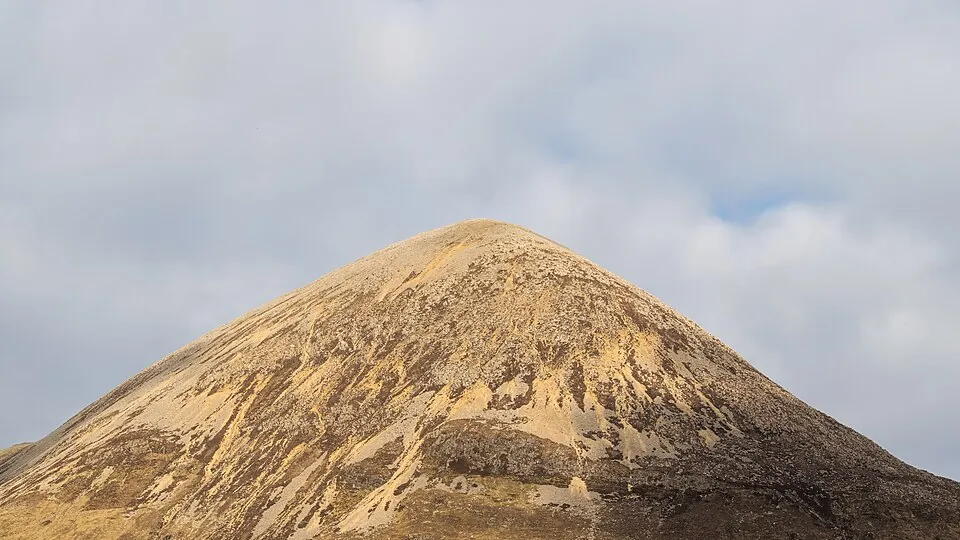
The summit of Beinn Ghlas at 1103 metres is a rocky, exposed peak sitting prominently on the ridge between the car park and Ben Lawers itself. The cairn marks a spectacular viewpoint, with Loch Tay stretching away below like a silver ribbon through the mountains. The top provides minimal natural shelter, being fully exposed to prevailing winds, but the views more than compensate for any discomfort.
From Beinn Ghlas, the onward ridge to Ben Lawers is clearly visible, tempting you to continue to the higher summit. Looking back, the mountains you've already traversed create a satisfying sense of achievement. The summit panorama extends across Perthshire's mountains, with peaks visible from the Cairngorms to the southern Highlands.
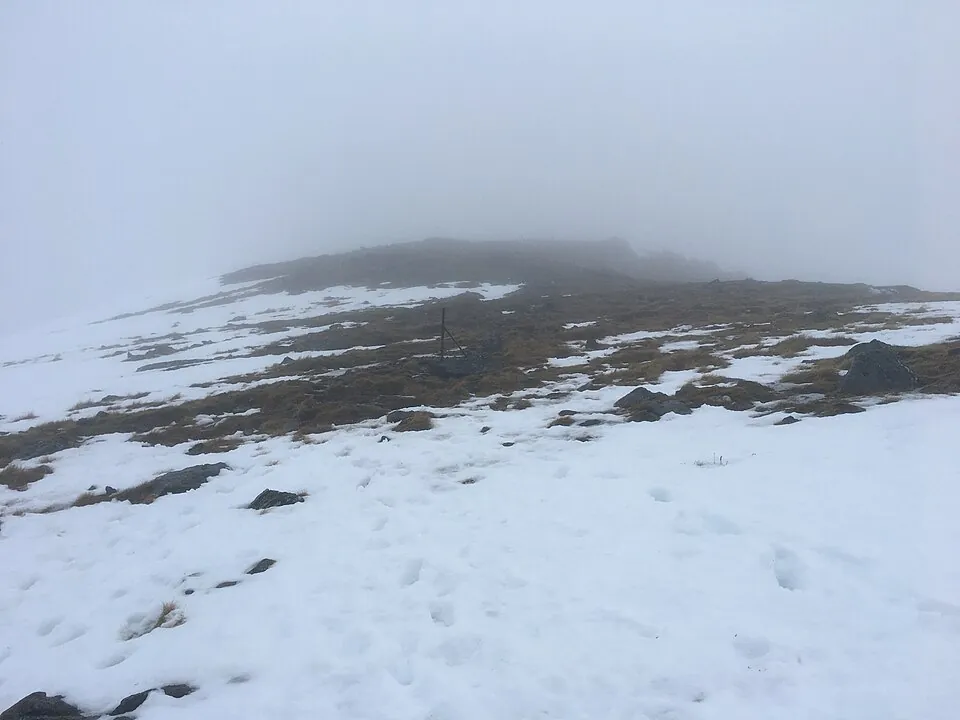
In poor visibility, the well-cairned path helps with navigation, though compass work remains essential for safe route-finding from the summit of Beinn Ghlas.
Beinn Ghlas is renowned for its arctic-alpine plant communities, with the Ben Lawers range supporting some of Britain's…
Beinn Ghlas is renowned for its arctic-alpine plant communities, with the Ben Lawers range supporting some of Britain's rarest mountain flora. The underlying schist bedrock creates base-rich soils that support species found nowhere else in the UK. Even if you're not a botanist, you'll notice the rich diversity of plant life on the slopes of Beinn Ghlas, particularly in late spring and early summer when alpine flowers are blooming.
Lower slopes feature heather moorland with scattered patches of richer grassland supporting orchids and gentians. As you climb Beinn Ghlas above 900 metres, look for mountain avens, purple saxifrage, and moss campion clinging to rocky ledges. The National Trust for Scotland manages these botanically precious slopes carefully, so please stick to paths to avoid damaging rare plants. Ptarmigan inhabit the summit areas of Beinn Ghlas, while red deer graze the lower slopes.
Mountain hares are present though not abundant, and you might spot their tracks in snow during winter climbs. Ravens and buzzards patrol the ridges, and ring ouzels occupy the rocky corries in summer months.
Despite the well-maintained paths and facilities, Beinn Ghlas remains a serious mountain requiring proper preparation…
Despite the well-maintained paths and facilities, Beinn Ghlas remains a serious mountain requiring proper preparation and equipment. The difficulty rating of 4 out of 5 reflects the sustained nature of the circuit and the altitude you'll reach. Carry full mountain kit including waterproofs, warm layers, map, compass, GPS device, and sufficient food and water for the 5.5 to 7.2-hour expedition.
Weather at 1103 metres can be dramatically different from conditions in the car park, with strong winds and low cloud common even when the base is clear.
The rocky terrain on the upper slopes of Beinn Ghlas requires sure footing, particularly in wet or icy conditions. Walking poles help with both ascent and descent, reducing strain on knees during the long day. While the bog level is relatively low at 2 out of 5, waterproof boots remain essential. If continuing to Ben Lawers and beyond, ensure you have sufficient time and energy for the extended route.
The popularity of this mountain means rescue services are relatively nearby, but you should still be self-sufficient and capable of self-rescue if needed. Please respect the unique botanical heritage of Beinn Ghlas by staying on paths and avoiding trampling rare plant communities. Check weather forecasts before setting out, and be prepared to turn back if conditions deteriorate, particularly regarding wind exposure on the high ridge.
Explore more peaks near Perthshire.
Common questions about climbing Beinn Ghlas.
Beinn Ghlas stands at 1,103 metres (3,619 feet), making it the 49th tallest of all 282 Munros in Scotland.
The name Beinn Ghlas translates from Scottish Gaelic as “Grey-Green Mountain”.
Climbing Beinn Ghlas typically takes between 5.5 and 7.2 hours round trip. This varies with fitness, weather, and the route chosen.
There is dedicated parking at the standard starting point for the main route up Beinn Ghlas, in the Perthshire area. The exact car park location, map pin and arrival guidance are in the free Munros app.
Beinn Ghlas is rated Hard (difficulty 4/5).
The most popular route up Beinn Ghlas covers 15.9km, 5.5–7.2 hours round trip.
Beinn Ghlas (difficulty 4/5 at 1,103m) is best suited to experienced hillwalkers in the Perthshire area. Expect sustained steep terrain and the need for confident navigation in poor visibility.
Beinn Ghlas is in the Perthshire region of Scotland. Nearby Munros include An Stùc, Beinn Dearg (Blair Atholl), Beinn Heasgarnich.
Step-by-step directions, GPS navigation, exact parking and offline maps for Beinn Ghlas — free in the Munros app.
Free — Download on theApp StoreTrack all 282 Munros, plan routes, and log every summit. Join 2,400+ hillwalkers already using Munros.app.