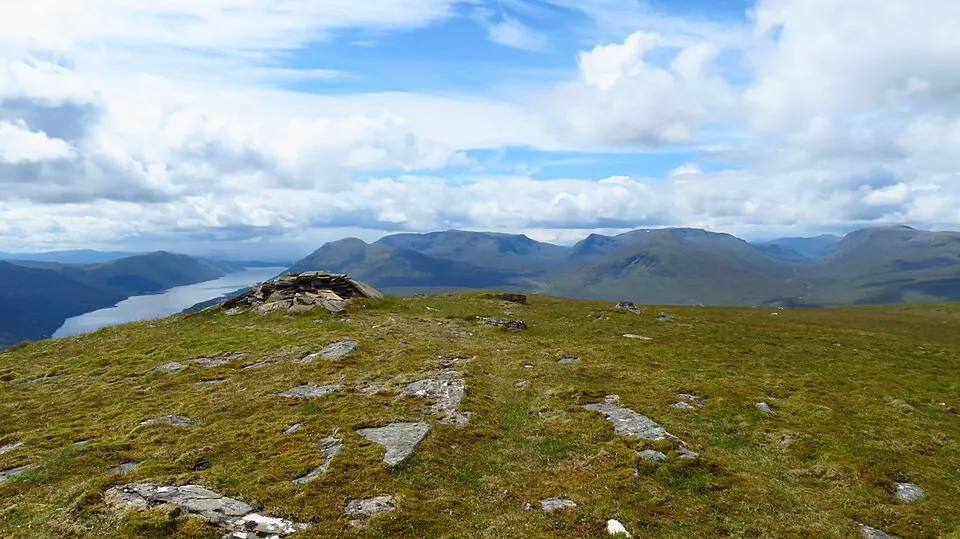
Beinn Mhanach
“Monk's Mountain”
“Monk's Mountain”
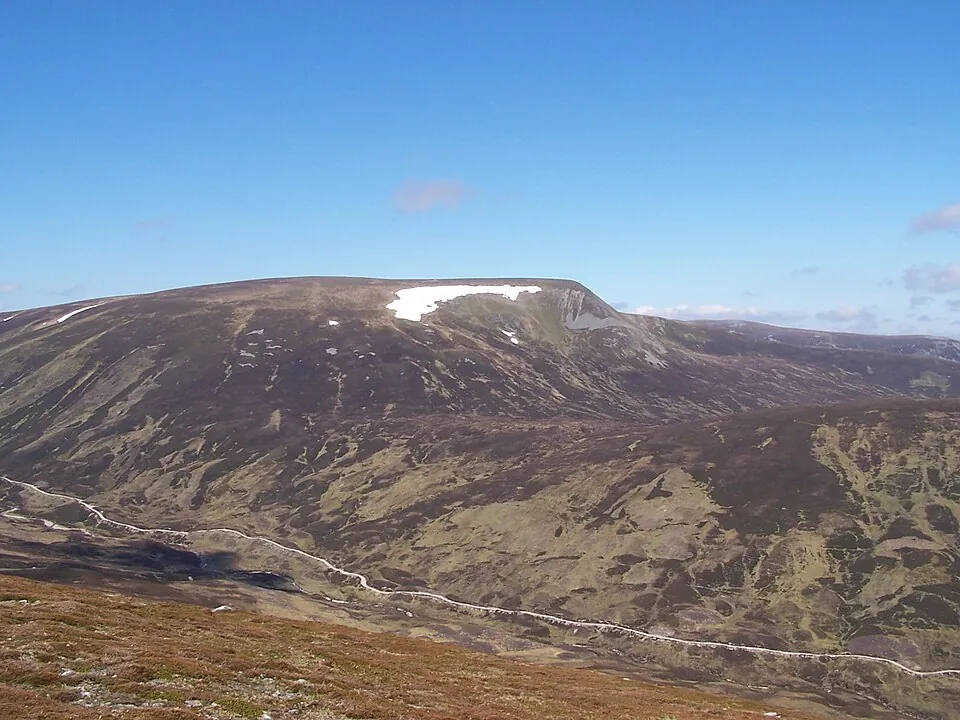
Beinn Mhanach is a 953m Munro in the Cairngorms region, its Gaelic name meaning “monk's mountain”. It stands 214th of the 282 Munros by height. The usual ascent — Beinn Mhanach from Glen Feshie — is a 29.4km round trip taking 9.3–12.1 hours, rated hard (4/5).
There is 1 route to the summit of Beinn Mhanach, covering 29.4km.
Beinn Mhanach, the 'Monk's Mountain', stands at 953 metres and presents one of Scotland's most challenging access…
Beinn Mhanach, the 'Monk's Mountain', stands at 953 metres and presents one of Scotland's most challenging access problems. The route from Auch in Glen Feshie covers a gruelling 29 kilometres across remote, pathless terrain requiring 9-12 hours of sustained effort. You'll face long approaches across boggy moorland before even beginning the serious climbing, with the gradient building steadily as you work towards this isolated peak that sits far from any road.
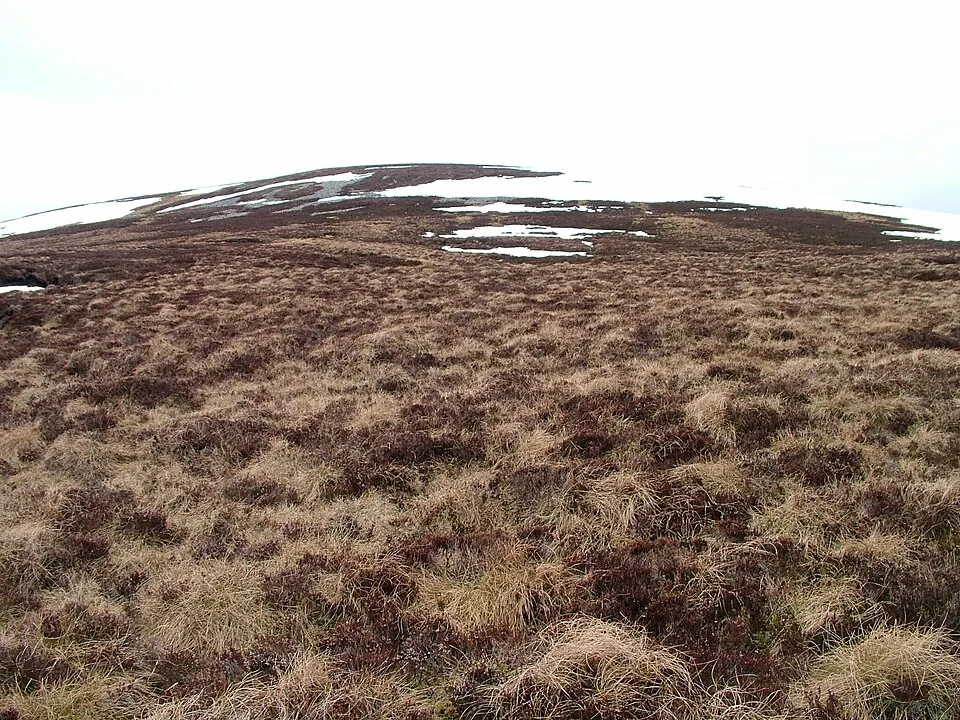
The terrain on Beinn Mhanach is notoriously wet and rough, with the 4/5 bog level creating exhausting underfoot conditions throughout much of the route. Expect to battle through tussocky grass, deep peat hags, and waterlogged sections that test your stamina and resolve. Path quality is virtually non-existent once you leave the initial tracks, making this a serious navigation challenge across featureless terrain.
The 4/5 difficulty reflects the extreme remoteness, limited escape options, and the physical and mental demands of such a long day across challenging ground.
Beinn Mhanach demands maximum daylight hours, making the long days of late spring and summer essential for most walkers.…
Beinn Mhanach demands maximum daylight hours, making the long days of late spring and summer essential for most walkers. Even in midsummer, a dawn start is crucial to complete the 9-12 hour route before darkness, with the physical demands meaning you'll likely be slower than your usual pace. The Cairngorms region can experience better weather than western mountains, but conditions remain highly variable at any time of year.
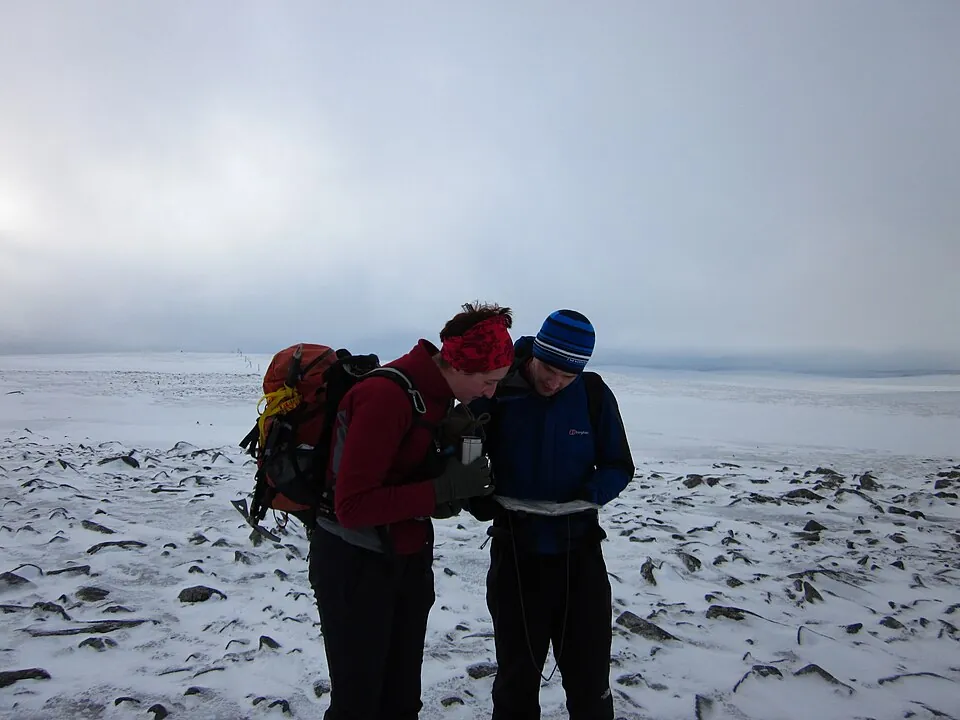
Winter attempts on Beinn Mhanach are exceptionally serious, with short daylight, deep snow, and the extreme distances making this barely feasible for even the strongest parties. The waterlogged terrain freezes solid in winter, which can actually improve going, but navigation becomes even more critical in white-out conditions across such vast, featureless terrain.
Stalking season from August through October may require estate contact, though the remoteness means less pressure than more accessible hills. Whatever the season, expect weather to be a major factor on Beinn Mhanach.
Access to Beinn Mhanach begins at Auch in Glen Feshie, though there appears to be some confusion in the route data as…
Access to Beinn Mhanach begins at Auch in Glen Feshie, though there appears to be some confusion in the route data as Auch is actually located in Glen Orchy, not Glen Feshie. The parking is basic and serves walkers heading into the vast empty country to the north and east. This remote location is reached via the A82 with parking near the estate buildings, though space is limited and the long-distance nature of the route means cars will be left all day.
The location is isolated, with the nearest facilities many miles away in Bridge of Orchy or further afield. Ensure you're fully equipped before arriving, as there's no opportunity to purchase forgotten items once you're here. Mobile phone signal is limited at best and non-existent once you head into the hills towards Beinn Mhanach.
The commitment required for this mountain begins the moment you park, knowing that you're embarking on one of Scotland's longest and most demanding Munro expeditions with help many hours away in any direction.
The summit of Beinn Mhanach at 953 metres provides a brief moment of satisfaction in what is likely to be an exhausting…
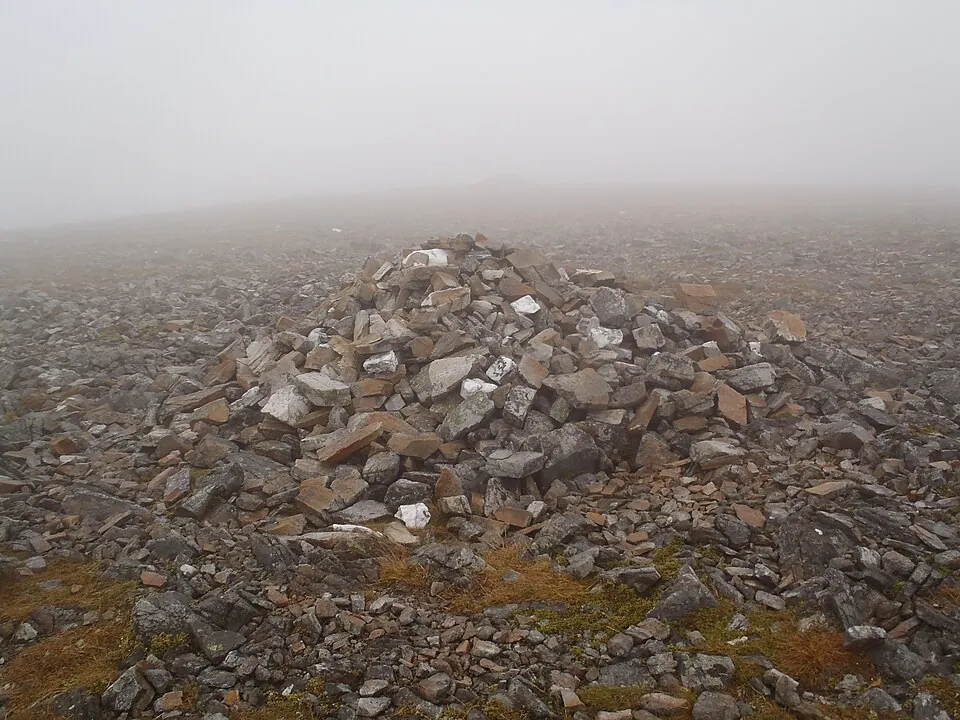
The summit of Beinn Mhanach at 953 metres provides a brief moment of satisfaction in what is likely to be an exhausting day, with a cairn marking the top amid stony, windswept terrain. The summit offers extensive views across the vast empty country of the central Highlands, though you may be too focused on the long return journey to fully appreciate them.
Shelter is non-existent, with the exposed summit plateau leaving you vulnerable to whatever weather sweeps across these remote heights.
The top of Beinn Mhanach sits within broad, undulating high ground that can be extremely confusing in cloud or poor visibility. Precise navigation is essential to identify the true summit among false tops and to maintain accurate bearings for the descent. The sense of remoteness is overwhelming, with the awareness that you're many hours from any road or assistance.
In clear conditions, the mountain offers a true wilderness experience, but in poor visibility, the featureless terrain of Beinn Mhanach becomes a serious navigational challenge that tests even experienced hillwalkers.
The vast approaches to Beinn Mhanach cross extensive blanket bog and heather moorland, with the 4/5 bog level reflecting…
The vast approaches to Beinn Mhanach cross extensive blanket bog and heather moorland, with the 4/5 bog level reflecting the dominance of wetland habitats. These peatlands support characteristic plant communities including sphagnum mosses, cotton grass, heather, and bog myrtle, creating a colourful tapestry during summer months despite the challenging underfoot conditions. Red deer are common throughout this landscape, often encountered in large herds on the open moorland.
Higher on Beinn Mhanach, the vegetation transitions to montane grassland and heath, with hardy species adapted to exposure, poor soils, and grazing pressure. Golden eagles hunt across this remote territory, and the isolation makes this excellent raptor habitat. Mountain hares inhabit the higher slopes, while ptarmigan may be encountered on the summit plateau.
The wetland character supports diverse breeding waders in summer, including golden plover, dunlin, and greenshank on the lower approaches. The remoteness of Beinn Mhanach means wildlife is less disturbed than in more accessible locations, rewarding observant walkers with sightings.
Beinn Mhanach is among Scotland's most demanding Munros, requiring exceptional fitness, navigation skills, and mental…
Beinn Mhanach is among Scotland's most demanding Munros, requiring exceptional fitness, navigation skills, and mental toughness. The 29km distance and 4/5 bog level mean only very experienced, fit hillwalkers should attempt this route. Carry full navigation equipment including map, compass, and GPS with spare batteries, and be confident using them in pathless terrain and poor visibility.
The extreme distance means navigation errors can have serious consequences, potentially adding hours to an already very long day.
Start at dawn and carry sufficient food and water for up to 12 hours of sustained effort. Water sources exist on the route but may be difficult to locate precisely, so carry purification tablets and adequate capacity. The 4/5 bog rating means waterproof boots and gaiters are absolutely essential, though expect wet feet regardless. Phone signal is non-existent throughout, making self-rescue your only option if problems arise.
Pack comprehensive emergency equipment including shelter, extra food, warm layers, and first aid supplies. The remoteness of Beinn Mhanach means any injury or navigational error has very serious consequences, so turn back early if you're falling behind schedule or conditions deteriorate. This is emphatically not a route for marginal weather, marginal fitness, or marginal navigation skills.
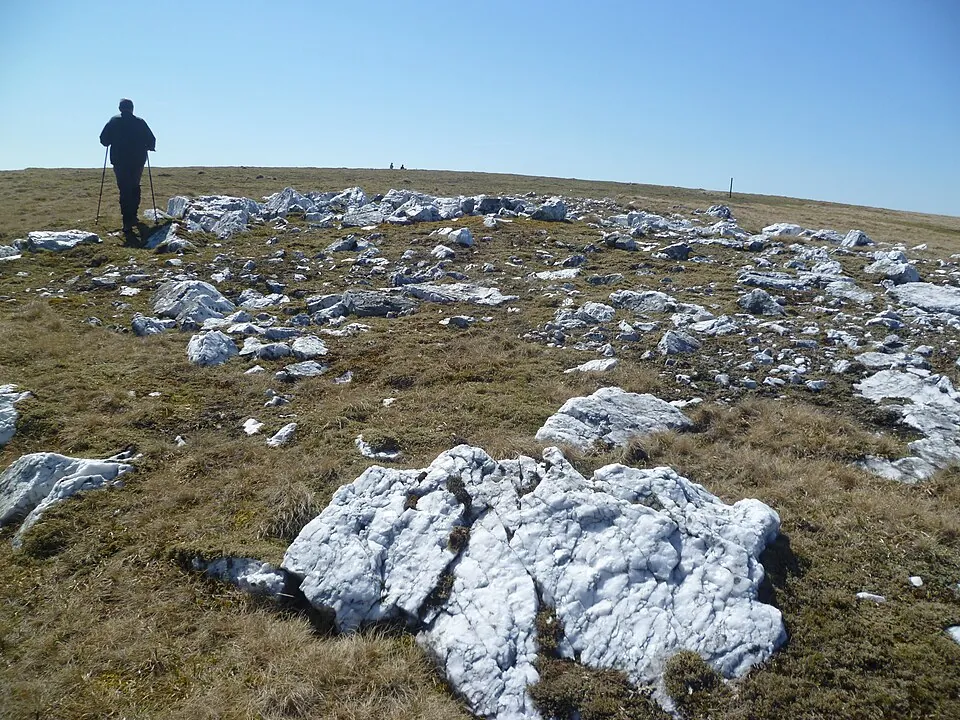
Explore more peaks near Cairngorms.
Common questions about climbing Beinn Mhanach.
Beinn Mhanach stands at 953 metres (3,127 feet), making it the 214th tallest of all 282 Munros in Scotland.
The name Beinn Mhanach translates from Scottish Gaelic as “Monk's Mountain”.
Climbing Beinn Mhanach typically takes between 9.3 and 12.1 hours round trip. This varies with fitness, weather, and the route chosen.
There is dedicated parking at the standard starting point for the main route up Beinn Mhanach, in the Cairngorms area. The exact car park location, map pin and arrival guidance are in the free Munros app.
Beinn Mhanach is rated Hard (difficulty 4/5).
The most popular route up Beinn Mhanach covers 29.4km, 9.3–12.1 hours round trip.
Beinn Mhanach (difficulty 4/5 at 953m) is best suited to experienced hillwalkers in the Cairngorms area. Expect sustained steep terrain and the need for confident navigation in poor visibility.
Beinn Mhanach is in the Cairngorms region of Scotland. Nearby Munros include A' Bhuidheanach Bheag, A' Chailleach (Monadhliath), A' Mharconaich.
Step-by-step directions, GPS navigation, exact parking and offline maps for Beinn Mhanach — free in the Munros app.
Free — Download on theApp StoreTrack all 282 Munros, plan routes, and log every summit. Join 2,400+ hillwalkers already using Munros.app.