Bynack More
“Big Peat Moss”
“Big Peat Moss”
Bynack More is a 1,090m Munro in the Cairngorms region, its Gaelic name meaning “big peat moss”. It stands 56th of the 282 Munros by height. The usual ascent — Bynack More from Glenmore — is a 19.9km round trip taking 5.5–7.2 hours, rated challenging (3/5).
There is 1 route to the summit of Bynack More, covering 19.9km.
Bynack More rises as a distinctive peak on the northern fringes of the Cairngorms, with the route from Glenmore covering…
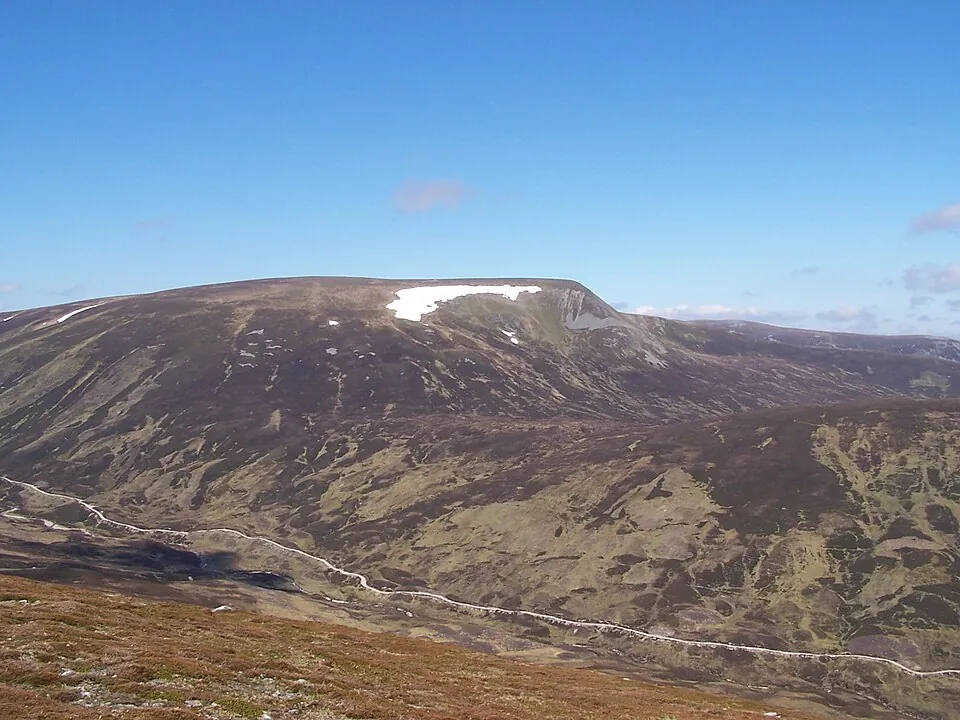
Bynack More rises as a distinctive peak on the northern fringes of the Cairngorms, with the route from Glenmore covering 19.9km over 5-7 hours. The 3/5 difficulty rating reflects a mix of good path sections and more challenging terrain, with the distance being a significant factor in the overall challenge rather than technical difficulty.
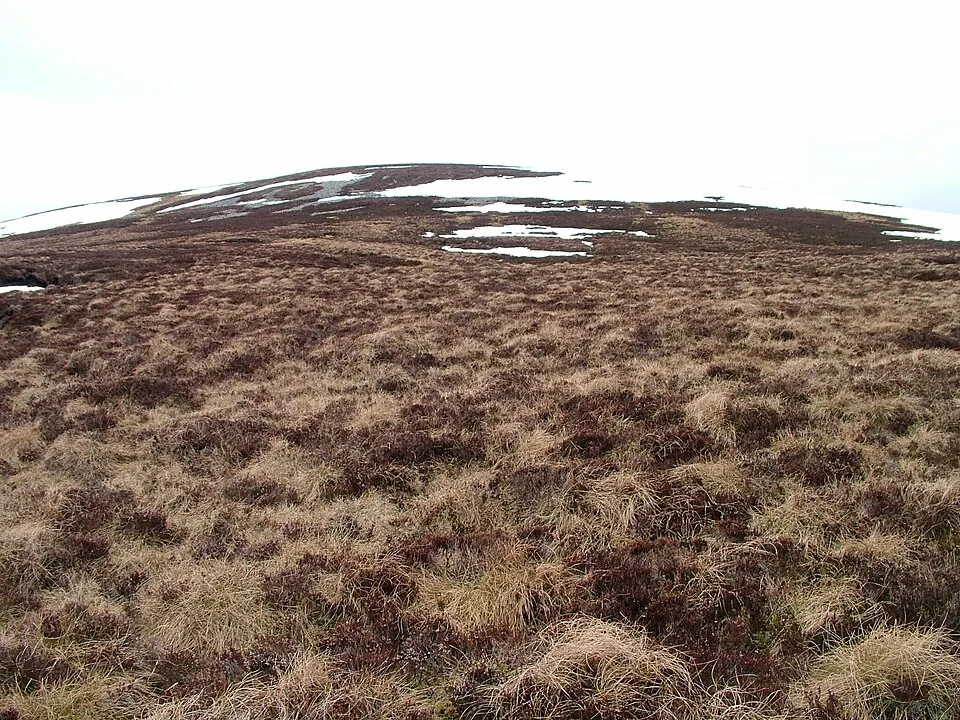
The ascent of Bynack More involves a long approach through the ancient Caledonian pine forest of Glenmore before climbing onto more open mountain terrain. The 3/5 bog rating means you'll encounter wet ground in places, particularly on the approach sections and the plateau areas, so waterproof boots are essential for comfort. The gradient is generally steady, with the final climb to Bynack More's 1090m summit steepening as you ascend the mountain's distinctive cone.
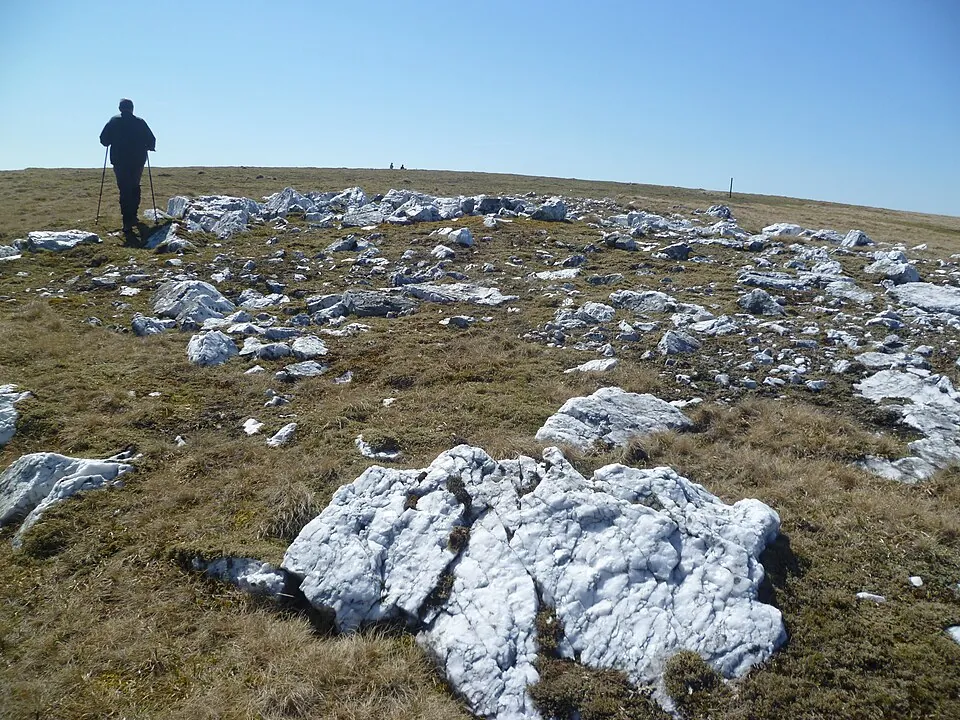
The terrain becomes rockier near the top, with the famous Barns of Bynack—dramatic rock tors—adding character to the route.
The 5-7 hour route makes Bynack More accessible across the main hillwalking season from April through October, though…
The 5-7 hour route makes Bynack More accessible across the main hillwalking season from April through October, though the extended daylight of May through September provides the most comfortable time margins. The relatively moderate duration means this can be tackled during the shorter days of spring and autumn, though you should still plan for an early start.
The Cairngorms experience subarctic conditions, and Bynack More at 1090m sits well into the zone where weather can be severe even in summer. The mountain often catches cloud when lower areas are clear, and wind speeds can be high on the exposed summit and plateau sections. Winter transforms this into a serious expedition requiring full winter skills and equipment.
The northern Cairngorms receive significant snowfall, and Bynack More can hold snow well into spring, adding both time and technical difficulty to the ascent.
Bynack More is accessed from Allt Mòr Car Park in Glenmore, located in the heart of the Cairngorms near Loch Morlich.…
Bynack More is accessed from Allt Mòr Car Park in Glenmore, located in the heart of the Cairngorms near Loch Morlich. The car park is reached via the B970 from Aviemore, passing through Glenmore village with its excellent facilities including the Cairngorm Reindeer Centre and forest trails.
The car park can fill during busy summer periods, so early arrival is advisable, particularly on weekends. Aviemore is the main service center for the area, easily reached via the A9 from Inverness or Perth, with good facilities including outdoor shops, accommodation, and the funicular railway visitor center. The roads are well-maintained and accessible year-round, though winter can bring snow requiring care on minor roads.
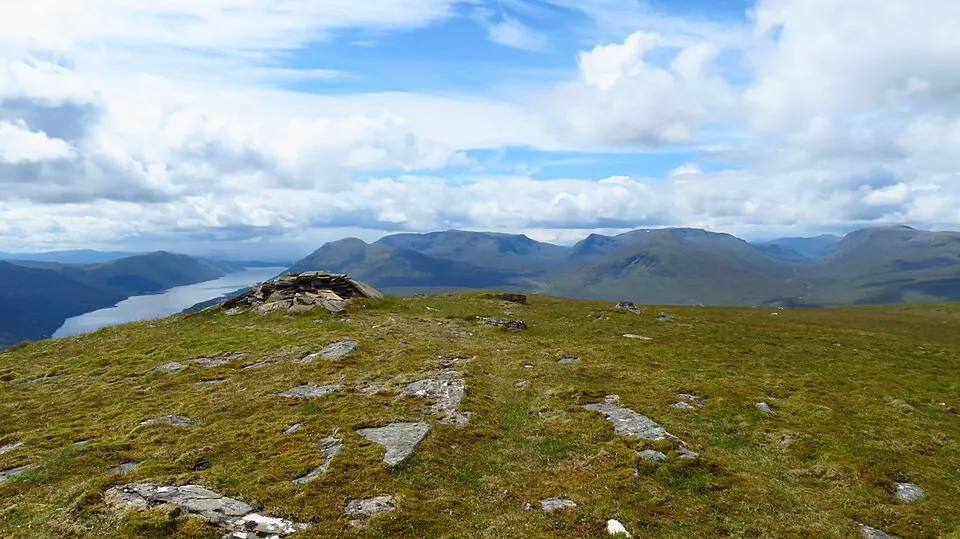
At 1090m, the summit of Bynack More is a rocky peak offering a commanding position on the northern Cairngorms. You'll…
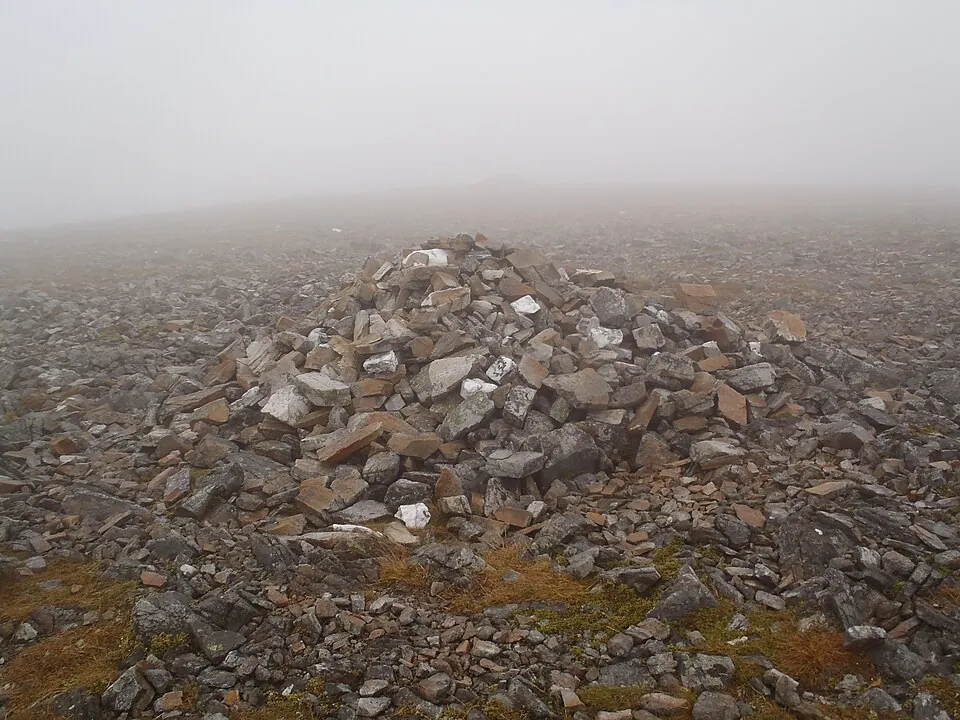
At 1090m, the summit of Bynack More is a rocky peak offering a commanding position on the northern Cairngorms. You'll find a substantial cairn marking the highest point, with the summit area relatively small compared to the broad plateaus of some neighboring Cairngorm peaks.
The summit of Bynack More provides limited shelter from the wind, which can be fierce on this exposed northern outlier. The views are exceptional on clear days—across the main Cairngorm plateau to the big peaks, north toward the Moray Firth, and west to the great glens. The distinctive rock tors of the Barns of Bynack, visible from the summit, add dramatic character to the landscape.
The summit's rocky nature gives it an alpine feel, contrasting with the forested approaches far below.
The approach to Bynack More through Glenmore Forest offers exceptional wildlife watching opportunities. This ancient…
The approach to Bynack More through Glenmore Forest offers exceptional wildlife watching opportunities. This ancient Caledonian pine woodland is one of Scotland's most important habitats, supporting red squirrels, pine martens, red deer, and specialist birds including Scottish crossbills, crested tits, and capercaillie—though the latter are rare and sensitive to disturbance.
As you climb above the treeline toward Bynack More, you'll pass through heather moorland transitioning to montane heath. At higher elevations approaching 1090m, the habitat becomes truly arctic-alpine, with ptarmigan, mountain hares, and dotterel in summer. The Cairngorms support Britain's only free-ranging reindeer herd, sometimes encountered on these northern mountains. Golden eagles patrol the area, and the remoteness of Bynack More makes it prime hunting territory.
The northern Cairngorms' ecology reflects the drier eastern climate compared to western ranges.
The 3/5 difficulty rating means Bynack More requires good fitness and solid navigation skills, particularly given the…
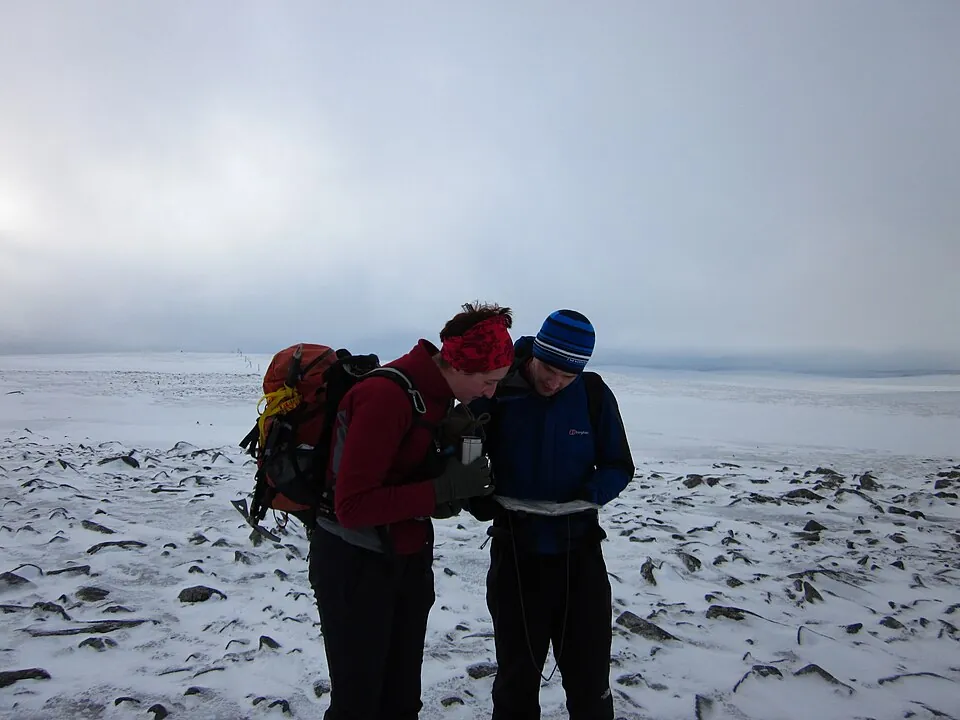
The 3/5 difficulty rating means Bynack More requires good fitness and solid navigation skills, particularly given the 20km distance and 3/5 bog rating that indicates wet ground in places. Navigation on the plateau approaches and in the corries can be challenging in cloud, so confident compass work is essential before you're relying on it in poor visibility.
Carry adequate water—while streams exist on approach, they become scarce on the higher terrain. Pack substantial food for the 5-7 hour day and layer clothing for variable conditions. The weather at 1090m can be significantly worse than in the forest below, with hypothermia risk real even in summer if caught out in wind and rain without proper gear. Mobile phone signal is unreliable across much of the route.
The 3/5 bog rating means gaiters are worth considering after wet weather. Always inform someone of your plans and expected return time.
Explore more peaks near Cairngorms.
Common questions about climbing Bynack More.
Bynack More stands at 1,090 metres (3,576 feet), making it the 56th tallest of all 282 Munros in Scotland.
The name Bynack More translates from Scottish Gaelic as “Big Peat Moss”.
Climbing Bynack More typically takes between 5.5 and 7.2 hours round trip. This varies with fitness, weather, and the route chosen.
There is dedicated parking at the standard starting point for the main route up Bynack More, in the Cairngorms area. The exact car park location, map pin and arrival guidance are in the free Munros app.
Bynack More is rated Challenging (difficulty 3/5).
The most popular route up Bynack More covers 19.9km, 5.5–7.2 hours round trip.
Bynack More (difficulty 3/5 at 1,090m in the Cairngorms area) suits walkers with solid hillwalking experience. Expect rough or boggy ground on sections but no technical scrambling.
Bynack More is in the Cairngorms region of Scotland. Nearby Munros include A' Bhuidheanach Bheag, A' Chailleach (Monadhliath), A' Mharconaich.
Step-by-step directions, GPS navigation, exact parking and offline maps for Bynack More — free in the Munros app.
Free — Download on theApp StoreTrack all 282 Munros, plan routes, and log every summit. Join 2,400+ hillwalkers already using Munros.app.