Cruach Àrdrain
1,046m
Argyll
“High Stack”
1,046mHeight
23.5kmRound trip
6.4–8.3hWalk time
HardDifficulty 4/5
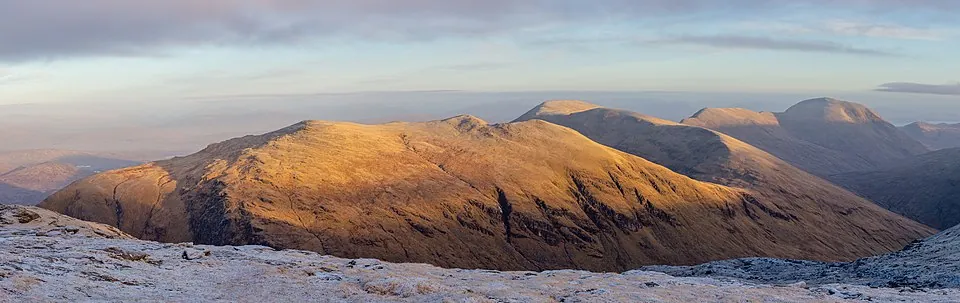
Photo: GeographBot · CC BY-SA 2.0
“High Stack”
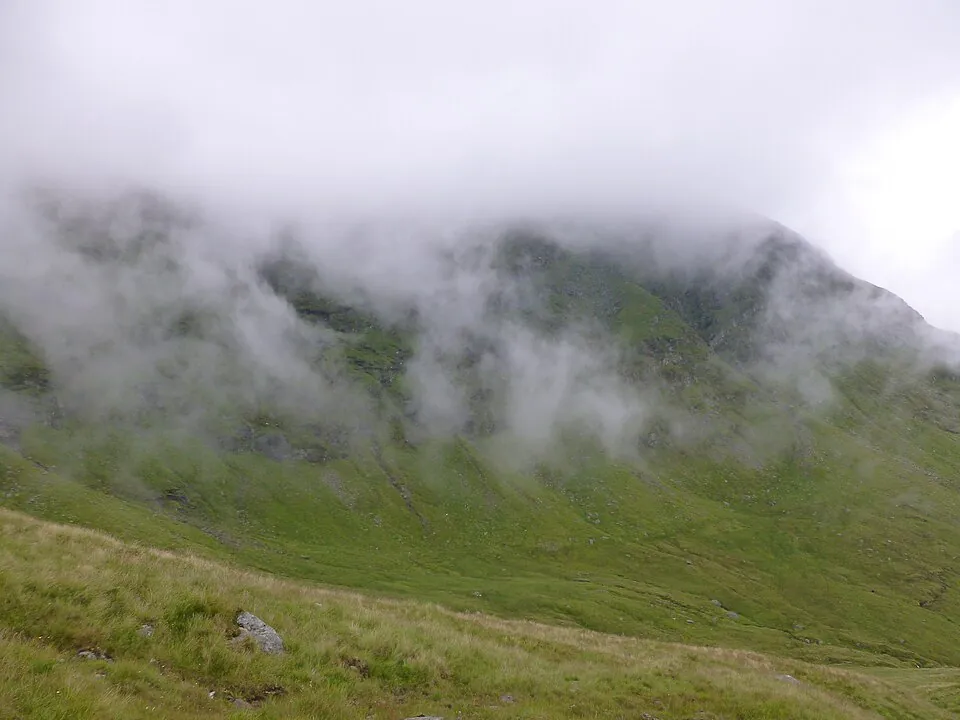
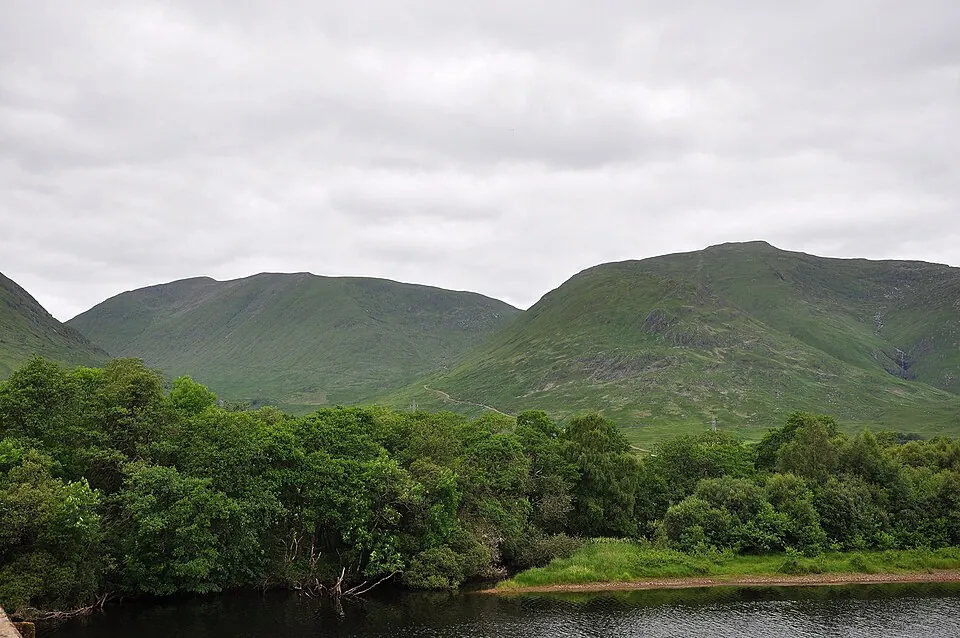
Cruach Àrdrain is a 1,046m Munro in the Argyll region, its Gaelic name meaning “high stack”. It stands 90th of the 282 Munros by height. The usual ascent — Cruach Àrdrain and Beinn Tulaichean from Glen Lochay — is a 23.5km round trip taking 6.4–8.3 hours, rated hard (4/5).
There are 2 routes to the summit of Cruach Àrdrain, ranging from 23.5km.
The ascent of Cruach Àrdrain from Glen Lochay involves a substantial mountain expedition into the remote hills north of…
The ascent of Cruach Àrdrain from Glen Lochay involves a substantial mountain expedition into the remote hills north of Crianlarich. The 23.5-kilometre route takes 6-8 hours and typically combines Cruach Àrdrain with Beinn Tulaichean in a challenging double-Munro outing. The terrain is varied and demanding, beginning with a long approach through the glen before climbing onto open hillsides.
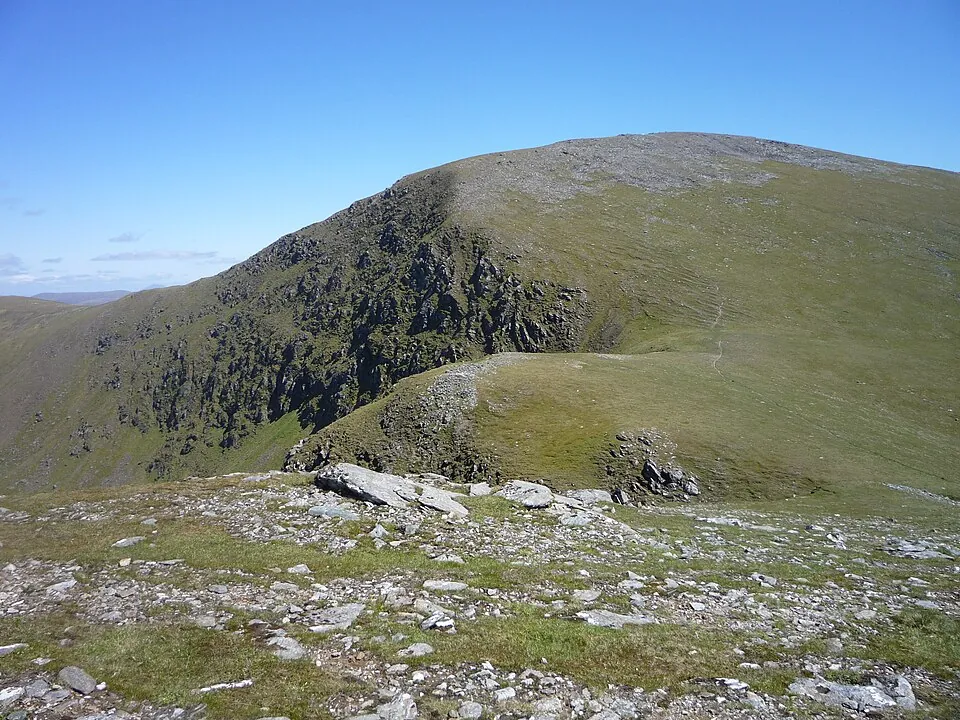
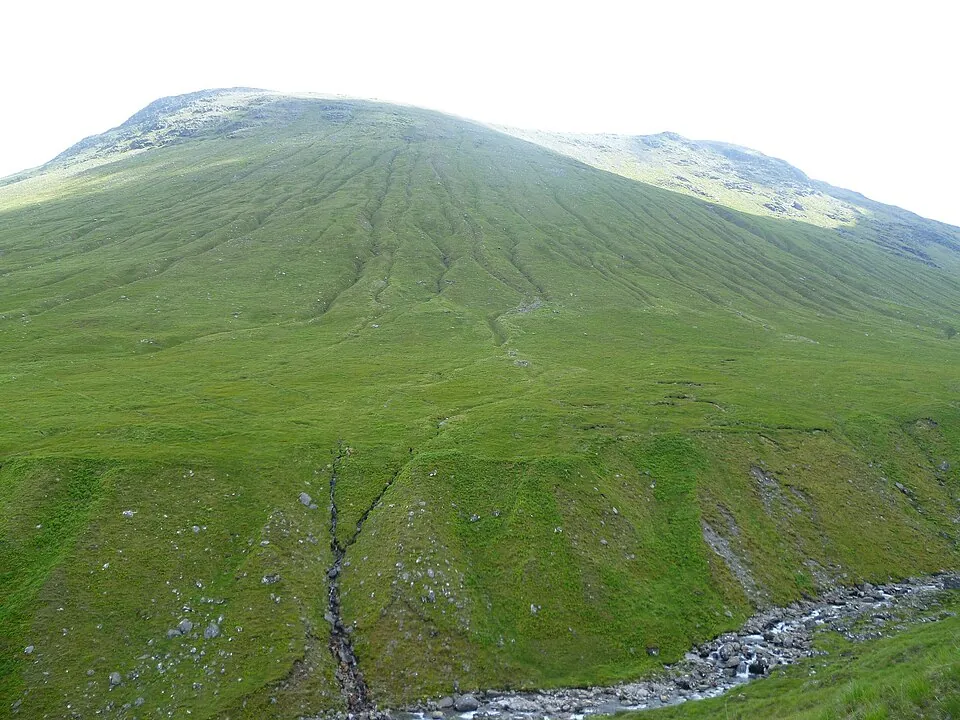
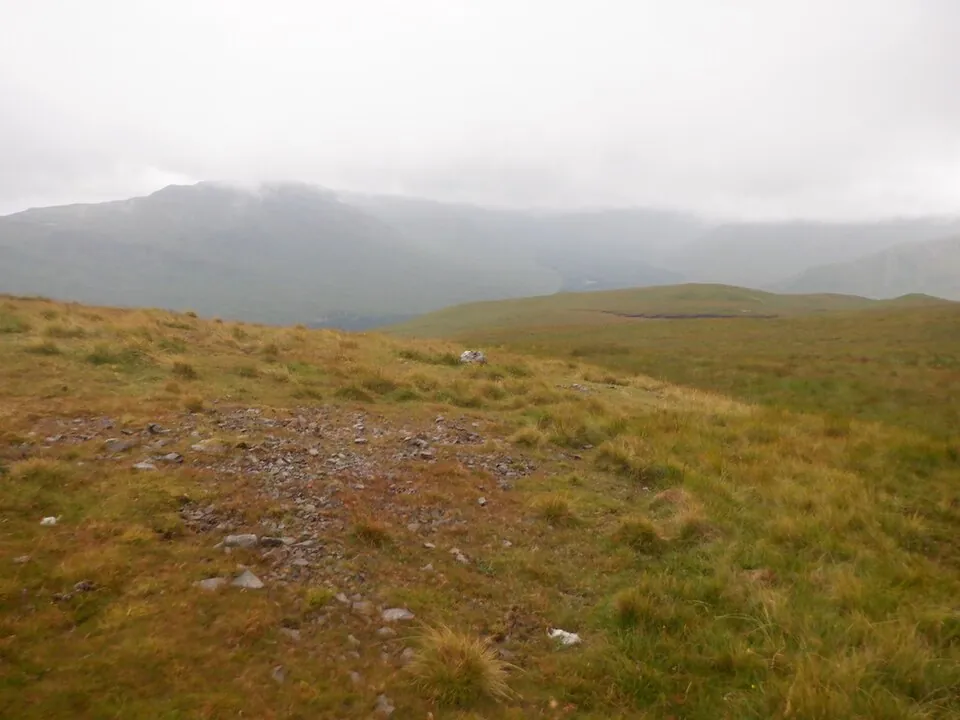
The boggy nature of the lower approaches is reflected in the 3/5 bog level, with peaty ground and wet sections requiring patience and energy. As you climb towards Cruach Àrdrain's 1046-metre summit, the ground becomes firmer with grassy slopes giving way to rockier terrain near the top. The mountain's name, meaning High Stack, suggests its prominent position, and the upper reaches feature rocky outcrops and steep sections that demand careful navigation.
The gradient is generally sustained rather than extremely steep, but the distance and accumulated altitude gain make Cruach Àrdrain a serious undertaking. The 4/5 difficulty rating reflects the length, navigation challenges, and the remote nature of the terrain. Cruach Àrdrain occupies wild country where the sense of being deep in the mountains is profound.
Cruach Àrdrain is best climbed between May and September when daylight hours extend sufficiently to accommodate the 6-8…
Cruach Àrdrain is best climbed between May and September when daylight hours extend sufficiently to accommodate the 6-8 hour route and when the boggy approaches are at their most manageable. The Argyll location means Cruach Àrdrain receives substantial Atlantic rainfall, so selecting a settled weather window is crucial for both safety and enjoyment.
Summer offers the longest days, essential for this extensive route, with July and August typically providing the most stable conditions for tackling Cruach Àrdrain. Early autumn can be excellent, with September often delivering clear, cooler weather and fewer midges than the height of summer. The 1046-metre altitude of Cruach Àrdrain means genuine mountain weather, with temperatures dropping markedly from valley levels and wind speeds increasing considerably near the summit.
Winter ascents of Cruach Àrdrain require full winter mountaineering skills, as snow transforms the navigation and the steep upper sections become serious terrain requiring ice axe and crampons. Snow can persist on Cruach Àrdrain into late spring. The boggy ground on the approaches will be wettest from October through April, making summer the preferred season.
Always check detailed mountain forecasts before attempting Cruach Àrdrain, and start early to maximise available daylight.
Access to Cruach Àrdrain begins from parking areas in Glen Lochay or alternatively from Inverlochlarig to the south,…
Access to Cruach Àrdrain begins from parking areas in Glen Lochay or alternatively from Inverlochlarig to the south, depending on your chosen route. For the Glen Lochay approach to Cruach Àrdrain, access is via the minor road that branches south from Killin on the A827. Glen Lochay is a long, scenic glen reached by a single-track road with passing places that follows the River Lochay for several miles.
Parking is available at Glen Lochay Car Park or at Inverlochlarig, both offering starting points for the long approach to Cruach Àrdrain. Killin is approximately 45 miles west of Perth and 50 miles north of Glasgow, making Cruach Àrdrain accessible as a long day trip from central Scotland. The glen roads are generally accessible year-round to cars, though winter conditions can be challenging.
Facilities including shops, cafes, and fuel are available in Killin, but once you enter the glens there are no services. The drive up Glen Lochay or into Inverlochlarig requires care on the narrow sections with passing places. From either parking area, Cruach Àrdrain is visible in the distance, and the long approach into the mountains begins immediately across moorland and through the glens.
Standing at 1046 metres on the summit of Cruach Àrdrain, you occupy a commanding position with extensive views across…
Standing at 1046 metres on the summit of Cruach Àrdrain, you occupy a commanding position with extensive views across the southern Highlands. The top of Cruach Àrdrain is rocky and exposed, with the cairn marking the highest point on what can be a windswept mountain.
From Cruach Àrdrain's summit, the views extend to the Crianlarich hills to the south, Ben Lawers and the Tarmachans to the northeast, and on clear days you can see west towards Ben Cruachan and the Argyll mountains. Neighbouring Beinn Tulaichean is often visible, as the two peaks are commonly climbed together. The summit area of Cruach Àrdrain provides limited shelter, and the full force of Atlantic weather systems can be felt at this altitude.
On clear days, the panorama from Cruach Àrdrain encompasses dozens of peaks and extends to distant horizons, with the distinctive shape of Ben Lomond visible to the south. The sense of remoteness on Cruach Àrdrain is strong, as this is not a heavily frequented peak, and you may well have the summit to yourself.
The rocky terrain and the effort required to reach Cruach Àrdrain make the summit experience particularly rewarding, with a genuine feeling of achievement after the long approach and sustained climb.
The landscape around Cruach Àrdrain reflects the wet, Atlantic-influenced climate of the southwestern Highlands,…
The landscape around Cruach Àrdrain reflects the wet, Atlantic-influenced climate of the southwestern Highlands, supporting diverse mountain habitats. The lower approaches feature rough grassland interspersed with extensive boggy areas where cotton grass, purple moor grass, and various sedges thrive in the waterlogged ground.
As you climb Cruach Àrdrain, heather becomes more prominent on the middle slopes, mixed with bilberry, cowberry, and cross-leaved heath in the damper areas. The western climate means lush vegetation compared to the drier eastern Highlands, and after rain the hillsides around Cruach Àrdrain are particularly green. Higher up, montane heath communities develop above 800 metres, with crowberry, bearberry, and hardy sedges adapted to the exposure.
Red deer are abundant throughout this region, and you'll frequently encounter herds on the approach to Cruach Àrdrain. Golden eagles hunt across these remote mountains, and sightings are possible on most trips. Buzzards are common lower down. Meadow pipits and skylarks provide the summer soundtrack, while wheatears nest among the rocks. Ptarmigan inhabit the highest ground on Cruach Àrdrain above 900 metres, and mountain hares are present on the upper slopes.
The wet flushes support sundew and butterwort, insectivorous plants adapted to the nutrient-poor environment.
Climbing Cruach Àrdrain demands thorough preparation and strong mountain competence. The 6-8 hour duration and…
Climbing Cruach Àrdrain demands thorough preparation and strong mountain competence. The 6-8 hour duration and 23.5-kilometre distance make this a serious undertaking requiring excellent fitness and pacing. Navigation skills are essential for Cruach Àrdrain, particularly on the featureless approaches and in the complex terrain near the summit where mist can cause disorientation. Carry map, compass, and GPS backup, and be confident using them in poor visibility.
The boggy approaches mean waterproof boots are non-negotiable, and gaiters will significantly improve comfort on Cruach Àrdrain. Pack substantial food and water, as reliable sources are limited once you leave the glens. Weather at 1046 metres can change rapidly, with Atlantic systems bringing sudden deterioration, so carry full waterproofs, multiple warm layers, hat, and gloves regardless of valley conditions.
Mobile signal is unreliable to absent throughout much of the route to Cruach Àrdrain, so inform someone of your detailed plans and expected return time. Start early to ensure sufficient daylight for the long route, building in margin for the slower pace imposed by boggy terrain. The 4/5 difficulty reflects genuine challenges, and Cruach Àrdrain should not be underestimated.
Be prepared to turn back if weather deteriorates, as the remote location makes retreat challenging once you're committed to the route.
Explore more peaks near Argyll.
Common questions about climbing Cruach Àrdrain.
Cruach Àrdrain stands at 1,046 metres (3,432 feet), making it the 90th tallest of all 282 Munros in Scotland.
The name Cruach Àrdrain translates from Scottish Gaelic as “High Stack”.
Climbing Cruach Àrdrain typically takes between 6.3 and 8.3 hours round trip. This varies with fitness, weather, and the route chosen — there are 2 routes to the summit.
There is dedicated parking at the standard starting point for the main route up Cruach Àrdrain, in the Argyll area. The exact car park location, map pin and arrival guidance are in the free Munros app.
Cruach Àrdrain is rated Hard (difficulty 4/5). Route difficulty varies across the 2 available routes.
The most popular route up Cruach Àrdrain covers 23.5km, 6.4–8.3 hours round trip. There are 2 routes to the summit in total, ranging from Hard to Hard difficulty.
Cruach Àrdrain (difficulty 4/5 at 1,046m) is best suited to experienced hillwalkers in the Argyll area. Expect sustained steep terrain and the need for confident navigation in poor visibility.
Cruach Àrdrain is in the Argyll region of Scotland. Nearby Munros include Beinn a' Chlèibh, Beinn a' Chochuill, Beinn a' Chreachain.
Step-by-step directions, GPS navigation, exact parking and offline maps for Cruach Àrdrain — free in the Munros app.
Free — Download on theApp StoreTrack all 282 Munros, plan routes, and log every summit. Join 2,400+ hillwalkers already using Munros.app.