Home Features Explore Munros Munro Map Reviews Get the App

Glas Bheinn Mhòr

“Big Grey-Green Mountain”

997mHeight
23kmRound trip
6.3–8.2hWalk time
HardDifficulty 4/5
Community
conditions
No reports yet — be the first to log this Munro
Log a climb
Track this summit
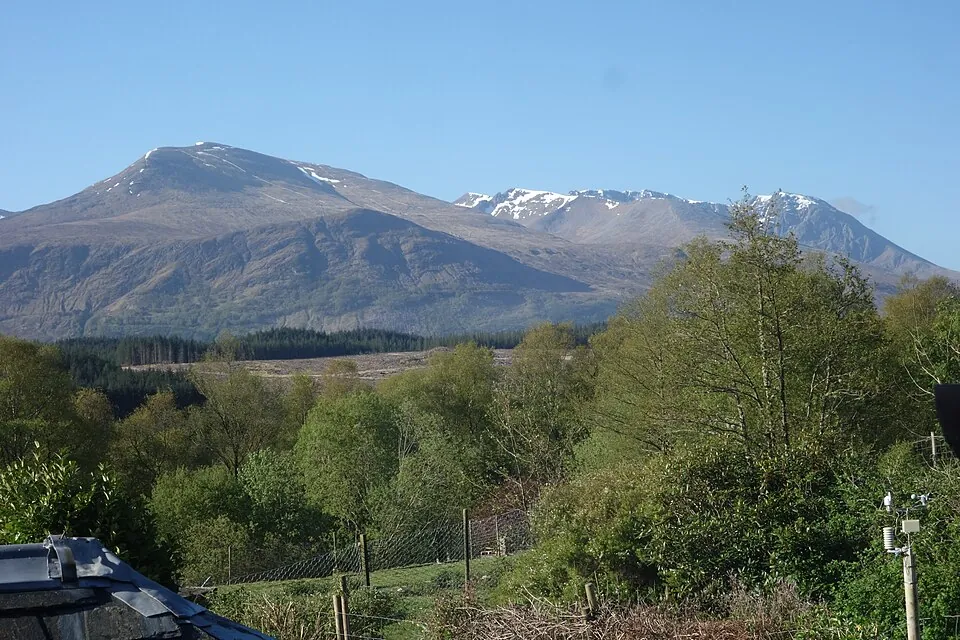
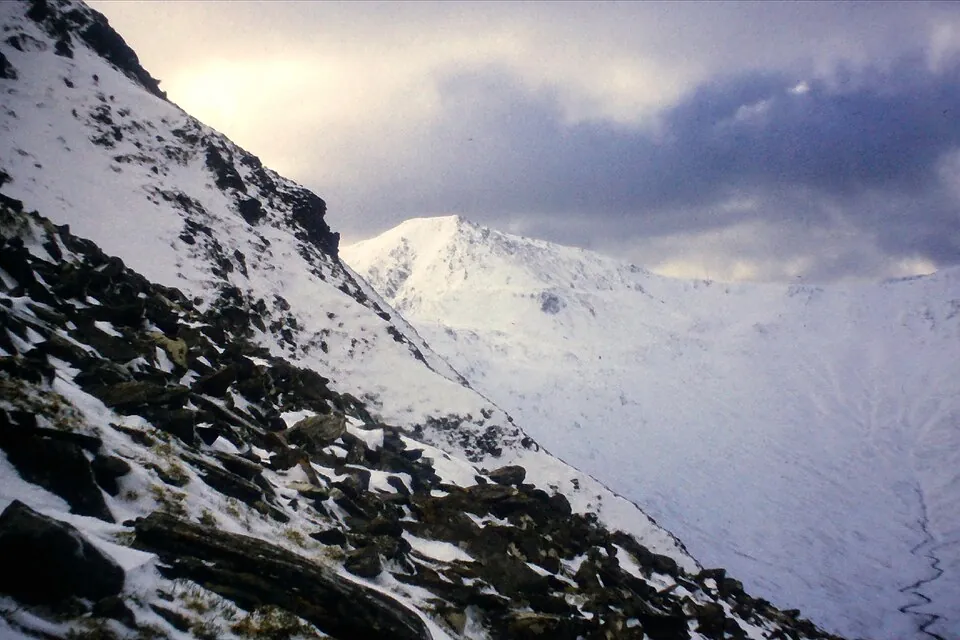
Photo: GeographBot · CC BY-SA 2.0
Overview

About this Munro

Glas Bheinn Mhòr is a 997m Munro in the Fort William region, its Gaelic name meaning “big grey-green mountain”. It stands 150th of the 282 Munros by height. The usual ascent — Glas Bheinn Mhòr from Kinlochleven — is a 23km round trip taking 6.3–8.2 hours, rated hard (4/5).

Height rank150th of 282
Coordinates56.5426°N 5.0041°W
OS Grid RefNN 154 429
GPS routes in the appSummit location — full route lines, parking pins & offline maps in the free app.
Plan your day

Routes & Navigation

There is 1 route to the summit of Glas Bheinn Mhòr, covering 23km.

Route preview

Glas Bheinn Mhòr from Kinlochleven

Hard
6.3–8.2h round trip23km distance↑798m ascent
Bog ratingModerate
ParkingKinlochleven
Step-by-step guideIn the app

Climbing Glas Bheinn Mhòr

The ascent of Glas Bheinn Mhòr from Kinlochleven is a serious undertaking, covering 23 kilometres of demanding terrain…

The ascent of Glas Bheinn Mhòr from Kinlochleven is a serious undertaking, covering 23 kilometres of demanding terrain through the heart of the Mamore range. This Big Grey-Green Mountain requires commitment and stamina, with complex navigation through remote glens and corries. The route features moderate to high bog levels underfoot, particularly in the approach stages, so expect wet going and possibly pathless sections where route-finding becomes critical.

Gradients vary from steady climbs through forested lower slopes to steeper, rockier pitches as you gain the ridges leading to Glas Bheinn Mhòr. The paths are less developed than on more popular Munros, adding to the mountain's wild character but also to the navigational challenge. The sheer distance and cumulative ascent make Glas Bheinn Mhòr a test of endurance, rewarding those who relish remote, less-frequented peaks over well-trodden highways.

Best Time to Climb Glas Bheinn Mhòr

Glas Bheinn Mhòr is best climbed during the longer days of late spring through early autumn, as the 23-kilometre route…

Glas Bheinn Mhòr is best climbed during the longer days of late spring through early autumn, as the 23-kilometre route demands substantial daylight hours. The Fort William region receives high rainfall year-round due to Atlantic weather systems, so waterproofs are essential regardless of season. Summer offers the most stable conditions and longest days, though even June can bring sustained rain to this part of the Highlands.

Winter ascents of Glas Bheinn Mhòr are serious propositions, with shortened daylight severely limiting available time and snow conditions requiring full winter skills and equipment. Early autumn can be magnificent, with clear, crisp days and stunning colours, but deteriorating weather and rapid daylight loss make late-season attempts risky. Spring brings renewed growth to the glens but also unpredictable conditions, with snow lingering at altitude well into May.

Whatever the season, check the forecast carefully before attempting Glas Bheinn Mhòr.

Getting to Glas Bheinn Mhòr

Glas Bheinn Mhòr is accessed from the village of Kinlochleven, which sits at the head of Loch Leven and is easily…

Glas Bheinn Mhòr is accessed from the village of Kinlochleven, which sits at the head of Loch Leven and is easily reached via the B863 from Glencoe or the B8355 from Fort William. Parking is available in Kinlochleven itself, with several options near the village centre or along the access roads. The community is well-equipped with facilities including shops and cafes for pre- or post-climb refreshments.

From the village, the route to Glas Bheinn Mhòr initially follows good tracks before heading into wilder terrain. Kinlochleven's position makes it a popular staging point for West Highland Way walkers, so parking can be competitive in summer. The long approach to Glas Bheinn Mhòr means you're committing to a full day from the moment you leave the car, with no quick escape routes once you're in the remote corries beneath the mountain.

Plan your logistics carefully, as this is not a peak to underestimate.

Glas Bheinn Mhòr Summit

Standing at 997 metres, the summit of Glas Bheinn Mhòr offers truly spectacular panoramas across the Fort William region…

Standing at 997 metres, the summit of Glas Bheinn Mhòr offers truly spectacular panoramas across the Fort William region and beyond. The views extend west to the islands of the Inner Hebrides and east across the Mamores to the Grey Corries and Ben Nevis massif itself. On clear days, the rocky summit provides a magnificent vantage point to appreciate the complex topography of this mountainous landscape.

The summit area is exposed to the prevailing south-westerly winds, and shelter is minimal, so you'll likely want to linger only briefly unless conditions are unusually calm. The cairn marking the highest point of Glas Bheinn Mhòr sits on a rocky crown, with steep ground falling away on several sides. The sense of remoteness is palpable, as this mountain sees far fewer visitors than its more famous neighbours.

The summit experience on Glas Bheinn Mhòr is one of genuine wilderness, where you're likely to have the peak entirely to yourself.

Wildlife on Glas Bheinn Mhòr

The Fort William region's high rainfall creates lush vegetation zones on Glas Bheinn Mhòr, from oak and birch woodlands…

The Fort William region's high rainfall creates lush vegetation zones on Glas Bheinn Mhòr, from oak and birch woodlands in the lower glens to dense heather and bracken on the middle slopes. This west coast location supports particularly rich moss and lichen communities, with Atlantic bryophytes thriving in the humid conditions. Red deer are plentiful throughout the Mamores, and you may encounter them at any altitude on Glas Bheinn Mhòr.

Golden eagles nest in the area, and ravens are common, their cronking calls echoing off the crags. As you climb Glas Bheinn Mhòr, montane heath takes over, with bilberry, crowberry, and hardy grasses adapted to exposure and poor soils. Ptarmigan inhabit the highest ground above 900 metres, though they're well-camouflaged and easily missed.

The wetter climate means richer flora than eastern ranges, with saxifrages and alpines flourishing in rock crevices where drainage is good despite the overall rainfall.
Glas Bheinn Mhòr Tips

The remote and demanding nature of Glas Bheinn Mhòr requires thorough preparation and strong hillcraft skills.…

The remote and demanding nature of Glas Bheinn Mhòr requires thorough preparation and strong hillcraft skills. Navigation is critical on this mountain, as the complex terrain and frequently poor visibility can lead to serious disorientation. Carry map, compass, and GPS, and be confident in their use. The long distance means packing adequate food, water, and emergency supplies including shelter, headtorch, and first aid kit.

Mobile signal is unreliable to non-existent for much of the route to Glas Bheinn Mhòr, so inform someone of your plans and expected return time. The wet conditions mean waterproof boots and gaiters are essential, along with full waterproof clothing. Weather in the Fort William area can change with alarming speed, so monitor forecasts and be prepared to turn back if conditions deteriorate.

This is not a mountain for novices; the 4/5 difficulty rating reflects genuine challenges that demand experience and fitness.

Frequently Asked Questions

Common questions about climbing Glas Bheinn Mhòr.

How tall is Glas Bheinn Mhòr?

Glas Bheinn Mhòr stands at 997 metres (3,271 feet), making it the 150th tallest of all 282 Munros in Scotland.

What does Glas Bheinn Mhòr mean in Gaelic?

The name Glas Bheinn Mhòr translates from Scottish Gaelic as “Big Grey-Green Mountain”.

How long does it take to climb Glas Bheinn Mhòr?

Climbing Glas Bheinn Mhòr typically takes between 6.3 and 8.2 hours round trip. This varies with fitness, weather, and the route chosen.

Where do I park for Glas Bheinn Mhòr?

There is dedicated parking at the standard starting point for the main route up Glas Bheinn Mhòr, in the Fort William area. The exact car park location, map pin and arrival guidance are in the free Munros app.

How difficult is Glas Bheinn Mhòr to climb?

Glas Bheinn Mhòr is rated Hard (difficulty 4/5).

What is the best route up Glas Bheinn Mhòr?

The most popular route up Glas Bheinn Mhòr covers 23km, 6.3–8.2 hours round trip.

Is Glas Bheinn Mhòr good for beginners?

Glas Bheinn Mhòr (difficulty 4/5 at 997m) is best suited to experienced hillwalkers in the Fort William area. Expect sustained steep terrain and the need for confident navigation in poor visibility.

What region is Glas Bheinn Mhòr in?

Glas Bheinn Mhòr is in the Fort William region of Scotland. Nearby Munros include Am Bodach, An Gearanach, Aonach Beag (Nevis Range).

Start your journey

Ready to bag
them all?

Track all 282 Munros, plan routes, and log every summit. Join 2,400+ hillwalkers already using Munros.app.

Download for iPhone Free on the App Store