Home Features Explore Munros Munro Map Reviews Get the App

Beinn a' Chaorainn (Glen Spean)

1,050m Fort William

“Mountain of the Rowan”

1,050mHeight
11.6kmRound trip
7.1–9.2hWalk time
ModerateDifficulty 2/5
Community
conditions
No reports yet — be the first to log this Munro
Log a climb
Track this summit
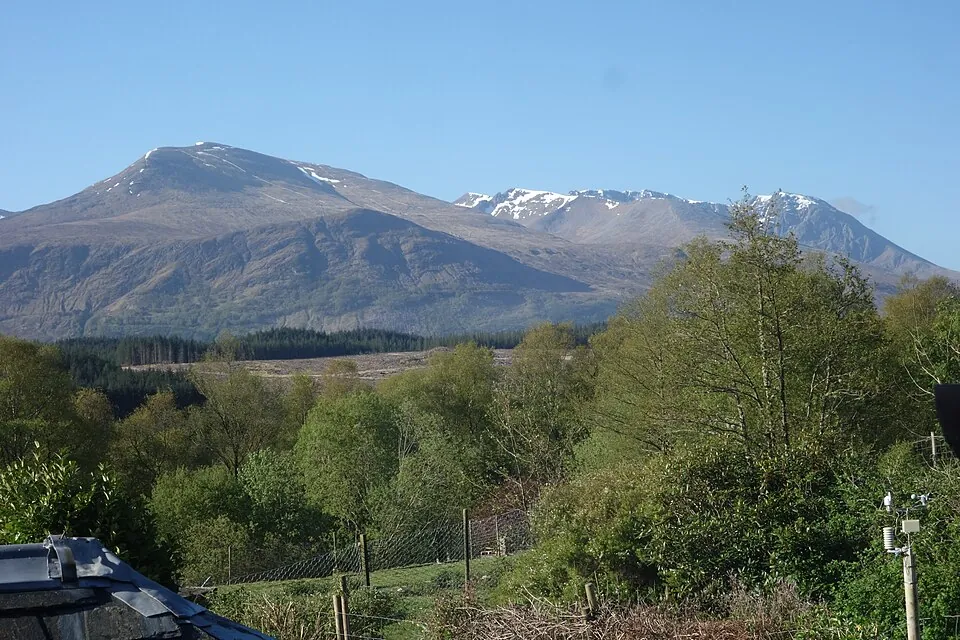
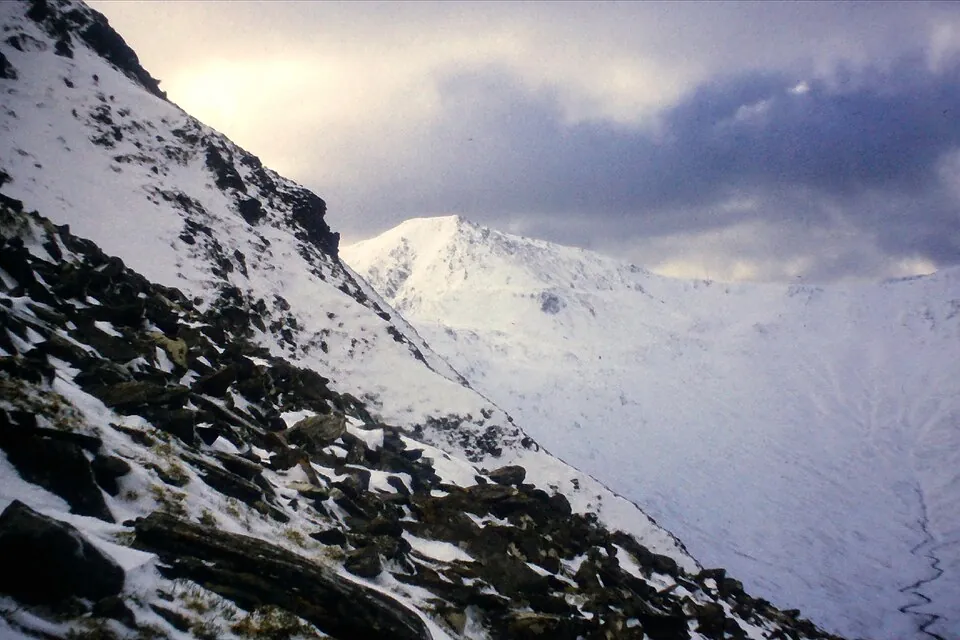
Photo: GeographBot · CC BY-SA 2.0
Overview

About this Munro

Beinn a' Chaorainn (Glen Spean) is a 1,050m Munro in the Fort William region, its Gaelic name meaning “mountain of the rowan”. It stands 83rd of the 282 Munros by height. The usual ascent — Beinn a' Chaorainn and Beinn Teallach from Fersit — is a 11.6km round trip taking 7.1–9.2 hours, rated moderate (2/5).

Height rank83rd of 282
Coordinates56.9288°N 4.6524°W
OS Grid RefNN 386 850
GPS routes in the appSummit location — full route lines, parking pins & offline maps in the free app.
Plan your day

Routes & Navigation

There are 2 routes to the summit of Beinn a' Chaorainn (Glen Spean), ranging from 11.6km.

Route preview

Beinn a' Chaorainn and Beinn Teallach from Fersit

Moderate
7.1–9.2h round trip11.6km distance↑840m ascent
Bog ratingModerate
ParkingFersit Car Park
Step-by-step guideIn the app
Route preview

Beinn Teallach and Beinn a' Chaorainn from Fersit

Moderate
7.1–9.2h round trip20km distance↑840m ascent
Bog ratingModerate
ParkingFersit Car Park
Step-by-step guideIn the app

Climbing Beinn a' Chaorainn (Glen Spean)

Beinn a' Chaorainn in Glen Spean is approached from Fersit Car Park, offering a more accessible route than its…

Beinn a' Chaorainn in Glen Spean is approached from Fersit Car Park, offering a more accessible route than its Cairngorms namesake but still presenting significant challenges. The 11.6km route involves steady climbing to 1050m, typically combined with neighbouring Beinn Teallach for a double-Munro day. You'll begin on good tracks before transitioning to pathless terrain as you strike uphill towards the mountain's slopes.

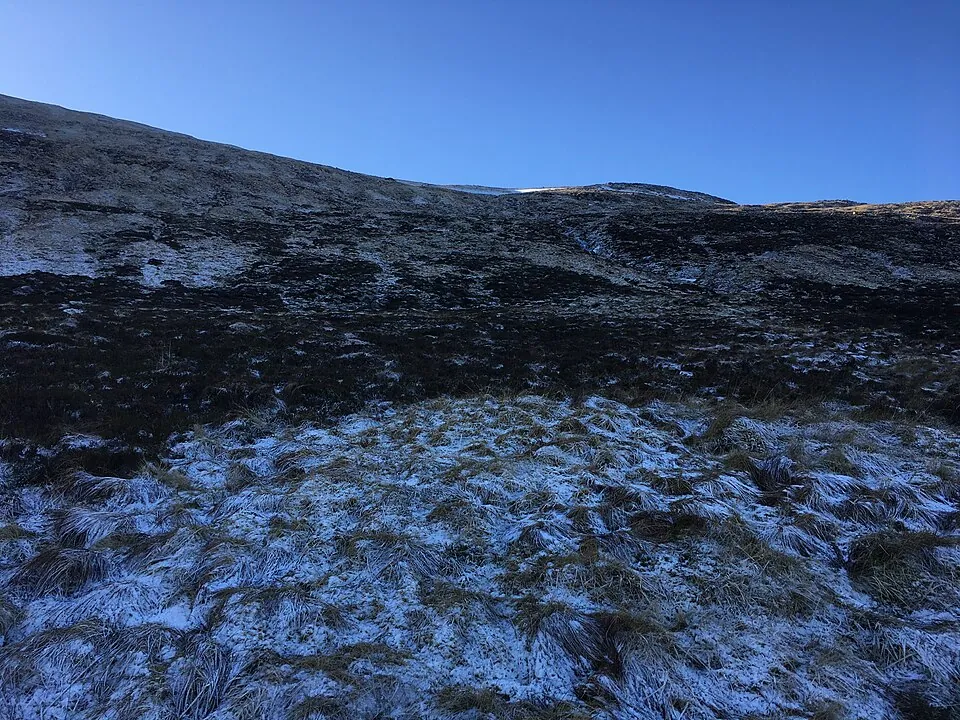
The ascent involves crossing sections of boggy ground particularly on the lower approaches, where the 3/5 bog rating becomes evident after rain. As you gain height, the terrain firms up with heather moorland giving way to rockier ground. The 2/5 difficulty rating reflects the moderate technical challenge, though the 7 to 9-hour time estimate shows this remains a serious mountain day requiring fitness and stamina.

The gradient increases noticeably on the final approaches to Beinn a' Chaorainn's summit, and in poor visibility the pathless nature of much of the route demands confident navigation throughout.

Best Time to Climb Beinn a' Chaorainn (Glen Spean)

Beinn a' Chaorainn (Glen Spean) is best climbed between May and October when daylight hours are adequate for the 7 to…

Beinn a' Chaorainn (Glen Spean) is best climbed between May and October when daylight hours are adequate for the 7 to 9-hour expedition. The 1050m altitude means substantial snow accumulation through winter, transforming this into a winter mountaineering route requiring ice axes, crampons, and full winter skills. The shoulder seasons of late spring and early autumn can offer excellent conditions if you catch settled weather.

Summer provides the most reliable windows, though the Fort William region's western location brings high rainfall and changeable conditions. Weather systems rolling in from the Atlantic can deteriorate rapidly, and you should be prepared for wind and rain even in July and August. Early starts help maximize good morning conditions before afternoon cloud development. September can be particularly fine with crisp autumn weather and fewer midges than summer months.

The boggy sections are at their worst during spring snowmelt and following sustained rain, when progress across the lower slopes can be slow and demanding.

Getting to Beinn a' Chaorainn (Glen Spean)

Access to Beinn a' Chaorainn (Glen Spean) begins at Fersit Car Park, reached via minor roads from the A86 between Spean…

Access to Beinn a' Chaorainn (Glen Spean) begins at Fersit Car Park, reached via minor roads from the A86 between Spean Bridge and Loch Laggan. The approach involves single-track roads with passing places, requiring careful driving but presenting no serious difficulties for standard vehicles. The car park provides parking for several vehicles, though space can be limited during busy summer weekends.

Fersit is relatively remote with no facilities beyond the car park itself, so come prepared with all necessary supplies for your mountain day. The minor road access means mobile phone signal is variable, becoming unreliable once you leave the roadside and climb onto the mountain. The trailhead is less busy than more famous peaks, often offering a quieter mountain experience.

From the car park, the route is clear initially on estate tracks before you strike off onto pathless hillside terrain requiring navigation skills.

Beinn a' Chaorainn (Glen Spean) Summit

At 1050m, the summit of Beinn a' Chaorainn (Glen Spean) is marked by a cairn on the rounded top characteristic of many…

At 1050m, the summit of Beinn a' Chaorainn (Glen Spean) is marked by a cairn on the rounded top characteristic of many Fort William region peaks. The name 'Mountain of the Rowan' reflects the lower-altitude vegetation rather than anything you'll find at the summit itself, where only hardy montane plants survive. The summit area provides limited shelter from wind, though you can usually find some protection in the lee of the cairn or rocky outcrops.

On clear days, the views from Beinn a' Chaorainn extend across Lochaber's mountainous landscape, taking in the Grey Corries and distant peaks stretching in all directions. The summit terrain consists of broken rock with sparse vegetation clinging to thin soils between boulders. You'll appreciate the sense of elevation and the wild character of the surrounding country.

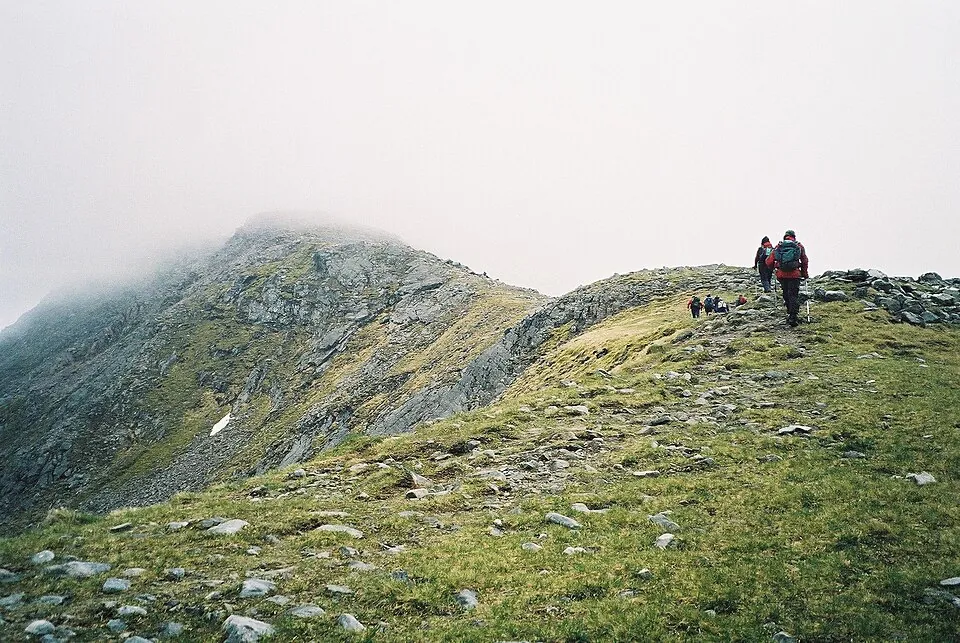
In poor visibility, the summit area can be challenging to navigate as the rounded profile offers few distinctive features. The descent requires care, particularly in mist when relocating your ascent route across pathless terrain demands confident compass and GPS work.

Wildlife on Beinn a' Chaorainn (Glen Spean)

Beinn a' Chaorainn (Glen Spean) rises through typical western Highlands vegetation zones, beginning with heather…

Beinn a' Chaorainn (Glen Spean) rises through typical western Highlands vegetation zones, beginning with heather moorland on the lower slopes where red deer are frequently encountered. The western location brings higher rainfall than eastern mountains, supporting lusher vegetation with extensive moss growth and damper plant communities. Red grouse inhabit the heather moorland, and you'll likely hear their calls as you ascend.

As you climb higher, vegetation transitions to montane heath with crowberry, bilberry, and hardy alpine grasses adapted to altitude and exposure. Above 900m, watch for ptarmigan among the rocky terrain and mountain hares that range across the boulder fields. Golden eagles hunt across this landscape, and ravens are common companions on the mountain. The wet climate supports rich bryophyte communities, with mosses and liverworts covering rocks in damper areas.

Buzzards patrol the lower slopes, and you may spot them soaring on thermals. The combination of western moisture and altitude creates distinct ecological zones as you ascend Beinn a' Chaorainn, from lush lower slopes to sparse high-altitude vegetation.

Beinn a' Chaorainn (Glen Spean) Tips

Despite the moderate 2/5 difficulty rating, Beinn a' Chaorainn (Glen Spean) requires proper mountain preparation. Carry…

Despite the moderate 2/5 difficulty rating, Beinn a' Chaorainn (Glen Spean) requires proper mountain preparation. Carry full navigation equipment including map, compass, and GPS device, as much of the route crosses pathless terrain where navigation skills are essential. The 3/5 bog level means waterproof boots and gaiters are strongly recommended, particularly for lower sections that can be very wet after rain.

Carry sufficient food and water for 7-plus hours on the mountain, along with emergency rations. Full waterproofs are essential given the high rainfall in this western region, and multiple warm layers, hat, and gloves should be packed even for summer ascents. Mobile phone signal is unreliable on the mountain, so inform someone of your route plan and expected return time.

The pathless nature of much of the route means you must be confident in your navigation abilities, particularly for the descent. Carry an emergency shelter, first aid kit, and headtorch even for summer attempts. Weather can deteriorate rapidly in this region, and you should be prepared to turn back if conditions worsen on Beinn a' Chaorainn.
Frequently Asked Questions

Common questions about climbing Beinn a' Chaorainn (Glen Spean).

How tall is Beinn a' Chaorainn (Glen Spean)?

Beinn a' Chaorainn (Glen Spean) stands at 1,050 metres (3,445 feet), making it the 83rd tallest of all 282 Munros in Scotland.

What does Beinn a' Chaorainn (Glen Spean) mean in Gaelic?

The name Beinn a' Chaorainn (Glen Spean) translates from Scottish Gaelic as “Mountain of the Rowan”.

How long does it take to climb Beinn a' Chaorainn (Glen Spean)?

Climbing Beinn a' Chaorainn (Glen Spean) typically takes between 7.1 and 9.2 hours round trip. This varies with fitness, weather, and the route chosen — there are 2 routes to the summit.

Where do I park for Beinn a' Chaorainn (Glen Spean)?

There is dedicated parking at the standard starting point for the main route up Beinn a' Chaorainn (Glen Spean), in the Fort William area. The exact car park location, map pin and arrival guidance are in the free Munros app.

How difficult is Beinn a' Chaorainn (Glen Spean) to climb?

Beinn a' Chaorainn (Glen Spean) is rated Moderate (difficulty 2/5). Route difficulty varies across the 2 available routes.

What is the best route up Beinn a' Chaorainn (Glen Spean)?

The most popular route up Beinn a' Chaorainn (Glen Spean) covers 11.6km, 7.1–9.2 hours round trip. There are 2 routes to the summit in total, ranging from Moderate to Moderate difficulty.

Is Beinn a' Chaorainn (Glen Spean) good for beginners?

Beinn a' Chaorainn (Glen Spean) in the Fort William area is well suited to walkers with some hillwalking experience. Rated difficulty 2/5 at 1,050m, the paths are clear and the terrain is not technically demanding.

What region is Beinn a' Chaorainn (Glen Spean) in?

Beinn a' Chaorainn (Glen Spean) is in the Fort William region of Scotland. Nearby Munros include Am Bodach, An Gearanach, Aonach Beag (Nevis Range).

Start your journey

Ready to bag
them all?

Track all 282 Munros, plan routes, and log every summit. Join 2,400+ hillwalkers already using Munros.app.

Download for iPhone Free on the App Store