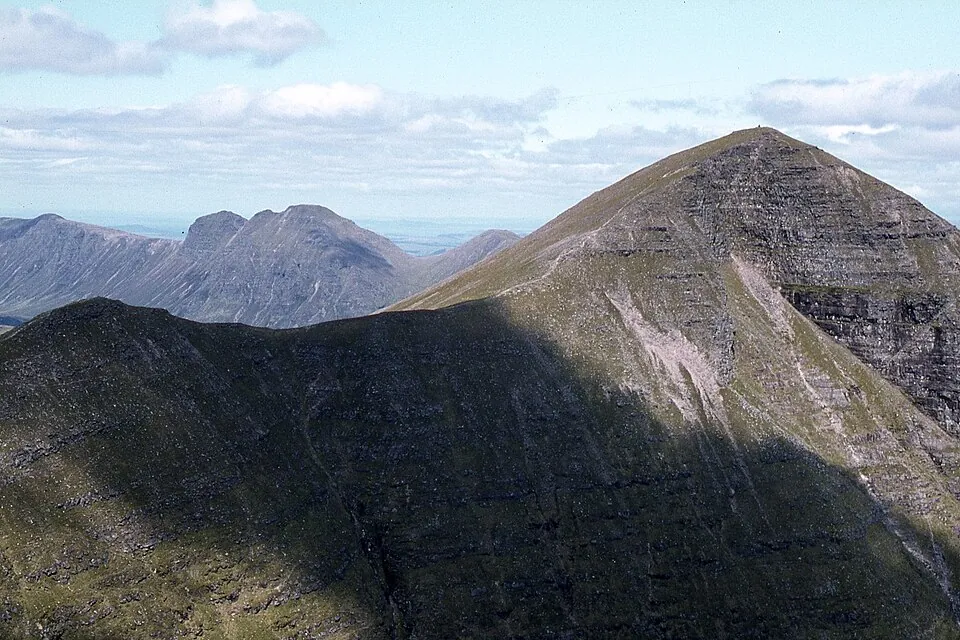
Maol Chean-dearg
933m
Torridon
“Bare Red Head”
933mHeight
24.6kmRound trip
7.2–9.4hWalk time
HardDifficulty 4/5
Photo: GeographBot · CC BY-SA 2.0
“Bare Red Head”
Maol Chean-dearg is a 933m Munro in the Torridon region, its Gaelic name meaning “bare red head”. It stands 247th of the 282 Munros by height. The usual ascent — Maol Chean-dearg from Achnashellach — is a 24.6km round trip taking 7.2–9.4 hours, rated hard (4/5).
There are 2 routes to the summit of Maol Chean-dearg, ranging from 21.9km.
Maol Chean-dearg, meaning 'Bare Red Head', rises to 933 metres in the dramatic Torridon region, presenting a demanding…
Maol Chean-dearg, meaning 'Bare Red Head', rises to 933 metres in the dramatic Torridon region, presenting a demanding mountain day with multiple route options. The classic approach from Achnashellach covers 24.6 kilometres over 7 to 9 hours, rated 4 out of 5 for difficulty with moderate bog levels of 3 out of 5. Alternatively, the South Glen Shiel ridge route covers 21.9 kilometres in similar time but with maximum difficulty rating and drier underfoot conditions.
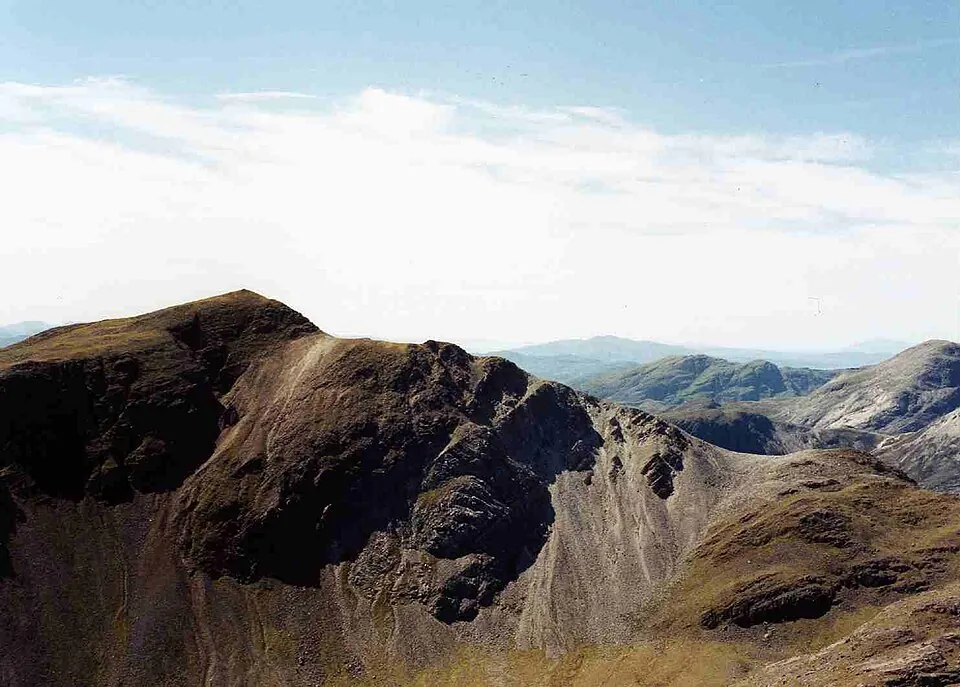
The mountain's name references the reddish Torridonian sandstone that characterises the peak, particularly visible on its northern faces. The approaches to Maol Chean-dearg involve substantial distance through complex terrain, with steep sections interspersed with more gradual climbing. The Achnashellach route requires long approaches through forest and moorland before gaining the mountain proper, while the Glen Shiel approach involves exposed ridge walking.
Whichever route you choose for Maol Chean-dearg, expect a serious day requiring stamina, good navigation, and mountain experience.
Maol Chean-dearg is best climbed during the extended daylight of late spring through early autumn, from May to…
Maol Chean-dearg is best climbed during the extended daylight of late spring through early autumn, from May to September, when the 7 to 9-hour time requirement is comfortably accommodated. The Torridon region experiences the full force of Atlantic weather systems, and Maol Chean-dearg can be cloud-bound even when lower elevations enjoy sunshine.
Summer offers the most stable weather windows, though you should still expect the possibility of rain and strong winds on this exposed peak. Winter ascents of Maol Chean-dearg are serious undertakings requiring full winter mountaineering skills, as the ridges become significantly more challenging in snow and ice. At 933 metres, the summit sits well above the zone where conditions deteriorate rapidly compared to the glens.
The mountain's exposed nature means wind is a constant consideration on Maol Chean-dearg, and you should check specific mountain forecasts rather than relying on general predictions. If tackling the South Glen Shiel ridge route, be particularly aware that ridge exposure makes it more vulnerable to high winds than the Achnashellach approach to Maol Chean-dearg.
Maol Chean-dearg offers two distinct access points depending on your chosen route. For the Achnashellach approach,…
Maol Chean-dearg offers two distinct access points depending on your chosen route. For the Achnashellach approach, parking is available at Achnashellach, accessed via the A890 between Lochcarron and Achnasheen, with a railway station nearby on the Kyle of Lochalsh line offering public transport options. For the South Glen Shiel ridge route, use the Glen Shiel Car Park on the A87, one of the main routes to the Isle of Skye.
Both trailheads are approximately 90 minutes to two hours from Inverness, depending on specific locations. The Achnashellach area can have limited parking during busy periods, so an early start is advisable for Maol Chean-dearg. The Glen Shiel car park is larger but serves multiple popular routes, so it too can fill on summer weekends. Mobile phone signal is limited and becomes non-existent once you leave the main roads, so inform someone of your plans.
The nearest facilities are in Lochcarron for the Achnashellach approach, or at Shiel Bridge for the Glen Shiel approach, so provision accordingly before setting out for Maol Chean-dearg.
The summit of Maol Chean-dearg at 933 metres offers spectacular views characteristic of the dramatic Torridon region.…
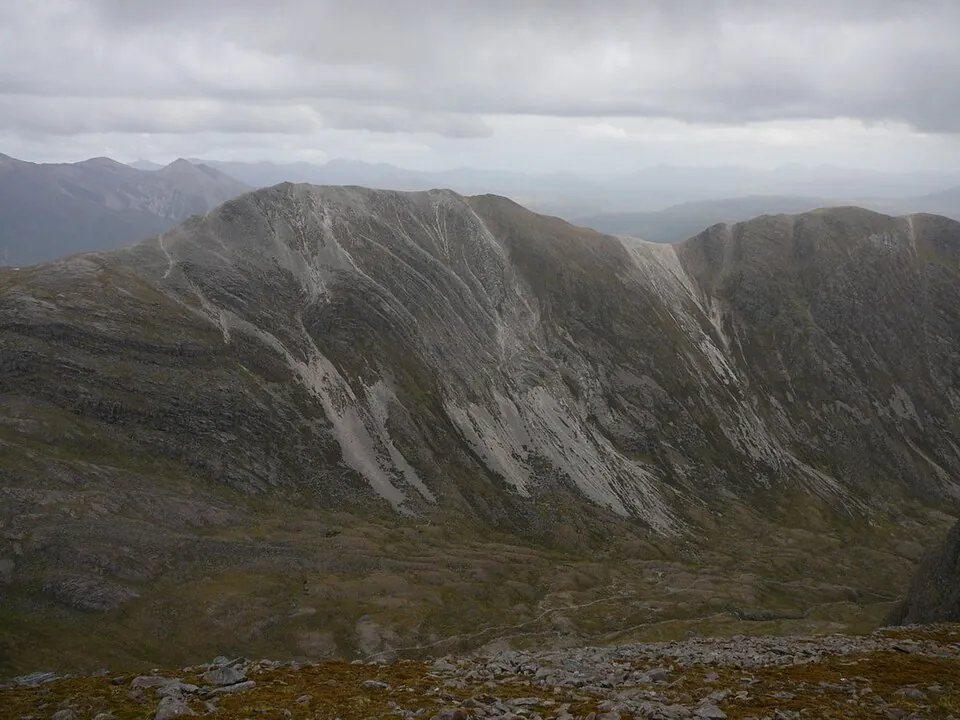
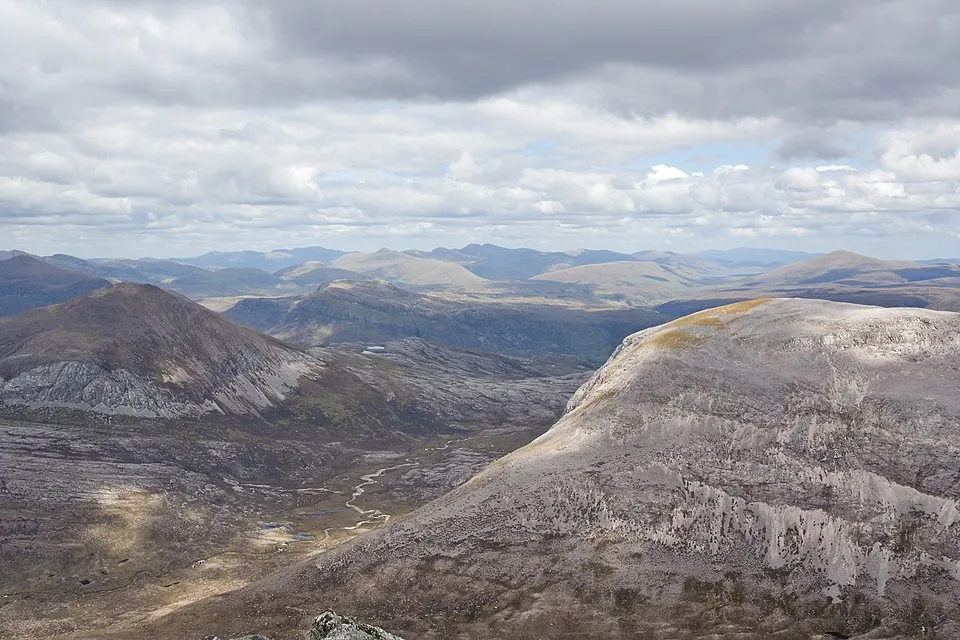
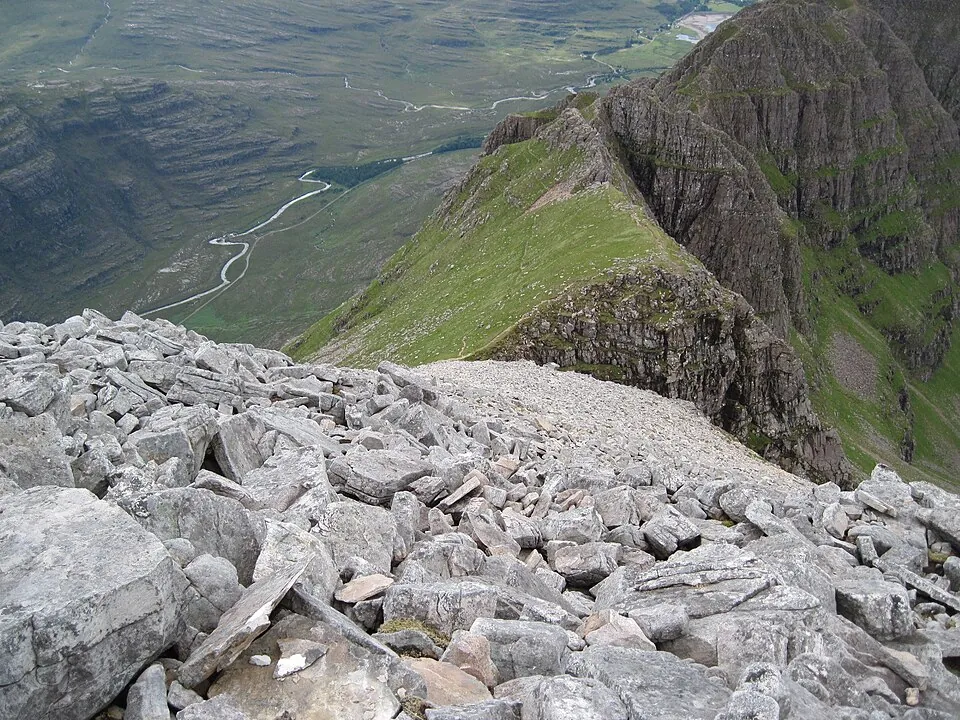
The summit of Maol Chean-dearg at 933 metres offers spectacular views characteristic of the dramatic Torridon region. The 'Bare Red Head' of the mountain's name is evident in the Torridonian sandstone that gives the peak its distinctive character, and from the top you can appreciate how this geology shapes the landscape.
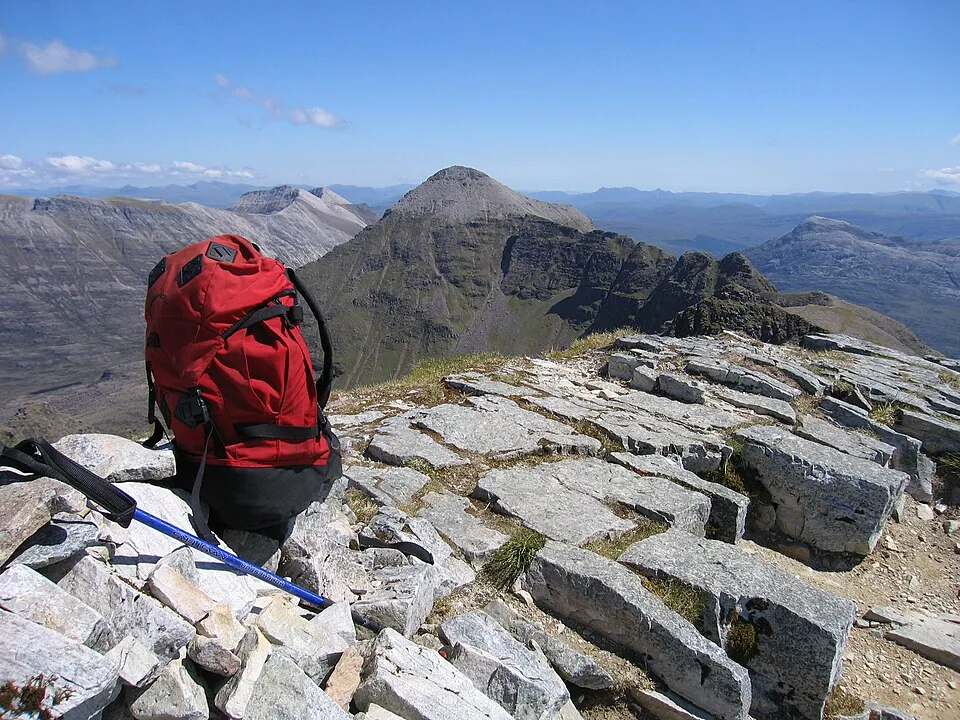
The summit cairn marks a hard-won achievement after the demanding approach, and on clear days the panorama takes in the surrounding Torridon peaks and west to the islands. However, the exposed nature of Maol Chean-dearg means the summit often experiences strong winds, and cloud can obscure the views for extended periods. There's little natural shelter on the top, so you'll cool quickly if you stop for long, even on warm days.
The summit provides a perfect vantage point to appreciate the wild character of this region, with its ancient rocks and dramatic topography. Remember to take time for navigation checks on Maol Chean-dearg before beginning your descent, particularly if visibility is poor or you're continuing along a ridge.
The Torridon region around Maol Chean-dearg supports diverse Highland wildlife adapted to the dramatic terrain. Red deer…
The Torridon region around Maol Chean-dearg supports diverse Highland wildlife adapted to the dramatic terrain. Red deer are abundant throughout the area, and you're highly likely to encounter them on the approaches and slopes of Maol Chean-dearg. Golden eagles nest in the area, and you may spot these magnificent birds soaring above the ridges.
The western location means Maol Chean-dearg receives substantial rainfall, supporting lush vegetation at lower elevations with heather, bilberry, and extensive areas of bog cotton and sphagnum moss. At higher elevations, the vegetation transitions to hardy montane communities with mat-grass, woolly fringe-moss, and cushion plants clinging to the exposed slopes.
Red grouse inhabit the heather moorland at lower levels, while ptarmigan may be encountered on the higher reaches of Maol Chean-dearg above 900 metres. Ravens and hooded crows are common throughout. In summer, the diverse flora includes alpine wildflowers, and you may spot mountain hares. The ancient Torridonian sandstone supports distinctive lichen communities, adding splashes of colour to the bare rock faces of Maol Chean-dearg.
The demanding nature of Maol Chean-dearg requires thorough preparation and respect for the mountain environment.…
The demanding nature of Maol Chean-dearg requires thorough preparation and respect for the mountain environment. Navigation equipment is essential—carry map, compass, and GPS, and ensure you're confident using them, particularly as the complex terrain and frequent cloud can make navigation challenging on Maol Chean-dearg.
Despite the moderate bog levels on the Achnashellach route, waterproof boots are essential, and trekking poles provide valuable support on both ascent and descent. Carry sufficient food and water for 7 to 9 hours of sustained effort, though streams are available for refilling. Mobile phone signal is unreliable to non-existent, so leave detailed plans with someone responsible.
Pack full waterproofs, warm layers, and windproof clothing even in summer, as conditions on the exposed ridges of Maol Chean-dearg can be harsh. If tackling the South Glen Shiel ridge route, be prepared for sustained exposure and consider alternative plans if high winds are forecast. Start early to allow adequate time and avoid rushing. This mountain demands fitness and experience—ensure you're properly prepared before attempting Maol Chean-dearg.
Explore more peaks near Torridon.
Common questions about climbing Maol Chean-dearg.
Maol Chean-dearg stands at 933 metres (3,061 feet), making it the 247th tallest of all 282 Munros in Scotland.
The name Maol Chean-dearg translates from Scottish Gaelic as “Bare Red Head”.
Climbing Maol Chean-dearg typically takes between 7.2 and 9.9 hours round trip. This varies with fitness, weather, and the route chosen — there are 2 routes to the summit.
There is dedicated parking at the standard starting point for the main route up Maol Chean-dearg, in the Torridon area. The exact car park location, map pin and arrival guidance are in the free Munros app.
Maol Chean-dearg is rated Very Hard (difficulty 5/5). Route difficulty varies across the 2 available routes.
The most popular route up Maol Chean-dearg covers 21.9km, 7.6–9.9 hours round trip. There are 2 routes to the summit in total, ranging from Hard to Very Hard difficulty.
Maol Chean-dearg (difficulty 4/5 at 933m) is best suited to experienced hillwalkers in the Torridon area. Expect sustained steep terrain and the need for confident navigation in poor visibility.
Maol Chean-dearg is in the Torridon region of Scotland. Nearby Munros include Beinn Liath Mhòr, Mullach an Rathain (Liathach), Ruadh-stac Mòr (Beinn Eighe).
Step-by-step directions, GPS navigation, exact parking and offline maps for Maol Chean-dearg — free in the Munros app.
Free — Download on theApp StoreTrack all 282 Munros, plan routes, and log every summit. Join 2,400+ hillwalkers already using Munros.app.