Photo: File Upload Bot (Magnus Manske) · CC BY-SA 3.0
Overview
About this Munro
Sgòrr Ruadh is a 962m Munro in the Torridon region, its Gaelic name meaning “red peak”. It stands 197th of the 282 Munros by height. The usual ascent — Beinn Liath Mhòr and Sgòrr Ruadh from A896 — is a 15.2km round trip taking 5.3–6.9 hours, rated hard (4/5).
Plan your day
Routes & Navigation
There is 1 route to the summit of Sgòrr Ruadh, covering 15.2km.
Route preview
Beinn Liath Mhòr and Sgòrr Ruadh from A896
Hard5.3–6.9h round trip15.2km distance↑770m ascent
Bog ratingSlight
ParkingAchnashellach Station
Step-by-step guideIn the app
Climbing Sgòrr Ruadh
Your ascent of Sgòrr Ruadh from Achnashellach Station covers 15.2km in an estimated 5.3-6.9 hours, presenting a…
Climbing Sgòrr Ruadh
Your ascent of Sgòrr Ruadh from Achnashellach Station covers 15.2km in an estimated 5.3-6.9 hours, presenting a…
Your ascent of Sgòrr Ruadh from Achnashellach Station covers 15.2km in an estimated 5.3-6.9 hours, presenting a demanding route despite the relatively modest distance. The 4/5 difficulty reflects sustained effort and rough terrain, though the low bog level of 2/5 means generally good conditions underfoot. The route typically includes Beinn Liath Mhòr alongside Sgòrr Ruadh, creating a satisfying double Munro day in the Torridon area.
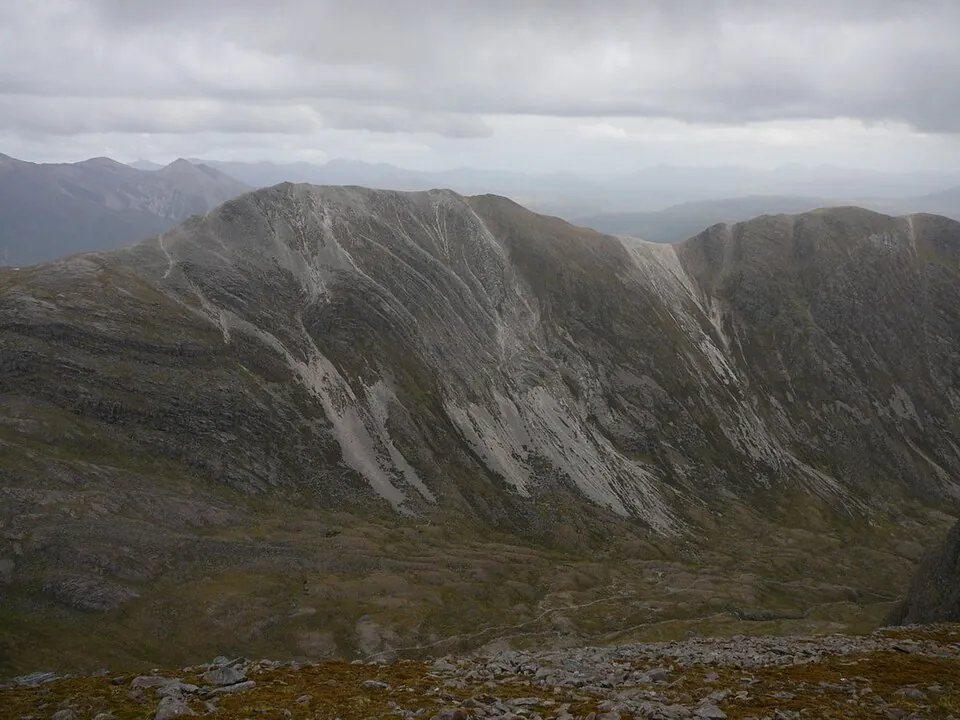
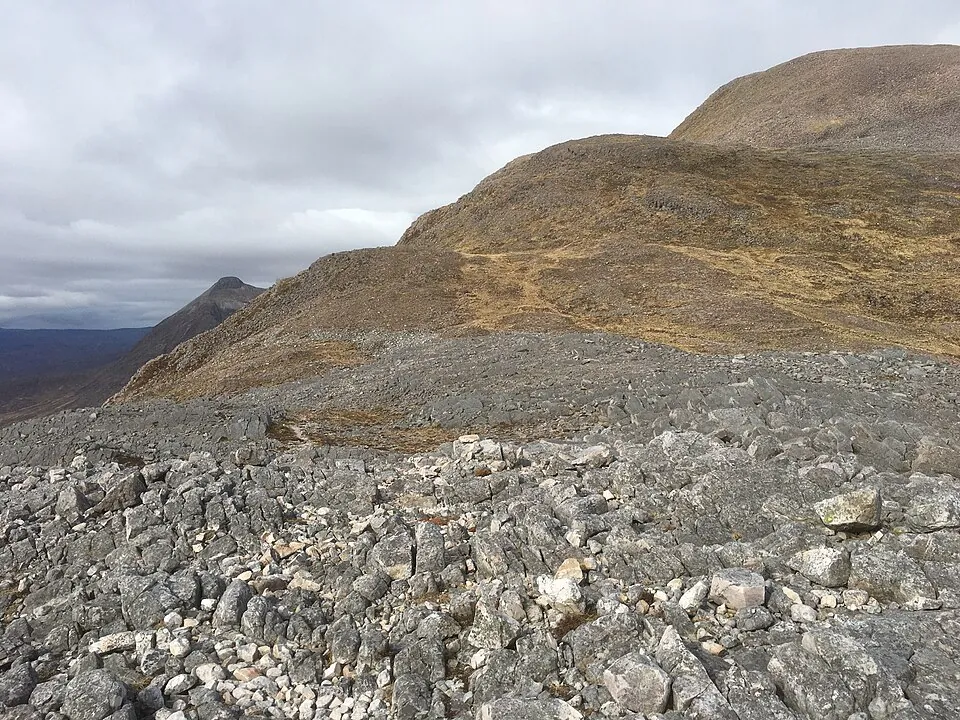
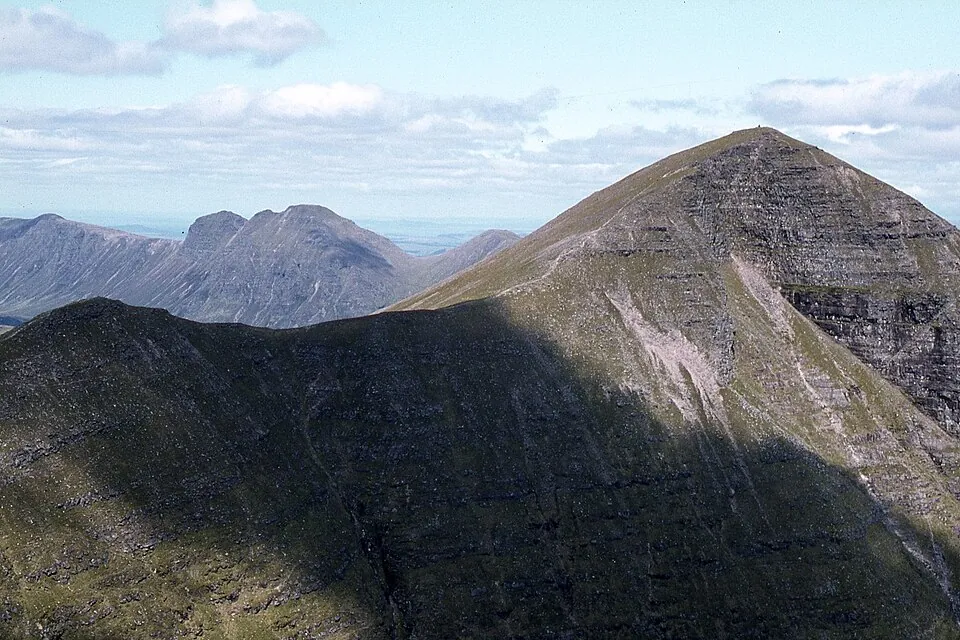
The terrain is characteristically rough and rocky, with the paths less developed than in more popular areas, requiring good navigation and scrambling confidence. As you approach the 962m summit of Sgòrr Ruadh, the reddish quartzite rocks that give the mountain its name become apparent, creating a distinctive landscape.
The relatively short ascent compared to many Munros makes this achievable within a single day while still providing a serious mountain experience in magnificent Torridon scenery.
Best Time to Climb Sgòrr Ruadh
Sgòrr Ruadh is best climbed between late spring and early autumn when the 5.3-6.9 hour route fits comfortably within…
Best Time to Climb Sgòrr Ruadh
Sgòrr Ruadh is best climbed between late spring and early autumn when the 5.3-6.9 hour route fits comfortably within…
Sgòrr Ruadh is best climbed between late spring and early autumn when the 5.3-6.9 hour route fits comfortably within daylight hours and weather is most stable. The Torridon location on the west coast means Atlantic weather systems bring frequent rainfall and strong winds throughout the year. Summer offers the longest days and most reliable conditions for enjoying the dramatic terrain approaching Sgòrr Ruadh.
Winter transforms this route into a serious mountaineering expedition, with the 962m summit holding snow and ice from November through April, requiring ice axe, crampons, and winter skills. The rough terrain becomes significantly more challenging when covered in snow. Spring and autumn can provide excellent conditions with stunning light for photography of the distinctive red rocks of Sgòrr Ruadh.
Always check the mountain weather forecast before setting out, as conditions in Torridon can deteriorate rapidly, with the exposed terrain offering limited escape options once committed to the route.
Getting to Sgòrr Ruadh
You'll begin your journey to Sgòrr Ruadh at Achnashellach Station, accessible by train on the scenic Kyle of Lochalsh…
Getting to Sgòrr Ruadh
You'll begin your journey to Sgòrr Ruadh at Achnashellach Station, accessible by train on the scenic Kyle of Lochalsh…
You'll begin your journey to Sgòrr Ruadh at Achnashellach Station, accessible by train on the scenic Kyle of Lochalsh line or by road via the A890. The station provides convenient parking for hillwalkers, with the remote location meaning spaces are generally available even during busy periods. The railway connection makes this an excellent option for those using public transport to access the Torridon mountains.
From Achnashellach, you'll follow estate tracks initially before striking out onto the open hillside towards Sgòrr Ruadh. The approach is reasonable, though you should be prepared for typical Highland access conditions with rough paths and potentially boggy sections. The remote location means limited facilities, so ensure you're fully prepared before leaving the trailhead.
The scenic beauty of the approach, passing through native woodland and opening out into wild mountain terrain, adds enormously to the experience of climbing Sgòrr Ruadh.
Sgòrr Ruadh Summit
At 962m, the summit of Sgòrr Ruadh provides spectacular views across the Torridon mountains, with the dramatic peaks of…
Sgòrr Ruadh Summit
At 962m, the summit of Sgòrr Ruadh provides spectacular views across the Torridon mountains, with the dramatic peaks of…
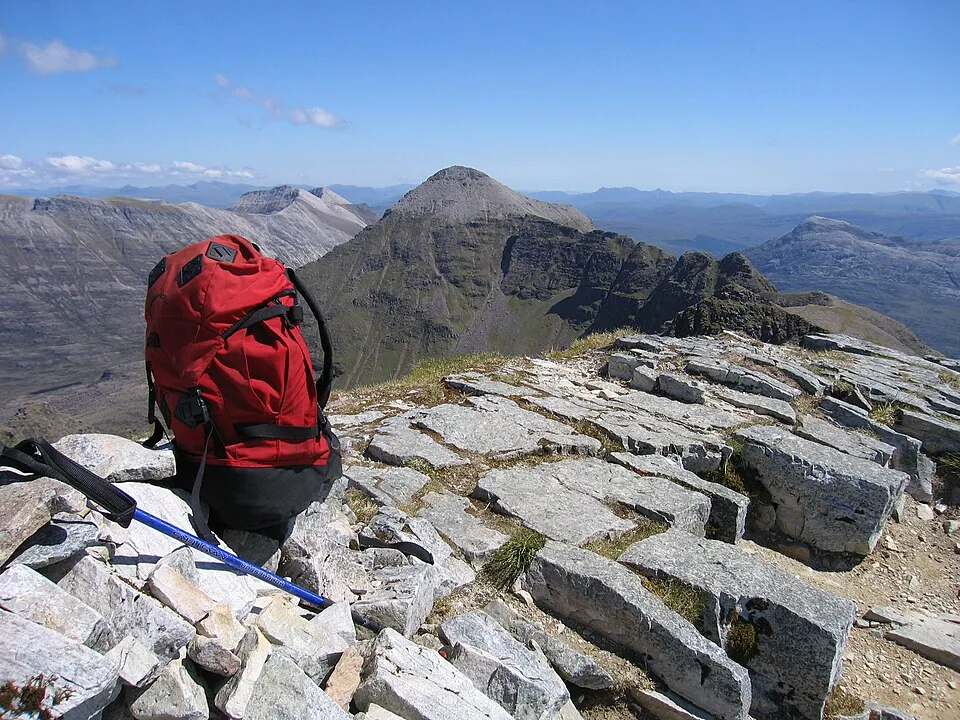
At 962m, the summit of Sgòrr Ruadh provides spectacular views across the Torridon mountains, with the dramatic peaks of Liathach and Beinn Eighe visible to the northwest. The distinctive red quartzite rocks create a memorable summit environment, with the stones scattered across the top catching the light beautifully. Natural shelter is limited at this exposed altitude, though the rocky terrain provides some protection from the worst winds.
The cairn marks your high point after the challenging ascent, offering a satisfying destination. On clear days, you can see across to Skye and the western seaboard, with the sense of remoteness palpable in every direction from Sgòrr Ruadh's summit. The generally dry conditions make this a pleasant place to rest before beginning your descent, though you should remain alert to changing weather in this exposed position high above the Torridon glens.
Wildlife on Sgòrr Ruadh
Your approach to Sgòrr Ruadh passes through native woodland in the lower sections, home to pine martens, red squirrels,…
Wildlife on Sgòrr Ruadh
Your approach to Sgòrr Ruadh passes through native woodland in the lower sections, home to pine martens, red squirrels,…
Your approach to Sgòrr Ruadh passes through native woodland in the lower sections, home to pine martens, red squirrels, and woodland birds including tree pipits and wood warblers in summer. As you climb higher, red deer are frequently encountered across the open hillsides, particularly during dawn and dusk. The western location means lush moss growth in wet areas and on rock surfaces, characteristic of the high rainfall Torridon receives.
Heather dominates the middle elevations, providing cover for red grouse whose sudden flight can startle you. Higher still, approaching the 962m summit of Sgòrr Ruadh, the vegetation transitions to montane heath with hardy grasses and dwarf shrubs. Ravens patrol the ridges year-round, their croaking calls echoing from the crags. Golden eagles range across this wild territory, and patient observers may spot them soaring above the corries.
The distinctive quartzite rocks support specialised plant communities adapted to the thin, acidic soils near Sgòrr Ruadh's summit.
Sgòrr Ruadh Tips
The 4/5 difficulty of Sgòrr Ruadh demands proper mountain experience and fitness despite the relatively short distance.…
Sgòrr Ruadh Tips
The 4/5 difficulty of Sgòrr Ruadh demands proper mountain experience and fitness despite the relatively short distance.…
The 4/5 difficulty of Sgòrr Ruadh demands proper mountain experience and fitness despite the relatively short distance. The rough, rocky terrain requires good scrambling skills and confident foot placement throughout much of the route. Carry full navigation equipment including map, compass, and GPS, as the terrain can be confusing in mist with few obvious landmarks.
Water sources are available on the approach but become limited on the higher sections, so carry adequate supplies. Despite the low bog level, proper waterproof boots are essential given Torridon's high rainfall. The remoteness of Sgòrr Ruadh means mobile signal is unreliable, so leave detailed plans with someone responsible before setting out. Weather can change rapidly on the west coast, so pack full waterproof and warm layers even when conditions look settled.
The Torridon mountains demand respect—the terrain is rough and remote, making any problem potentially serious. Allow sufficient time for the descent when planning your day on Sgòrr Ruadh, as fatigue and fading light on rough ground is a dangerous combination.
Keep bagging
Nearby Munros in Torridon
Explore more peaks near Torridon.
Frequently Asked Questions
Common questions about climbing Sgòrr Ruadh.
How tall is Sgòrr Ruadh?
Sgòrr Ruadh stands at 962 metres (3,156 feet), making it the 197th tallest of all 282 Munros in Scotland.
What does Sgòrr Ruadh mean in Gaelic?
The name Sgòrr Ruadh translates from Scottish Gaelic as “Red Peak”.
How long does it take to climb Sgòrr Ruadh?
Climbing Sgòrr Ruadh typically takes between 5.3 and 6.9 hours round trip. This varies with fitness, weather, and the route chosen.
Where do I park for Sgòrr Ruadh?
There is dedicated parking at the standard starting point for the main route up Sgòrr Ruadh, in the Torridon area. The exact car park location, map pin and arrival guidance are in the free Munros app.
How difficult is Sgòrr Ruadh to climb?
Sgòrr Ruadh is rated Hard (difficulty 4/5).
What is the best route up Sgòrr Ruadh?
The most popular route up Sgòrr Ruadh covers 15.2km, 5.3–6.9 hours round trip.
Is Sgòrr Ruadh good for beginners?
Sgòrr Ruadh (difficulty 4/5 at 962m) is best suited to experienced hillwalkers in the Torridon area. Expect sustained steep terrain and the need for confident navigation in poor visibility.
What region is Sgòrr Ruadh in?
Sgòrr Ruadh is in the Torridon region of Scotland. Nearby Munros include Beinn Liath Mhòr, Maol Chean-dearg, Mullach an Rathain (Liathach).