Home Features Explore Munros Munro Map Reviews Get the App

Meall na Teanga

“Hill of the Tongue”

918mHeight
19.9kmRound trip
6.6–8.6hWalk time
HardDifficulty 4/5
Community
conditions
No reports yet — be the first to log this Munro
Log a climb
Track this summit
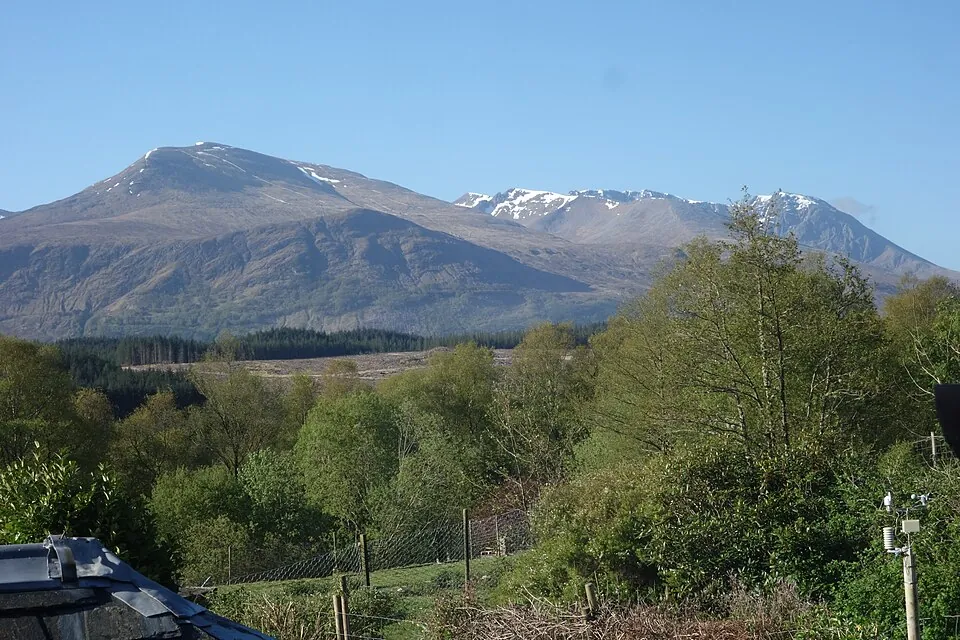
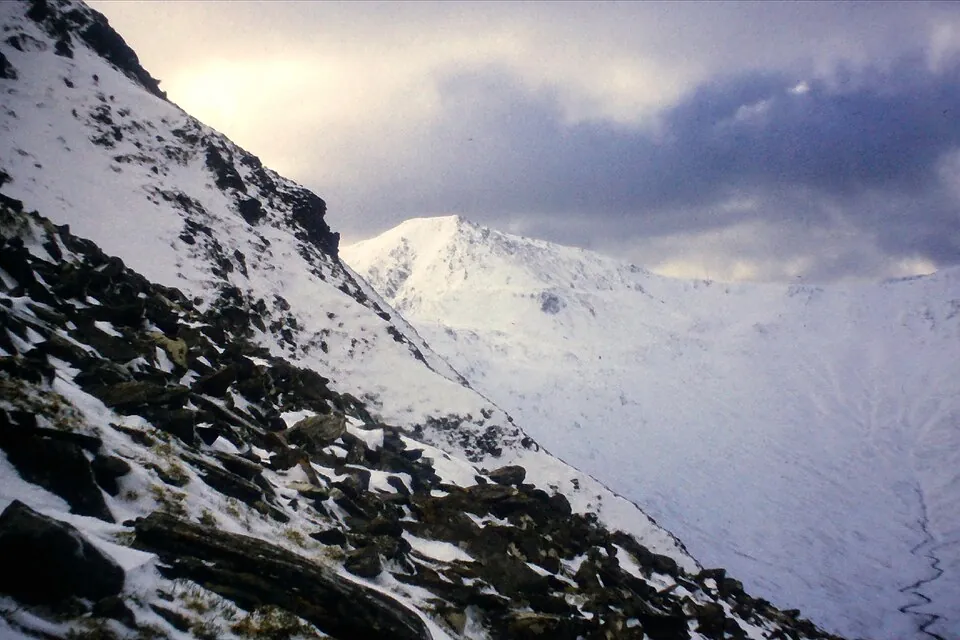
Photo: GeographBot · CC BY-SA 2.0
Overview

About this Munro

Meall na Teanga is a 918m Munro in the Fort William region, its Gaelic name meaning “hill of the tongue”. It stands 275th of the 282 Munros by height. The usual ascent — Meall na Teanga and Sron a' Choire Ghairbh from Spean Bridge — is a 19.9km round trip taking 6.6–8.6 hours, rated hard (4/5).

Height rank275th of 282
Coordinates56.9892°N 4.9297°W
OS Grid RefNN 220 924
GPS routes in the appSummit location — full route lines, parking pins & offline maps in the free app.
Plan your day

Routes & Navigation

There is 1 route to the summit of Meall na Teanga, covering 19.9km.

Route preview

Meall na Teanga and Sron a' Choire Ghairbh from Spean Bridge

Hard
6.6–8.6h round trip19.9km distance↑734m ascent
Bog ratingModerate
ParkingLaggan Locks
Step-by-step guideIn the app

Climbing Meall na Teanga

Meall na Teanga rises to 918 metres in the remote country near Fort William, approached on a demanding 19.9 kilometre…

Meall na Teanga rises to 918 metres in the remote country near Fort William, approached on a demanding 19.9 kilometre route from Laggan Locks. The ascent is rated 4 out of 5 for difficulty, reflecting the long distance and complex terrain rather than technical scrambling. You'll encounter significant boggy sections, with bog levels rated 3 out of 5, making waterproof boots and gaiters essential equipment.

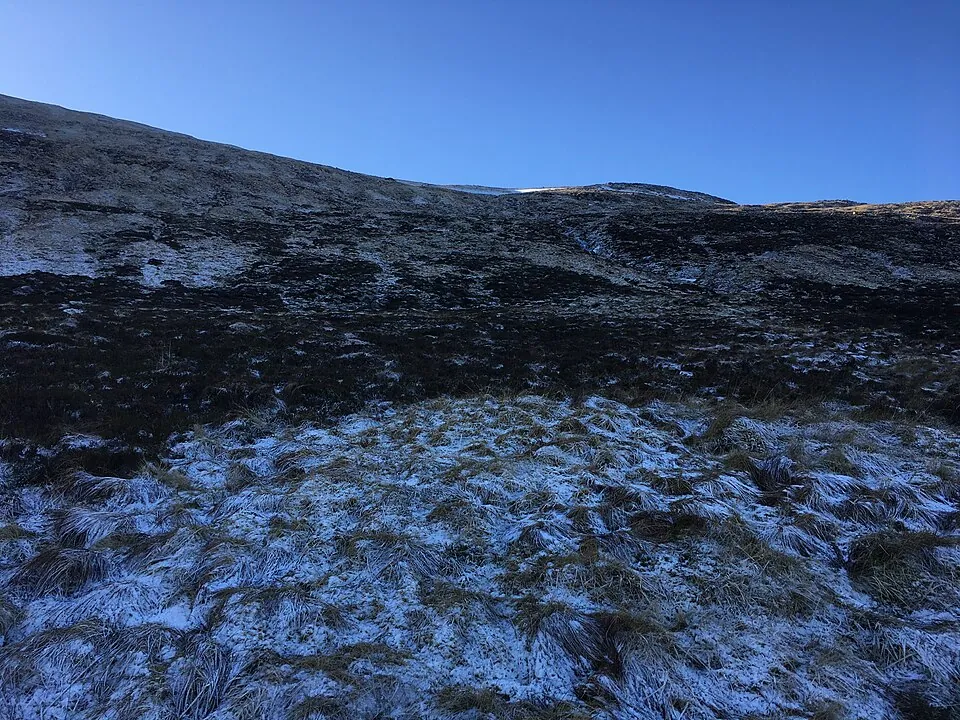
The route typically combines Meall na Teanga with Sron a' Choire Ghairbh, creating a long and committing day in remote terrain. Path quality varies considerably, from defined tracks near the start to vague or non-existent paths on the mountain itself. The gradient on Meall na Teanga involves long approaches before sustained climbing on grass and heather slopes. The terrain is characteristically Highland, with heather moorland giving way to rockier ground at altitude.

The remoteness of this mountain means you'll experience genuine wilderness walking, far from crowds or infrastructure. Navigation requires careful attention, particularly in poor visibility when the featureless terrain can be disorienting. This is Scottish hillwalking in its wild, remote character.

Best Time to Climb Meall na Teanga

Summer and early autumn provide the best conditions for tackling Meall na Teanga, when the 6.6 to 8.6 hour route…

Summer and early autumn provide the best conditions for tackling Meall na Teanga, when the 6.6 to 8.6 hour route benefits from extended daylight. The Fort William region experiences high rainfall as Atlantic weather systems reach the west coast, making dry spells particularly valuable for this long route. Late spring on Meall na Teanga brings fresh growth and abundant wildlife, though boggy sections remain challenging.

Summer offers the longest days, essential for the distance involved, and generally more stable weather though rain can arrive at any time. The remote nature means weather changes are serious concerns, with limited escape options once committed to the route. Autumn brings spectacular colours to the hillsides and often settled high pressure, though days shorten rapidly.

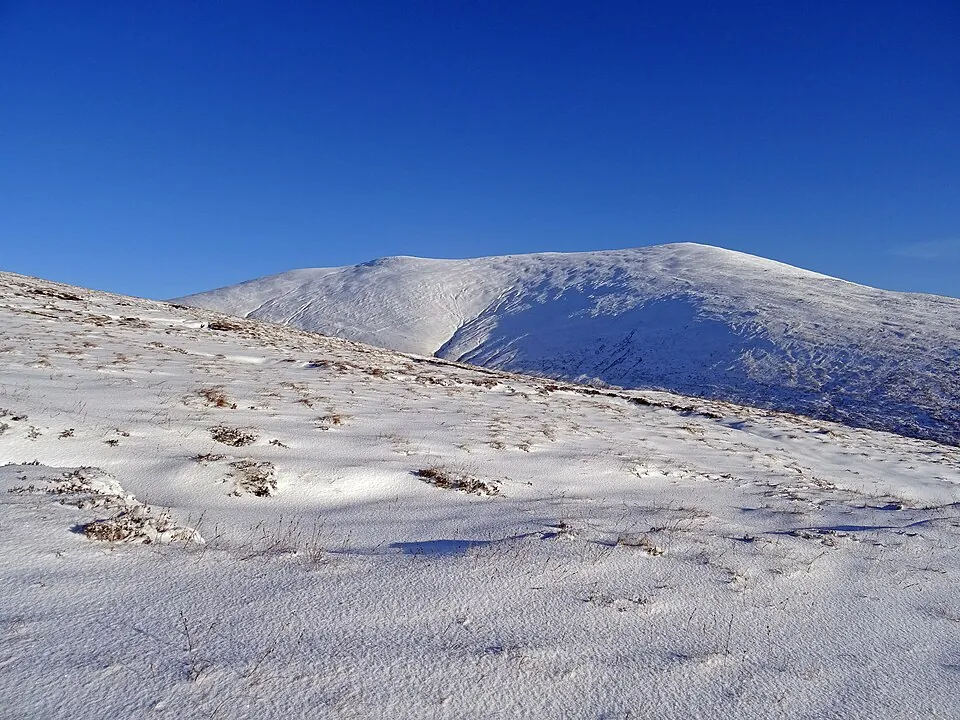
Winter transforms Meall na Teanga into a serious mountaineering objective requiring full winter skills, with the long approach becoming particularly arduous in snow. The remoteness makes winter ascents extremely committing. Spring can offer excellent conditions with consolidated snow, but requires proper winter equipment and experience. Always check detailed mountain weather forecasts for this altitude and western location.

Getting to Meall na Teanga

Access to Meall na Teanga begins at Laggan Locks, located on the B8004/B8005 road system north of Spean Bridge. From the…

Access to Meall na Teanga begins at Laggan Locks, located on the B8004/B8005 road system north of Spean Bridge. From the A82 at Spean Bridge, follow signs towards Gairlochy and the Caledonian Canal, with Laggan Locks sitting at the northeastern end of this impressive waterway. Parking at Laggan Locks is informal, with limited space available near the canal. The approach roads are single-track in places but generally suitable for normal vehicles.

The area around Laggan Locks is popular with canal users and tourists, so parking can be limited during summer. The remoteness of Meall na Teanga despite the relatively accessible start means you're quickly into wild country. Mobile phone signal is variable, often poor once away from the immediate area. The Caledonian Canal setting provides a scenic start to the walk, with the long approach to Meall na Teanga taking you deep into the hills.

Facilities at Laggan Locks are limited. The drive from Fort William takes around 20-30 minutes, with Spean Bridge offering the last shops and services before the mountain.

Meall na Teanga Summit

The summit of Meall na Teanga sits at 918 metres, offering extensive views across the wild country of Lochaber and the…

The summit of Meall na Teanga sits at 918 metres, offering extensive views across the wild country of Lochaber and the Great Glen. The cairn marks the highest point after a long approach, providing a genuine sense of remoteness and achievement. From Meall na Teanga, you'll see the continuation of the ridge towards Sron a' Choire Ghairbh if completing the full circuit.

Views extend westward towards the dramatic peaks of Knoydart and the coastal mountains, while eastward prospects take in the Great Glen and hills beyond. The summit provides limited natural shelter, with the exposed position meaning wind is often a feature. Rocky outcrops near the cairn offer minimal wind protection and seating for breaks.

On clear days, the panorama from Meall na Teanga encompasses vast areas of the western Highlands, with Ben Nevis visible to the south and endless mountains stretching in all directions. The sense of wildness and isolation is remarkable, with limited signs of human presence in the surrounding landscape. Wind-proof clothing is essential as the breeze rarely drops at this altitude.

Wildlife on Meall na Teanga

The approaches to Meall na Teanga cross typical West Highland terrain, with the Fort William region's high rainfall…

The approaches to Meall na Teanga cross typical West Highland terrain, with the Fort William region's high rainfall creating lush vegetation communities. Heather dominates the lower moorland, interspersed with extensive boggy areas supporting sphagnum mosses, cotton grass, and other specialized wetland plants. The wet climate supports rich moss and lichen growth even at higher altitudes on Meall na Teanga.

As you climb, vegetation transitions to montane heath with dwarf shrubs, hardy grasses, and alpine plants adapted to exposure and thin soils. Red deer are common across these remote hills, with herds frequently seen during the long approach or on distant slopes. Mountain hares inhabit the higher ground on Meall na Teanga, though their camouflage makes them easy to overlook.

The birdlife includes red grouse in the heather, their explosive take-off startling unwary walkers, and meadow pipits abundant in summer. Higher rocky areas may host ptarmigan, while golden eagles and sea eagles both hunt across this region, their impressive size making them unmistakable. Ravens are commonly seen and heard throughout. The western location means distinctly lusher vegetation than drier eastern hills.
Meall na Teanga Tips

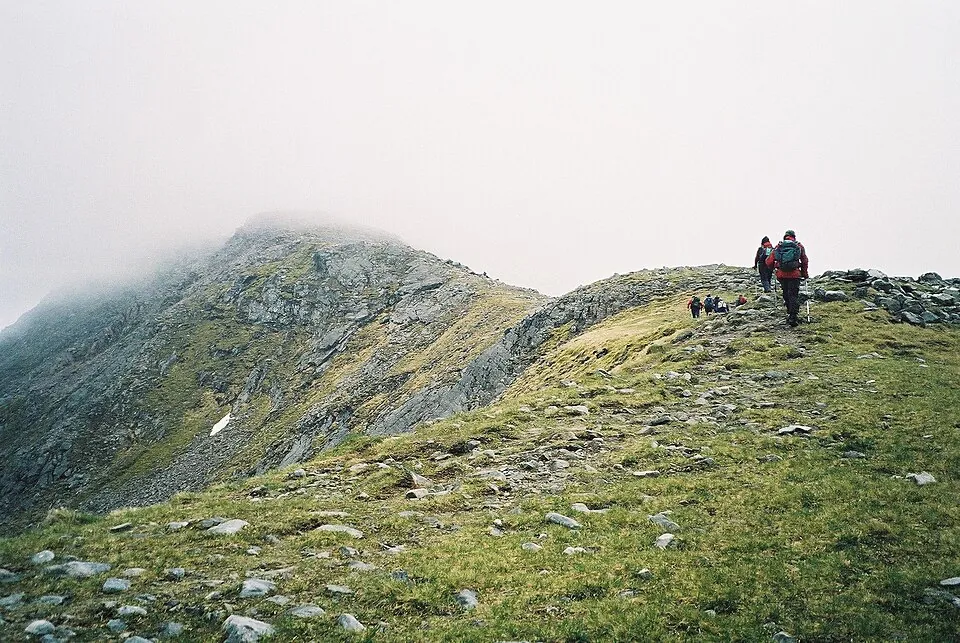
The 4 out of 5 difficulty rating for Meall na Teanga reflects the serious nature of this long, remote route. Excellent…

The 4 out of 5 difficulty rating for Meall na Teanga reflects the serious nature of this long, remote route. Excellent fitness is essential for the 19.9 kilometre journey, with navigation skills crucial given the featureless terrain in places. Carry map, compass, and GPS, and be thoroughly confident in their use. The combination of distance and bog demands the best waterproof boots and gaiters, with adequate water supplies essential despite wet underfoot conditions.

At 918 metres, Meall na Teanga experiences genuine mountain weather that can differ dramatically from glen conditions, so pack full waterproofs, warm layers, and wind protection. Mobile signal is poor to non-existent for most of the route. The remoteness means self-sufficiency is absolutely crucial – rescue would be difficult and slow. Start early to ensure completion of the 6.6 to 8.

6 hour route before darkness, allowing extra time for navigation and the challenging terrain. The Fort William region's weather can deteriorate rapidly, so be prepared to turn back if conditions worsen. Only attempt this route if you have solid hillwalking experience and appropriate fitness levels.

Frequently Asked Questions

Common questions about climbing Meall na Teanga.

How tall is Meall na Teanga?

Meall na Teanga stands at 918 metres (3,012 feet), making it the 275th tallest of all 282 Munros in Scotland.

What does Meall na Teanga mean in Gaelic?

The name Meall na Teanga translates from Scottish Gaelic as “Hill of the Tongue”.

How long does it take to climb Meall na Teanga?

Climbing Meall na Teanga typically takes between 6.6 and 8.6 hours round trip. This varies with fitness, weather, and the route chosen.

Where do I park for Meall na Teanga?

There is dedicated parking at the standard starting point for the main route up Meall na Teanga, in the Fort William area. The exact car park location, map pin and arrival guidance are in the free Munros app.

How difficult is Meall na Teanga to climb?

Meall na Teanga is rated Hard (difficulty 4/5).

What is the best route up Meall na Teanga?

The most popular route up Meall na Teanga covers 19.9km, 6.6–8.6 hours round trip.

Is Meall na Teanga good for beginners?

Meall na Teanga (difficulty 4/5 at 918m) is best suited to experienced hillwalkers in the Fort William area. Expect sustained steep terrain and the need for confident navigation in poor visibility.

What region is Meall na Teanga in?

Meall na Teanga is in the Fort William region of Scotland. Nearby Munros include Am Bodach, An Gearanach, Aonach Beag (Nevis Range).

Start your journey

Ready to bag
them all?

Track all 282 Munros, plan routes, and log every summit. Join 2,400+ hillwalkers already using Munros.app.

Download for iPhone Free on the App Store