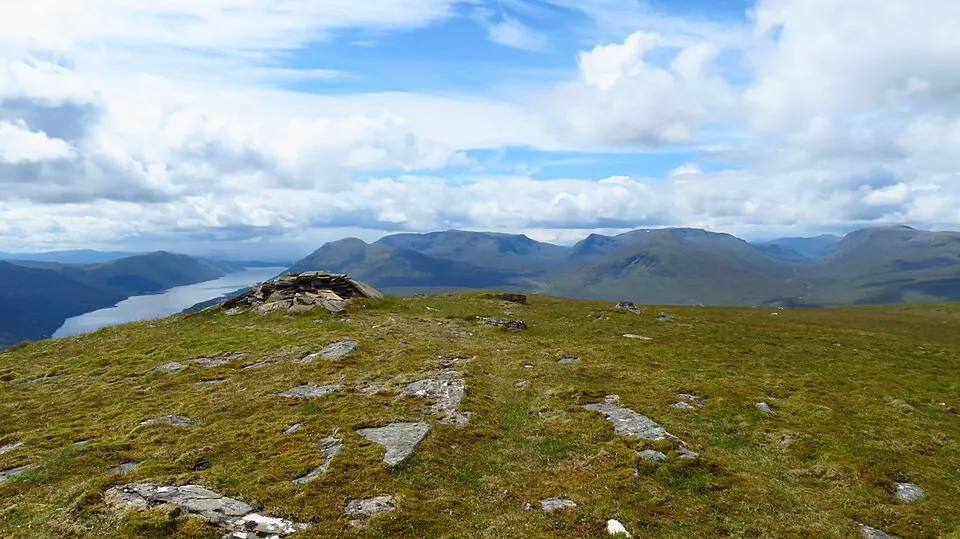
Beinn Mheadhoin
“Middle Mountain”
“Middle Mountain”
Beinn Mheadhoin is a 1,182m Munro in the Cairngorms region, its Gaelic name meaning “middle mountain”. It stands 14th of the 282 Munros by height. The usual ascent — Northern Cairngorms from Glen Derry — is a 20km round trip taking 9.2–12 hours, rated hard (4/5).
There are 2 routes to the summit of Beinn Mheadhoin, ranging from 20km.
Beinn Mheadhoin rises to an impressive 1182 metres in the heart of the Cairngorms, offering a serious mountaineering…
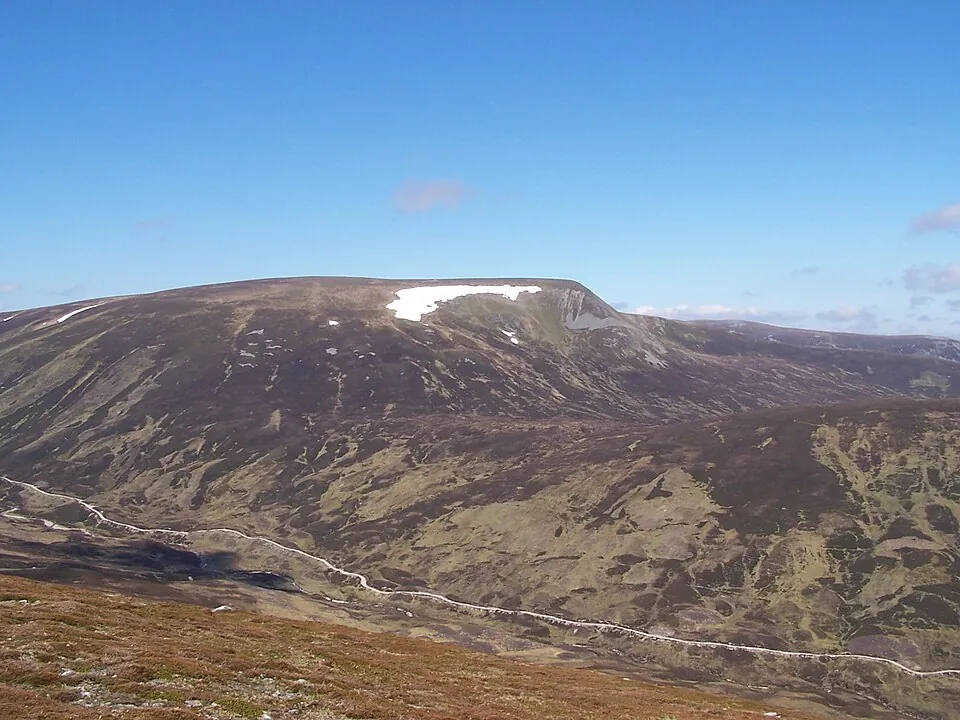
Beinn Mheadhoin rises to an impressive 1182 metres in the heart of the Cairngorms, offering a serious mountaineering challenge amid Scotland's highest and most remote landscapes. From the Linn of Dee, you'll face routes of 20-31 kilometres depending on your approach, with the Northern Cairngorms circuit requiring 9-12 hours of sustained effort.
The terrain is characteristically Cairngorm in nature, with long approaches through native pinewoods before breaking onto open hillside where the serious climbing begins.
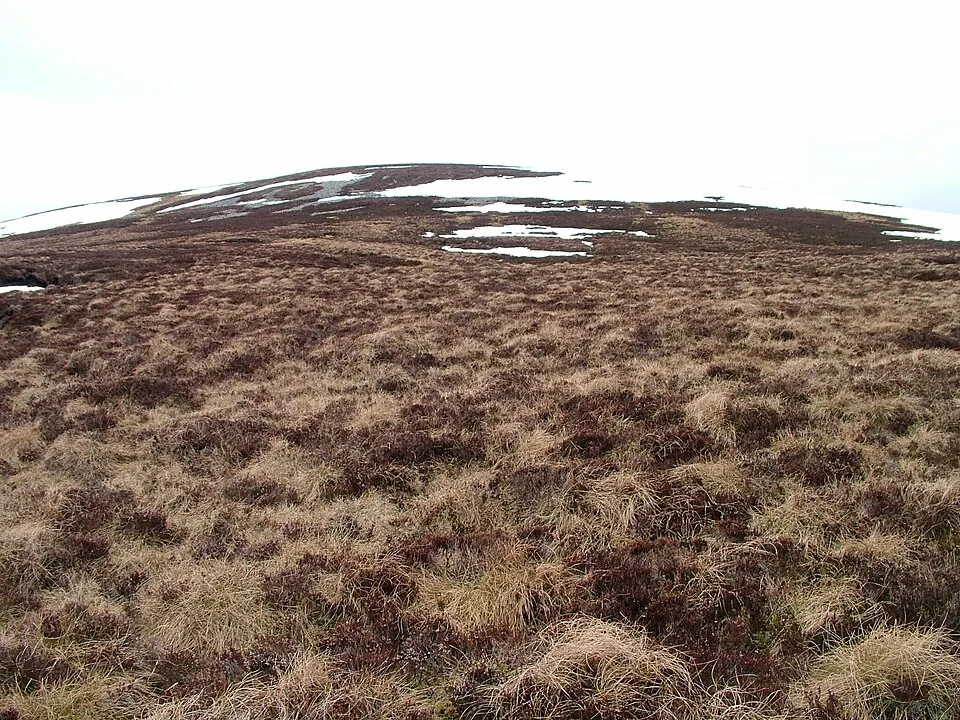
The ascent of Beinn Mheadhoin involves sustained climbing across rough ground, with bog level 3/5 conditions on the approaches and increasingly rocky terrain as you gain height. The path quality varies from good tracks in Glen Derry to much rougher, pathless ground on the upper mountain where navigation becomes critical.
The 4/5 difficulty rating reflects the long distances, serious navigation challenges, and the mountain's remote position deep in the Cairngorm massif where escape options are limited and weather can be severe.
Beinn Mheadhoin is best attempted during summer months when long daylight hours provide the time needed for the 9-12…
Beinn Mheadhoin is best attempted during summer months when long daylight hours provide the time needed for the 9-12 hour routes and when the high-level terrain is free from snow. The Cairngorms can experience relatively stable summer weather, though conditions above 1000 metres remain highly variable with sudden storms possible at any time. The length of the routes means very early starts are essential, even in midsummer, to ensure completion before darkness.
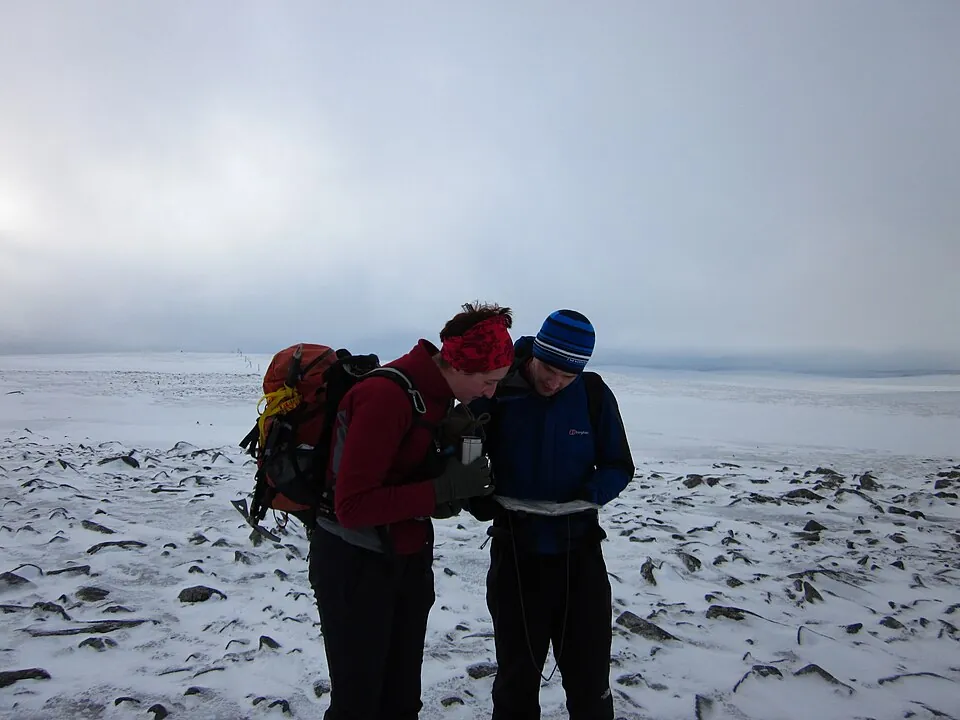
Winter transforms Beinn Mheadhoin into an extremely serious mountaineering objective requiring full winter skills, ice axes, crampons, and avalanche awareness. The high altitude and exposure mean harsh conditions with severe wind chill, and the broad plateaus become extremely dangerous in white-out conditions. Spring and autumn offer quieter times to climb, but shorter daylight hours make the long routes marginal for average-paced walkers.
Whatever the season, the height and remoteness of Beinn Mheadhoin mean you must be prepared for severe weather.
Access to Beinn Mheadhoin begins at the Linn of Dee car park, the gateway to the southern Cairngorms located west of…
Access to Beinn Mheadhoin begins at the Linn of Dee car park, the gateway to the southern Cairngorms located west of Braemar in Aberdeenshire. This popular car park serves multiple routes into the high Cairngorms and can be very busy during peak summer periods, so early arrival is essential to secure a space. The location is reached via minor roads from Braemar, itself accessed via the A93 through Royal Deeside.
The Linn of Dee provides basic parking facilities but no other services, so ensure you're fully equipped before setting out. The car park sits at the end of a public road, with further access into the mountains on foot or bicycle only. Mobile phone signal may be available at the car park but quickly disappears once you head into Glen Derry towards Beinn Mheadhoin.
The long approach from here emphasises the serious commitment required, with you entering some of Scotland's remotest mountain terrain where self-sufficiency is essential.
The summit of Beinn Mheadhoin at 1182 metres is one of the Cairngorms' most distinctive, crowned by a field of massive…
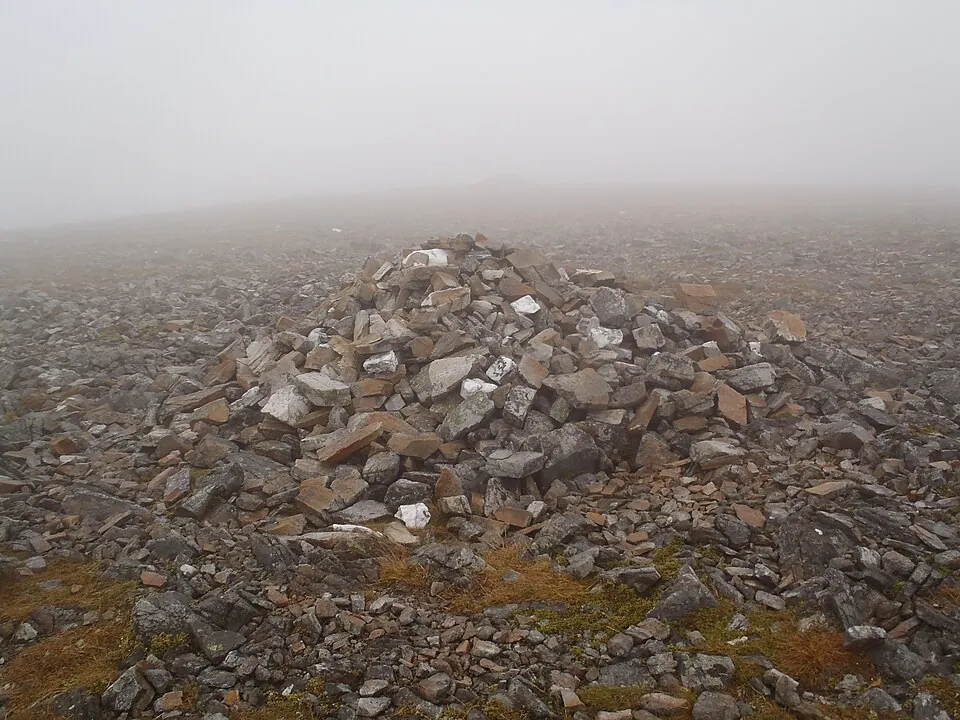
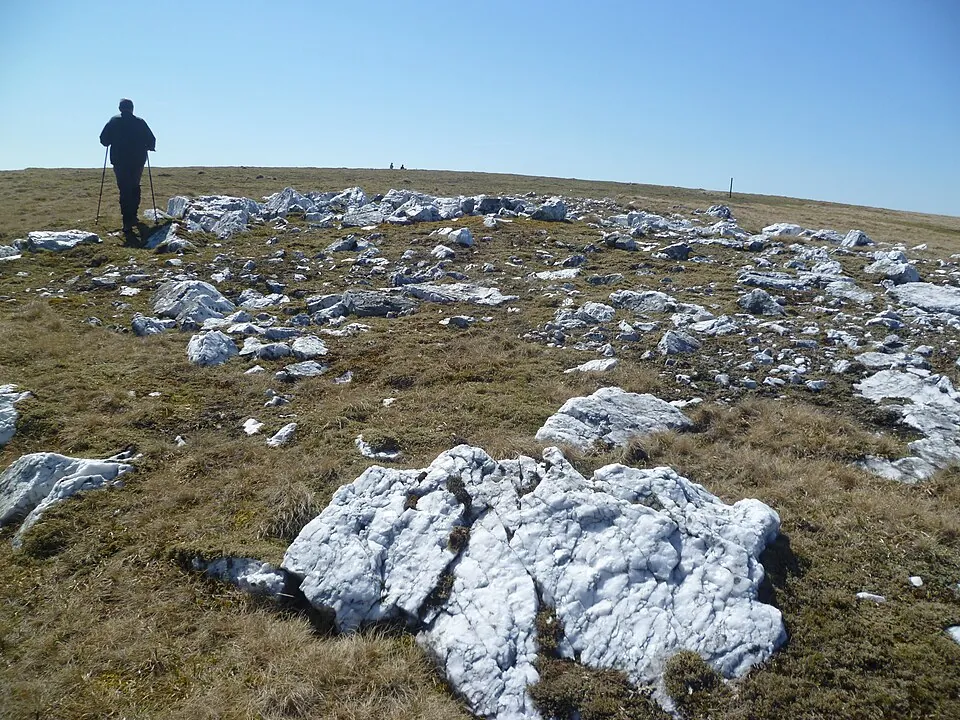
The summit of Beinn Mheadhoin at 1182 metres is one of the Cairngorms' most distinctive, crowned by a field of massive granite tor boulders that create a dramatic and unique summit environment. The highest point sits atop these tors, requiring a scramble to reach the true top in a landscape unlike any other Scottish mountain. Shelter is actually reasonable among the boulders, providing protection from wind though navigation around the tor field can be confusing in cloud.
Views from Beinn Mheadhoin extend across the heart of the Cairngorms, with the high plateau landscape rolling away in all directions. The granite tors create an otherworldly atmosphere, particularly in dramatic lighting or when cloud swirls around the summit. On clear days, the sense of being deep in mountain wilderness is profound, with the summit of Beinn Mheadhoin feeling remote from the lowland world.
In poor visibility, the tor field requires careful navigation to find the true summit and to safely navigate off the mountain.
The approaches to Beinn Mheadhoin pass through remnant Caledonian pinewoods in Glen Derry, home to specialised wildlife…
The approaches to Beinn Mheadhoin pass through remnant Caledonian pinewoods in Glen Derry, home to specialised wildlife including crossbills, crested tits, and red squirrels. This ancient forest ecosystem is globally important, with the gnarled Scots pines providing habitat for countless species. Beyond the treeline, heather moorland gives way to montane grassland and eventually the high-level plateau environment.
Above 1000 metres on Beinn Mheadhoin, you enter true arctic-alpine habitat where ptarmigan are resident year-round, perfectly camouflaged among the granite boulders. Mountain hares frequent these heights, while red deer may be encountered at most altitudes. The high Cairngorms support unique plant communities including rare alpine species found nowhere else in Britain.
Golden eagles patrol this vast mountain territory, and you may also spot dotterel on the high plateaus during summer. The granite tors support distinctive lichen communities, with these slow-growing organisms coating the ancient rocks.
Beinn Mheadhoin demands serious mountain skills and experience, with the 4/5 difficulty, high altitude, and remote…
Beinn Mheadhoin demands serious mountain skills and experience, with the 4/5 difficulty, high altitude, and remote location making this unsuitable for inexperienced walkers. Navigation skills are critical, as the broad Cairngorm plateaus become extremely confusing in cloud, and errors at this altitude in remote terrain can have fatal consequences. Carry full navigation equipment including map, compass, and GPS, and be confident using them in white-out conditions.
The 9-12 hour routes require excellent fitness and early starts, with sufficient food and water for a very long day. Water sources exist in the glens but are scarce on the high plateaus, so carry adequate supplies. The bog level 3/5 rating means waterproof boots are essential, with gaiters recommended. Phone signal is non-existent throughout the route, making self-rescue your only option.
Pack comprehensive emergency equipment including survival shelter, extra warm layers, food, and first aid supplies, as the altitude and exposure on Beinn Mheadhoin mean hypothermia is a real risk even in summer if you're caught in bad weather. The weather at 1182 metres can be dramatically different from conditions in the glen, so be prepared to turn back if conditions deteriorate above.
Explore more peaks near Cairngorms.
Common questions about climbing Beinn Mheadhoin.
Beinn Mheadhoin stands at 1,182 metres (3,878 feet), making it the 14th tallest of all 282 Munros in Scotland.
The name Beinn Mheadhoin translates from Scottish Gaelic as “Middle Mountain”.
Climbing Beinn Mheadhoin typically takes between 9.2 and 12 hours round trip. This varies with fitness, weather, and the route chosen — there are 2 routes to the summit.
There is dedicated parking at the standard starting point for the main route up Beinn Mheadhoin, in the Cairngorms area. The exact car park location, map pin and arrival guidance are in the free Munros app.
Beinn Mheadhoin is rated Hard (difficulty 4/5). Route difficulty varies across the 2 available routes.
The most popular route up Beinn Mheadhoin covers 20km, 9.2–12 hours round trip. There are 2 routes to the summit in total, ranging from Hard to Hard difficulty.
Beinn Mheadhoin (difficulty 4/5 at 1,182m) is best suited to experienced hillwalkers in the Cairngorms area. Expect sustained steep terrain and the need for confident navigation in poor visibility.
Beinn Mheadhoin is in the Cairngorms region of Scotland. Nearby Munros include A' Bhuidheanach Bheag, A' Chailleach (Monadhliath), A' Mharconaich.
Step-by-step directions, GPS navigation, exact parking and offline maps for Beinn Mheadhoin — free in the Munros app.
Free — Download on theApp StoreTrack all 282 Munros, plan routes, and log every summit. Join 2,400+ hillwalkers already using Munros.app.