Ben Alder
1,148m
Cairngorms
“Mountain of Rock and Water”
1,148mHeight
39.3kmRound trip
10.2–13.3hWalk time
HardDifficulty 4/5
Photo: GeographBot · CC BY-SA 2.0
“Mountain of Rock and Water”
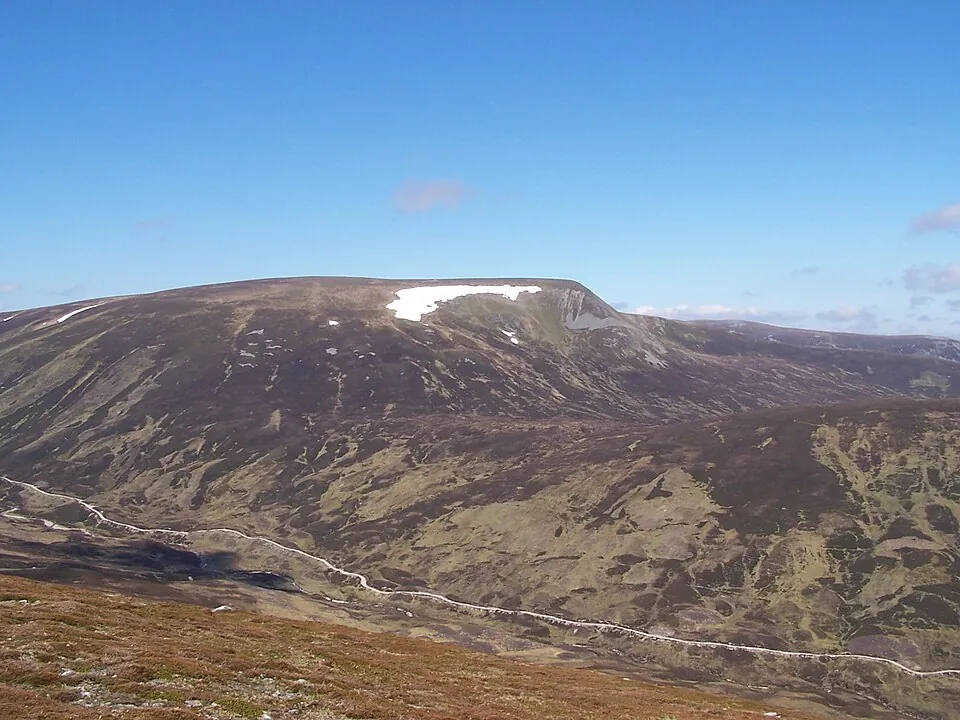
Ben Alder is a 1,148m Munro in the Cairngorms region, its Gaelic name meaning “mountain of rock and water”. It stands 26th of the 282 Munros by height. The usual ascent — Ben Alder and Beinn Bheoil from Culra — is a 39.3km round trip taking 10.2–13.3 hours, rated hard (4/5).
There are 2 routes to the summit of Ben Alder, ranging from 39.3km.
Ben Alder is one of Scotland's remotest and most committing Munros, accessed via an epic 39.3-kilometre route from…
Ben Alder is one of Scotland's remotest and most committing Munros, accessed via an epic 39.3-kilometre route from Dalwhinnie Station that typically includes neighboring Beinn Bheoil. The route requires 10-13 hours with a 4/5 difficulty rating reflecting the extreme distance, rough terrain, and serious remoteness.
You'll climb to Ben Alder's impressive 1148-metre summit after a very long approach through wild country, with much of the route pathless and demanding careful navigation.
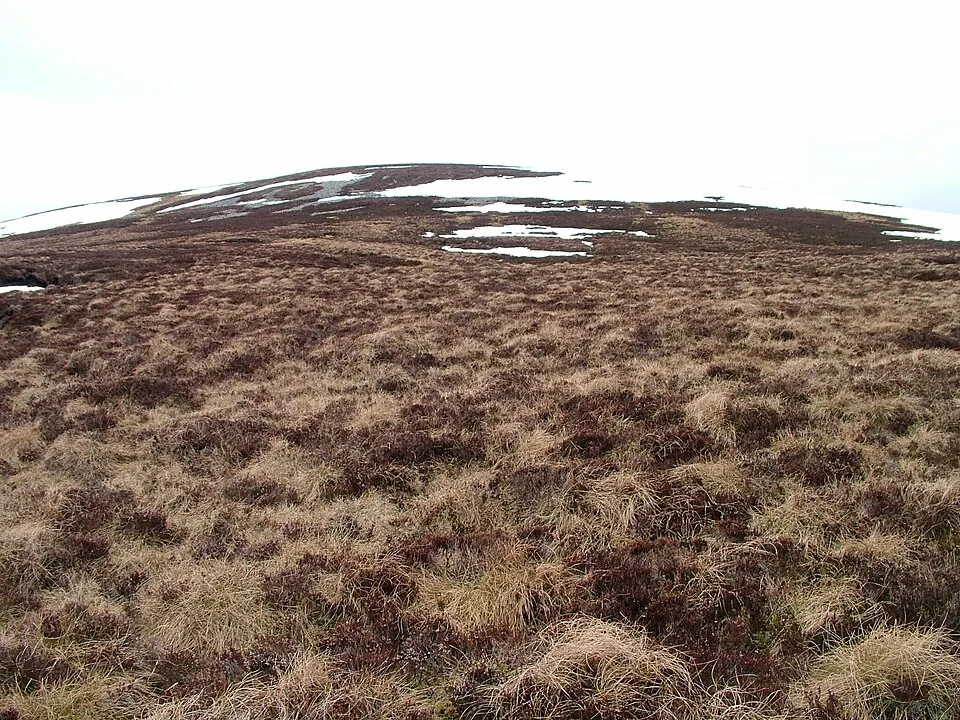
The 3/5 bog rating indicates substantial sections of wet ground, particularly on the long approach to Loch Pattack and Culra bothy, which many parties use as an overnight stop to split the journey. Ben Alder itself, meaning 'Mountain of Rock and Water', presents steep climbing on the upper slopes with rocky terrain requiring scrambling in places. This is a serious mountain expedition into genuine wilderness where self-reliance is essential.
Ben Alder should only be attempted between late May and early September when you have sufficient daylight for the 10-13…
Ben Alder should only be attempted between late May and early September when you have sufficient daylight for the 10-13 hour expedition. Even in midsummer, you'll need an extremely early start to complete the route in daylight hours, and many hillwalkers choose to stay overnight at Culra bothy to split the journey. Settled high-pressure weather is essential, as any deterioration leaves you badly exposed many hours from safety.
Winter ascents of Ben Alder are exceptional undertakings requiring advanced winter mountaineering skills and typically done over at least two days with overnight accommodation at Culra. The mountain's height and northern latitude mean it holds snow well, and conditions can be severe. Even in summer, the remoteness means you must have excellent weather forecasts before attempting Ben Alder.
Cloud can make navigation extremely challenging across the pathless terrain, and you should be prepared to postpone the climb if conditions are anything less than settled.
Access to Ben Alder begins at Dalwhinnie Station, with parking available nearby in the village. The trailhead marks the…
Access to Ben Alder begins at Dalwhinnie Station, with parking available nearby in the village. The trailhead marks the start of one of the longest approaches to any Munro, with around 16 kilometres of rough track and path to Culra bothy before you even begin climbing Ben Alder itself. The route follows the old Wade Road initially before heading west into increasingly wild country along Loch Pattack.
Many hillwalkers stay overnight at Culra bothy, one of Scotland's remotest bothies, to split the expedition over two days and reduce the extreme physical demands. You'll need to be entirely self-sufficient with all supplies for the journey, as there are no facilities beyond Dalwhinnie. Mobile phone signal is non-existent throughout the route. The seriousness of this expedition cannot be overstated.
You must inform someone reliable of your detailed plans and expected return time, and carry emergency equipment including shelter, extra food, and first aid supplies.
Reaching the summit of Ben Alder at 1148 metres represents a significant mountaineering achievement given the remoteness…
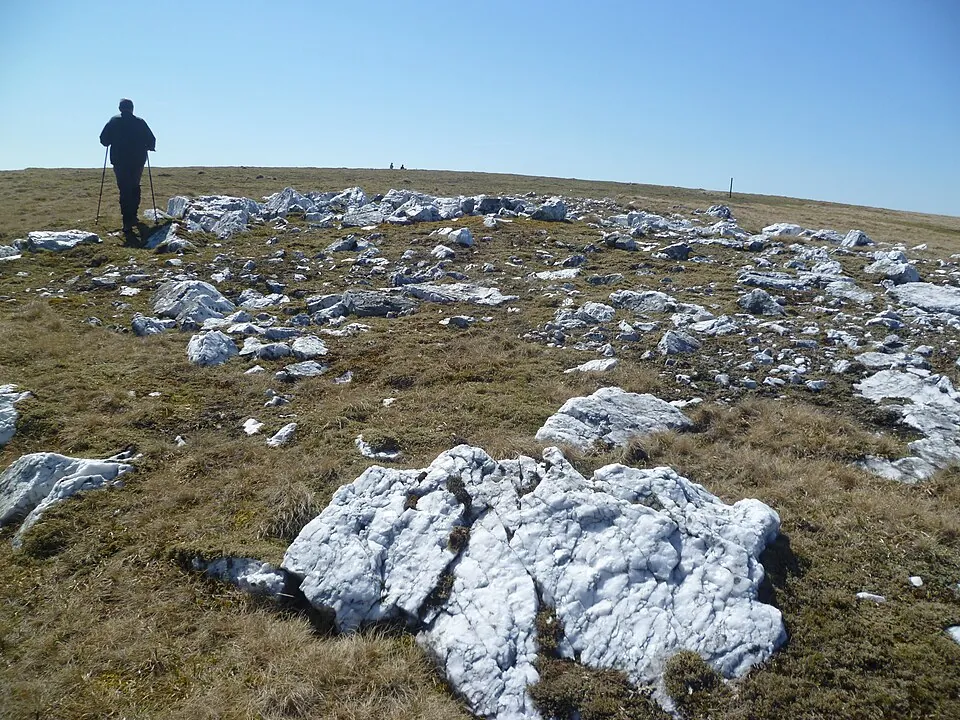
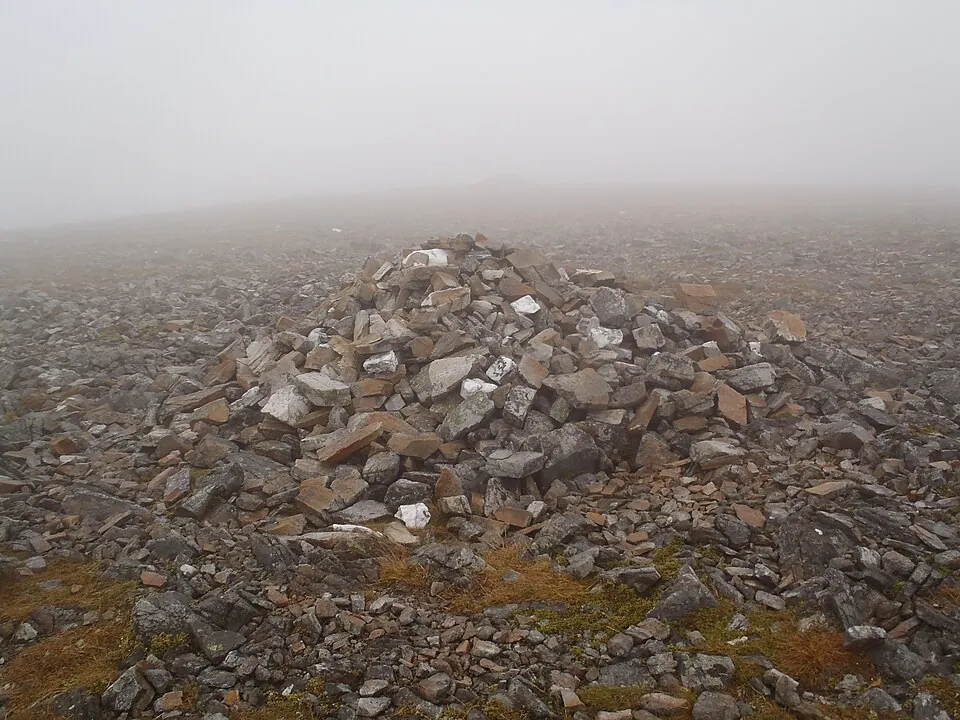
Reaching the summit of Ben Alder at 1148 metres represents a significant mountaineering achievement given the remoteness and commitment required. The summit sits on a rocky plateau with impressive crags dropping away to the north, creating a dramatic mountain atmosphere. You'll find a substantial cairn marking the high point, with the terrain rocky and exposed to the elements.
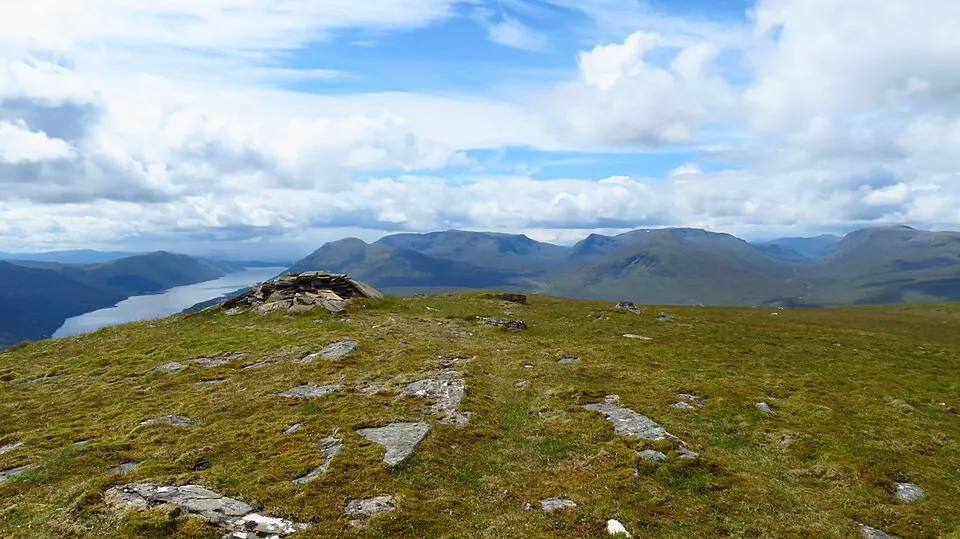
On clear days, the views from Ben Alder are magnificent, extending across the vast wilderness of the central Highlands with barely a sign of human presence. The Cairngorms plateau dominates the eastern horizon, while numerous Munros can be identified in every direction. The sense of remoteness is profound, as you're standing on one of the most distant summits in Scotland, many hours from the nearest road.
There's no natural shelter at the summit, and weather can deteriorate rapidly. You won't linger long given the distance still to cover, but the moment of standing atop Ben Alder is unforgettable.
The route to Ben Alder takes you through some of Scotland's wildest and least disturbed mountain habitat, with the…
The route to Ben Alder takes you through some of Scotland's wildest and least disturbed mountain habitat, with the remoteness allowing wildlife to thrive. Red deer are abundant throughout the area, and you'll certainly see them on the long approach. Golden eagles hunt over these hills, and the area supports some of Scotland's most important raptor populations.
The 3/5 bog rating reflects extensive blanket bog on the approach, supporting rich communities of sphagnum mosses, sundews, cotton grass, and sedges.
As you climb Ben Alder itself, vegetation transitions from heather moorland through montane heath to alpine zones above 900 metres. Ptarmigan inhabit the summit areas, while mountain hares are present on the upper slopes. The rocky terrain supports specialized alpine plants adapted to harsh conditions. The area's remoteness makes wildlife encounters more likely, with even pine martens present in the wider region.
The combination of altitude, northern latitude, and distance from human activity creates exceptional conditions for Highland wildlife and makes the ecology of Ben Alder particularly special.
Ben Alder is one of Scotland's most serious mountain expeditions and should only be attempted by very experienced,…
Ben Alder is one of Scotland's most serious mountain expeditions and should only be attempted by very experienced, exceptionally fit hillwalkers. The 4/5 difficulty rating and 39.3-kilometre distance demand thorough preparation, including carrying adequate food, water, and emergency supplies for up to 13 hours on the mountain. Most parties choose to stay overnight at Culra bothy to split the route, significantly reducing risk and physical demands.
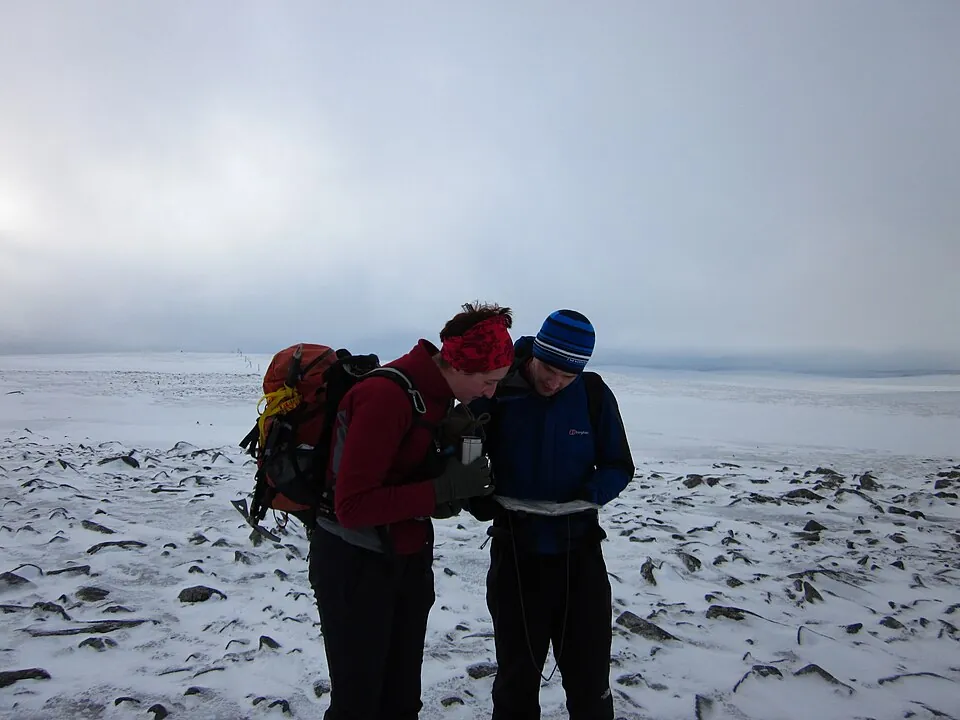
Navigation skills must be expert level, as much of the terrain is pathless and featureless, with the 3/5 bog rating indicating challenging underfoot conditions. Carry map, compass, and GPS, and be confident using them in zero visibility. Even attempting this route in a single day requires an exceptionally early start, with many parties setting off well before dawn. There is no mobile phone signal and no escape routes once you're committed to the route.
Weather forecasts must be excellent, and you must have the judgment to turn back without hesitation if conditions deteriorate. Carry emergency shelter, extra food and water, comprehensive first aid supplies, and blister treatment given the extreme distance. Ben Alder represents wilderness mountaineering at its most committing and demands the highest levels of preparation, fitness, and mountain judgment.
Explore more peaks near Cairngorms.
Common questions about climbing Ben Alder.
Ben Alder stands at 1,148 metres (3,766 feet), making it the 26th tallest of all 282 Munros in Scotland.
The name Ben Alder translates from Scottish Gaelic as “Mountain of Rock and Water”.
Climbing Ben Alder typically takes between 10 and 13.3 hours round trip. This varies with fitness, weather, and the route chosen — there are 2 routes to the summit.
There is dedicated parking at the standard starting point for the main route up Ben Alder, in the Cairngorms area. The exact car park location, map pin and arrival guidance are in the free Munros app.
Ben Alder is rated Hard (difficulty 4/5). Route difficulty varies across the 2 available routes.
The most popular route up Ben Alder covers 39.3km, 10.2–13.3 hours round trip. There are 2 routes to the summit in total, ranging from Hard to Hard difficulty.
Ben Alder (difficulty 4/5 at 1,148m) is best suited to experienced hillwalkers in the Cairngorms area. Expect sustained steep terrain and the need for confident navigation in poor visibility.
Ben Alder is in the Cairngorms region of Scotland. Nearby Munros include A' Bhuidheanach Bheag, A' Chailleach (Monadhliath), A' Mharconaich.
Step-by-step directions, GPS navigation, exact parking and offline maps for Ben Alder — free in the Munros app.
Free — Download on theApp StoreTrack all 282 Munros, plan routes, and log every summit. Join 2,400+ hillwalkers already using Munros.app.