Home Features Explore Munros Munro Map Reviews Get the App

The Saddle

1,010m Kintail

“The Saddle”

1,010mHeight
20kmRound trip
5.3–6.9hWalk time
HardDifficulty 4/5
Community
conditions
No reports yet — be the first to log this Munro
Log a climb
Track this summit
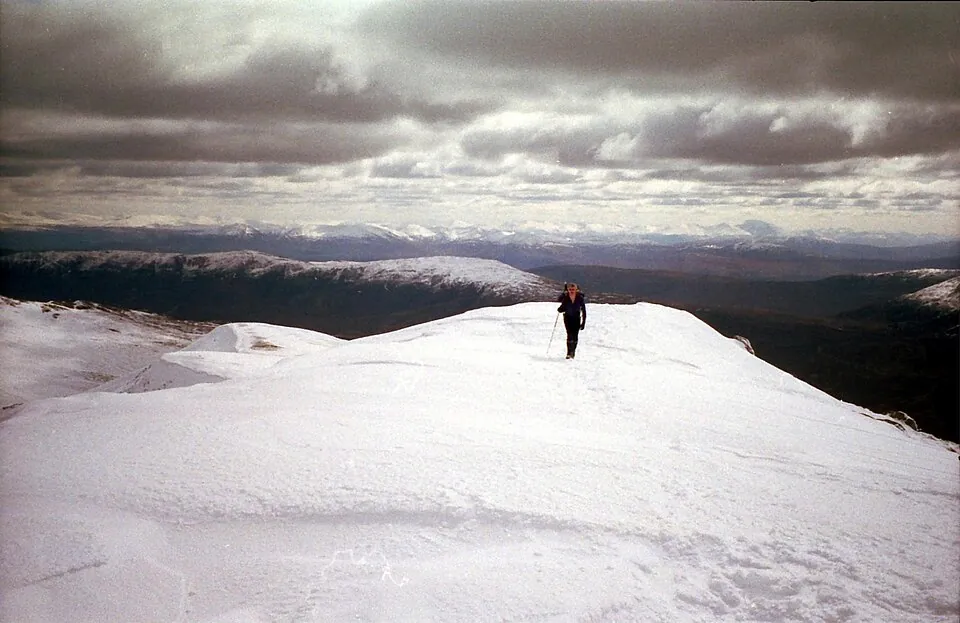
Photo: GeographBot · CC BY-SA 2.0
Overview

About this Munro

The Saddle is a 1,010m Munro in the Kintail region, its Gaelic name meaning “the saddle”. It stands 127th of the 282 Munros by height. The usual ascent — The Saddle from Morvich / Shiel Bridge — is a 20km round trip taking 5.3–6.9 hours, rated hard (4/5).

Height rank127th of 282
RegionKintail
Coordinates57.1626°N 5.4135°W
OS Grid RefNG 936 131
GPS routes in the appSummit location — full route lines, parking pins & offline maps in the free app.
Plan your day

Routes & Navigation

There is 1 route to the summit of The Saddle, covering 20km.

Route preview

The Saddle from Morvich / Shiel Bridge

Hard
5.3–6.9h round trip20km distance↑808m ascent
Bog ratingSlight
ParkingGlen Shiel/Shiel Bridge Layby
Step-by-step guideIn the app

Climbing The Saddle

The ascent of The Saddle from Morvich or Shiel Bridge is a demanding West Highland expedition. This 20km route takes 5.3…

The ascent of The Saddle from Morvich or Shiel Bridge is a demanding West Highland expedition. This 20km route takes 5.3 to 6.9 hours and is rated 4/5 for difficulty with 2/5 bog levels. Starting from the Glen Shiel area, you'll climb toward one of Scotland's finest ridge walks. The approach is relatively straightforward on reasonable paths, with generally dry underfoot conditions reflected in the modest bog level.

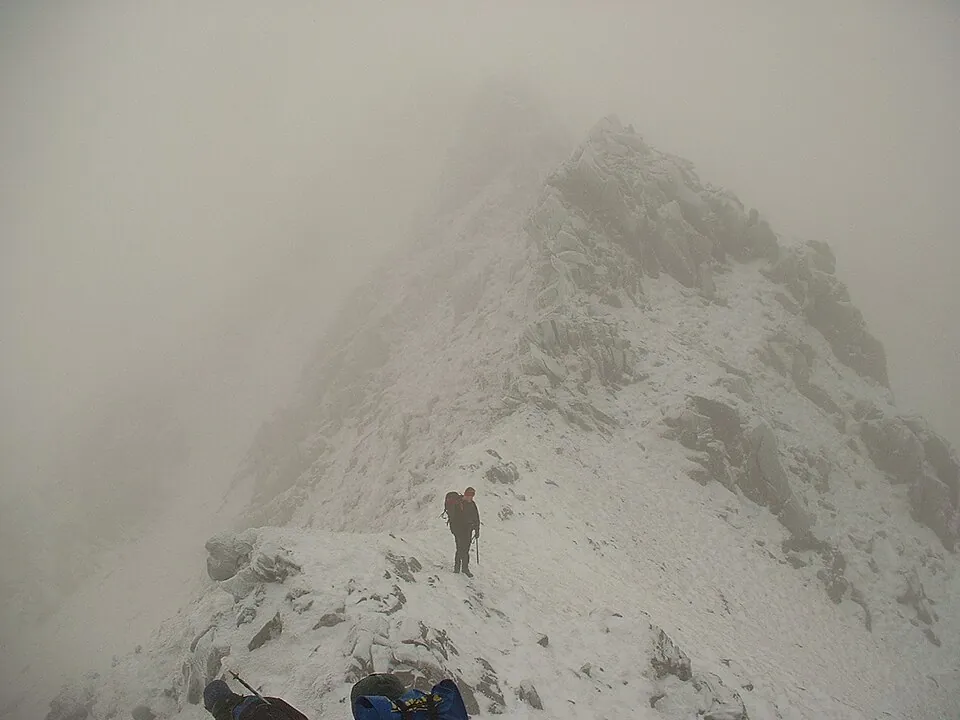
As you gain height toward The Saddle at 1010m, the terrain becomes increasingly rocky and exposed. The mountain is renowned for its spectacular Forcan Ridge, an optional scramble that adds significantly to the challenge and exposure. If you choose the standard route, you'll still encounter steep, rocky terrain requiring good fitness and sure-footedness. The Saddle's relatively short distance compared to its 5.3 to 6.

9 hour time indicates the steepness and technical nature of the climbing. The mountain rises dramatically from glen to summit, with sustained ascent that will test your stamina. This is serious hill walking in remote terrain with limited bail-out options once committed.

Best Time to Climb The Saddle

Plan your ascent of The Saddle for late spring through early autumn when you have sufficient daylight for this 5.3 to…

Plan your ascent of The Saddle for late spring through early autumn when you have sufficient daylight for this 5.3 to 6.9 hour climb. The Kintail region on Scotland's west coast experiences high rainfall and frequent Atlantic weather systems. Summer from June to August offers the longest days and best chance of settled weather, though you should always be prepared for rain and wind even in high summer.

The Saddle at 1010m catches the prevailing westerlies with full force, and conditions at the summit can be vastly different from those in Glen Shiel below. May and September can be excellent months with good visibility and fewer midges than midsummer. Winter transforms The Saddle into a serious mountaineering route, with the ridges becoming dangerous in snow and ice, requiring full winter skills, ice axe, and crampons.

The generally dry ground conditions at 2/5 bog level make the approach more pleasant, but the west coast location means rain is never far away. Avoid attempting the ridges in high winds or poor visibility. Start early to give yourself plenty of time, particularly if you're tackling the Forcan Ridge.

Getting to The Saddle

Your starting point for The Saddle is the Glen Shiel or Shiel Bridge area in Kintail. The most common approach is from a…

Your starting point for The Saddle is the Glen Shiel or Shiel Bridge area in Kintail. The most common approach is from a layby parking area on the A87 near Shiel Bridge or from Morvich. The A87 is the main road connecting Kyle of Lochalsh and Skye to Inverness, a well-maintained single-carriageway that winds through spectacular Highland scenery. Shiel Bridge is approximately 15 miles east of the Skye Bridge and about 50 miles west of Inverness.

The Glen Shiel/Shiel Bridge Layby provides roadside parking with space for several vehicles, though it can fill quickly on popular weekends. Alternatively, you can start from Morvich, reached by a minor road branching off the A87, which offers more parking. The area is relatively remote, with the nearest substantial services in Kyle of Lochalsh to the west or Fort Augustus to the east. Come fully prepared as there are no facilities at the trailhead.

The location offers stunning views of the Five Sisters of Kintail across Glen Shiel from the parking area.

The Saddle Summit

The summit of The Saddle at 1010m is one of the finest in the Western Highlands. You'll find yourself on a spectacular…

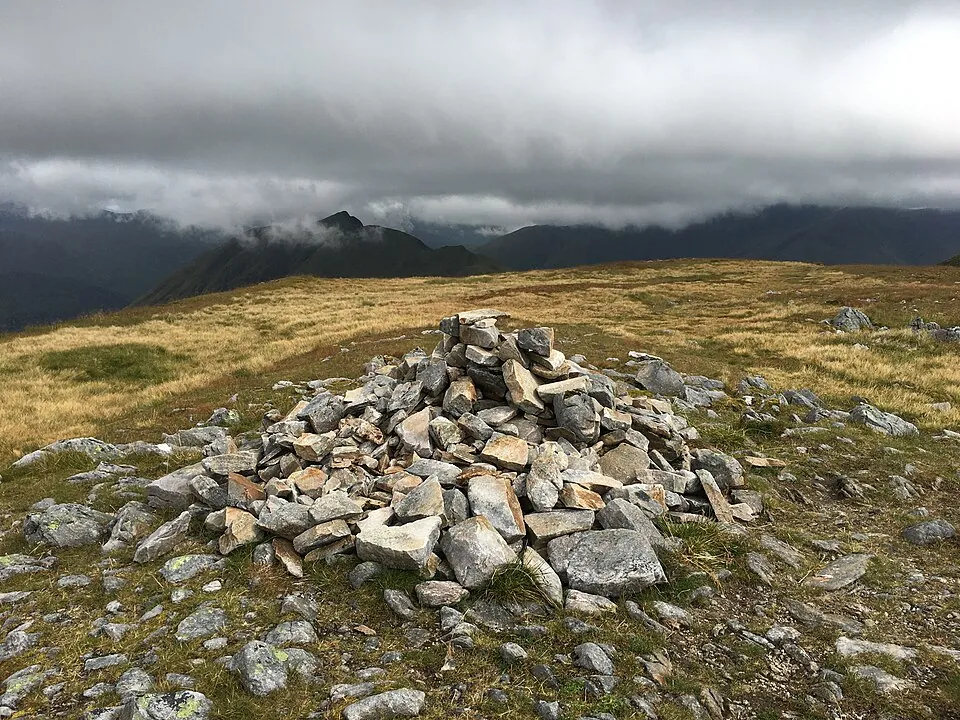
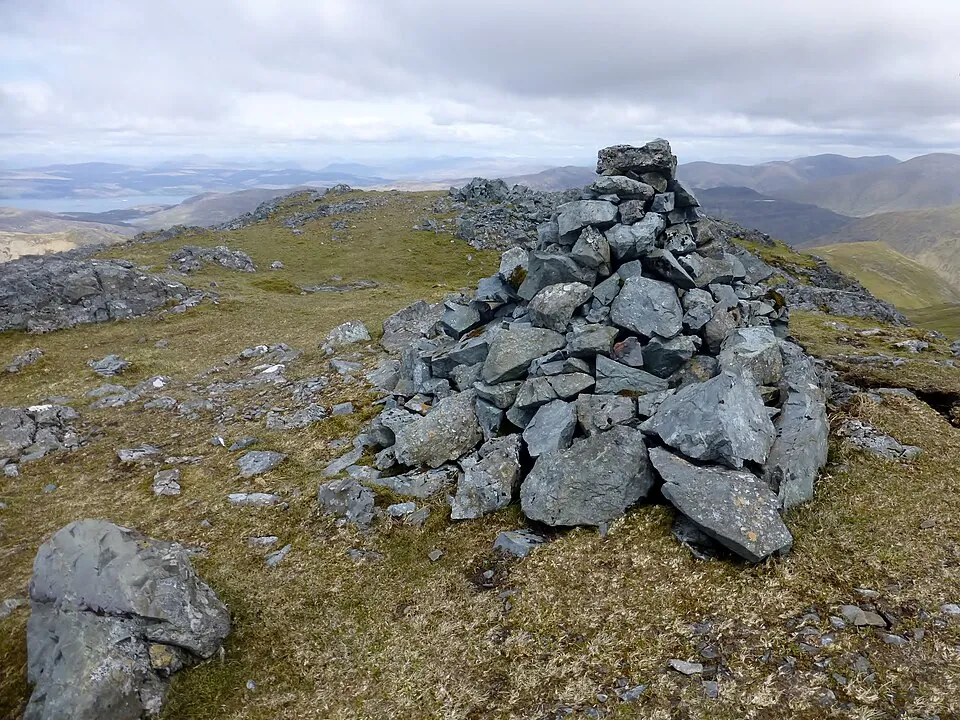
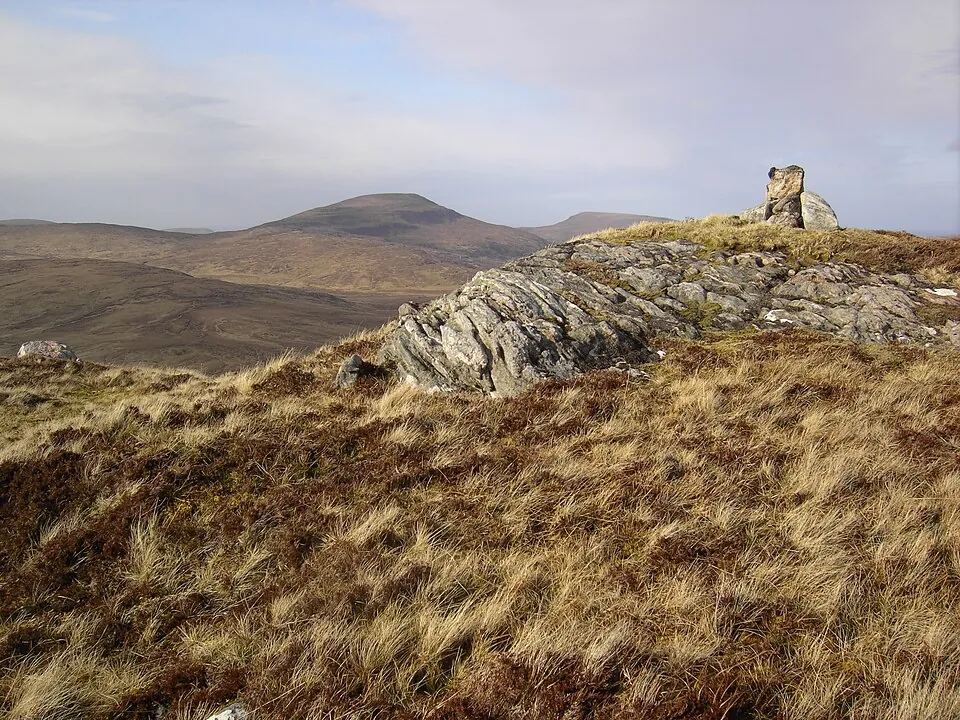
The summit of The Saddle at 1010m is one of the finest in the Western Highlands. You'll find yourself on a spectacular rocky ridge with dramatic exposure and sweeping views. The summit area is characterized by broken rock and boulders, requiring careful foot placement. There's a cairn marking the highest point on The Saddle, but little shelter from the elements, you're fully exposed to the westerly winds that sweep in from the Atlantic.

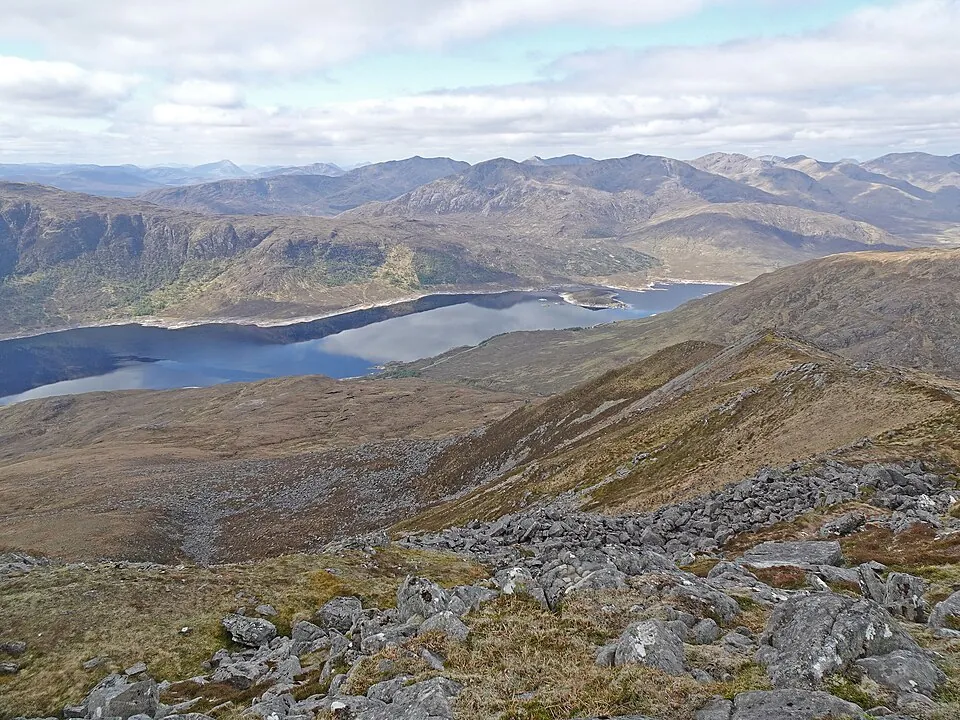
In clear conditions, the views are breathtaking: the Five Sisters of Kintail march across Glen Shiel to the north, while countless peaks spread in all directions. Looking west, you can see toward Skye and the islands, while the mountains of Knoydart and beyond fill the western horizon. The summit ridge of The Saddle is narrow in places, adding to the sense of exposure and achievement. To the east, the Glen Shiel mountains spread away toward the Great Glen.

The rocky, alpine character of the summit gives The Saddle a serious mountain atmosphere. On wild days, this is a place to appreciate the raw power of Highland weather.

Wildlife on The Saddle

The route to The Saddle takes you through classic West Highland habitats. Lower slopes feature heather moorland, rough…

The route to The Saddle takes you through classic West Highland habitats. Lower slopes feature heather moorland, rough grassland, and bracken, with the relatively dry conditions at 2/5 bog level making for easier going than many west coast mountains. Red deer are abundant in Kintail and you're likely to encounter them, particularly in early morning or evening.

As you climb toward The Saddle at 1010m, vegetation transitions to montane heath with hardy grasses and alpine plants. The west coast location brings high rainfall, supporting lush moss growth on rocks and creating verdant conditions in the glens. Ravens are common, often performing acrobatic displays around the crags and ridges. Golden eagles hunt across Kintail and you may be fortunate enough to spot one soaring on the thermals.

Buzzards are frequently seen, their mewing calls echoing off the hillsides. At higher elevations on The Saddle, ptarmigan may be encountered, though they're well camouflaged against the rocky terrain. In summer, mountain wildflowers including saxifrage, thrift, and alpine lady's mantle add colour to the rocky slopes. The combination of Atlantic moisture and rocky terrain creates ideal conditions for ferns and mosses.

The Saddle Tips

The Saddle is rated 4/5 difficulty and requires good fitness, scrambling confidence if attempting the Forcan Ridge, and…

The Saddle is rated 4/5 difficulty and requires good fitness, scrambling confidence if attempting the Forcan Ridge, and sound mountain judgment. The 20km route takes 5.3 to 6.9 hours, so start early with plenty of time. Carry full hillwalking kit including waterproofs, warm layers, map, compass, and GPS device. The west coast location means weather can deteriorate rapidly, be prepared for rain and wind at 1010m.

Navigation can be challenging in mist, particularly on the complex ridge terrain of The Saddle. Waterproof boots are essential despite the 2/5 bog level, the west coast can be wet. Carry plenty of water and high-energy food, reliable water sources are limited once you're high on the mountain. Mobile signal is very unreliable in this remote area.

If attempting the Forcan Ridge, you need to be comfortable with exposure and scrambling, it's a serious undertaking not to be attempted in poor conditions. The ridges of The Saddle can be dangerous in high winds. In winter, this becomes a mountaineering route requiring full winter skills. Always let someone know your route and expected return time before tackling The Saddle.
Frequently Asked Questions

Common questions about climbing The Saddle.

How tall is The Saddle?

The Saddle stands at 1,010 metres (3,314 feet), making it the 127th tallest of all 282 Munros in Scotland.

What does The Saddle mean in Gaelic?

The name The Saddle translates from Scottish Gaelic as “The Saddle”.

How long does it take to climb The Saddle?

Climbing The Saddle typically takes between 5.3 and 6.9 hours round trip. This varies with fitness, weather, and the route chosen.

Where do I park for The Saddle?

There is dedicated parking at the standard starting point for the main route up The Saddle, in the Kintail area. The exact car park location, map pin and arrival guidance are in the free Munros app.

How difficult is The Saddle to climb?

The Saddle is rated Hard (difficulty 4/5).

What is the best route up The Saddle?

The most popular route up The Saddle covers 20km, 5.3–6.9 hours round trip.

Is The Saddle good for beginners?

The Saddle (difficulty 4/5 at 1,010m) is best suited to experienced hillwalkers in the Kintail area. Expect sustained steep terrain and the need for confident navigation in poor visibility.

What region is The Saddle in?

The Saddle is in the Kintail region of Scotland. Nearby Munros include A' Chralaig, A' Ghlas-bheinn, Aonach Air Chrith.

Start your journey

Ready to bag
them all?

Track all 282 Munros, plan routes, and log every summit. Join 2,400+ hillwalkers already using Munros.app.

Download for iPhone Free on the App Store