Binnein Mòr
“Big Peak”
“Big Peak”
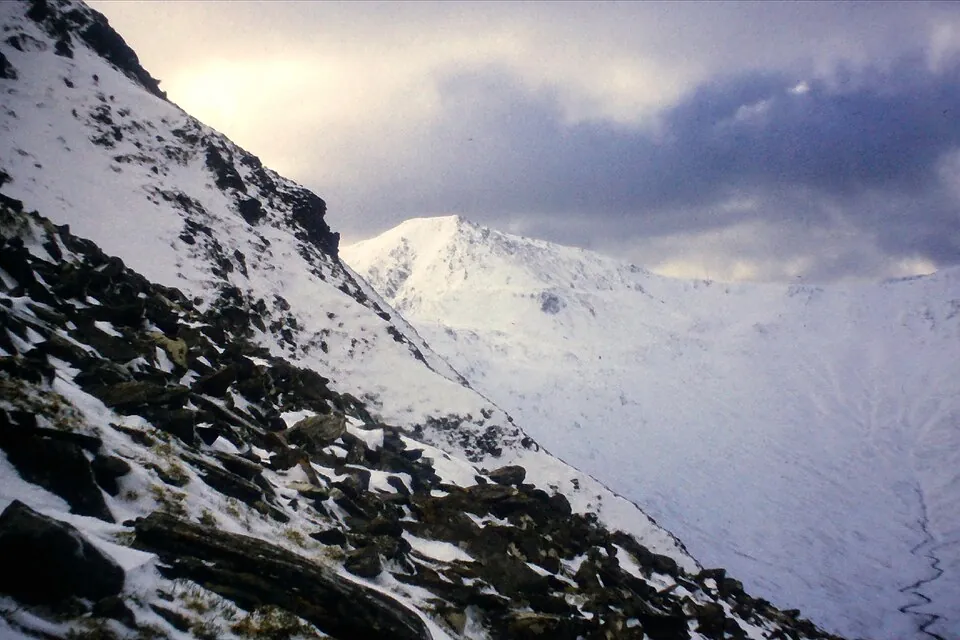
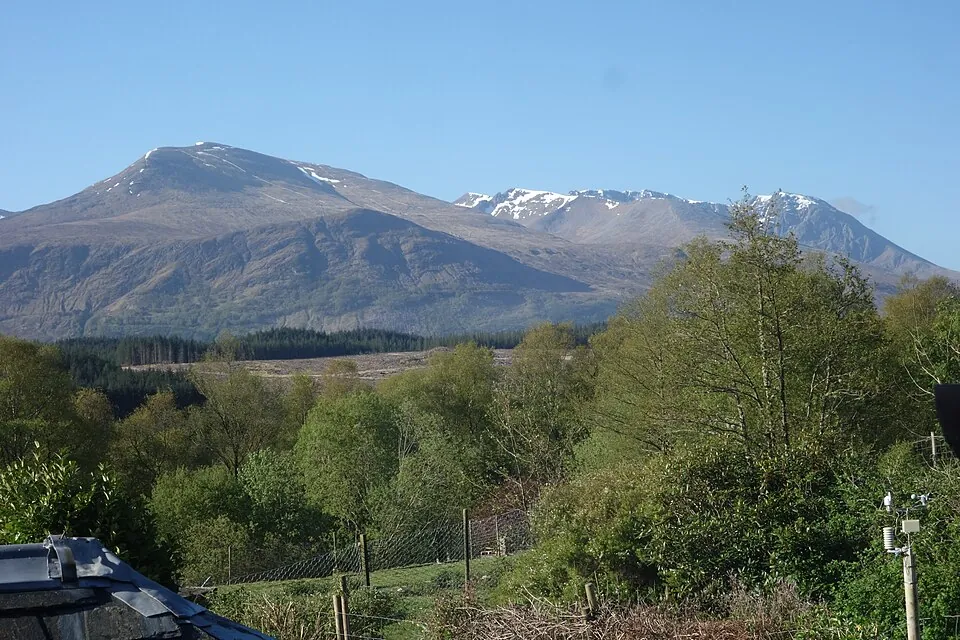
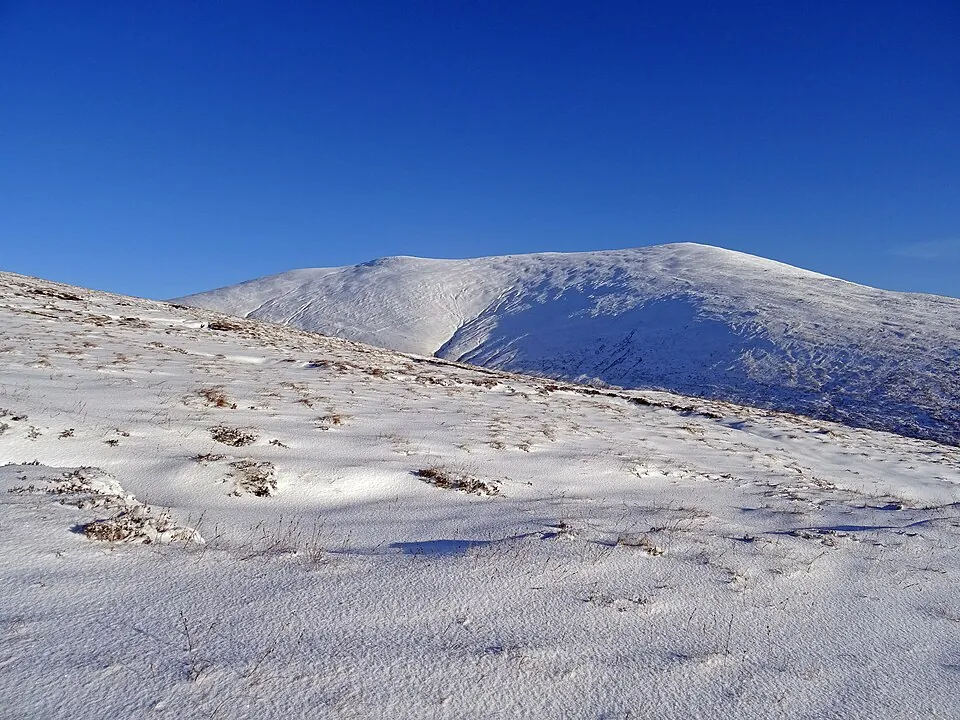
Binnein Mòr is a 1,130m Munro in the Fort William region, its Gaelic name meaning “big peak”. It stands 29th of the 282 Munros by height. The usual ascent — Grey Corries traverse — is a 22.8km round trip taking 7.9–10.3 hours, rated hard (4/5).
There are 2 routes to the summit of Binnein Mòr, ranging from 22.8km.
At 1130m, Binnein Mòr stands as the highest point of the Mamores ridge and presents two distinct route options. The Grey…
At 1130m, Binnein Mòr stands as the highest point of the Mamores ridge and presents two distinct route options. The Grey Corries traverse from Spean Bridge covers 22.8km with 4/5 difficulty, while the even more demanding approach from Kinlochleven spans 23km and earns a 5/5 difficulty rating. Both routes feature complex terrain with significant height gain and technical sections.
The ascent of Binnein Mòr involves sustained climbing across generally dry ground, though the 2/5 bog rating means you'll encounter some wet patches, particularly on approach paths. The gradient steepens considerably as you near the summit cone, with rocky sections requiring careful footwork. From Kinlochleven, you'll also tackle Na Gruagaichean, adding to the cumulative ascent and making this one of the most challenging single-day Munro expeditions in the Fort William area.
Binnein Mòr demands the longest daylight hours available, making it ideally suited to late May through August when you…
Binnein Mòr demands the longest daylight hours available, making it ideally suited to late May through August when you have 16-18 hours of daylight. Even then, both routes require 7-10 hours of sustained effort, necessitating an alpine start to ensure safe descent before dark.
The mountain's 1130m height means weather conditions can be severe even in summer, with the summit often cloud-covered when valleys enjoy clear skies. The Fort William region receives high rainfall, and Binnein Mòr's western position exposes it to Atlantic weather systems. Winter ascents add significant challenge and should only be attempted by experienced winter mountaineers with crampons and ice axe skills.
Settled high-pressure periods in spring and autumn can offer spectacular conditions with excellent visibility.
For the Grey Corries traverse, you'll start from Spean Bridge with its accessible parking on the A86. The Kinlochleven…
For the Grey Corries traverse, you'll start from Spean Bridge with its accessible parking on the A86. The Kinlochleven approach uses Kinlochleven Car Park, located in the village at the head of Loch Leven. Kinlochleven is reached via the B863 from Glencoe or North Ballachulish, with good road access year-round.
Both starting points offer early parking availability, though you should arrive in good time during summer weekends. The Kinlochleven route requires no car shuttle as it's a there-and-back route, whereas the Grey Corries traverse necessitates careful transport planning. Both villages have facilities for refreshments after your climb, and Kinlochleven in particular serves as a popular stopping point on the West Highland Way.
Standing on the summit of Binnein Mòr at 1130m, you'll occupy the highest point of the Mamores range, marked by a…
Standing on the summit of Binnein Mòr at 1130m, you'll occupy the highest point of the Mamores range, marked by a substantial cairn. The summit area is rocky and exposed, with limited shelter from the prevailing westerly winds that sweep across this elevated position.
The panoramic views from Binnein Mòr are exceptional on clear days, with the entire Mamores ridge laid out before you and the distinctive profiles of Glen Coe's peaks visible to the south. The summit's elevation and prominence make it feel like a true mountain throne, and you'll understand why this is considered one of the finest viewpoints in the Fort William area. The rocky summit plateau requires care in poor visibility, as steep drops fall away on multiple sides.
The diverse altitudinal range you'll traverse to reach Binnein Mòr supports varied wildlife communities. In the lower…
The diverse altitudinal range you'll traverse to reach Binnein Mòr supports varied wildlife communities. In the lower glens around Kinlochleven and Spean Bridge, you'll pass through areas of regenerating native woodland where red deer are commonly seen, particularly at dawn and dusk.
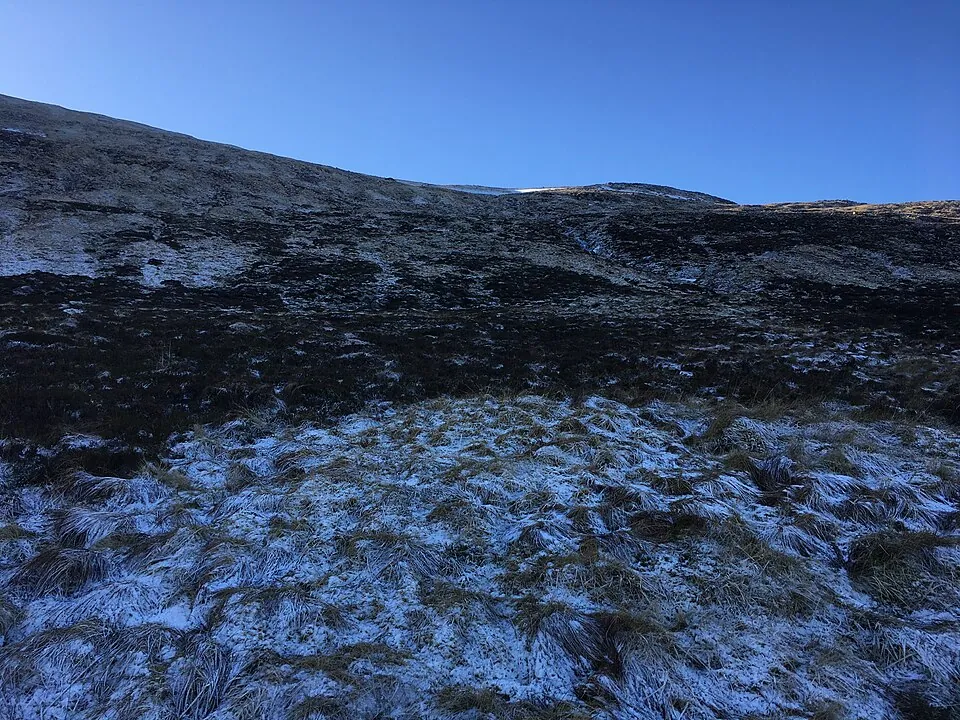
As you climb toward Binnein Mòr's lofty summit, heather moorland gives way to montane grassland and eventually to boulder-strewn high-altitude terrain. Above 900m, you're in ptarmigan territory—these remarkable birds are year-round residents of the highest peaks. Mountain hares also inhabit these elevations, their coats changing with the seasons.
The Fort William area's mountains support golden eagles, and the height and remoteness of Binnein Mòr make it excellent hunting ground for these magnificent raptors. Alpine plants colonize sheltered spots between the summit rocks.
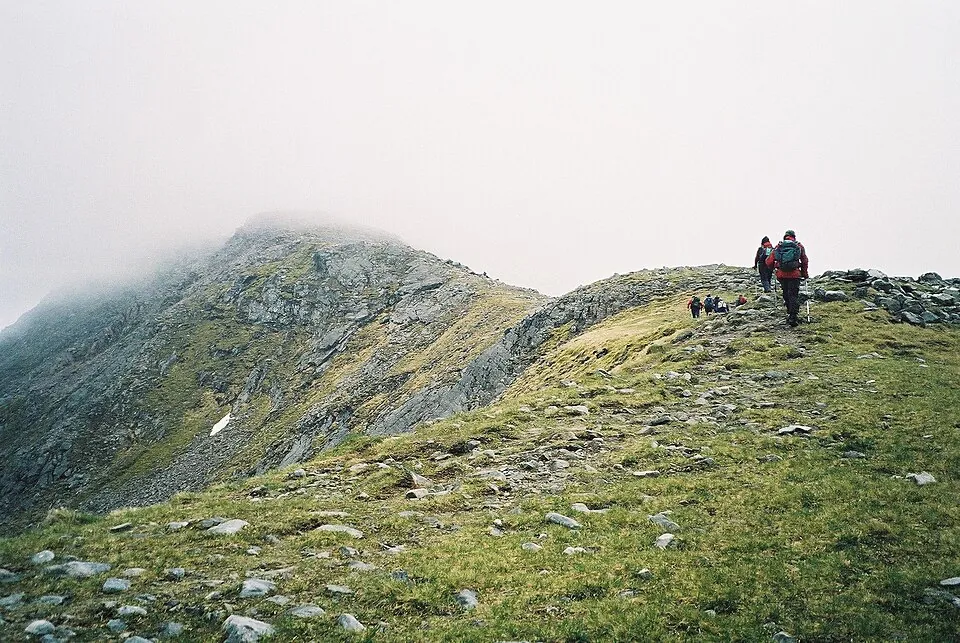
Binnein Mòr's 5/5 difficulty rating from Kinlochleven reflects serious mountain terrain requiring experience, fitness,…
Binnein Mòr's 5/5 difficulty rating from Kinlochleven reflects serious mountain terrain requiring experience, fitness, and strong navigation skills. The length of both routes means you must pace yourself carefully, and turning back is always preferable to exhaustion or being caught out after dark.
Navigation in cloud is particularly challenging on the complex ridge systems, so confident compass work is essential. Carry ample water—though some streams exist on approach, the ridge sections offer limited water sources. The weather can deteriorate rapidly at this altitude, and hypothermia risk is real even in summer if you're caught in wind and rain without proper clothing. Mobile signal is patchy to non-existent, so leave detailed plans with someone.
The 2/5 bog rating means waterproof boots are advisable despite generally dry conditions.
Explore more peaks near Fort William.
Common questions about climbing Binnein Mòr.
Binnein Mòr stands at 1,130 metres (3,707 feet), making it the 29th tallest of all 282 Munros in Scotland.
The name Binnein Mòr translates from Scottish Gaelic as “Big Peak”.
Climbing Binnein Mòr typically takes between 7.4 and 10.3 hours round trip. This varies with fitness, weather, and the route chosen — there are 2 routes to the summit.
There is dedicated parking at the standard starting point for the main route up Binnein Mòr, in the Fort William area. The exact car park location, map pin and arrival guidance are in the free Munros app.
Binnein Mòr is rated Very Hard (difficulty 5/5). Route difficulty varies across the 2 available routes.
The most popular route up Binnein Mòr covers 22.8km, 7.9–10.3 hours round trip. There are 2 routes to the summit in total, ranging from Hard to Very Hard difficulty.
Binnein Mòr (difficulty 4/5 at 1,130m) is best suited to experienced hillwalkers in the Fort William area. Expect sustained steep terrain and the need for confident navigation in poor visibility.
Binnein Mòr is in the Fort William region of Scotland. Nearby Munros include Am Bodach, An Gearanach, Aonach Beag (Nevis Range).
Step-by-step directions, GPS navigation, exact parking and offline maps for Binnein Mòr — free in the Munros app.
Free — Download on theApp StoreTrack all 282 Munros, plan routes, and log every summit. Join 2,400+ hillwalkers already using Munros.app.