Càrn Gorm
1,245m
Cairngorms
“Blue Cairn”
1,245mHeight
17.4kmRound trip
4.7–6.1hWalk time
EasyDifficulty 1/5
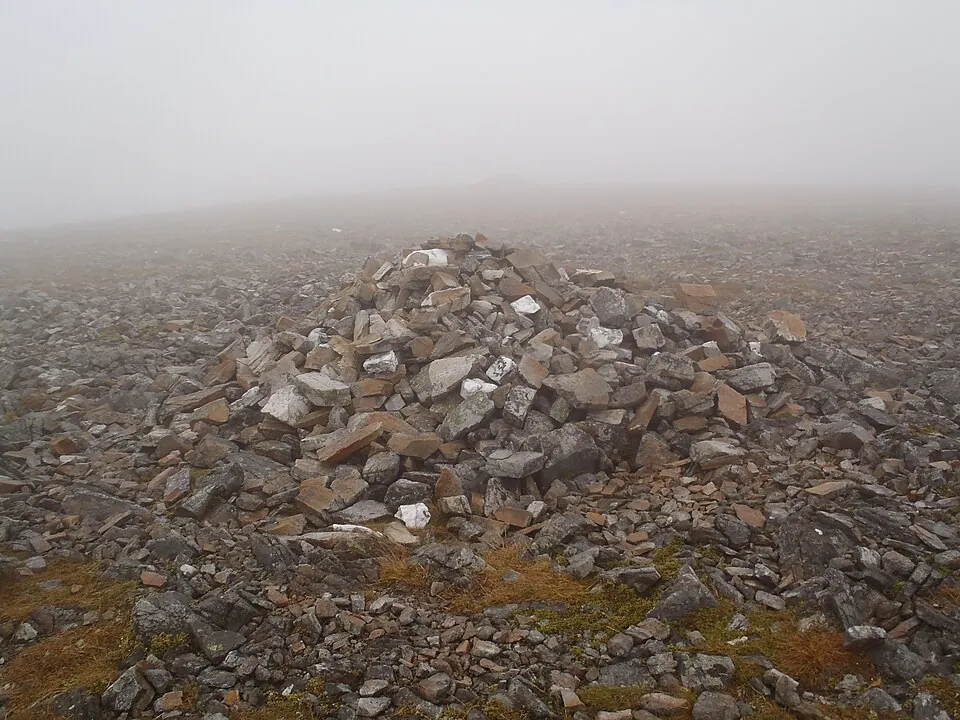
Photo: GeographBot · CC BY-SA 2.0
“Blue Cairn”
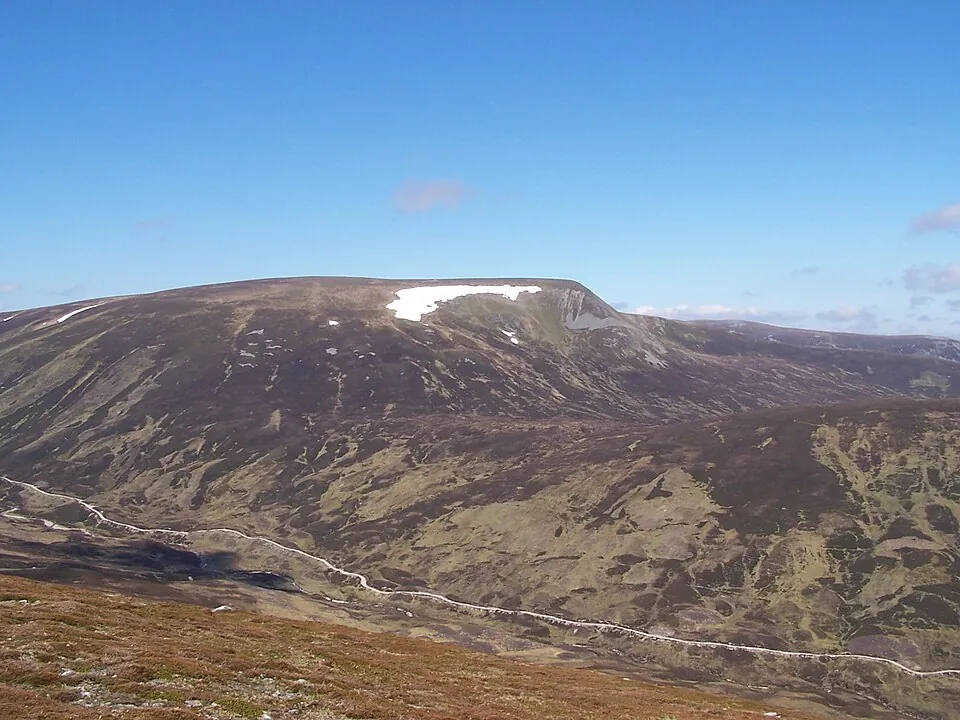
Càrn Gorm is a 1,245m Munro in the Cairngorms region, its Gaelic name meaning “blue cairn”. It stands 7th of the 282 Munros by height. The usual ascent — Cairn Gorm from ski centre — is a 17.4km round trip taking 4.7–6.1 hours, rated easy (1/5).
There is 1 route to the summit of Càrn Gorm, covering 17.4km.
The ascent of Càrn Gorm from the Cairngorm Mountain Car Park is one of Scotland's most accessible Munro climbs, though…
The ascent of Càrn Gorm from the Cairngorm Mountain Car Park is one of Scotland's most accessible Munro climbs, though the 17.4-kilometre distance means it's still a substantial undertaking requiring 4.7 to 6.1 hours. The route benefits from well-maintained paths and the ski area infrastructure, making Càrn Gorm navigable even in less than perfect visibility for much of the ascent.
The terrain underfoot is generally good, with the difficulty rating of 1/5 and bog level of 2/5 indicating this is a relatively straightforward walk by Munro standards. However, don't let the easy grade fool you; at 1245 metres, Càrn Gorm is a serious mountain where arctic conditions can develop at any time of year. The gradients are generally moderate, with the substantial height gain achieved steadily rather than through steep scrambles.
The proximity to ski infrastructure means paths are well-worn, though this also means Càrn Gorm sees more traffic than many Munros, particularly during busy summer months and winter ski seasons.
Càrn Gorm can be climbed throughout the year, with each season offering distinct experiences on this high Cairngorm…
Càrn Gorm can be climbed throughout the year, with each season offering distinct experiences on this high Cairngorm plateau. Summer provides the most benign conditions generally, with long daylight hours and the warmest temperatures, though summit conditions can still be harsh. The alpine vegetation is at its finest from June through August.
Autumn brings spectacular colours to the lower slopes and often delivers crisp, clear days with exceptional visibility from the summit of Càrn Gorm. Winter transforms the mountain into a serious arctic environment, with the ski area bringing crowds but also emphasising the genuine mountaineering challenges above 1000 metres. Full winter equipment and skills are essential from November through April.
Spring can be glorious but unpredictable, with lingering snowpack and rapidly changing conditions. At 1245 metres, Càrn Gorm experiences some of Scotland's most severe weather, with wind speeds that can exceed 100mph and temperatures well below freezing even in summer. The ski area provides good road access and facilities year-round, but always check mountain weather forecasts before ascending Càrn Gorm.
Early starts help avoid crowds and provide more daylight hours for safety margins.
Access to Càrn Gorm is via the Cairngorm Mountain Car Park, reached by following well-signposted roads from Aviemore…
Access to Càrn Gorm is via the Cairngorm Mountain Car Park, reached by following well-signposted roads from Aviemore through the Glenmore Forest Park. The car park sits at around 640 metres elevation, one of the highest starting points in Scotland, giving you a significant head start on the ascent. The facility is modern and well-maintained, with ample parking, though it can become very busy during ski season and summer weekends.
There's a charge for parking, and facilities include the Cairngorm Mountain base station with café, toilets, and information centre. Aviemore, approximately 10 miles north, provides full services including shops, accommodation, restaurants, and outdoor equipment suppliers. The access road from Aviemore is good quality and maintained year-round, though it can be affected by snow and ice in winter.
From Inverness, the journey to Cairngorm Mountain is approximately 45 miles; from Perth, about 80 miles. The infrastructure around Càrn Gorm makes it one of the most accessible Munros logistically, though this shouldn't diminish respect for the mountain's serious alpine environment.
At 1245 metres, the summit of Càrn Gorm is one of Scotland's highest points, sitting on the arctic plateau that makes…
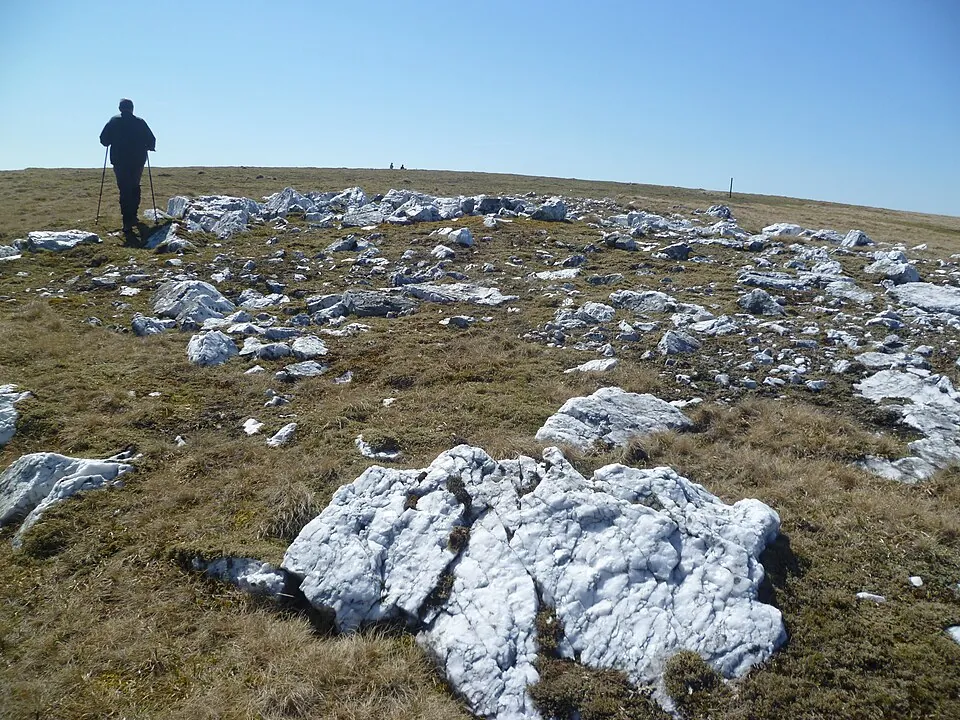
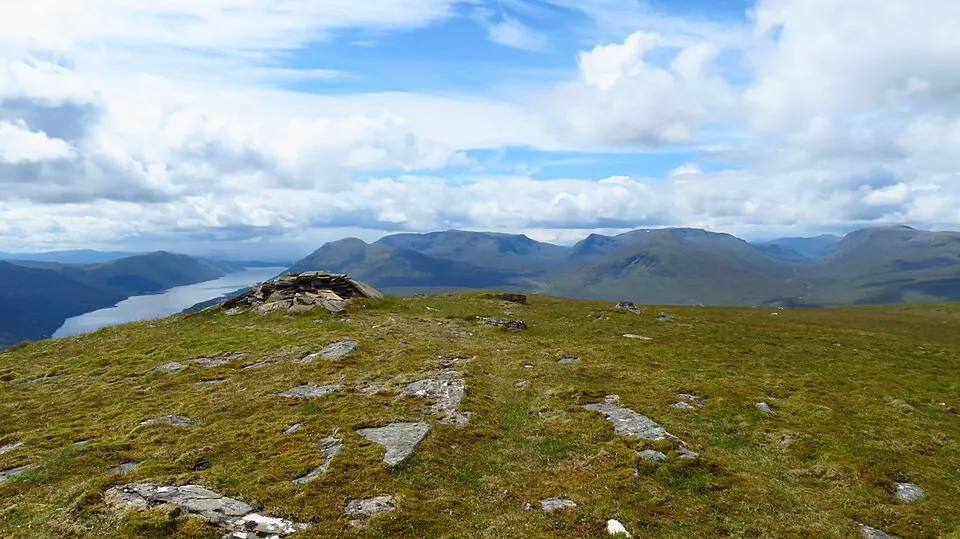
At 1245 metres, the summit of Càrn Gorm is one of Scotland's highest points, sitting on the arctic plateau that makes the Cairngorms unique in the British Isles. The top is marked by a large cairn and trig point on a broad, gently domed summit, with the ground falling away more steeply to the north into the dramatic Northern Corries. The meaning 'Blue Cairn' may reference the blue-grey quartzite rocks or the blue haze that can veil distant views.
On clear days, the panorama from Càrn Gorm is extraordinary, extending across the entire Cairngorm plateau, west to Ben Nevis and the western mountains, north to the Moray Firth and beyond, and south across the Central Highlands. The summit of Càrn Gorm offers virtually no shelter, sitting fully exposed on the plateau where winds can be ferocious from any direction.
The terrain is predominantly stony with exposed granite gravel and boulders, supporting sparse arctic-alpine vegetation. The proximity to the funicular railway and ski area infrastructure is visible but doesn't diminish the genuine wilderness character of the high plateau.
The ecology of Càrn Gorm represents some of Britain's most significant arctic-alpine habitat. The approach through the…
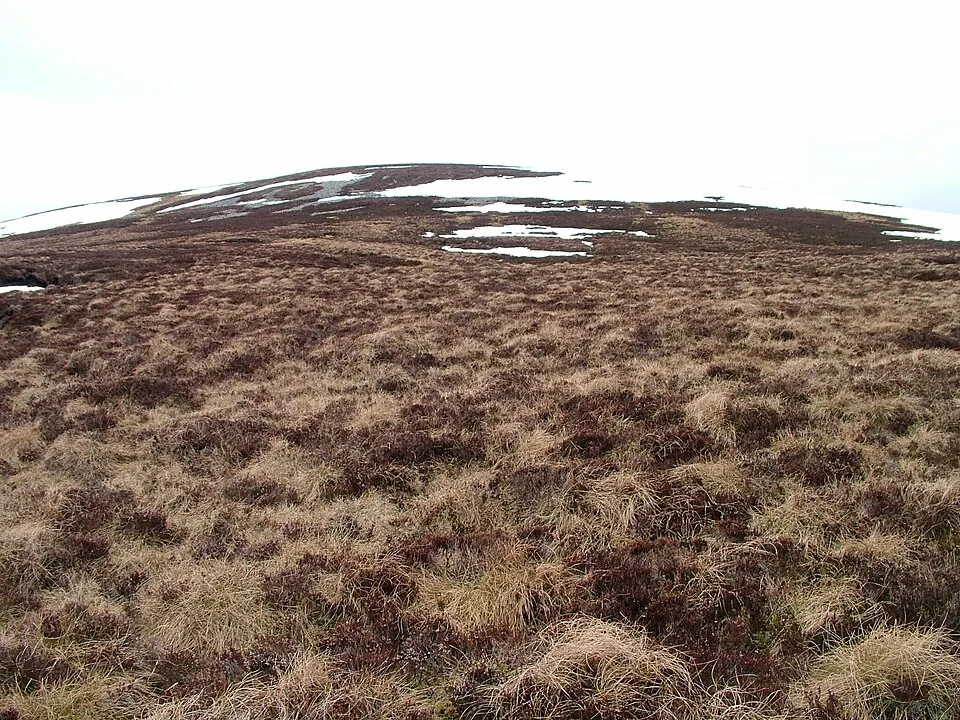
The ecology of Càrn Gorm represents some of Britain's most significant arctic-alpine habitat. The approach through the ski area passes heather moorland and remnant Caledonian pine forest in Glenmore, with Scots pine, juniper, and an understory of blaeberry and heather. Higher up, Càrn Gorm's slopes support montane heath communities dominated by dwarf shrubs including blaeberry, crowberry, bearberry, and dwarf willow.
Above 900 metres, you enter true arctic-alpine vegetation with moss campion, three-pointed rush, woolly fringe-moss, and rare alpine specialists including dwarf cudweed and alpine mouse-ear. This is some of Britain's rarest and most fragile habitat. Ptarmigan are the characteristic bird of Càrn Gorm's summit plateau, present year-round with their cryptic seasonal plumage changes. Mountain hares are common, sharing the ptarmigan's white winter coat.
Red deer range up to the lower slopes. Dotterel, a rare breeding wader, nests on the plateau, arriving in May from Africa. Snow buntings winter here, and occasionally breed. Golden eagles hunt across the range. The Cairngorms support Britain's only breeding population of snow buntings and one of the few ptarmigan populations, making Càrn Gorm ecologically precious.
Despite its 1/5 difficulty rating and good access, Càrn Gorm demands full mountain preparation and serious respect. At…
Despite its 1/5 difficulty rating and good access, Càrn Gorm demands full mountain preparation and serious respect. At 1245 metres, this is an arctic environment where conditions can deteriorate with frightening speed. Carry complete hill-walking kit including waterproofs, warm layers including spare insulation, hat, gloves, map, compass, GPS if available, first aid supplies, emergency shelter, and head torch.
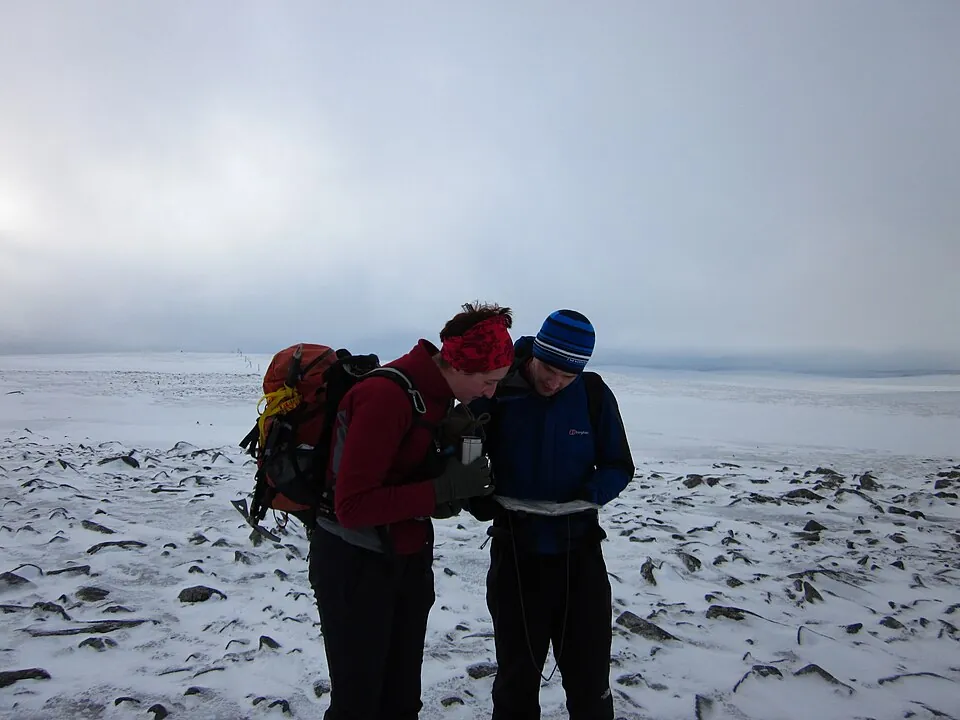
Take more food and water than you think you'll need; the altitude and potential for cold winds increase energy consumption. Weather on Càrn Gorm can change in minutes, with clear skies giving way to white-out conditions. Wind speeds can be extreme, making wind chill life-threatening even in summer. Navigation on the featureless plateau requires good skills, especially in mist.
The proximity to ski infrastructure can create a false sense of security; in poor weather or winter, you're in genuine wilderness. Mobile signal is unreliable. In winter, Càrn Gorm requires full mountaineering equipment including ice axe, crampons, and the skills to use them. Avalanche awareness is essential in the Northern Corries. Always check mountain weather forecasts before ascending. Leave route plans with someone responsible.
If conditions deteriorate, don't hesitate to descend; Càrn Gorm's accessibility means you can return easily another day. Respect the fragile arctic-alpine vegetation by staying on paths where they exist.
Explore more peaks near Cairngorms.
Common questions about climbing Càrn Gorm.
Càrn Gorm stands at 1,245 metres (4,085 feet), making it the 7th tallest of all 282 Munros in Scotland.
The name Càrn Gorm translates from Scottish Gaelic as “Blue Cairn”.
Climbing Càrn Gorm typically takes between 4.7 and 6.1 hours round trip. This varies with fitness, weather, and the route chosen.
There is dedicated parking at the standard starting point for the main route up Càrn Gorm, in the Cairngorms area. The exact car park location, map pin and arrival guidance are in the free Munros app.
Càrn Gorm is rated Easy (difficulty 1/5).
The most popular route up Càrn Gorm covers 17.4km, 4.7–6.1 hours round trip.
Càrn Gorm is an excellent choice for beginners in the Cairngorms area. Rated difficulty 1/5 at 1,245m, it has well-marked paths and straightforward terrain — a great first Munro.
Càrn Gorm is in the Cairngorms region of Scotland. Nearby Munros include A' Bhuidheanach Bheag, A' Chailleach (Monadhliath), A' Mharconaich.
Step-by-step directions, GPS navigation, exact parking and offline maps for Càrn Gorm — free in the Munros app.
Free — Download on theApp StoreTrack all 282 Munros, plan routes, and log every summit. Join 2,400+ hillwalkers already using Munros.app.