Càrn Liath (Beinn a' Ghlò)
975m
Perthshire
“Grey Cairn”
975mHeight
32.1kmRound trip
9.3–12.1hWalk time
HardDifficulty 4/5
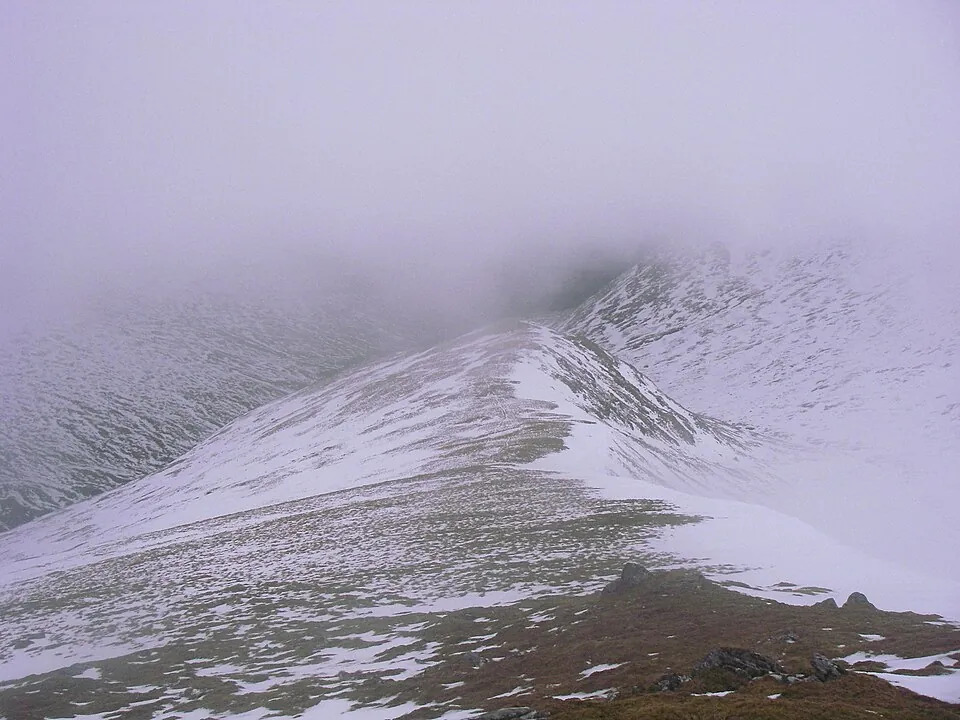
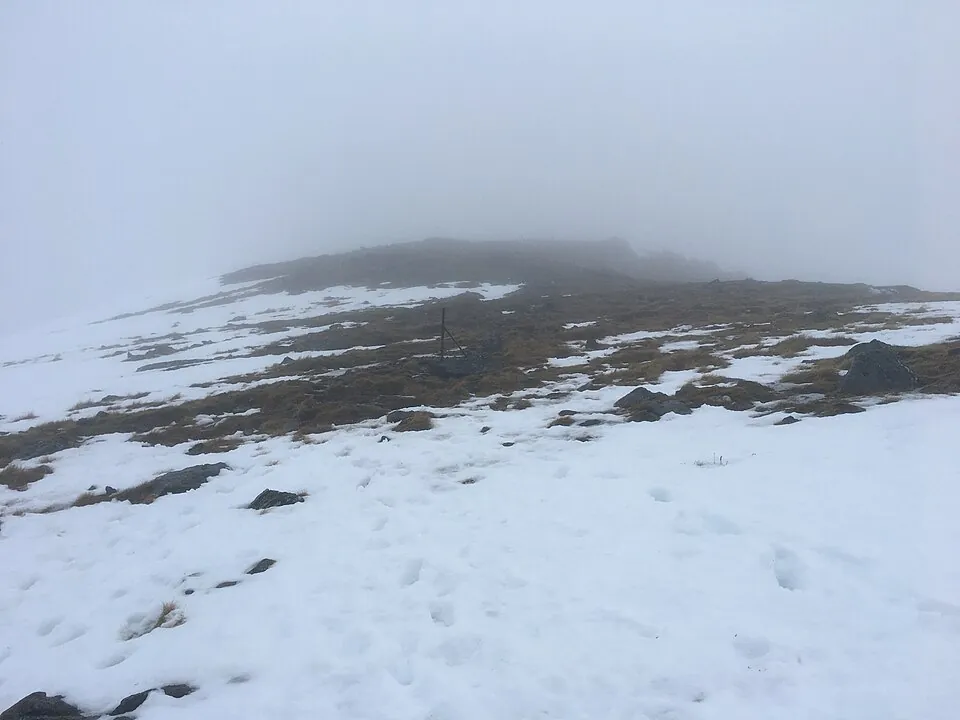
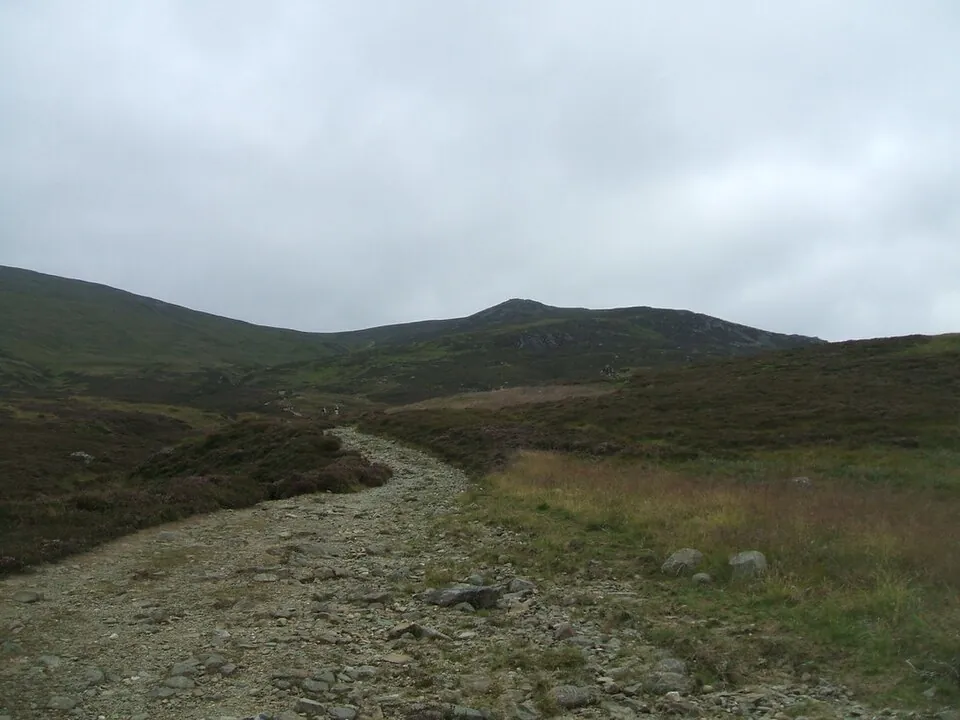
Photo: GeographBot · CC BY-SA 2.0
“Grey Cairn”
Càrn Liath (Beinn a' Ghlò) is a 975m Munro in the Perthshire region, its Gaelic name meaning “grey cairn”. It stands 184th of the 282 Munros by height. The usual ascent — Beinn a' Ghlò from Glen Tilt — is a 32.1km round trip taking 9.3–12.1 hours, rated hard (4/5).
There is 1 route to the summit of Càrn Liath (Beinn a' Ghlò), covering 32.1km.
Càrn Liath is the first summit encountered on the magnificent but demanding Beinn a' Ghlò ridge from Glen Tilt, part of…
Càrn Liath is the first summit encountered on the magnificent but demanding Beinn a' Ghlò ridge from Glen Tilt, part of a massive 32.1-kilometre circuit that takes between 9.3 and 12.1 hours to complete. This is one of Scotland's great mountain days, and Càrn Liath marks your entry onto the high ridge that links three Munros in a superb horseshoe.
The approach from the Old Bridge of Tilt follows estate tracks along the dramatic glen before climbing onto the open hillside toward Càrn Liath itself. With a difficulty rating of 4/5 and bog level of 3/5, this is a serious undertaking requiring excellent fitness and strong mountain skills. The terrain on Càrn Liath varies from good paths to rougher mountain slopes and ridge walking, with gradients that are sustained without being technically difficult.
At 975 metres, Càrn Liath offers substantial altitude, and the length of the full circuit means you'll be committed to a very long day in remote country far from easy escape routes.
The extreme length of the Beinn a' Ghlò circuit makes Càrn Liath essentially a long summer day mountain, when maximum…
The extreme length of the Beinn a' Ghlò circuit makes Càrn Liath essentially a long summer day mountain, when maximum daylight provides the 12-plus hours needed for safe completion. Late May through July offers the longest days, with usable light from before 5am to after 10pm, essential for a route that can take up to 12.1 hours. Early autumn works for very fit parties, but days shorten quickly after September.
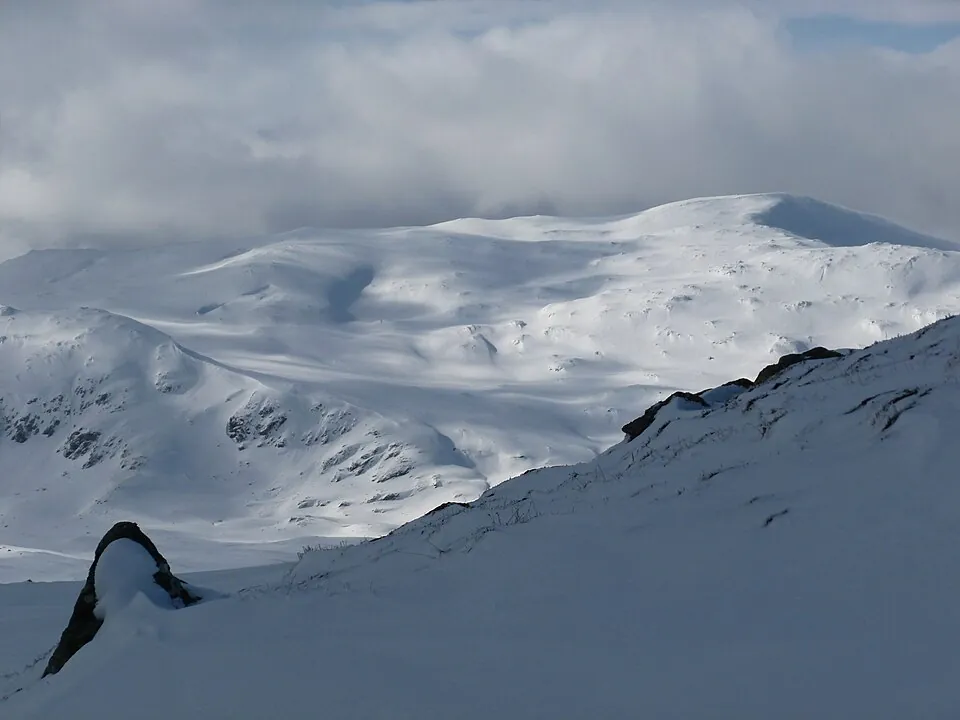
Winter ascents of Càrn Liath and the Beinn a' Ghlò ridge are serious mountaineering expeditions requiring elite winter skills, as short daylight hours make the 32-kilometre distance exceptionally challenging, and snow cover adds difficulty and time. The mountain's 975-metre height means winter conditions can be severe. The Perthshire location gives slightly drier weather than the west coast but still sees plenty of rain and rapid changes.
The deer stalking season runs from mid-August through October, so check with the estate regarding access during this period. Spring can be beautiful on Càrn Liath, with lengthening days and fresh vegetation, though lingering snow is possible. Always check forecasts carefully before attempting this committing circuit.
Access to Càrn Liath for the Beinn a' Ghlò circuit begins at the Old Bridge of Tilt, located just north of Blair Atholl…
Access to Càrn Liath for the Beinn a' Ghlò circuit begins at the Old Bridge of Tilt, located just north of Blair Atholl in Perthshire. Blair Atholl is easily reached via the A9 Perth to Inverness road, and the Old Bridge of Tilt is signposted from the village. Parking is available at the Old Bridge of Tilt car park, though space can be limited during busy periods as this is a popular access point for various routes.
Blair Atholl offers good services including shops, accommodation, a railway station on the Highland Main Line, and the imposing Blair Castle with its visitor facilities. From Perth, the journey is approximately 35 miles north via the A9; from Inverness, about 85 miles south. The A9 is a major trunk road maintained year-round, though the section through the Drumochter Pass can be affected by snow in winter.
The approach to Càrn Liath follows estate tracks through Glen Tilt, a magnificent glacial valley with considerable historical and geological interest. There are basic facilities at the car park but nothing beyond, so arrive fully equipped for a very long mountain day. Respect estate access arrangements, particularly during the deer stalking season.
The summit of Càrn Liath stands at 975 metres, the first of three Munro tops along the magnificent Beinn a' Ghlò ridge.…
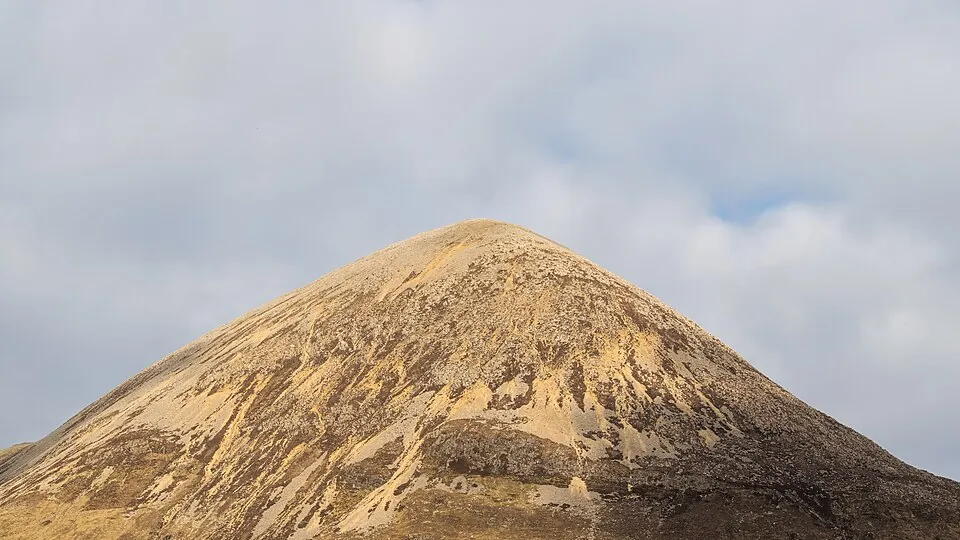
The summit of Càrn Liath stands at 975 metres, the first of three Munro tops along the magnificent Beinn a' Ghlò ridge. The top is marked by a cairn on a broad summit dome, with the ridge continuing northeast toward the higher peaks of Braigh Coire Chruinn-bhalgain and Càrn nan Gabhar. The meaning 'Grey Cairn' likely refers to the pale quartzite and granite rocks that characterise the mountain.
Views from Càrn Liath extend across Perthshire and the Central Highlands, with the Cairngorms visible to the northeast and the peaks around Glen Shee to the east. The summit offers limited shelter, sitting exposed on the broad ridge where winds can be strong. The terrain is predominantly stony and well-drained, supporting sparse montane vegetation.
Reaching the summit of Càrn Liath marks significant progress on the Beinn a' Ghlò circuit, but you're only one-third of the way through the route with substantial distance and two more Munros ahead. The sense of commitment is palpable, you're now deep in the hills with the long return journey ahead. The quality of the ridge walking from Càrn Liath onward is superb.
The ecology of Càrn Liath reflects its Perthshire location at moderate to high altitude. The approach through Glen Tilt…
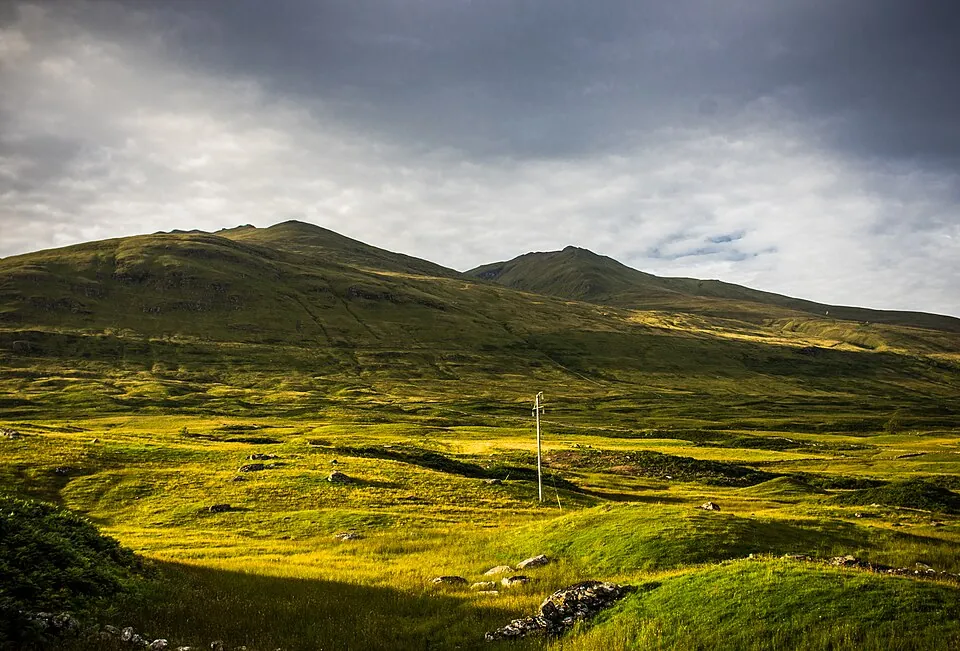
The ecology of Càrn Liath reflects its Perthshire location at moderate to high altitude. The approach through Glen Tilt passes through mixed woodland and then onto heather moorland, with ling, bell heather, and cross-leaved heath dominating the lower slopes. This is classic Highland deer forest, managed for red deer stalking, and you'll likely see large herds grazing the hillsides, particularly in the mornings and evenings.
As you climb toward Càrn Liath, vegetation transitions to montane heath with blaeberry, crowberry, and dwarf willow creating a low carpet. Higher up, the mountain supports arctic-alpine communities with moss campion, three-pointed rush, and woolly fringe-moss clinging to the exposed summit areas. Mountain hares inhabit the higher slopes, their pelage changing from brown to white with the seasons.
Ptarmigan breed on the summit plateau of Càrn Liath and the higher peaks of the ridge. Golden eagles hunt across this range, and you may spot them soaring on thermals above the corries. Red grouse are common in the heather of the lower slopes. Ring ouzels nest among rocky outcrops, and ravens are frequently seen and heard. The length of the approach means you'll pass through multiple vegetation zones, offering a cross-section of Highland ecology.
The Beinn a' Ghlò circuit including Càrn Liath is one of Scotland's longest and most demanding Munro routes, requiring…
The Beinn a' Ghlò circuit including Càrn Liath is one of Scotland's longest and most demanding Munro routes, requiring exceptional fitness, extensive experience, and meticulous preparation. The 32.1-kilometre distance and potential 12.1-hour duration demand elite fitness levels and the mental toughness for a very long mountain day.
Navigation skills must be excellent, as the complex terrain and high ridges require confident map and compass work, especially if visibility deteriorates. Carry comprehensive equipment including waterproofs, warm layers, abundant food, plenty of water or means to purify stream water, first aid kit, emergency shelter, head torch with spare batteries, and survival bag.
You'll need far more provisions than for shorter routes; energy depletion is a serious risk on such a long day. Mobile phone signal is unreliable across much of the route. Weather at 975 metres and above can be severe, with rapid changes common. Once you're onto the ridge beyond Càrn Liath, you're committed with limited escape options. Always leave detailed route plans with someone responsible, including realistic turnaround times. Start at first light to maximise daylight.
If you're not making good progress by the time you reach Càrn Liath, seriously consider whether to continue or turn back. In winter, this is an extreme mountaineering challenge requiring full winter equipment and expert skills. During deer stalking season, check access arrangements with the estate. If in any doubt, choose a shorter route; this is not a mountain day for building experience.
Explore more peaks near Perthshire.
Common questions about climbing Càrn Liath (Beinn a' Ghlò).
Càrn Liath (Beinn a' Ghlò) stands at 975 metres (3,199 feet), making it the 184th tallest of all 282 Munros in Scotland.
The name Càrn Liath (Beinn a' Ghlò) translates from Scottish Gaelic as “Grey Cairn”.
Climbing Càrn Liath (Beinn a' Ghlò) typically takes between 9.3 and 12.1 hours round trip. This varies with fitness, weather, and the route chosen.
There is dedicated parking at the standard starting point for the main route up Càrn Liath (Beinn a' Ghlò), in the Perthshire area. The exact car park location, map pin and arrival guidance are in the free Munros app.
Càrn Liath (Beinn a' Ghlò) is rated Hard (difficulty 4/5).
The most popular route up Càrn Liath (Beinn a' Ghlò) covers 32.1km, 9.3–12.1 hours round trip.
Càrn Liath (Beinn a' Ghlò) (difficulty 4/5 at 975m) is best suited to experienced hillwalkers in the Perthshire area. Expect sustained steep terrain and the need for confident navigation in poor visibility.
Càrn Liath (Beinn a' Ghlò) is in the Perthshire region of Scotland. Nearby Munros include An Stùc, Beinn Dearg (Blair Atholl), Beinn Ghlas.
Step-by-step directions, GPS navigation, exact parking and offline maps for Càrn Liath (Beinn a' Ghlò) — free in the Munros app.
Free — Download on theApp StoreTrack all 282 Munros, plan routes, and log every summit. Join 2,400+ hillwalkers already using Munros.app.