Mount Keen
939m
Angus Glens
“Pleasant/Smooth Mountain”
939mHeight
17.5kmRound trip
7.6–9.9hWalk time
ChallengingDifficulty 3/5
Photo: GeographBot · CC BY-SA 2.0
“Pleasant/Smooth Mountain”
Mount Keen is a 939m Munro in the Angus Glens region, its Gaelic name meaning “pleasant/smooth mountain”. It stands 236th of the 282 Munros by height. The usual ascent — Mount Keen from Glen Esk — is a 17.5km round trip taking 7.6–9.9 hours, rated challenging (3/5).
There is 1 route to the summit of Mount Keen, covering 17.5km.
Your ascent of Mount Keen from Glen Mark Car Park follows one of the most historic routes in Scottish hillwalking, using…
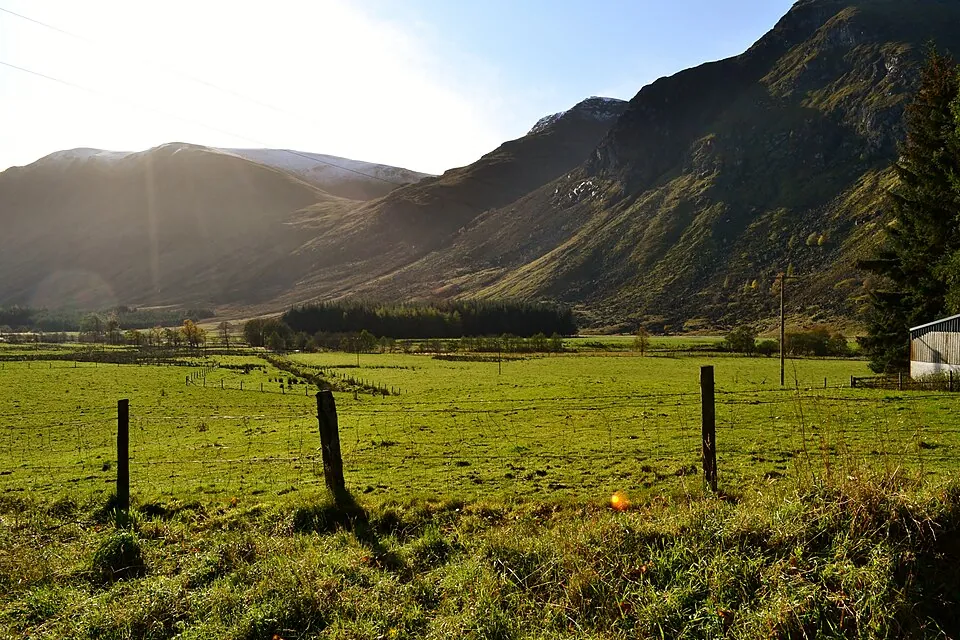
Your ascent of Mount Keen from Glen Mark Car Park follows one of the most historic routes in Scottish hillwalking, using the ancient Mounth Road that once linked Deeside with Glen Esk. The 17.5-kilometre route begins with gentle walking through the glen on a good track, making initial progress straightforward. As you approach Mount Keen, the path steepens and becomes rougher underfoot, though it remains clear throughout.
The bog level of 3 out of 5 means you'll encounter wet ground in sections, particularly in the upper glen, but it's manageable with proper footwear. At 939 metres, Mount Keen is the most easterly Munro, standing proud above the Angus Glens. The difficulty rating of 3 out of 5 reflects the length and sustained climbing rather than technical difficulty. Allow between 7.5 and 10 hours for the full expedition, making this a serious day out despite the straightforward terrain.
Mount Keen is accessible from April through October, with summer offering the most reliable conditions for this lengthy…
Mount Keen is accessible from April through October, with summer offering the most reliable conditions for this lengthy walk. The Angus Glens location on the eastern side of Scotland brings somewhat drier weather than western hills, though rain can still arrive at any time. At 939 metres, Mount Keen catches weather systems moving across the Cairngorms, with cloud and wind frequent visitors to the summit.
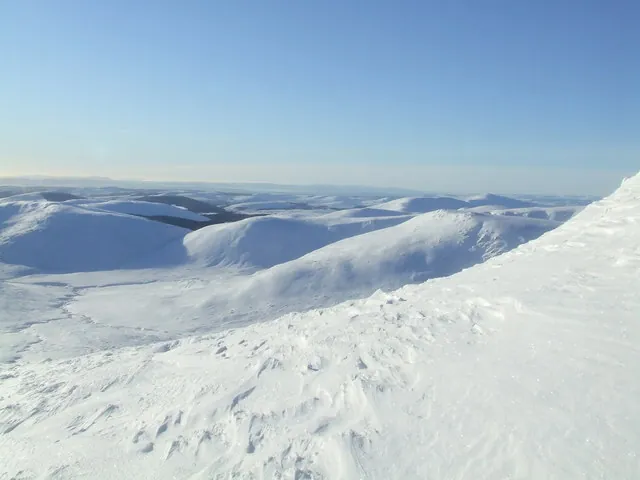
The length of the route means you need a full day, making long summer days ideal for tackling this isolated peak. Winter transforms Mount Keen into a more serious proposition, with snow and ice requiring winter skills and equipment. The historic Mounth Road can be treacherous in icy conditions. Spring brings fresh growth to the glens, while autumn paints the hillsides in beautiful colours.
The relatively straightforward navigation on Mount Keen makes it manageable even in less than perfect visibility, but always check the forecast before setting out from Glen Mark.
Access to Mount Keen begins at Glen Mark Car Park, reached via a minor road heading northwest from the village of…
Access to Mount Keen begins at Glen Mark Car Park, reached via a minor road heading northwest from the village of Tarfside in Glen Esk. The approach involves driving through scenic Angus countryside, with the road becoming narrower as you progress up the glen. From Brechin, the journey takes around 40 minutes, while from Aberdeen allow roughly an hour and a half. The car park at Glen Mark provides adequate space and marks the end of public road access.
Glen Esk itself is reached via Edzell, following single-track roads that require careful driving with use of passing places. There are no facilities at the car park, so ensure you're fully equipped before leaving home. The nearest shops and services are in Edzell village. The road is generally accessible year-round, though snow and ice can affect it in winter. This remote location means an early start is advisable to ensure completion of Mount Keen in daylight.
The summit of Mount Keen at 939 metres rewards you with panoramic views as the most easterly Munro in Scotland. The…
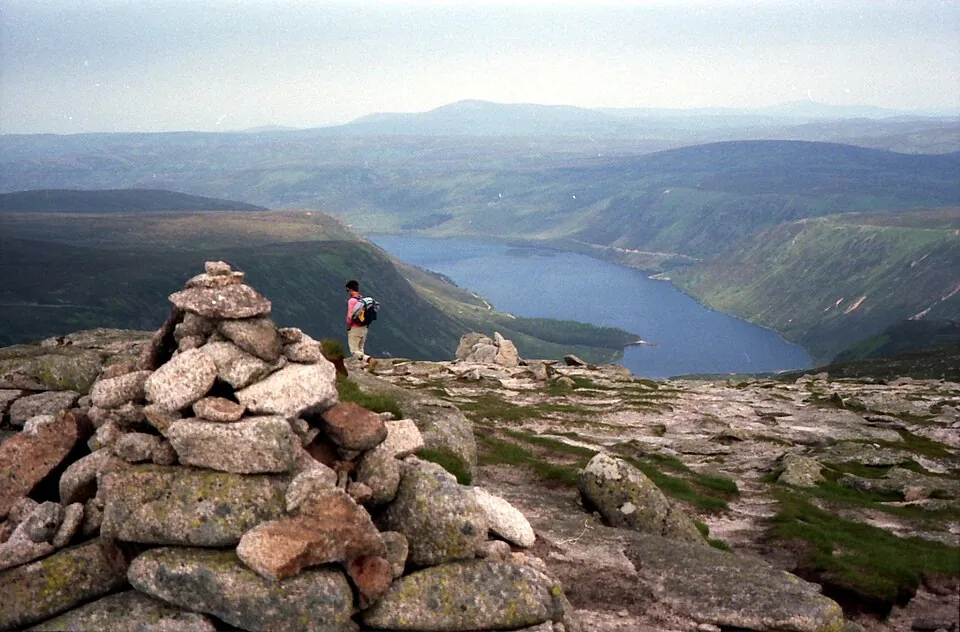
The summit of Mount Keen at 939 metres rewards you with panoramic views as the most easterly Munro in Scotland. The substantial cairn marks the highest point, providing a satisfying goal after the long approach. On clear days, your views extend east across Aberdeenshire towards the North Sea, while west you can pick out the main Cairngorm peaks. Mount Keen's isolated position means you command an exceptional viewpoint over a vast area of the eastern Highlands.
The summit plateau is relatively broad and grassy, offering some space to rest and enjoy the scenery. Wind is often strong at this exposed height, and there's little natural shelter from the elements. In mist, the summit area of Mount Keen requires careful navigation, though the well-trodden path helps guide you. The sense of achievement on reaching Mount Keen is enhanced by the distance you've travelled to get here.
The mountain's name means 'Pleasant' or 'Smooth Mountain', reflecting its rounded profile.
The journey to Mount Keen through Glen Esk reveals the wildlife and habitats of the eastern Highlands. Red deer are…
The journey to Mount Keen through Glen Esk reveals the wildlife and habitats of the eastern Highlands. Red deer are abundant throughout this area, with herds frequently spotted on the hillsides and glen floor. The lower heather moorland supports healthy populations of red grouse, their rapid flight and chattering calls a familiar sound. Mountain hares inhabit the higher slopes of Mount Keen, well-adapted to the harsh conditions above the tree line.
Golden eagles soar over these hills, taking advantage of the abundant prey. As you climb Mount Keen, the vegetation transitions from heather through rough grassland to montane heath communities of moss and hardy alpine plants. The eastern location brings slightly drier conditions than western mountains, favouring different plant species. Curlews call across the moorland in spring and summer, while skylarks rise from the lower slopes in song.
Ring ouzels, the mountain blackbird, nest among the crags. The sparse tree cover reflects centuries of grazing, though remnant native woodland survives in sheltered spots.
Mount Keen demands respect despite its straightforward nature, primarily due to the length of the route. Ensure you're…
Mount Keen demands respect despite its straightforward nature, primarily due to the length of the route. Ensure you're fit enough for up to 10 hours of walking before attempting this hill. Carry detailed maps and a compass, though navigation on Mount Keen is relatively simple in good visibility following the historic path. GPS provides useful backup in poor weather. Waterproof boots are essential to deal with the wet sections, and gaiters help keep you dry.
Pack full waterproofs and warm layers as conditions at 939 metres can be severe even in summer. Carry sufficient water and high-energy food for a full day, with extra supplies in case you're out longer than planned. Mobile signal is unreliable in the remote glen, so leave detailed plans with someone responsible. Start early to ensure completion in daylight, particularly in spring and autumn.
The return journey on Mount Keen covers the same ground, so pace yourself to save energy for the walk out.
Explore more peaks near Angus Glens.
Common questions about climbing Mount Keen.
Mount Keen stands at 939 metres (3,081 feet), making it the 236th tallest of all 282 Munros in Scotland.
The name Mount Keen translates from Scottish Gaelic as “Pleasant/Smooth Mountain”.
Climbing Mount Keen typically takes between 7.6 and 9.9 hours round trip. This varies with fitness, weather, and the route chosen.
There is dedicated parking at the standard starting point for the main route up Mount Keen, in the Angus Glens area. The exact car park location, map pin and arrival guidance are in the free Munros app.
Mount Keen is rated Challenging (difficulty 3/5).
The most popular route up Mount Keen covers 17.5km, 7.6–9.9 hours round trip.
Mount Keen (difficulty 3/5 at 939m in the Angus Glens area) suits walkers with solid hillwalking experience. Expect rough or boggy ground on sections but no technical scrambling.
Mount Keen is in the Angus Glens region of Scotland. Nearby Munros include Broad Cairn, Driesh, Mayar.
Step-by-step directions, GPS navigation, exact parking and offline maps for Mount Keen — free in the Munros app.
Free — Download on theApp StoreTrack all 282 Munros, plan routes, and log every summit. Join 2,400+ hillwalkers already using Munros.app.