Home Features Explore Munros Munro Map Reviews Get the App

Sàileag

956m Kintail

“Little Heel”

956mHeight
20kmRound trip
6–7.8hWalk time
HardDifficulty 4/5
Community
conditions
No reports yet — be the first to log this Munro
Log a climb
Track this summit
Photo: GeographBot · CC BY-SA 2.0
Overview

About this Munro

Sàileag is a 956m Munro in the Kintail region, its Gaelic name meaning “little heel”. It stands 207th of the 282 Munros by height. The usual ascent — South Cluanie ridge from Cluanie — is a 20km round trip taking 6–7.8 hours, rated hard (4/5).

Height rank207th of 282
RegionKintail
Coordinates57.1815°N 5.2801°W
OS Grid RefNH 018 148
GPS routes in the appSummit location — full route lines, parking pins & offline maps in the free app.
Plan your day

Routes & Navigation

There is 1 route to the summit of Sàileag, covering 20km.

Route preview

South Cluanie ridge from Cluanie

Hard
6–7.8h round trip20km distance↑765m ascent
Bog ratingSlight
ParkingCluanie Inn
Step-by-step guideIn the app

Climbing Sàileag

Your journey to Sàileag takes you along the spectacular South Cluanie Ridge, one of Scotland's finest high-level…

Your journey to Sàileag takes you along the spectacular South Cluanie Ridge, one of Scotland's finest high-level traverses. The route from Cluanie Inn covers 20 kilometres through magnificent terrain, rated at difficulty 4 out of 5 for its length and sustained nature. Sàileag sits at 956 metres along this magnificent ridge, typically climbed as part of a multi-Munro expedition that showcases the best of Kintail's mountain architecture.

The ascent begins steeply from the roadside, gaining height rapidly up grassy slopes before you reach the main ridge crest. Once on the ridge approaching Sàileag, the terrain becomes more enjoyable, with well-defined paths following the undulating crest. Ground conditions are generally dry with a bog level of 2 out of 5, making this a pleasant walk underfoot compared to many Highland peaks.

The going is predominantly grassy with some rocky sections, and the ridge narrows in places to create an airy, exposed feel. Sàileag itself presents no technical difficulties, though the sustained nature of the full ridge demands good fitness. Allow 6 to 7.8 hours for the complete traverse, savouring the superb positions throughout.

Best Time to Climb Sàileag

The optimal season for tackling Sàileag runs from May through September, when long daylight hours and more settled…

The optimal season for tackling Sàileag runs from May through September, when long daylight hours and more settled weather make the extended ridge walk most enjoyable. Summer offers the best conditions for this route, with dry ground, clear visibility, and comfortable temperatures enhancing the experience of Sàileag and its neighbouring peaks. The length of the South Cluanie Ridge makes adequate daylight essential, particularly if you're completing the full traverse.

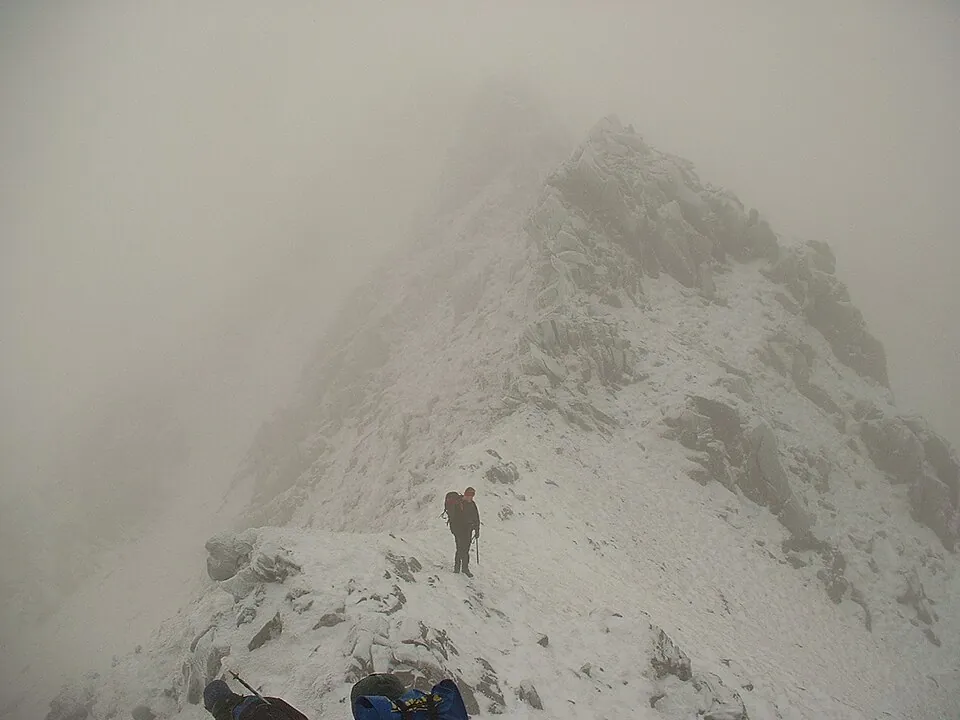
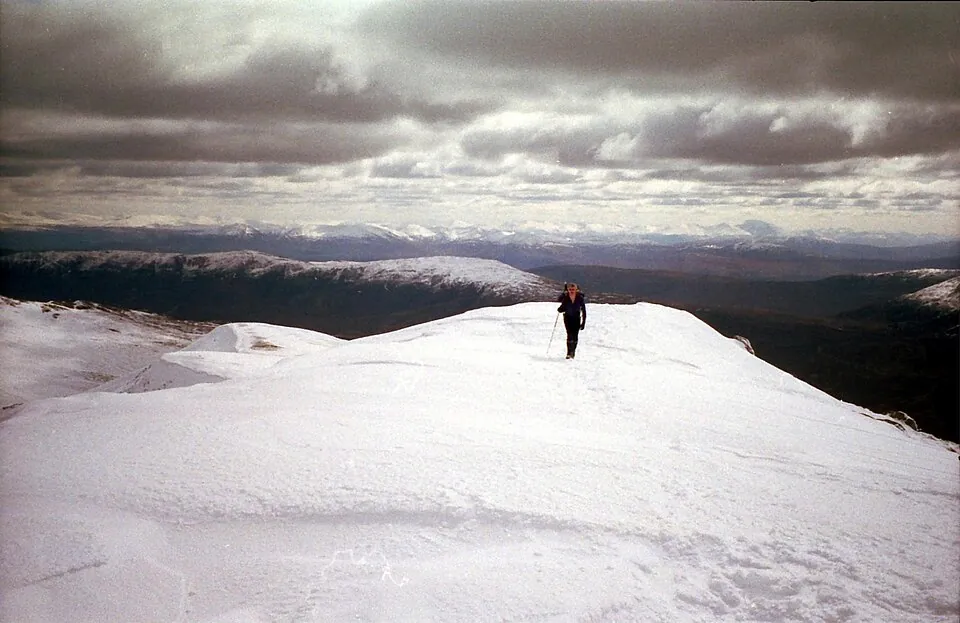
Winter transforms Sàileag into a serious mountaineering route, with snow and ice covering the ridge and creating potential cornices along the crest. Winter skills with ice axe and crampons become essential, and the exposed nature of the ridge magnifies the consequences of any slip.

Spring provides excellent opportunities for climbing Sàileag, with stable high pressure systems often settling over the Highlands and snow lingering on the highest peaks without creating technical difficulties. Autumn offers quieter hills and often spectacular light, though you'll need to accept shorter days and more variable weather. The Kintail region experiences high rainfall throughout the year, so prepare for wet conditions even when forecasts are optimistic.

Clear visibility greatly enhances Sàileag, as the views along the ridge are magnificent throughout this classic route.

Getting to Sàileag

Cluanie Inn provides the starting point for your ascent of Sàileag, positioned on the A87 trunk road between Inverness…

Cluanie Inn provides the starting point for your ascent of Sàileag, positioned on the A87 trunk road between Inverness and Kyle of Lochalsh. The car park at Cluanie Inn is well-known among hillwalkers and offers convenient parking, though spaces fill quickly on popular weekends so arrive early for Sàileag. The inn is easily reached via the A87, approximately 60 miles from Inverness and a similar distance from the west coast.

This main route to Skye is well-maintained throughout the year, making access straightforward in most conditions. Cluanie Inn itself offers accommodation and meals, serving as an excellent base for exploring the surrounding peaks including Sàileag. Public transport along the A87 is limited, with occasional bus services connecting Fort William and Skye, so most walkers arrive by car.

Mobile phone signal is reasonable at the inn but becomes unreliable once you head into the hills towards Sàileag. The location is remote but well-served by the main road, with the nearest towns being Fort Augustus to the east or Kyle of Lochalsh to the west. Ensure you have all necessary supplies before leaving these centres, as facilities at Cluanie itself are limited.

Sàileag Summit

The summit of Sàileag rises to 956 metres, its name meaning 'Little Heel' in reference to its position on the long ridge…

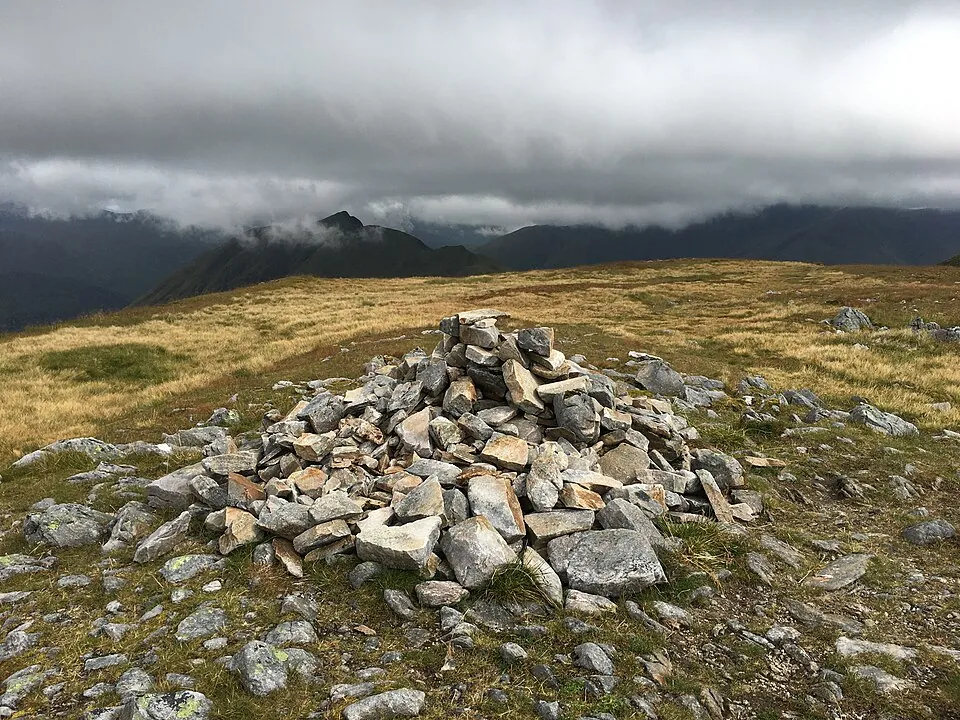
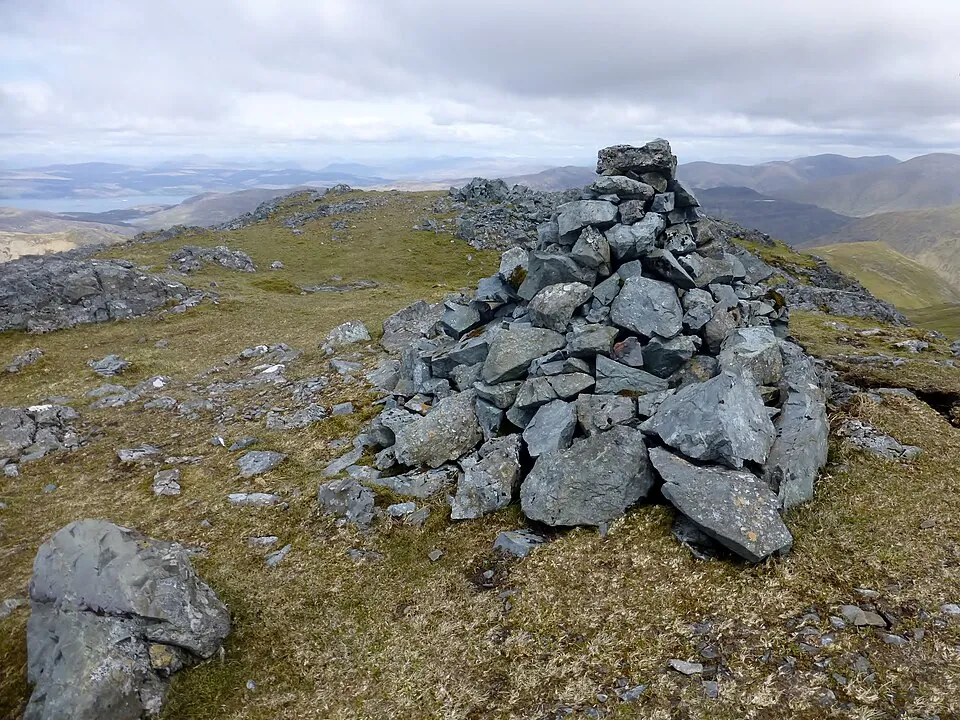
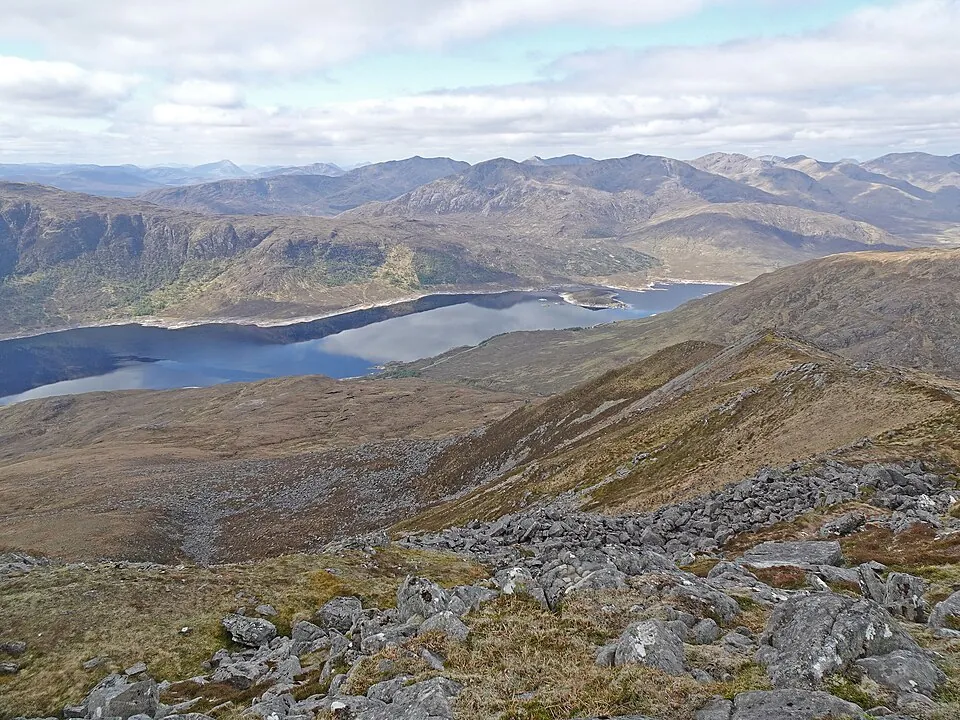
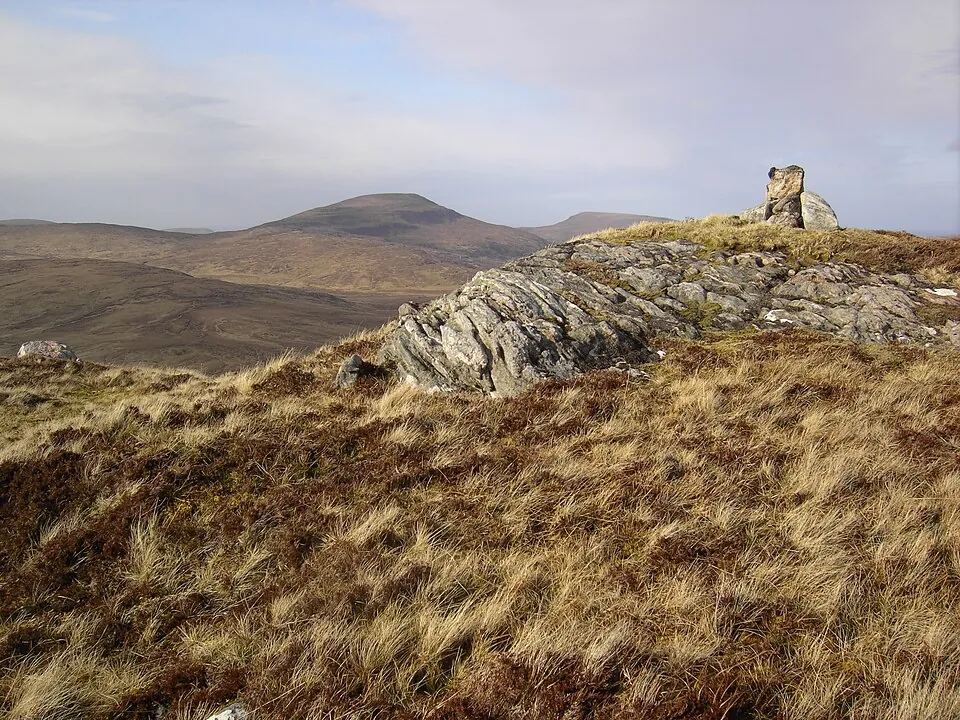
The summit of Sàileag rises to 956 metres, its name meaning 'Little Heel' in reference to its position on the long ridge system. From the cairn atop Sàileag, you'll enjoy exceptional views that exemplify why this ridge walk is considered one of Scotland's classics. The prospect north across Glen Shiel reveals the famous Five Sisters ridge in all its glory, one of the Highlands' most photographed mountain scenes.

To the south, wilder and more remote terrain stretches away towards the interior peaks, while east and west the ridge continues, inviting onwards exploration. The summit area of Sàileag is relatively comfortable, with grassy terrain providing good spots for a break and the ridge broad enough to offer some shelter from crosswinds. On clear days, distant peaks are visible in every direction, the intricate topography of the Western Highlands laid out beneath you.

The position on Sàileag feels wonderfully exposed yet secure, with the ridge providing an elevated platform high above the glens. Wind can be significant at this altitude, particularly when weather systems sweep in from the west, so be prepared to keep moving if conditions deteriorate on Sàileag.

Wildlife on Sàileag

The South Cluanie Ridge, which includes Sàileag, takes you through varied Highland habitats that support diverse…

The South Cluanie Ridge, which includes Sàileag, takes you through varied Highland habitats that support diverse wildlife and plant communities. Your ascent from Cluanie begins through heather and grass moorland where red deer are frequently encountered, particularly during early morning or evening hours. Red grouse nest among the heather, their explosive take-off and distinctive calls often startling walkers approaching Sàileag.

As you gain height, the vegetation transitions to montane grassland communities, with mat-grass, fescues, and mosses dominating the ridge. The Kintail region's high rainfall creates lush moss growth on rocks and supports diverse bryophyte communities throughout the route. Above 800 metres on Sàileag, alpine plant communities appear, with crowberry, bilberry, and cushion plants adapted to exposed conditions and thin soils.

Ptarmigan inhabit these higher elevations, their camouflage making them difficult to spot until they move. Golden eagles hunt across this territory, and the elevated position of Sàileag provides excellent opportunities for spotting these magnificent birds riding thermals. Ravens are constant companions on the ridge, their acrobatic displays and croaking calls adding atmosphere to your walk.

The dry conditions relative to many Highland peaks support diverse plant life in rocky crevices and on ledges throughout Sàileag.
Sàileag Tips

Success on Sàileag requires good preparation and solid mountain skills, despite the route's relative accessibility.…

Success on Sàileag requires good preparation and solid mountain skills, despite the route's relative accessibility. Navigation skills are essential, as the ridge can become confusing in poor visibility when mist obscures landmarks and the path becomes less distinct. Carry map and compass and practise using them before attempting Sàileag, even though the route is generally straightforward in clear conditions.

A GPS device provides useful backup for confirming your position on the ridge. The 20-kilometre distance with substantial ascent demands good fitness, so ensure you're adequately prepared for 6-8 hours of continuous walking. Pack sufficient food and water, as there are few reliable water sources once you're on the ridge approaching Sàileag. Weather can deteriorate rapidly in this exposed environment, so full waterproofs are essential regardless of optimistic forecasts.

In winter, Sàileag becomes a serious winter mountaineering route requiring ice axe, crampons, and confident winter skills. The ridge's exposed nature means consequences of slips increase significantly under snow and ice. Mobile phone signal is unreliable once you leave Cluanie, so ensure someone knows your planned route and expected return time. Start early to make the most of daylight and to experience Sàileag in optimal light conditions.

The ridge rewards those who respect its serious nature with one of Scotland's finest mountain days.

Frequently Asked Questions

Common questions about climbing Sàileag.

How tall is Sàileag?

Sàileag stands at 956 metres (3,136 feet), making it the 207th tallest of all 282 Munros in Scotland.

What does Sàileag mean in Gaelic?

The name Sàileag translates from Scottish Gaelic as “Little Heel”.

How long does it take to climb Sàileag?

Climbing Sàileag typically takes between 6 and 7.8 hours round trip. This varies with fitness, weather, and the route chosen.

Where do I park for Sàileag?

There is dedicated parking at the standard starting point for the main route up Sàileag, in the Kintail area. The exact car park location, map pin and arrival guidance are in the free Munros app.

How difficult is Sàileag to climb?

Sàileag is rated Hard (difficulty 4/5).

What is the best route up Sàileag?

The most popular route up Sàileag covers 20km, 6–7.8 hours round trip.

Is Sàileag good for beginners?

Sàileag (difficulty 4/5 at 956m) is best suited to experienced hillwalkers in the Kintail area. Expect sustained steep terrain and the need for confident navigation in poor visibility.

What region is Sàileag in?

Sàileag is in the Kintail region of Scotland. Nearby Munros include A' Chralaig, A' Ghlas-bheinn, Aonach Air Chrith.

Start your journey

Ready to bag
them all?

Track all 282 Munros, plan routes, and log every summit. Join 2,400+ hillwalkers already using Munros.app.

Download for iPhone Free on the App Store