Home Features Explore Munros Munro Map Reviews Get the App

Sgùrr a' Mhàim

1,099m Fort William

“Peak of the Breast”

1,099mHeight
12.4kmRound trip
6.7–8.7hWalk time
Very HardDifficulty 5/5
Community
conditions
No reports yet — be the first to log this Munro
Log a climb
Track this summit
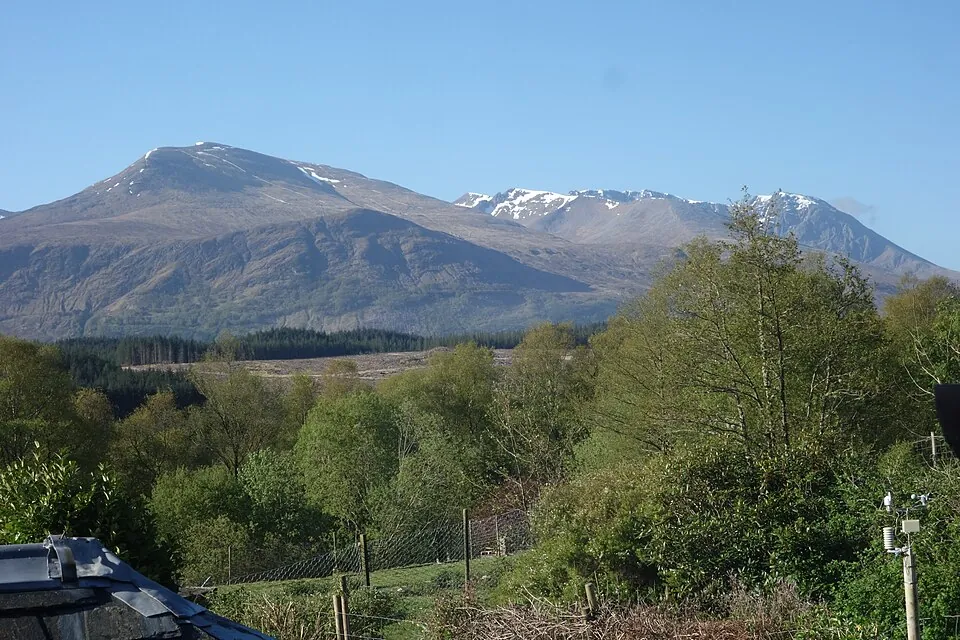
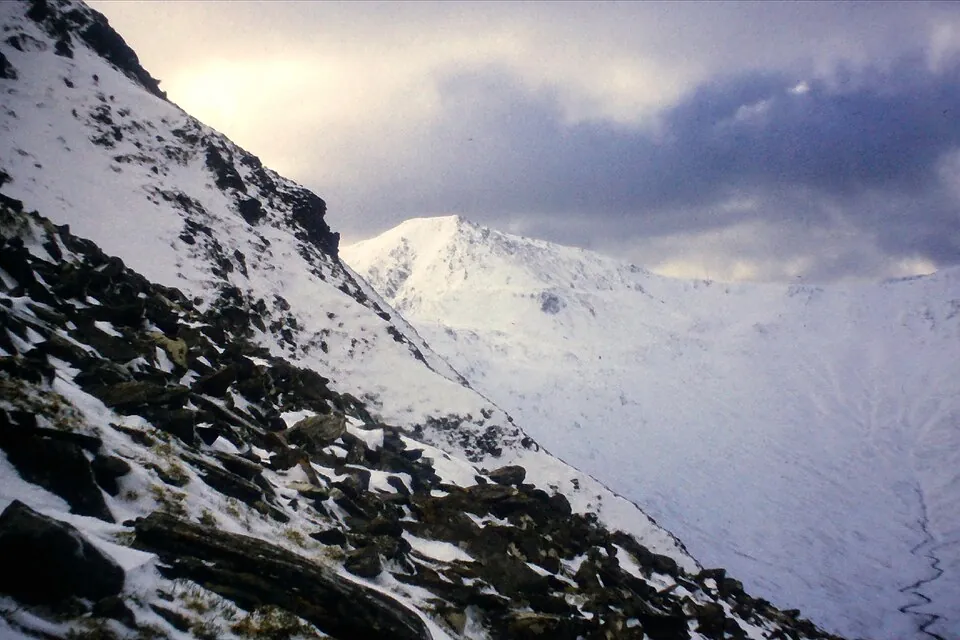
Photo: GeographBot · CC BY-SA 2.0
Overview

About this Munro

Sgùrr a' Mhàim is a 1,099m Munro in the Fort William region, its Gaelic name meaning “peak of the breast”. It stands 53rd of the 282 Munros by height. The usual ascent — Ring of Steall — is a 12.4km round trip taking 6.7–8.7 hours, rated very hard (5/5).

Height rank53rd of 282
Coordinates56.7561°N 5.0025°W
OS Grid RefNN 165 667
GPS routes in the appSummit location — full route lines, parking pins & offline maps in the free app.
Plan your day

Routes & Navigation

There is 1 route to the summit of Sgùrr a' Mhàim, covering 12.4km.

Route preview

Ring of Steall

Very Hard
6.7–8.7h round trip12.4km distance↑879m ascent
Bog ratingSlight
ParkingGlen Nevis Car Park
Step-by-step guideIn the app

Climbing Sgùrr a' Mhàim

Sgùrr a' Mhàim forms part of the legendary Ring of Steall, one of Scotland's classic mountain circuits. The…

Sgùrr a' Mhàim forms part of the legendary Ring of Steall, one of Scotland's classic mountain circuits. The 12.4-kilometre route from Glen Nevis is graded 5/5 for difficulty, reflecting the seriousness of the undertaking. Starting from the Glen Nevis Car Park, you'll cross the famous wire bridge over the River Nevis, immediately introducing an element of adventure and exposure.

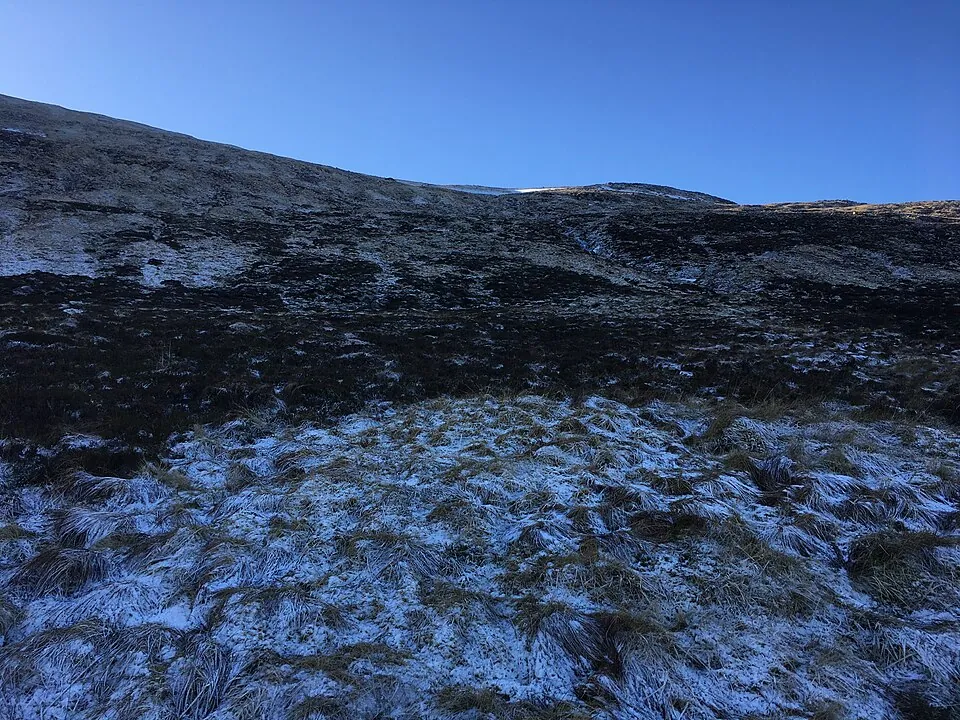
The initial approach leads through the spectacular Nevis Gorge into the hidden corrie of Steall, dominated by waterfalls and surrounded by towering peaks. From here, the ascent of Sgùrr a' Mhàim begins in earnest, climbing steeply on a mixture of paths and pathless terrain. The ground is generally dry underfoot, though some boggy sections exist on the approach. As you gain height towards the 1099-metre summit, the terrain becomes rockier and the gradient relentless.

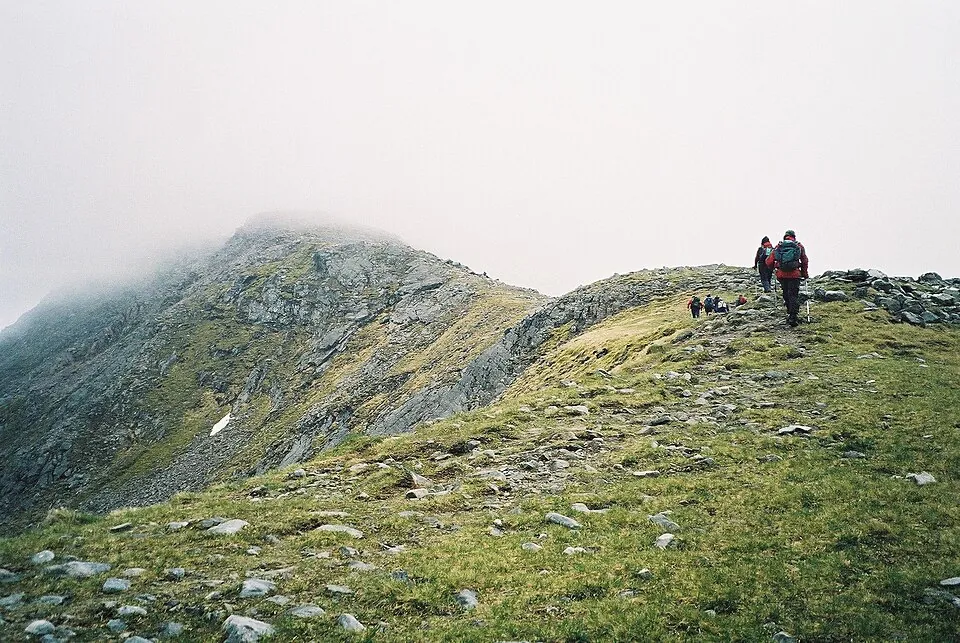
The Ring of Steall typically links multiple Munros, with Sgùrr a' Mhàim offering a high point both literally and figuratively. The ridge sections involve scrambling in places, with exposure requiring confidence and a head for heights. Navigation on the circuit demands skill, particularly in mist when the complex topography can be confusing. Allow 7-9 hours for the full circuit.

Best Time to Climb Sgùrr a' Mhàim

The Ring of Steall, including Sgùrr a' Mhàim, is best attempted between May and September when conditions are most…

The Ring of Steall, including Sgùrr a' Mhàim, is best attempted between May and September when conditions are most stable and daylight is generous. This serious mountain day requires good weather and clear visibility, as the technical sections and navigation challenges become significantly harder in poor conditions. The Fort William area receives substantial rainfall year-round, being in the shadow of Ben Nevis, so be prepared for wet weather even in summer.

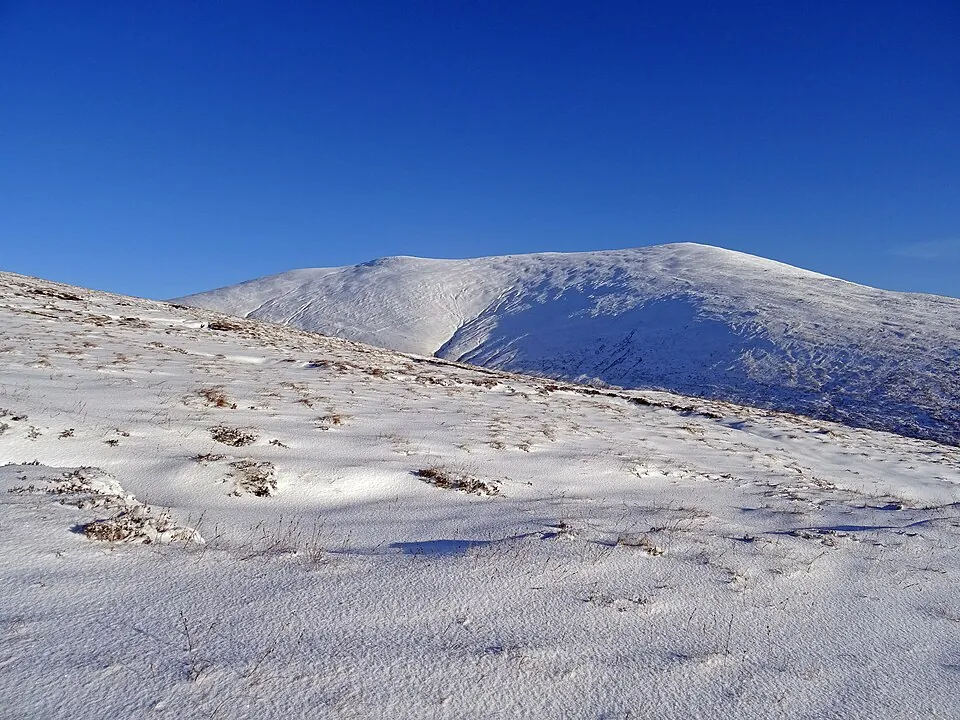
Winter ascents transform Sgùrr a' Mhàim into a major mountaineering expedition requiring winter skills, ice axes, crampons, and avalanche awareness. The corniced ridges and steep slopes hold serious avalanche potential after snowfall. Spring offers excellent conditions when snow is consolidated, creating Alpine-style mountaineering, but requires full winter equipment and experience.

Summer provides the most forgiving conditions, though afternoon thunderstorms are possible during hot spells. Autumn brings beautiful colours but increasingly unsettled weather and rapidly shortening days. At 1099 metres, Sgùrr a' Mhàim frequently sits in cloud even when the glen enjoys sunshine. Start early to maximise daylight, particularly outside midsummer. Midges in Glen Nevis can be ferocious from late May through August during calm, damp conditions.

Always check detailed mountain forecasts and be prepared to postpone if conditions are marginal.

Getting to Sgùrr a' Mhàim

Access to Sgùrr a' Mhàim begins at the Glen Nevis Car Park, one of Scotland's most popular mountain trailheads. The car…

Access to Sgùrr a' Mhàim begins at the Glen Nevis Car Park, one of Scotland's most popular mountain trailheads. The car park is reached from Fort William by following signs for Glen Nevis, then driving up the single-track road through the glen. The road is well-maintained but narrow, with passing places and spectacular scenery demanding careful attention.

The upper car park near the end of the public road serves the Steall circuit and has toilet facilities, but space is extremely limited. During summer, weekends, and any period of good weather, the car park fills very early, often by 7am. Arrive before dawn if possible, or be prepared to park further down the glen and walk an extra kilometre or two. The glen receives enormous visitor numbers due to its proximity to Ben Nevis and its stunning scenery.

Mobile phone signal is limited in the upper glen, so download maps and route information beforehand. Fort William offers full facilities including outdoor shops, accommodation, supermarkets, and fuel, making it an ideal base for mountain days. The town is easily accessible via the A82 from Glasgow or Inverness. Respect the car park capacity and consider using public transport or taxis during peak periods to reduce congestion in this beautiful but busy glen.

Sgùrr a' Mhàim Summit

The summit of Sgùrr a' Mhàim at 1099 metres is a magnificent mountain top with commanding views across the Mamores and…

The summit of Sgùrr a' Mhàim at 1099 metres is a magnificent mountain top with commanding views across the Mamores and beyond. The cairn sits on rocky terrain with steep drops to the north and west, creating an exposed, airy atmosphere. On clear days, the panorama is exceptional, with Ben Nevis dominating the northern horizon, the Grey Corries stretching east, and the jagged peaks of the remaining Ring of Steall defining the immediate surroundings.

The rock underfoot is typical Highland schist, broken and weathered, with patches of mountain gravel and sparse alpine vegetation. There's minimal shelter from the wind, which can be powerful and cold even on warm days in the glen below. The sense of achievement on reaching Sgùrr a' Mhàim is profound, knowing you've climbed one of the Fort William area's most serious peaks.

If you're completing the full Ring of Steall, the summit offers a chance to assess your progress and the remaining peaks on the circuit. In winter, cornices can form on the lee sides, particularly along the connecting ridges, requiring cautious navigation and approach. The descent from Sgùrr a' Mhàim demands concentration, with steep ground and complex topography requiring careful route selection, especially in poor visibility when the cairned routes can be hard to follow.

Wildlife on Sgùrr a' Mhàim

The slopes of Sgùrr a' Mhàim and the Steall area support typical Highland mountain ecology with some special features.…

The slopes of Sgùrr a' Mhàim and the Steall area support typical Highland mountain ecology with some special features. The lower approaches traverse heather moorland transitioning to rough grassland and boggy sections where sedges and cotton grass thrive. As you climb, the vegetation shifts to alpine heath dominated by bilberry, crowberry, and dwarf willow.

The spectacular Steall Waterfall, Britain's second-highest, creates a moist microclimate supporting lush mosses and ferns. Red deer are common throughout the area, particularly visible during early morning or evening on the lower slopes. Golden eagles patrol the skies above Sgùrr a' Mhàim, and you may witness their effortless soaring above the ridges.

Ptarmigan inhabit the higher reaches above 900 metres, their camouflage making them difficult to spot until they burst into flight. Ravens are constant companions, often performing acrobatic displays around the summit crags. Mountain hares, in brown summer pelage or white winter coats, frequent the higher slopes. The area's ecology reflects its eastern central Highland position, slightly drier than the west coast but still receiving substantial rainfall.

In spring and early summer, alpine flowers including starry saxifrage and moss campion add colour to rock ledges and stony ground. The combination of altitude, aspect, and geology creates diverse habitats supporting rich mountain wildlife around Sgùrr a' Mhàim.

Sgùrr a' Mhàim Tips

The Ring of Steall and Sgùrr a' Mhàim demand thorough preparation and mountain experience. This is a serious, committing…

The Ring of Steall and Sgùrr a' Mhàim demand thorough preparation and mountain experience. This is a serious, committing route graded 5/5 for difficulty, requiring scrambling ability, exposure tolerance, and excellent fitness. Navigation skills are essential, as the complex topography becomes confusing in mist or poor visibility. Carry map, compass, and GPS, and be confident in using them in zero visibility conditions.

The wire bridge at Steall can be intimidating, particularly when wet or in windy conditions, but is usually safer than fording the river. Wear boots with good ankle support and grip, as the terrain includes rocky scrambling sections as well as rough hillside. Pack generous food and water supplies for this 7-9 hour circuit, and include emergency rations.

Weather can deteriorate rapidly at altitude, so carry full waterproofs, warm layers, and emergency shelter even on promising days. Mobile signal is limited to non-existent on much of the route, so leave detailed plans with someone responsible. The popularity of the route means you're unlikely to be alone, but never rely on other parties for rescue.

Winter conditions transform Sgùrr a' Mhàim into a serious mountaineering objective requiring ice axes, crampons, and winter skills. The corniced ridges are particularly hazardous after snow. Be realistic about your abilities and prepared to turn back if conditions or progress are not as expected.
Frequently Asked Questions

Common questions about climbing Sgùrr a' Mhàim.

How tall is Sgùrr a' Mhàim?

Sgùrr a' Mhàim stands at 1,099 metres (3,606 feet), making it the 53rd tallest of all 282 Munros in Scotland.

What does Sgùrr a' Mhàim mean in Gaelic?

The name Sgùrr a' Mhàim translates from Scottish Gaelic as “Peak of the Breast”.

How long does it take to climb Sgùrr a' Mhàim?

Climbing Sgùrr a' Mhàim typically takes between 6.7 and 8.7 hours round trip. This varies with fitness, weather, and the route chosen.

Where do I park for Sgùrr a' Mhàim?

There is dedicated parking at the standard starting point for the main route up Sgùrr a' Mhàim, in the Fort William area. The exact car park location, map pin and arrival guidance are in the free Munros app.

How difficult is Sgùrr a' Mhàim to climb?

Sgùrr a' Mhàim is rated Very Hard (difficulty 5/5).

What is the best route up Sgùrr a' Mhàim?

The most popular route up Sgùrr a' Mhàim covers 12.4km, 6.7–8.7 hours round trip.

Is Sgùrr a' Mhàim good for beginners?

Sgùrr a' Mhàim (difficulty 5/5 at 1,099m in the Fort William area) is one of Scotland's most demanding Munros, requiring experience on exposed and technical mountain terrain.

What region is Sgùrr a' Mhàim in?

Sgùrr a' Mhàim is in the Fort William region of Scotland. Nearby Munros include Am Bodach, An Gearanach, Aonach Beag (Nevis Range).

Start your journey

Ready to bag
them all?

Track all 282 Munros, plan routes, and log every summit. Join 2,400+ hillwalkers already using Munros.app.

Download for iPhone Free on the App Store