Stob Bàn (Mamores)
“White Peak”
“White Peak”
Stob Bàn (Mamores) is a 999m Munro in the Fort William region, its Gaelic name meaning “white peak”. It stands 145th of the 282 Munros by height. The usual ascent — Mullach nan Coirean and Stob Ban from Kinlochleven — is a 18.1km round trip taking 6.3–8.2 hours, rated hard (4/5).
There is 1 route to the summit of Stob Bàn (Mamores), covering 18.1km.
The ascent of Stob Ban in the Mamores is a serious and committing mountain expedition rising to 999 meters. Starting…
The ascent of Stob Ban in the Mamores is a serious and committing mountain expedition rising to 999 meters. Starting from Kinlochleven, the route covers 18.1 kilometers and typically requires 6.3 to 8.2 hours of sustained effort to complete. The terrain on Stob Ban is demanding and requires mountain experience, with moderate bog levels on the lower approaches giving way to steeper, rockier ground at altitude.
This peak is commonly climbed alongside Mullach nan Coirean, creating a challenging circuit through the heart of the Mamores range. The 4 out of 5 difficulty rating combined with the serious and committing description means you need to be well-prepared for Stob Ban. Notably, this mountain benefits from generally dry underfoot conditions on the upper slopes, making for more pleasant progress than many Scottish peaks.
Path quality varies considerably, from reasonable tracks initially to much fainter traces requiring good navigation skills. The final approach to Stob Ban can involve some easy scrambling on the rocky quartzite slopes that give the peak its name.
Planning your ascent of Stob Ban in the Mamores requires attention to seasonal conditions and the serious nature of this…
Planning your ascent of Stob Ban in the Mamores requires attention to seasonal conditions and the serious nature of this 999 meter peak. Late spring through early autumn generally provides the most favorable weather windows, though the Fort William area experiences changeable conditions year-round. The route duration of 6.3 to 8.2 hours makes summer attractive when extended daylight provides more comfortable margins on Stob Ban.
Weather systems can arrive with little warning, and conditions at the summit of Stob Ban often bear no resemblance to those in Kinlochleven below. Winter transforms Stob Ban into an advanced mountaineering objective demanding technical skills, experience, and full winter equipment. The serious and committing nature of this peak means good visibility is highly desirable for safe navigation and route-finding.
September can deliver settled high pressure and excellent clarity on Stob Ban, though temperatures drop and daylight hours shorten. The 4 out of 5 difficulty rating means stable weather significantly improves both safety and enjoyment. Always obtain detailed mountain forecasts before committing to Stob Ban and be prepared to turn back if conditions deteriorate during your ascent.
Access to Stob Ban in the Mamores begins in Kinlochleven, a village at the head of Loch Leven with reasonable parking…
Access to Stob Ban in the Mamores begins in Kinlochleven, a village at the head of Loch Leven with reasonable parking facilities. Kinlochleven is reached via the B863 road from either Glencoe or by crossing Ballachulish Bridge from the Fort William direction. The village has a fascinating industrial heritage and now serves primarily as a base for outdoor activities in the surrounding mountains.
Parking in Kinlochleven is generally available, though spaces can be limited during peak periods when an early start for Stob Ban is advisable. Road access remains good throughout the year, though winter driving requires appropriate caution and vehicle preparation. The village provides the last opportunity for facilities before heading into the serious mountain terrain toward Stob Ban.
Mobile phone signal is reasonable in Kinlochleven itself but will be lost as you gain altitude into the Mamores. Given the serious and committing nature of Stob Ban, ensure someone knows your detailed plans and expected return time before departing.
Reaching the summit of Stob Ban at 999 meters is a significant achievement after the demanding approach from…
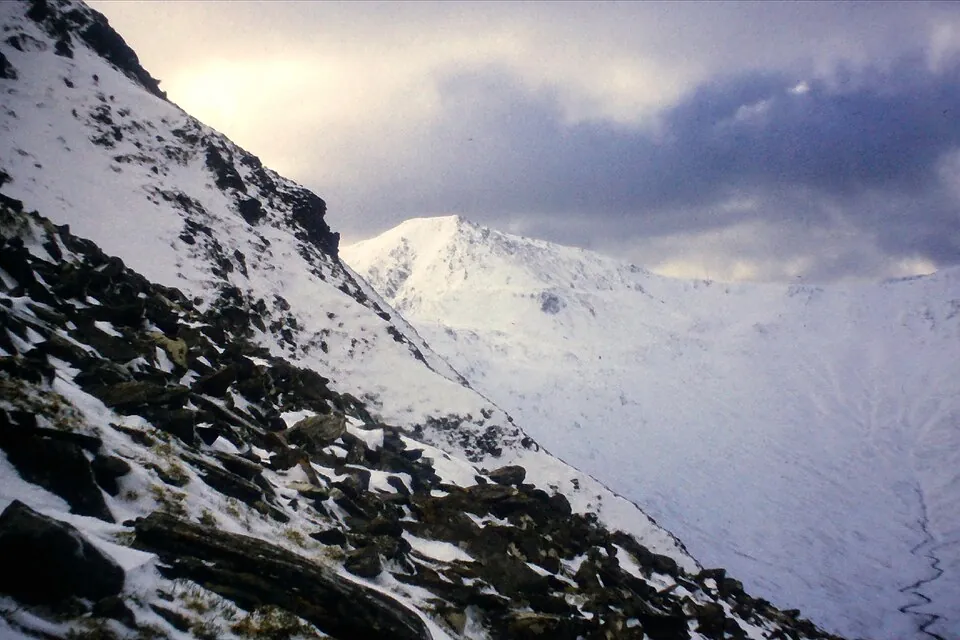
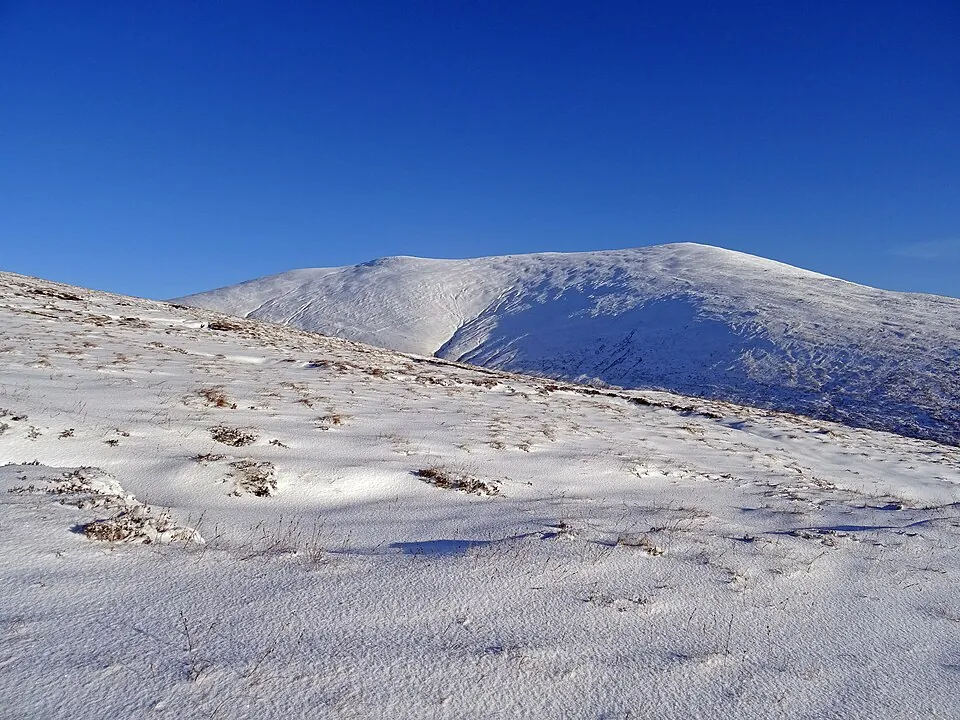
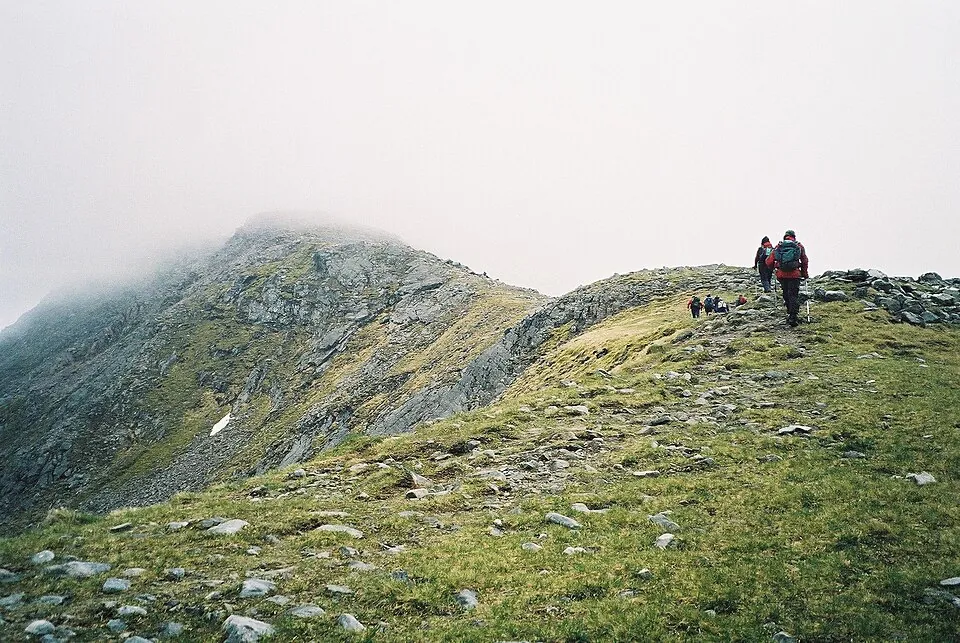
Reaching the summit of Stob Ban at 999 meters is a significant achievement after the demanding approach from Kinlochleven. The summit area is characterized by pale quartzite rocks and scree that give this peak its name meaning White Peak. The summit of Stob Ban is exposed to the prevailing weather, offering little natural shelter from wind or precipitation.
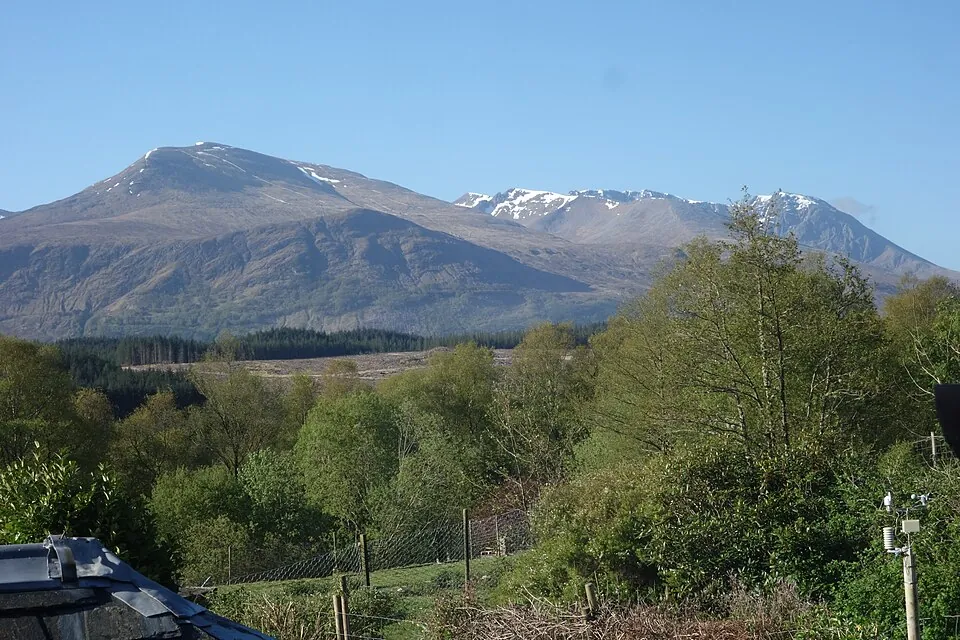
The views from this magnificent vantage point encompass the Mamores ridge and extend to Ben Nevis and the Grey Corries beyond. On clear days, the panorama from Stob Ban extends across a vast sweep of Highland peaks in every direction. The quartzite summit rocks create a distinctive landscape that contrasts dramatically with the darker rocks of neighboring peaks. The exposed position means you should not linger long if weather conditions are deteriorating on Stob Ban.
Rocky terrain around the top requires careful foot placement, particularly in wet or winter conditions when surfaces become slippery. Take time to appreciate the wild beauty and your achievement in reaching Stob Ban before beginning the descent or continuing to Mullach nan Coirean.
The environment surrounding Stob Ban in the Mamores supports diverse Highland wildlife across a range of altitudes and…
The environment surrounding Stob Ban in the Mamores supports diverse Highland wildlife across a range of altitudes and habitats. Red deer are frequently observed on the lower slopes, particularly during dawn and dusk when they are most active in their grazing patterns. Golden eagles soar above the ridges of Stob Ban, hunting across the high corries and plateaus for mountain hares and ptarmigan.
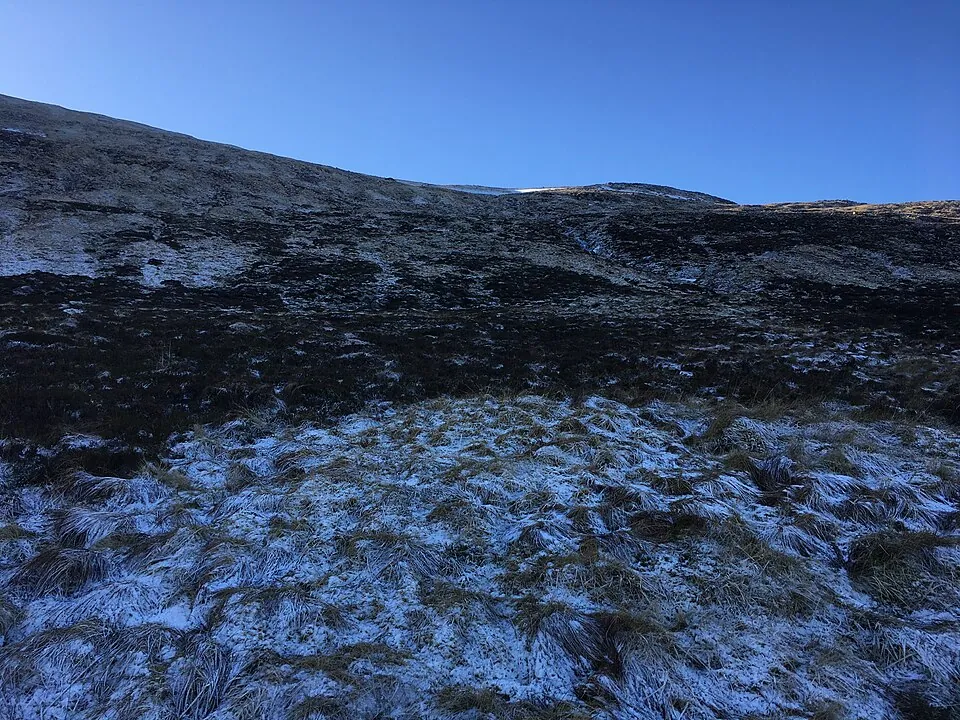
The lower approaches from Kinlochleven feature heather moorland and areas of native woodland remnants hosting a range of bird species. As you climb toward Stob Ban, the vegetation becomes increasingly sparse and specialized, with alpine plants adapted to harsh conditions. The quartzite geology creates unique growing conditions that support distinctive plant communities different from those on other rock types.
Summer brings mountain flowers to the rocky ledges and corries of Stob Ban, adding color to the pale scree slopes. Ptarmigan inhabit the summit areas, their seasonal plumage changes providing excellent camouflage against the rocks. Mountain hares leave evidence of their presence across the upper slopes of Stob Ban throughout the year. Ravens are regular companions on the higher ground, their aerobatic flight and calls adding atmosphere to your climb.
Safety on Stob Ban in the Mamores must account for its serious and committing character, 4 out of 5 difficulty rating,…
Safety on Stob Ban in the Mamores must account for its serious and committing character, 4 out of 5 difficulty rating, and altitude approaching 1000 meters. Physical fitness and mountain experience are essential prerequisites for attempting this peak safely. Navigation skills and the ability to use map and compass in poor visibility are crucial, as cloud frequently envelops the summit of Stob Ban.
Carry appropriate navigation equipment including GPS backup, but ensure you can navigate traditionally if electronics fail. Despite generally dry conditions higher up, waterproof boots with good ankle support remain essential for the lower approaches and rocky terrain. Pack adequate food, water, and emergency supplies for a mountain day lasting up to 8.2 hours.
Full weather protection including quality waterproofs and warm insulation layers must be carried regardless of morning conditions. An early start from Kinlochleven provides comfortable time margins and reduces the risk of being caught out after dark. Winter ascents of Stob Ban require winter mountaineering skills, ice axe, crampons, and considerable experience in serious mountain terrain.
Always inform someone of your plans and expected return before heading into the Mamores range.
Explore more peaks near Fort William.
Common questions about climbing Stob Bàn (Mamores).
Stob Bàn (Mamores) stands at 999 metres (3,278 feet), making it the 145th tallest of all 282 Munros in Scotland.
The name Stob Bàn (Mamores) translates from Scottish Gaelic as “White Peak”.
Climbing Stob Bàn (Mamores) typically takes between 6.3 and 8.2 hours round trip. This varies with fitness, weather, and the route chosen.
There is dedicated parking at the standard starting point for the main route up Stob Bàn (Mamores), in the Fort William area. The exact car park location, map pin and arrival guidance are in the free Munros app.
Stob Bàn (Mamores) is rated Hard (difficulty 4/5).
The most popular route up Stob Bàn (Mamores) covers 18.1km, 6.3–8.2 hours round trip.
Stob Bàn (Mamores) (difficulty 4/5 at 999m) is best suited to experienced hillwalkers in the Fort William area. Expect sustained steep terrain and the need for confident navigation in poor visibility.
Stob Bàn (Mamores) is in the Fort William region of Scotland. Nearby Munros include Am Bodach, An Gearanach, Aonach Beag (Nevis Range).
Step-by-step directions, GPS navigation, exact parking and offline maps for Stob Bàn (Mamores) — free in the Munros app.
Free — Download on theApp StoreTrack all 282 Munros, plan routes, and log every summit. Join 2,400+ hillwalkers already using Munros.app.