Beinn Bhrotain
“Mountain of the Mastiff”
Beinn Bhrotain is a 1,157m Munro in the Cairngorms region, its Gaelic name meaning “mountain of the mastiff”. It stands 20th of the 282 Munros by height. The usual ascent — Beinn Bhrotain and Monadh Mòr from Linn of Dee — is a 20km round trip taking 10.5–13.7 hours, rated hard (4/5).
There are 2 routes to the summit of Beinn Bhrotain, ranging from 20km.
Beinn Bhrotain is one of the most remote Munros in the Cairngorms, with routes from Linn of Dee covering either 20 or…
Beinn Bhrotain is one of the most remote Munros in the Cairngorms, with routes from Linn of Dee covering either 20 or 37.2 kilometres depending on your chosen approach. The 10.5 to 13.7-hour time requirement reflects the serious commitment required for this 1157-metre peak. The route follows good paths initially through Glen Dee before terrain becomes rougher and more pathless.
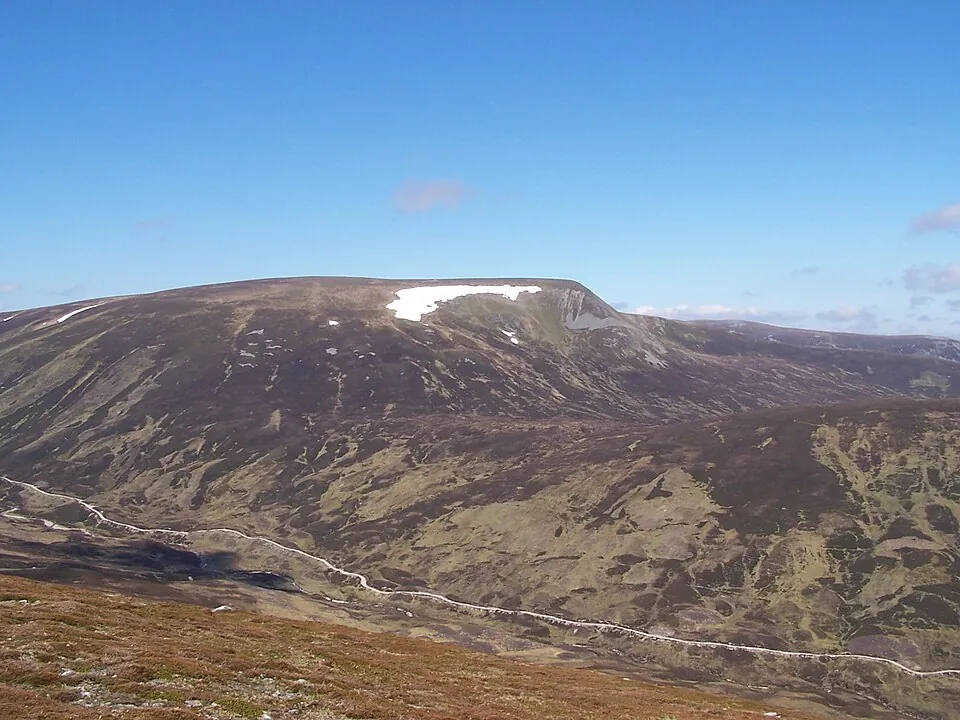
As you approach Beinn Bhrotain across the high Cairngorms plateau, you'll appreciate both the grandeur and the severity of this environment. The 4/5 difficulty rating reflects not just the terrain but the remoteness and limited escape options. The 3/5 bog rating means sections of wet ground to cross, and navigation across the vast plateau requires strong skills. This is a mountain for very experienced hillwalkers who relish true wilderness.
Beinn Bhrotain demands long summer days, with the 10.5 to 13.7-hour requirement meaning only the most experienced and…
Beinn Bhrotain demands long summer days, with the 10.5 to 13.7-hour requirement meaning only the most experienced and fit should consider this outside of June through August. The Cairngorms plateau at over 1000 metres can be Arctic in character, even in summer.
Plan your ascent of Beinn Bhrotain during settled high pressure when the mountain forecast is favorable. The sheer remoteness means you have very limited options if conditions deteriorate, and retreat from the high plateau can be slow and arduous. Winter ascents of Beinn Bhrotain are serious mountaineering expeditions, often undertaken with an overnight stay at a bothy and requiring full winter skills.
The continental climate of the Cairngorms can bring more stable conditions than the west, but also more severe weather when systems do arrive.
Access to Beinn Bhrotain begins at Linn of Dee or Linn of Dee Car Park, reached via the single-track road from Braemar…
Access to Beinn Bhrotain begins at Linn of Dee or Linn of Dee Car Park, reached via the single-track road from Braemar through Glen Lui. The car park provides ample space for hillwalkers, though the enormous distance to Beinn Bhrotain means this is only the start of a very long journey.
Braemar offers full facilities including shops and accommodation where you can prepare for this major expedition. Many parties undertaking Beinn Bhrotain choose to use Corrour Bothy to break the journey into two days, making the expedition more manageable. This requires carrying overnight equipment but is far more sensible than attempting the full distance in one push for most walkers.
Mobile signal is available around Linn of Dee but vanishes once you head into the remote glens leading to Beinn Bhrotain.
The summit of Beinn Bhrotain at 1157 metres sits in one of Scotland's most remote locations, offering a profound sense…
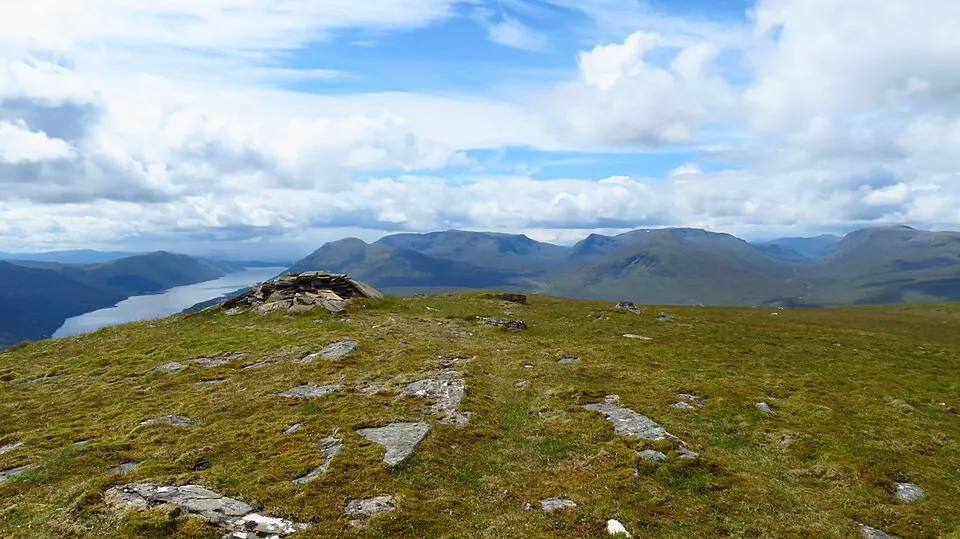
The summit of Beinn Bhrotain at 1157 metres sits in one of Scotland's most remote locations, offering a profound sense of wilderness. The views extend across the vast Cairngorms plateau, a landscape that can feel genuinely Arctic in character.
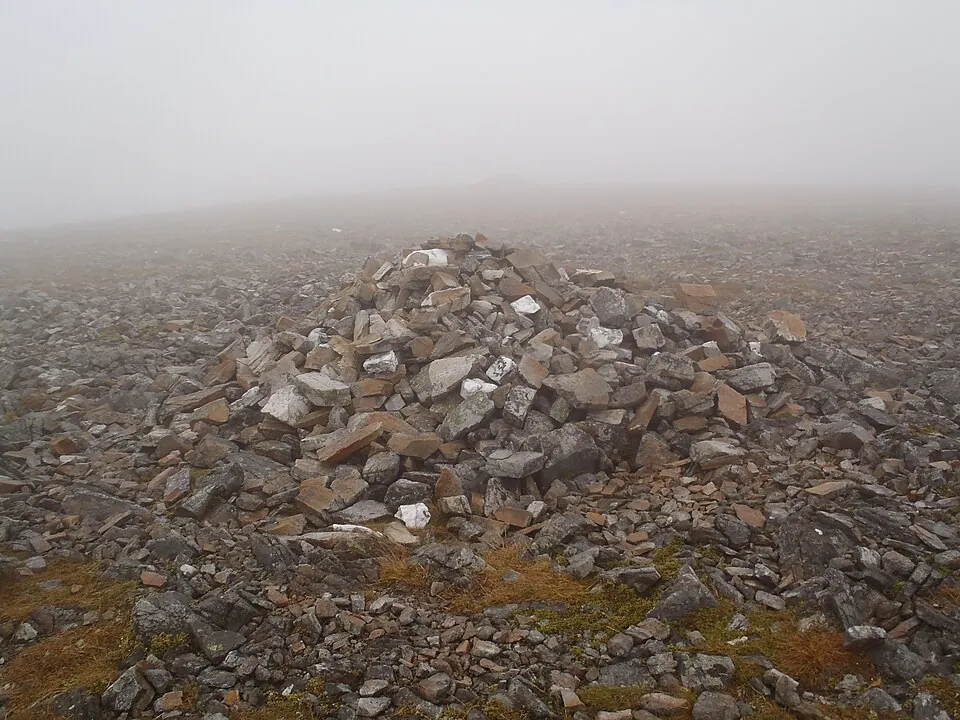
The summit cairn of Beinn Bhrotain marks your highest point on terrain that provides almost no shelter from the elements. On clear days, you can appreciate the full majesty of the Cairngorms, though the very remoteness that makes this special also means you should not linger if weather deteriorates.
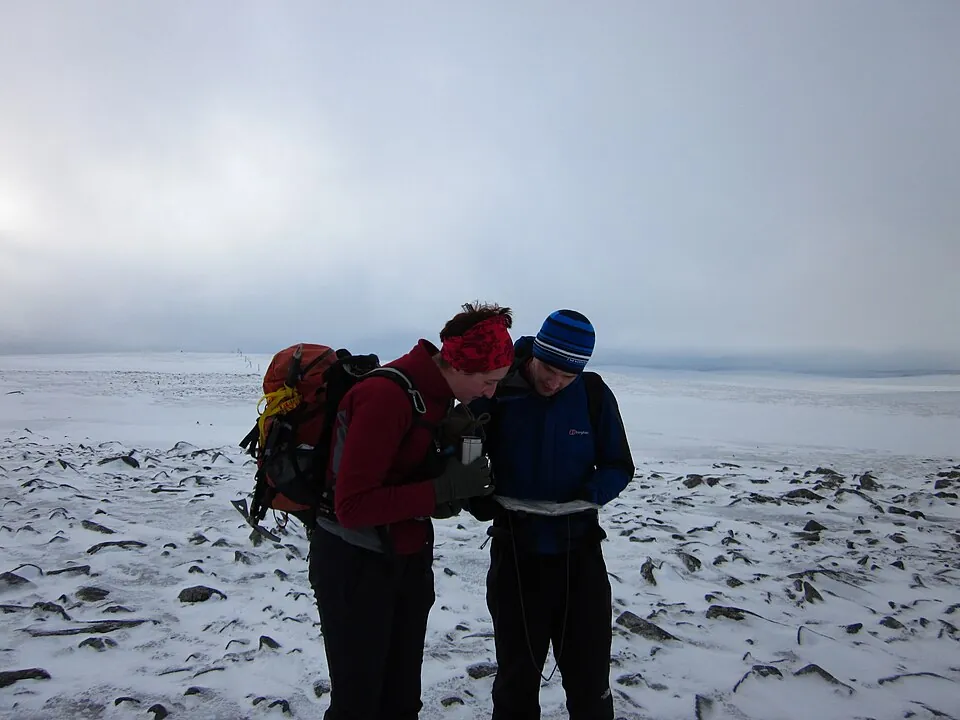
In poor visibility, the featureless plateau surrounding Beinn Bhrotain is one of the most challenging navigation environments in Scotland, demanding excellent skills and absolute attention to detail with compass bearings and timing.
The remote approaches to Beinn Bhrotain pass through some of Scotland's finest mountain wilderness, where red deer are…
The remote approaches to Beinn Bhrotain pass through some of Scotland's finest mountain wilderness, where red deer are abundant and human disturbance minimal. The extensive areas of high plateau support specialized alpine plant communities found nowhere else in Britain.
On the higher reaches of Beinn Bhrotain, you're in prime habitat for ptarmigan and mountain hare, both adapted to the harsh conditions at this altitude. The Cairngorms are home to golden eagles, and these magnificent birds hunt across the remote glens you'll traverse. Dotterel, one of Britain's rarest breeding birds, nest on these high plateaux in summer.
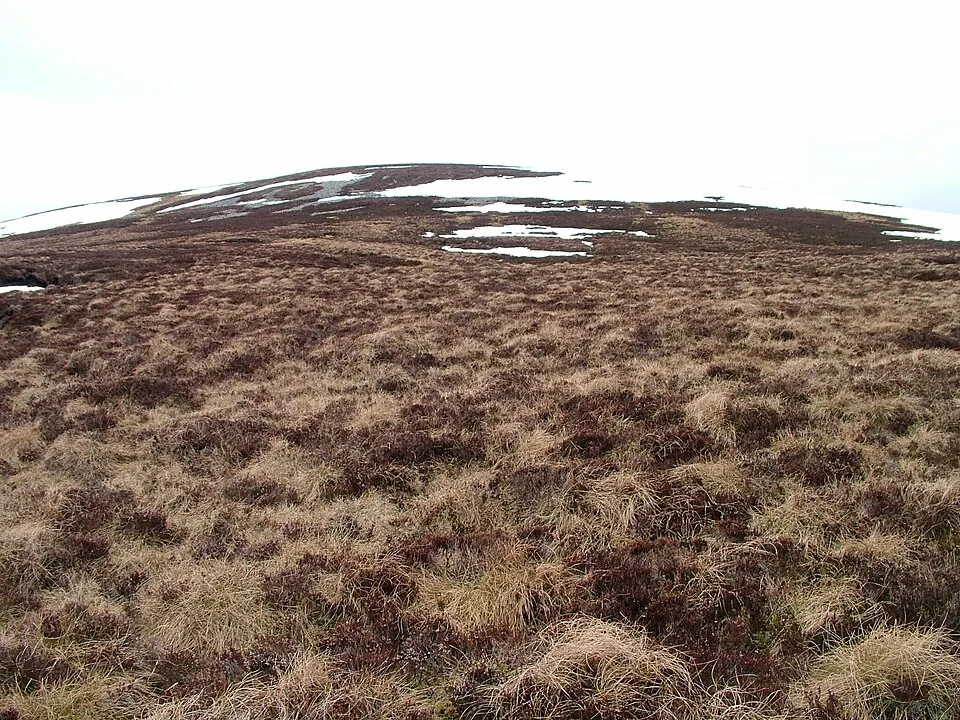
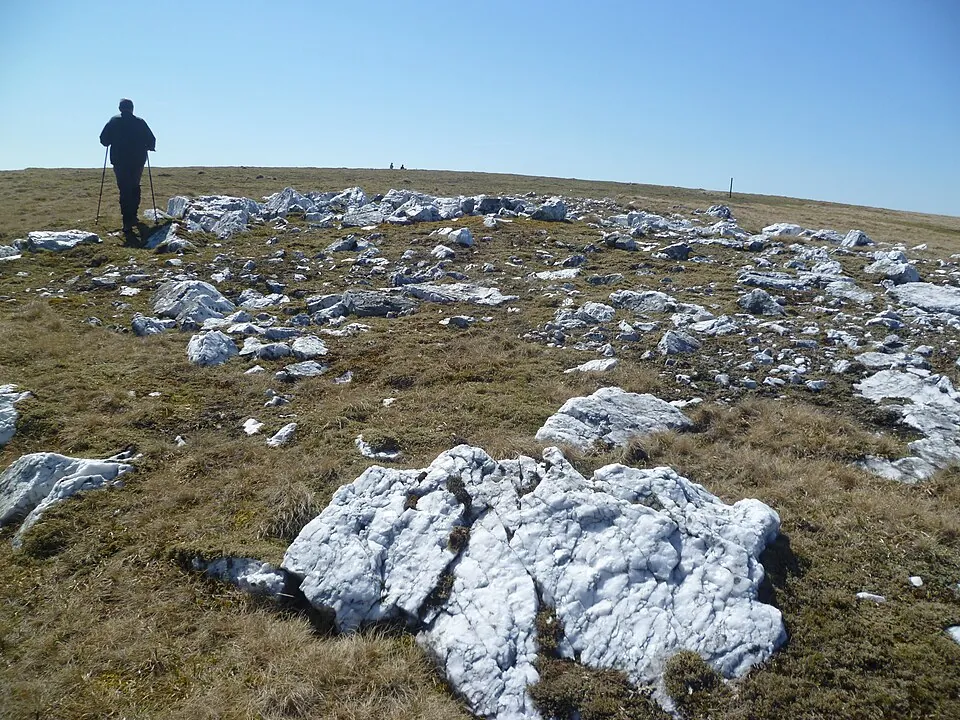
The vegetation on Beinn Bhrotain is typically sparse and wind-sculpted, with only the hardiest species surviving at this altitude. The eastern location of the Cairngorms means less rainfall than the west, creating a distinctive ecosystem.
Beinn Bhrotain is one of Scotland's most serious mountain expeditions. The 4/5 difficulty rating, enormous distances,…
Beinn Bhrotain is one of Scotland's most serious mountain expeditions. The 4/5 difficulty rating, enormous distances, and extreme remoteness mean you must be very experienced and fit. Carry full navigation equipment including map, compass, GPS with spare batteries, and absolute confidence in using them.
Pack comprehensive supplies for 10.5 to 13.7 hours including plenty of food and high-energy snacks. Water can be filtered from streams but carry enough for security. Consider seriously whether attempting Beinn Bhrotain in a single day is realistic, or whether an overnight approach using a bothy would be wiser. Weather on the Cairngorms plateau can be severe—carry full weatherproof clothing, warm layers, hat, gloves, and emergency shelter.
Mobile phone signal is non-existent in this remote area, so leave detailed plans with someone responsible. First aid kit and basic repair supplies for equipment are essential. Self-rescue is likely your only option if things go wrong on Beinn Bhrotain.
Explore more peaks near Cairngorms.
Common questions about climbing Beinn Bhrotain.
Beinn Bhrotain stands at 1,157 metres (3,796 feet), making it the 20th tallest of all 282 Munros in Scotland.
The name Beinn Bhrotain translates from Scottish Gaelic as “Mountain of the Mastiff”.
Climbing Beinn Bhrotain typically takes between 10.5 and 13.7 hours round trip. This varies with fitness, weather, and the route chosen — there are 2 routes to the summit.
There is dedicated parking at the standard starting point for the main route up Beinn Bhrotain, in the Cairngorms area. The exact car park location, map pin and arrival guidance are in the free Munros app.
Beinn Bhrotain is rated Hard (difficulty 4/5). Route difficulty varies across the 2 available routes.
The most popular route up Beinn Bhrotain covers 20km, 10.5–13.7 hours round trip. There are 2 routes to the summit in total, ranging from Hard to Hard difficulty.
Beinn Bhrotain (difficulty 4/5 at 1,157m) is best suited to experienced hillwalkers in the Cairngorms area. Expect sustained steep terrain and the need for confident navigation in poor visibility.
Beinn Bhrotain is in the Cairngorms region of Scotland. Nearby Munros include A' Bhuidheanach Bheag, A' Chailleach (Monadhliath), A' Mharconaich.
Step-by-step directions, GPS navigation, exact parking and offline maps for Beinn Bhrotain — free in the Munros app.
Free — Download on theApp StoreTrack all 282 Munros, plan routes, and log every summit. Join 2,400+ hillwalkers already using Munros.app.