Home Features Explore Munros Munro Map Reviews Get the App

Beinn Iutharn Mhòr

1,045m Cairngorms

“Mountain of the Edge of Hell”

1,045mHeight
20kmRound trip
7.4–9.6hWalk time
HardDifficulty 4/5
Community
conditions
No reports yet — be the first to log this Munro
Log a climb
Track this summit
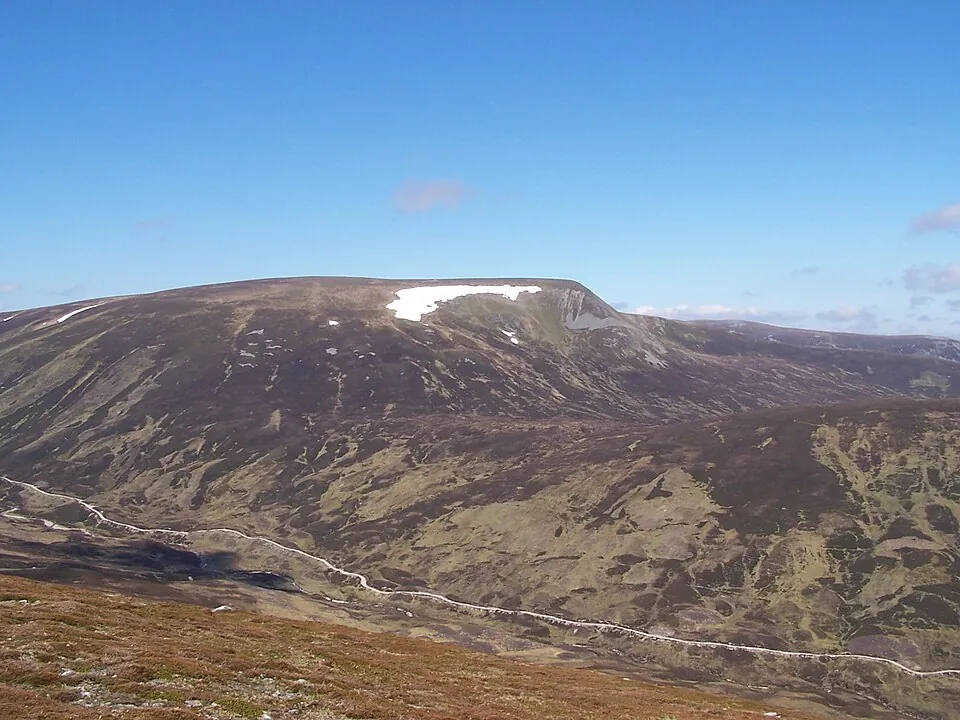
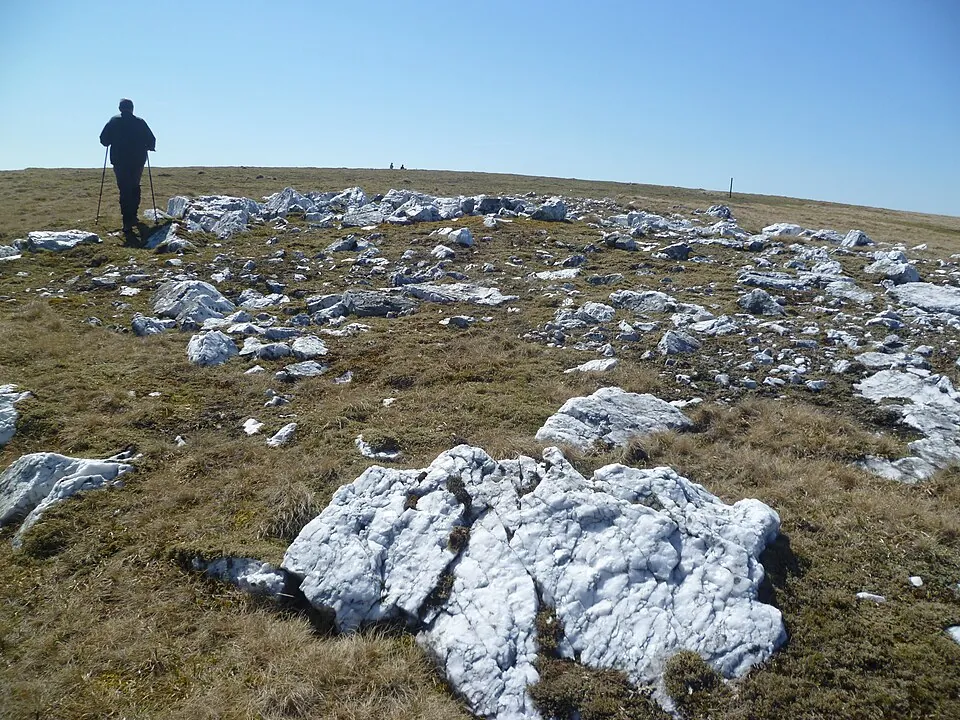
Photo: GeographBot · CC BY-SA 2.0
Overview

About this Munro

Beinn Iutharn Mhòr is a 1,045m Munro in the Cairngorms region, its Gaelic name meaning “mountain of the edge of hell”. It stands 91st of the 282 Munros by height. The usual ascent — Beinn Iutharn Mhòr and Carn Bhac from Glen Clunie — is a 20km round trip taking 7.4–9.6 hours, rated hard (4/5).

Height rank91st of 282
Coordinates56.8952°N 3.5668°W
OS Grid RefNO 046 792
GPS routes in the appSummit location — full route lines, parking pins & offline maps in the free app.
Plan your day

Routes & Navigation

There is 1 route to the summit of Beinn Iutharn Mhòr, covering 20km.

Route preview

Beinn Iutharn Mhòr and Carn Bhac from Glen Clunie

Hard
7.4–9.6h round trip20km distance↑836m ascent
Bog ratingModerate
ParkingAuchallater
Step-by-step guideIn the app

Climbing Beinn Iutharn Mhòr

Beinn Iutharn Mhòr rises to 1045 metres in the remote eastern Cairngorms, offering a climb that combines long approaches…

Beinn Iutharn Mhòr rises to 1045 metres in the remote eastern Cairngorms, offering a climb that combines long approaches with sustained ascent. From the Auchallater parking area in Glen Clunie, you'll follow estate tracks before breaking onto open hillside where the terrain becomes progressively wilder and more pathless.

The mountain's name, meaning 'Edge of Hell', hints at the serious nature of this peak, with the route demanding good navigation across broad, featureless plateaus.

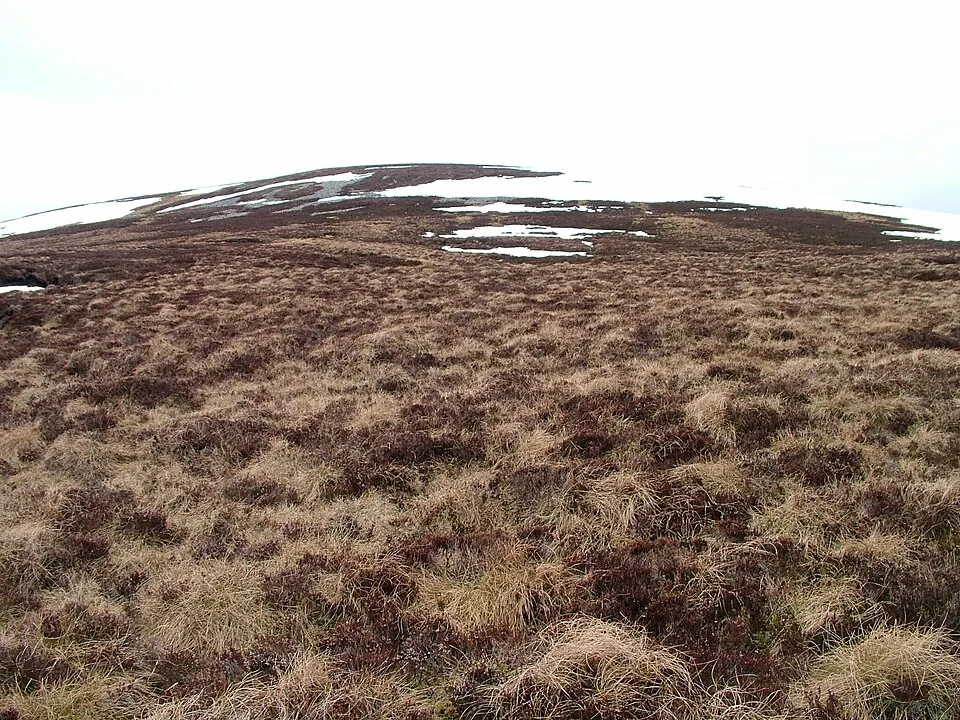
The approach to Beinn Iutharn Mhòr involves covering 20 kilometres with bog level 3/5 conditions meaning wet ground in sections, particularly on the initial approaches and the plateau areas. Path quality diminishes as you climb, requiring careful route-finding across typical Cairngorm terrain of grass, heather, and boulder fields.

The 4/5 difficulty rating reflects the long distances, navigational challenges, and the serious consequences of getting lost in these vast, remote landscapes where weather can deteriorate rapidly.
Best Time to Climb Beinn Iutharn Mhòr

The eastern Cairngorms around Beinn Iutharn Mhòr experience drier conditions than western Scottish mountains, but the…

The eastern Cairngorms around Beinn Iutharn Mhòr experience drier conditions than western Scottish mountains, but the high altitude and exposed nature still mean unpredictable weather year-round. Summer months from May through September offer the most stable conditions and longest daylight, essential for completing the 7-10 hour route safely. Even in summer, be prepared for cold winds, rain, and sudden cloud descending onto the plateau.

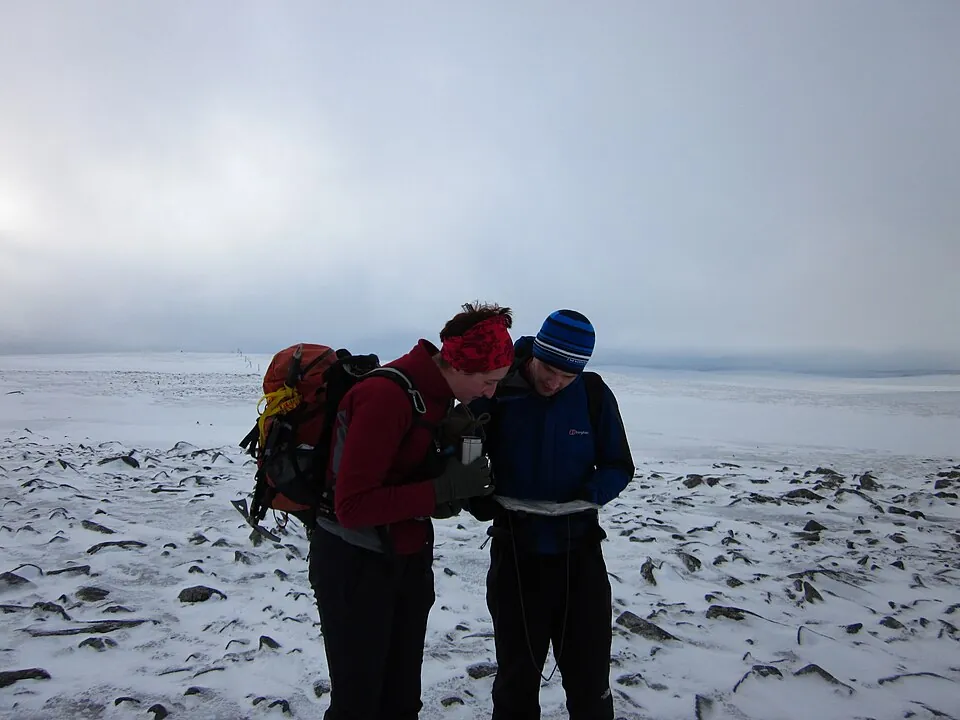
Winter transforms Beinn Iutharn Mhòr into a serious mountaineering objective requiring winter skills, ice axes, crampons, and avalanche awareness. The broad plateaus can be particularly dangerous in winter conditions with cornices forming on ridge edges and navigation becoming extremely challenging in white-out conditions.

Spring and autumn offer quieter times to climb, but weather becomes more variable and daylight hours shrink, making early starts essential for tackling Beinn Iutharn Mhòr safely.

Getting to Beinn Iutharn Mhòr

Access to Beinn Iutharn Mhòr begins at Auchallater in Glen Clunie, located on the A93 Braemar to Blairgowrie road. The…

Access to Beinn Iutharn Mhòr begins at Auchallater in Glen Clunie, located on the A93 Braemar to Blairgowrie road. The parking area serves walkers heading into the eastern Cairngorm mountains and can accommodate a reasonable number of vehicles, though it fills during peak summer weekends. The location is approximately 10 miles south of Braemar, making it accessible from Deeside villages or from further afield via the scenic A93.

The roadside location means straightforward access, but the remoteness of the surrounding terrain shouldn't be underestimated once you leave the car park. There are no facilities at Auchallater, so ensure you're fully equipped before setting out. Mobile phone signal may be available at the parking area but quickly disappears as you head into the hills.

The route to Beinn Iutharn Mhòr follows estate tracks initially, providing good early going before you strike onto the open mountain.

Beinn Iutharn Mhòr Summit

The summit of Beinn Iutharn Mhòr at 1045 metres sits on a broad, stony plateau typical of the eastern Cairngorms, marked…

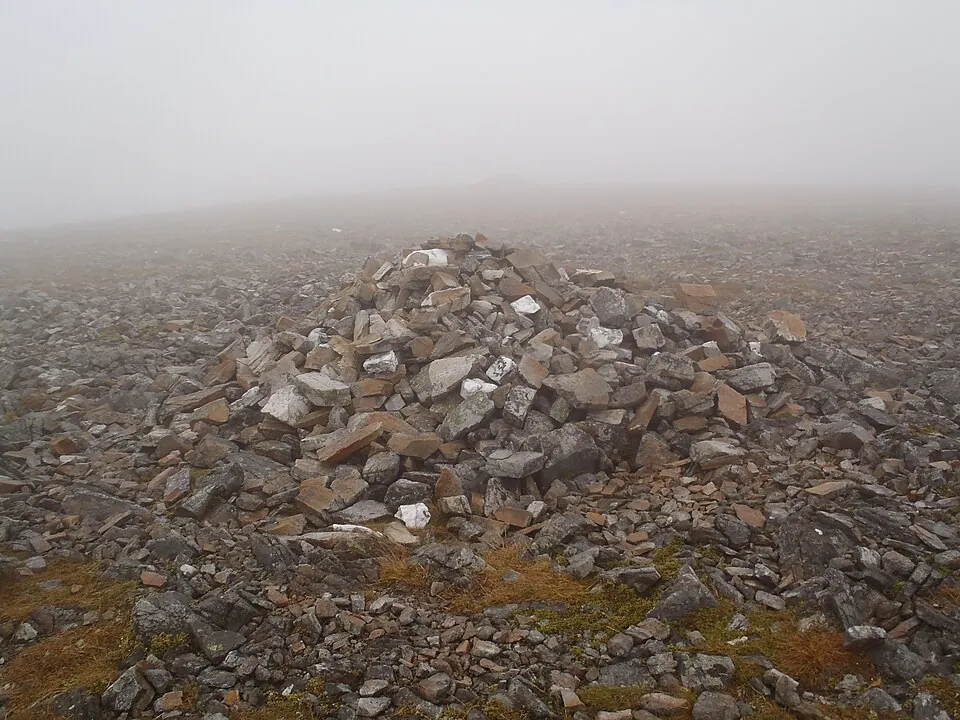
The summit of Beinn Iutharn Mhòr at 1045 metres sits on a broad, stony plateau typical of the eastern Cairngorms, marked by a cairn that provides the only real feature in the expansive high-level landscape. The top offers little natural shelter, leaving you exposed to the full force of weather systems sweeping across these elevated plains.

The plateau's vastness can be disorientating, particularly in cloud or falling snow when distinguishing the exact summit requires precise navigation.

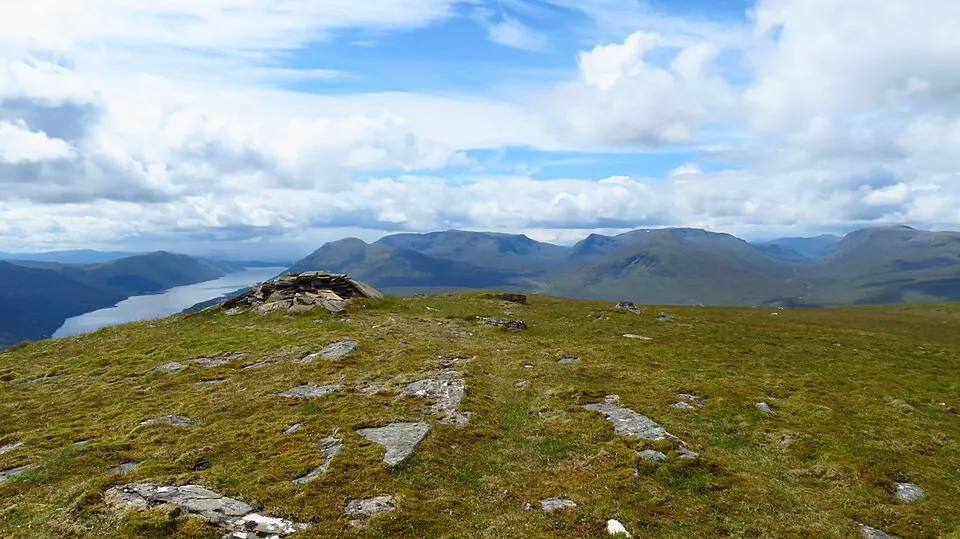
On clear days, views from Beinn Iutharn Mhòr extend across the remote Cairngorm landscape, with vast empty country rolling away in all directions. The sense of wilderness and space is profound, with few signs of human presence visible. The rocky summit terrain provides stable footing in dry conditions but can be treacherous when wet or iced, so take care moving around the top.

The feeling of remoteness on Beinn Iutharn Mhòr is palpable, reinforcing the serious nature of this mountain.

Wildlife on Beinn Iutharn Mhòr

The eastern Cairngorms around Beinn Iutharn Mhòr support classic Highland montane ecology, with heather moorland…

The eastern Cairngorms around Beinn Iutharn Mhòr support classic Highland montane ecology, with heather moorland dominating lower slopes before giving way to grassland and eventually bare, stony ground near the summit. The drier climate compared to western ranges means different plant communities, with more alpine species tolerant of cold but less moisture. Red deer are common throughout this landscape, managed as part of sporting estates.

Above 900 metres on Beinn Iutharn Mhòr, you enter true montane habitat where ptarmigan might be encountered, particularly if you move quietly and scan the boulder fields carefully. Mountain hares frequent these heights, their coats changing with the seasons. Golden eagles patrol the skies over this remote territory, and you may also spot ravens and the occasional peregrine falcon.

The sparse vegetation at altitude consists mainly of moss, lichen, and hardy grasses clinging to the rocky substrate.

Beinn Iutharn Mhòr Tips

Navigation is the critical skill for safely climbing Beinn Iutharn Mhòr, as the broad plateaus and featureless terrain…

Navigation is the critical skill for safely climbing Beinn Iutharn Mhòr, as the broad plateaus and featureless terrain can be extremely confusing in poor visibility. Carry map, compass, and GPS, and know how to use them confidently before attempting this mountain. The 4/5 difficulty and 20km distance mean excellent fitness is required, along with the ability to maintain navigation accuracy when tired during the long descent.

Water sources exist on the approach but become scarce on the plateau, so carry sufficient supplies for the 7-10 hour day. The bog level 3/5 rating means waterproof boots are essential, with gaiters adding comfort in wetter sections. Phone signal is non-existent for most of the route, so emergency communication is impossible. Pack full emergency equipment including shelter, extra food, warm layers, and waterproofs.

Weather on Beinn Iutharn Mhòr can change dramatically, so be prepared to turn back if cloud descends or conditions deteriorate, as navigation errors in this vast terrain can have serious consequences.

Frequently Asked Questions

Common questions about climbing Beinn Iutharn Mhòr.

How tall is Beinn Iutharn Mhòr?

Beinn Iutharn Mhòr stands at 1,045 metres (3,428 feet), making it the 91st tallest of all 282 Munros in Scotland.

What does Beinn Iutharn Mhòr mean in Gaelic?

The name Beinn Iutharn Mhòr translates from Scottish Gaelic as “Mountain of the Edge of Hell”.

How long does it take to climb Beinn Iutharn Mhòr?

Climbing Beinn Iutharn Mhòr typically takes between 7.4 and 9.6 hours round trip. This varies with fitness, weather, and the route chosen.

Where do I park for Beinn Iutharn Mhòr?

There is dedicated parking at the standard starting point for the main route up Beinn Iutharn Mhòr, in the Cairngorms area. The exact car park location, map pin and arrival guidance are in the free Munros app.

How difficult is Beinn Iutharn Mhòr to climb?

Beinn Iutharn Mhòr is rated Hard (difficulty 4/5).

What is the best route up Beinn Iutharn Mhòr?

The most popular route up Beinn Iutharn Mhòr covers 20km, 7.4–9.6 hours round trip.

Is Beinn Iutharn Mhòr good for beginners?

Beinn Iutharn Mhòr (difficulty 4/5 at 1,045m) is best suited to experienced hillwalkers in the Cairngorms area. Expect sustained steep terrain and the need for confident navigation in poor visibility.

What region is Beinn Iutharn Mhòr in?

Beinn Iutharn Mhòr is in the Cairngorms region of Scotland. Nearby Munros include A' Bhuidheanach Bheag, A' Chailleach (Monadhliath), A' Mharconaich.

Start your journey

Ready to bag
them all?

Track all 282 Munros, plan routes, and log every summit. Join 2,400+ hillwalkers already using Munros.app.

Download for iPhone Free on the App Store