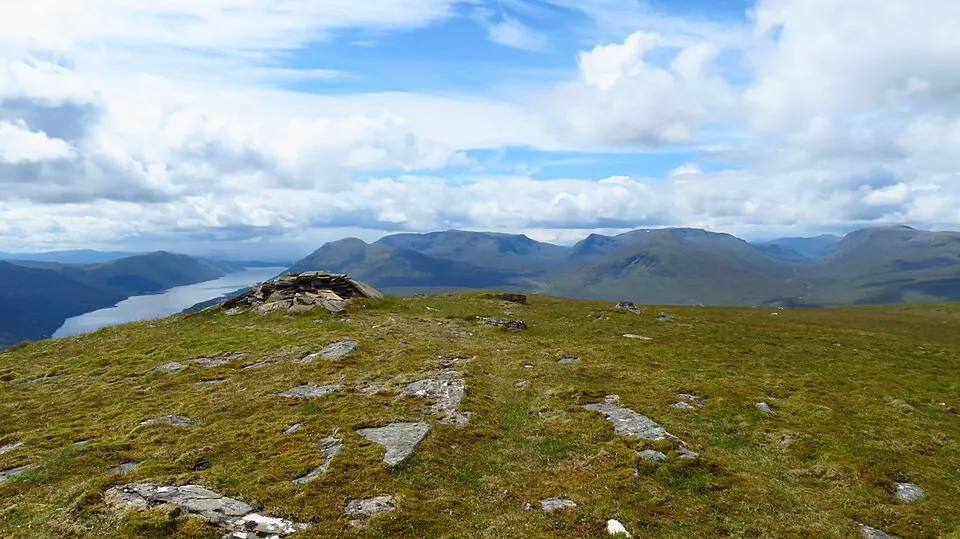
Cairn Bannoch
“Peaked Cairn”
conditions
“Peaked Cairn”
Cairn Bannoch is a 1,012m Munro in the Cairngorms region, its Gaelic name meaning “peaked cairn”. It stands 121st of the 282 Munros by height. The usual ascent — White Mounth circuit from Glen Muick — is a 36km round trip taking 9.7–12.6 hours, rated hard (4/5).
There is 1 route to the summit of Cairn Bannoch, covering 36km.
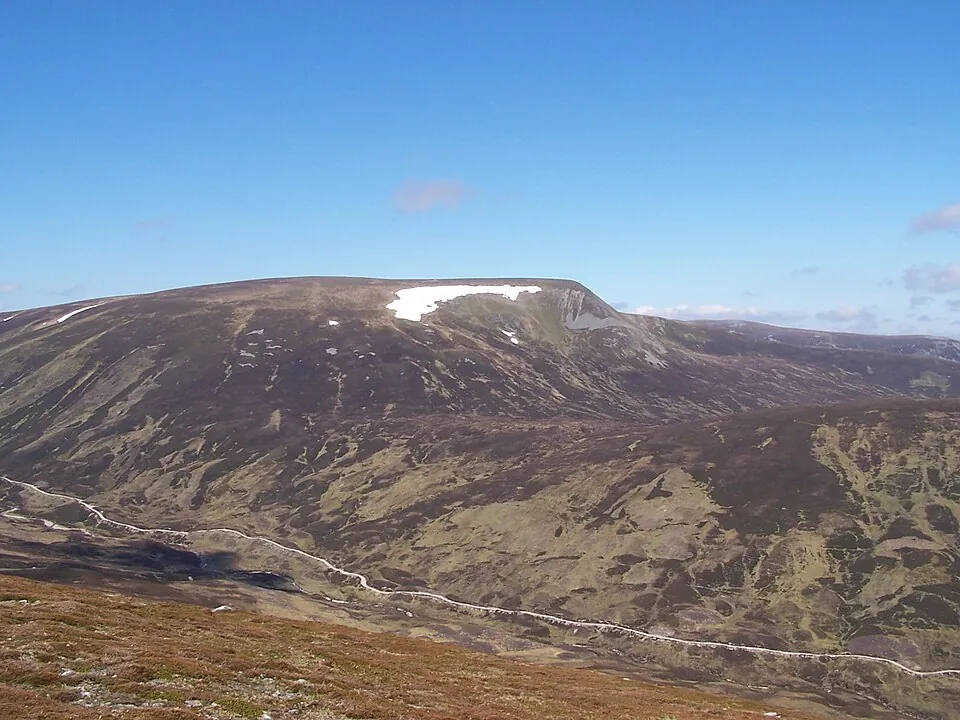
Cairn Bannoch forms part of the White Mounth plateau, one of the most remote and committing mountain areas in Scotland.…
Cairn Bannoch forms part of the White Mounth plateau, one of the most remote and committing mountain areas in Scotland. The circuit from Glen Muick spans a massive 36km that will occupy 10-13 hours of your day, making this among the longest single-day Munro expeditions available. The 4/5 difficulty rating reflects the serious commitment, length, and complex navigation rather than technical climbing.
You'll face long distances across trackless terrain to reach Cairn Bannoch, with the 3/5 bog rating meaning wet ground is a significant factor, particularly on the plateau sections. The White Mounth circuit typically bags multiple Munros in one long day, with Cairn Bannoch at 1012m being one of several summits you'll traverse.
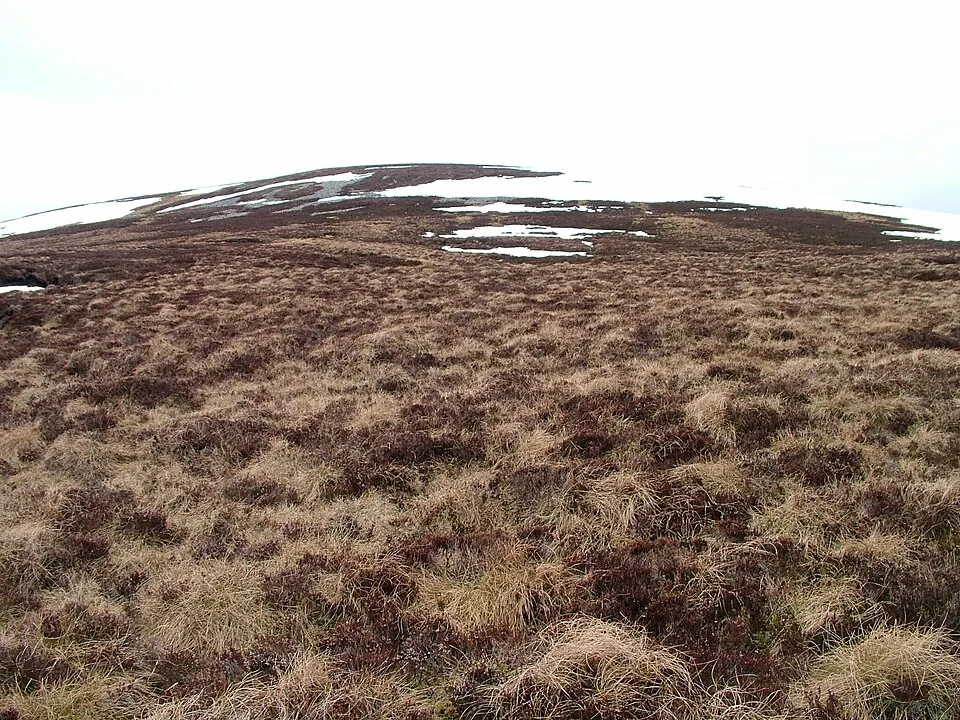
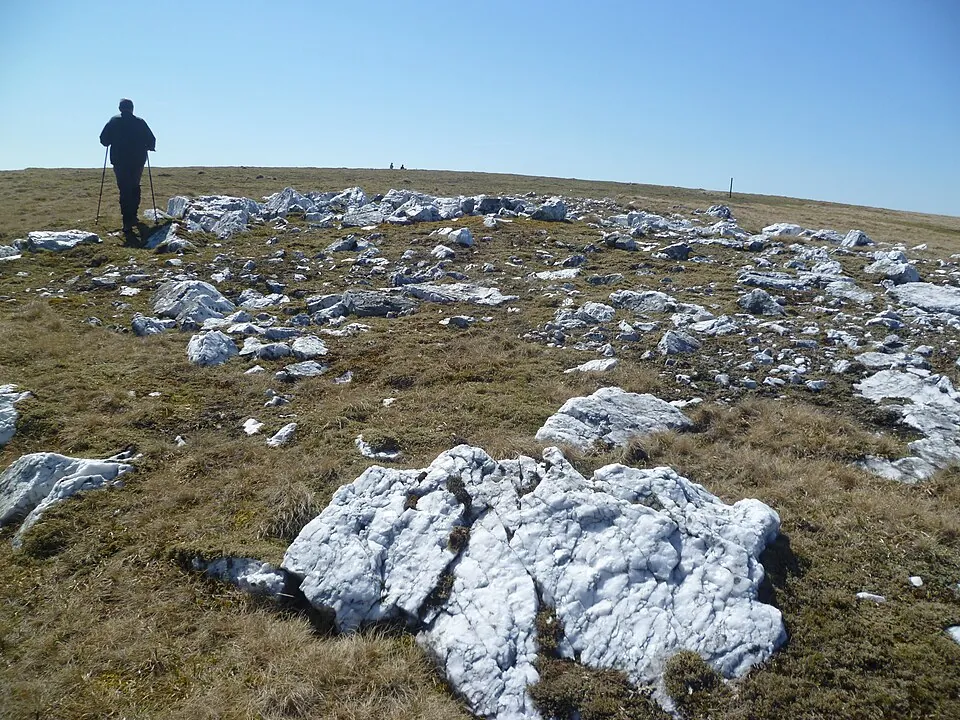
The terrain is characterized by broad, rolling plateau with extensive boulder fields and peat hags, demanding sustained concentration and effort over the many hours required.
The White Mounth circuit requires the absolute longest days available, making it strictly a June through early August…
The White Mounth circuit requires the absolute longest days available, making it strictly a June through early August undertaking when you have maximum daylight. Even with 17-18 hours of summer daylight, you'll need an alpine start in the dark to ensure safe completion before nightfall, and the 10-13 hour estimate assumes good conditions and strong fitness.
The eastern Cairngorms receive less rainfall than western ranges, but Cairn Bannoch's elevation and exposed position mean weather can still be severe. The plateau is notorious for becoming featureless in cloud, making navigation extremely challenging, and wind speeds can be punishing on the exposed terrain. Winter attempts of the White Mounth are serious mountaineering expeditions beyond most hillwalkers' capabilities.
Even in summer, you should only attempt Cairn Bannoch in settled high-pressure conditions when good visibility is forecast.
The White Mounth circuit starts from Spittal of Glen Muick Car Park at the head of this beautiful glen south of…
The White Mounth circuit starts from Spittal of Glen Muick Car Park at the head of this beautiful glen south of Ballater. The car park is accessed via minor roads from the B976, following Glen Muick through increasingly dramatic scenery. The single-track road requires careful driving but is well-maintained.
The car park offers good facilities but limited space, and given the popularity of Glen Muick for multiple routes, very early arrival is essential—you'll be starting before dawn anyway for the long circuit. Ballater provides services including shops and accommodation, and the area is accessible via the A93 from Aberdeen or Braemar. The glen has historically been subject to estate access arrangements during stalking season, so check current status if climbing in autumn.
At 1012m, the summit of Cairn Bannoch is marked by a substantial cairn on the broad White Mounth plateau. The summit…
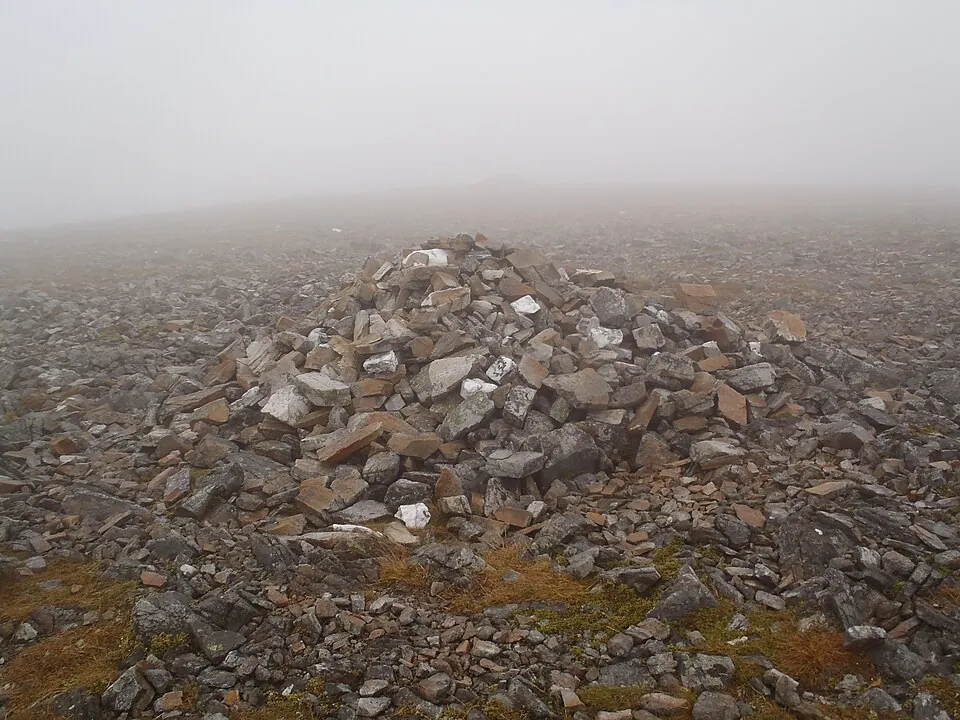
At 1012m, the summit of Cairn Bannoch is marked by a substantial cairn on the broad White Mounth plateau. The summit area is relatively featureless, typical of these ancient, eroded mountains, with scattered boulders and short alpine vegetation covering the windswept ground.
Shelter is minimal on Cairn Bannoch's exposed summit, and you'll feel the full force of any wind crossing the plateau. The views on clear days extend across the entire White Mounth to neighboring summits and down into the deep glens that cut through the eastern Cairngorms. The summit's character is defined more by the sense of remoteness and the scale of the surrounding plateau than by dramatic topography.
The arctic feel of this high, wild place is particularly striking, feeling genuinely remote despite being in the relatively accessible eastern Highlands.
Glen Muick is renowned for its natural beauty and wildlife, and your approach to Cairn Bannoch showcases this richness.…
Glen Muick is renowned for its natural beauty and wildlife, and your approach to Cairn Bannoch showcases this richness. The lower glen supports birch woodland and moorland where red deer are abundant—this is prime stalking country with large herds visible, particularly at dawn and dusk.
As you climb onto the White Mounth plateau toward Cairn Bannoch, you'll pass through extensive heather moorland giving way to montane grassland and eventually the alpine heath of the high plateau. Red grouse are common in the heather, exploding from cover with their distinctive call. At the higher elevations, ptarmigan inhabit the boulder fields and alpine areas, while mountain hares are present throughout.
The eastern Cairngorms support golden eagles, and the remoteness of Cairn Bannoch makes it excellent hunting ground. Dotterel sometimes breed on the high plateaus. The drier eastern climate supports different vegetation from western ranges, with bearberry and crowberry common.
The White Mounth circuit is a serious expedition requiring excellent fitness, strong navigation skills, and…
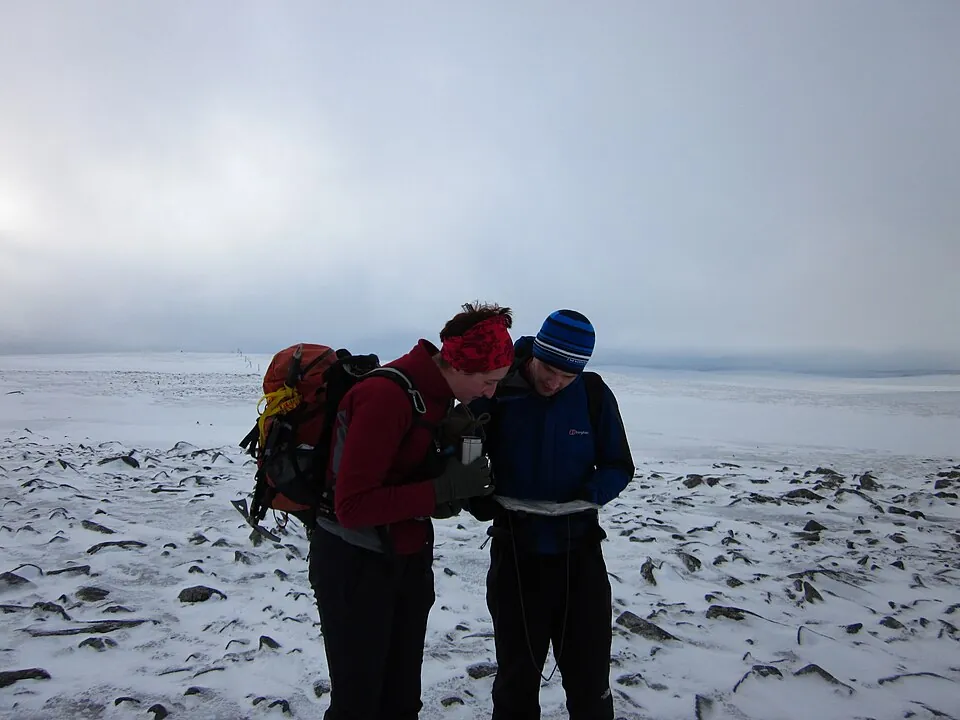
The White Mounth circuit is a serious expedition requiring excellent fitness, strong navigation skills, and comprehensive mountain experience. The 4/5 difficulty and 36km distance mean this is not for novices or anyone lacking confidence in their abilities. You must be expert at navigation on featureless plateau terrain using map and compass, as the consequences of getting lost on this remote plateau could be serious.
Carry comprehensive emergency equipment including bivvy bag, extra food, warm clothing, and headtorch with spare batteries—you need to be self-sufficient for a potential unplanned night out. The 3/5 bog rating means waterproof boots and gaiters are essential for the wet sections. Water sources exist but are spaced out across the long route. Mobile phone signal is non-existent for most of the circuit. Always leave detailed plans including expected return time.
Weather forecasts are critical—only attempt Cairn Bannoch in settled conditions, and be prepared to turn back without hesitation if conditions deteriorate.
Explore more peaks near Cairngorms.
Common questions about climbing Cairn Bannoch.
Cairn Bannoch stands at 1,012 metres (3,320 feet), making it the 121st tallest of all 282 Munros in Scotland.
The name Cairn Bannoch translates from Scottish Gaelic as “Peaked Cairn”.
Climbing Cairn Bannoch typically takes between 9.7 and 12.6 hours round trip. This varies with fitness, weather, and the route chosen.
There is dedicated parking at the standard starting point for the main route up Cairn Bannoch, in the Cairngorms area. The exact car park location, map pin and arrival guidance are in the free Munros app.
Cairn Bannoch is rated Hard (difficulty 4/5).
The most popular route up Cairn Bannoch covers 36km, 9.7–12.6 hours round trip.
Cairn Bannoch (difficulty 4/5 at 1,012m) is best suited to experienced hillwalkers in the Cairngorms area. Expect sustained steep terrain and the need for confident navigation in poor visibility.
Cairn Bannoch is in the Cairngorms region of Scotland. Nearby Munros include A' Bhuidheanach Bheag, A' Chailleach (Monadhliath), A' Mharconaich.
Step-by-step directions, GPS navigation, exact parking and offline maps for Cairn Bannoch — free in the Munros app.
Free — Download on theApp StoreTrack all 282 Munros, plan routes, and log every summit. Join 2,400+ hillwalkers already using Munros.app.