Càrn an Tuirc
1,019m
Cairngorms
“Cairn of the Boar”
1,019mHeight
26.7kmRound trip
9.4–12.2hWalk time
HardDifficulty 4/5
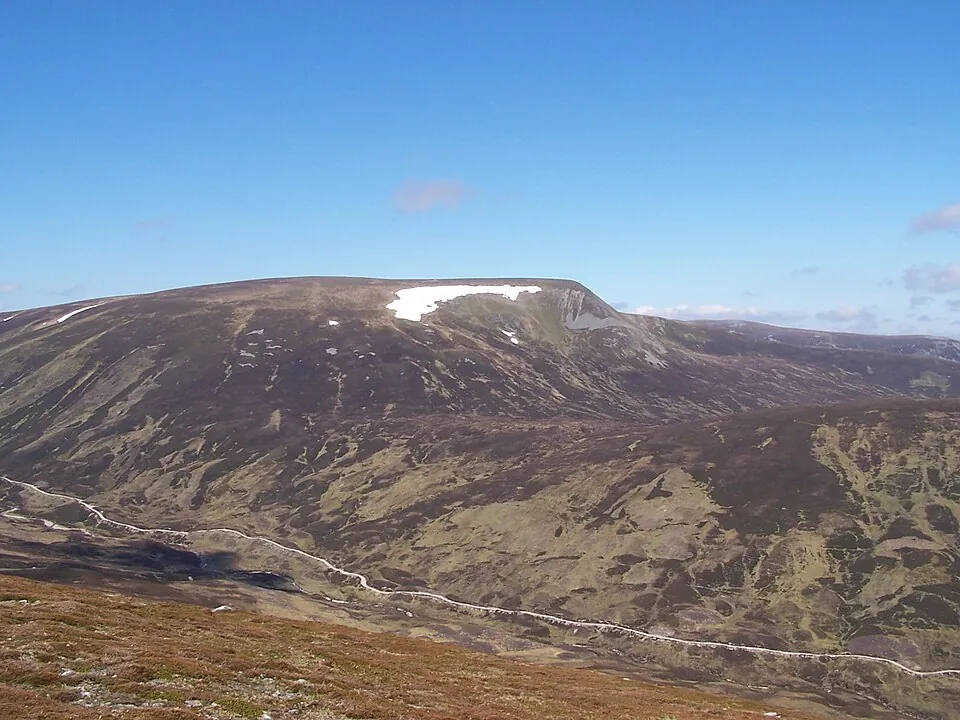
Photo: GeographBot · CC BY-SA 2.0
“Cairn of the Boar”
Càrn an Tuirc is a 1,019m Munro in the Cairngorms region, its Gaelic name meaning “cairn of the boar”. It stands 117th of the 282 Munros by height. The usual ascent — White Mounth from Glen Shee — is a 26.7km round trip taking 9.4–12.2 hours, rated hard (4/5).
There is 1 route to the summit of Càrn an Tuirc, covering 26.7km.
Càrn an Tuirc forms part of the demanding White Mounth circuit from Glen Shee, a serious undertaking covering 26.7…
Càrn an Tuirc forms part of the demanding White Mounth circuit from Glen Shee, a serious undertaking covering 26.7 kilometres over 9 to 12 hours. The ascent takes you through classic eastern Cairngorm terrain, with a long approach across moorland before climbing onto the broad ridges and plateaus that characterize these hills. You'll face sustained gradient climbing over heather, grass, and increasingly stony ground as you gain height towards the 1019-metre summit.
The path quality is reasonable initially from the ski centre but deteriorates to vague traces and pathless sections on Càrn an Tuirc itself. This is typically climbed as part of a multi-Munro circuit, testing your stamina and navigation across complex terrain. The bog level is moderate, meaning you'll encounter wet patches throughout, particularly on the broad plateaus.
Càrn an Tuirc, meaning 'Cairn of the Boar', sits in remote, exposed country where terrain can feel featureless in poor visibility. The 4/5 difficulty rating reflects the serious commitment and distance rather than technical scrambling.
Càrn an Tuirc is best attempted from late May through early September when daylight is sufficient for the 9 to 12-hour…
Càrn an Tuirc is best attempted from late May through early September when daylight is sufficient for the 9 to 12-hour undertaking. At 1019 metres on the exposed White Mounth, snow can persist into late spring and return in early autumn, with winter conditions making this a serious mountaineering proposition. Summer offers the most reliable weather, though the Cairngorms are notoriously changeable and you should always be prepared for rapid deterioration.
The eastern location means a slightly drier climate than the west coast, but rain remains common. Càrn an Tuirc sits on broad, exposed plateaus where winds can be ferocious even in benign weather lower down. Start early to ensure comfortable daylight for the full circuit, as the distance and multiple summits demand time. Check the forecast carefully before committing to this long route—poor visibility makes navigation extremely challenging on the featureless terrain.
Winter transforms this into an expert-only expedition requiring full winter skills, avalanche awareness, and often multiple days. Choose your day carefully for maximum safety and enjoyment.
Access to Càrn an Tuirc begins at Glenshee Ski Centre, located on the A93 at the highest point of this major Highland…
Access to Càrn an Tuirc begins at Glenshee Ski Centre, located on the A93 at the highest point of this major Highland road. From Perth and the south, drive north through Blairgowrie on the A93; from Braemar and the north, head south on the same well-maintained route. The ski centre sits right on the road, making it one of the most accessible mountain starting points in the Cairngorms.
Parking is available at the ski centre, though it can be busy during the ski season and on popular summer weekends when you should arrive early. The road is generally passable year-round, being a major route, though winter snow can cause closures when you'll need winter tyres or chains. The ski centre provides facilities including toilets, making this a convenient start point. Braemar to the north and Blairgowrie to the south offer the nearest comprehensive services.
From the car park, Càrn an Tuirc lies several hours away across the White Mounth plateau, emphasizing the commitment required. The high starting altitude reduces the climbing but not the distance or remoteness.
The summit of Càrn an Tuirc sits at 1019 metres on the broad White Mounth plateau, an extensive area of high mountain…
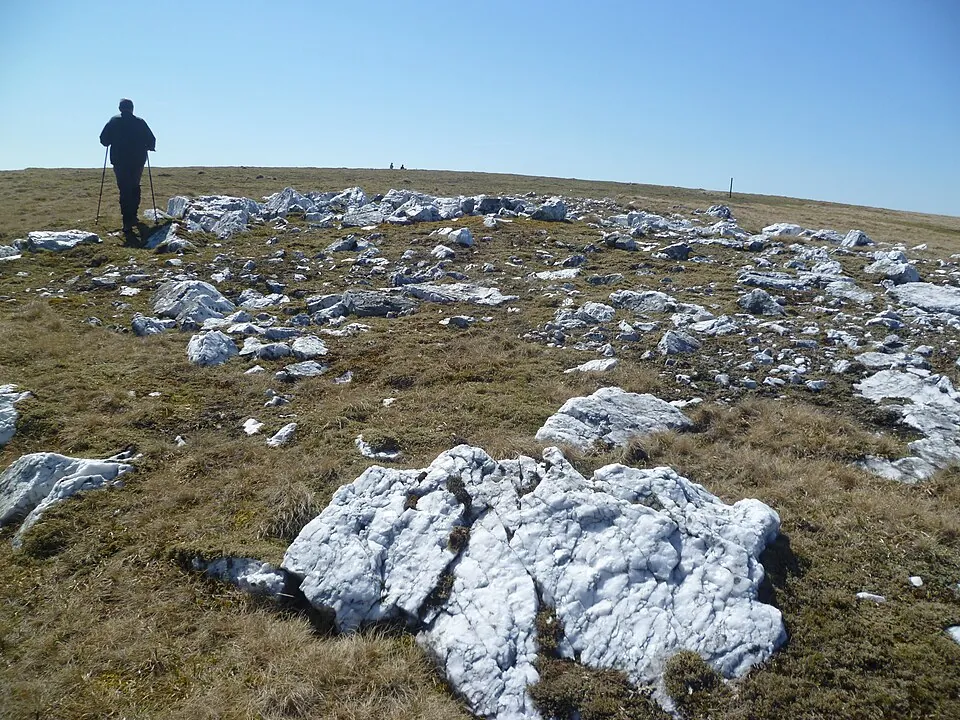
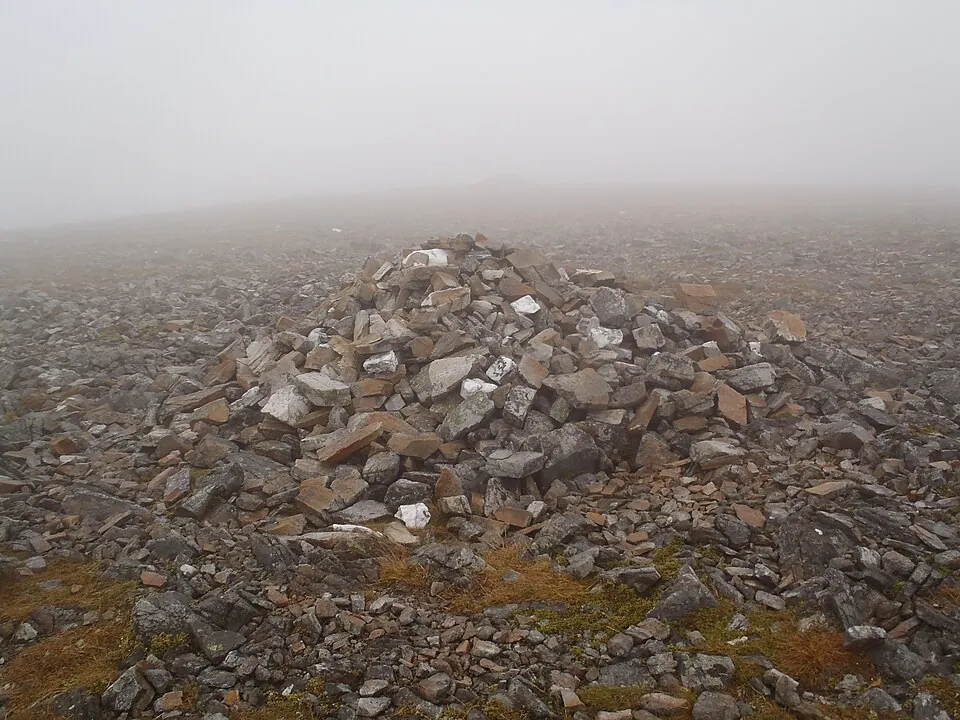
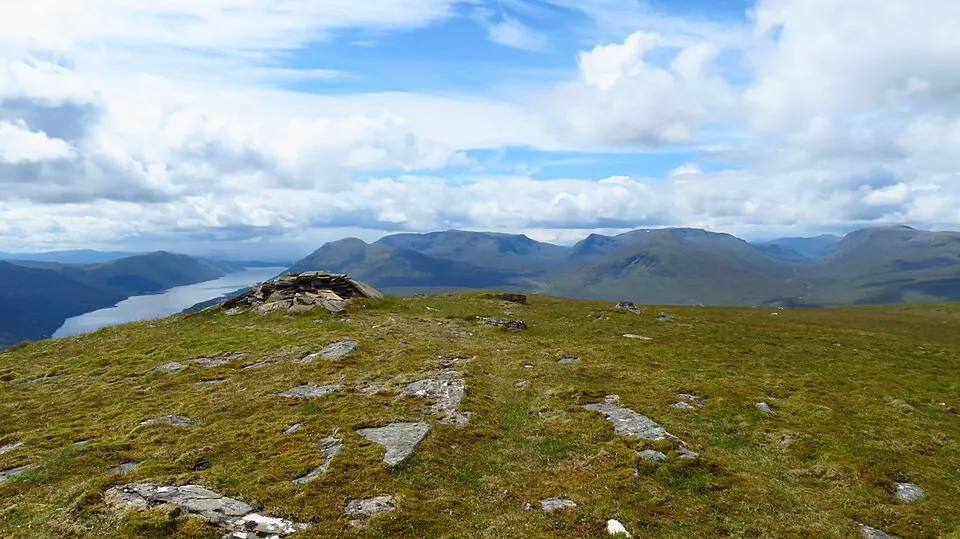
The summit of Càrn an Tuirc sits at 1019 metres on the broad White Mounth plateau, an extensive area of high mountain terrain. A cairn marks the highest point, set on predominantly stony ground with patches of montane vegetation. The views extend across the eastern Cairngorms, with multiple summits visible on the rolling plateau and the higher peaks of the range to the north and west.
On clear days, you'll appreciate the scale of this mountain landscape, with ridge after ridge stretching into the distance. Càrn an Tuirc offers virtually no shelter from the wind, which can be severe on this exposed summit even in summer. The terrain is relatively featureless, demanding careful navigation in poor visibility when the broad summits become difficult to distinguish. The sense of remoteness is substantial despite the accessible starting point at the ski centre.
The name 'Cairn of the Boar' hints at the mountain's wild character, though the exact origin is unclear. Take time to identify the surrounding peaks before continuing the circuit or beginning the long return journey.
The route to Càrn an Tuirc takes you through habitat typical of the eastern Cairngorms, from heather moorland to high…
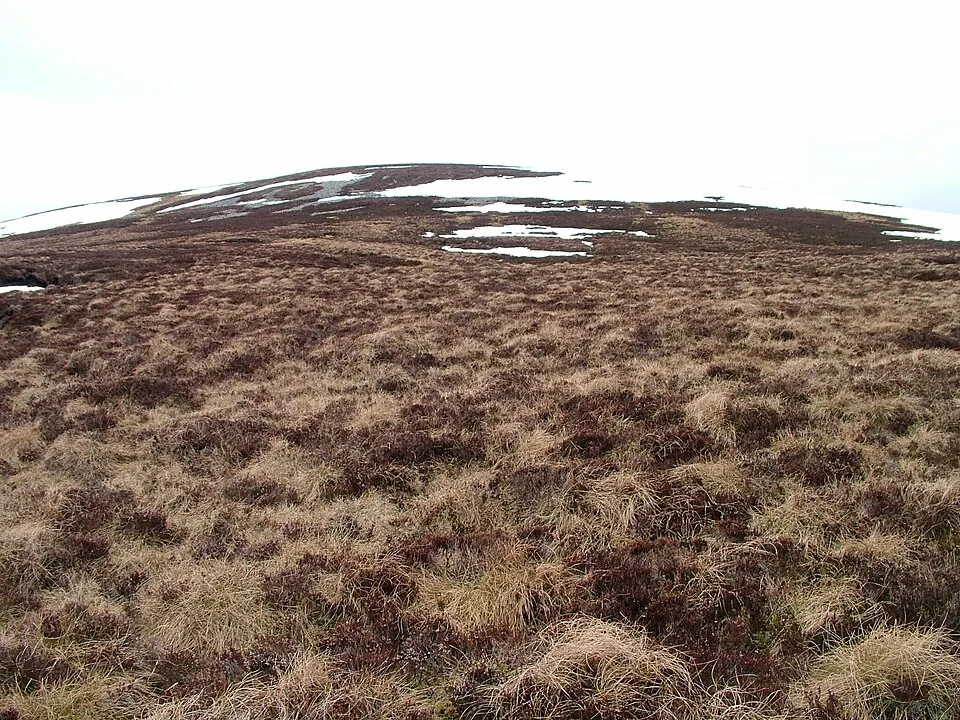
The route to Càrn an Tuirc takes you through habitat typical of the eastern Cairngorms, from heather moorland to high montane plateau. The lower slopes support extensive heather interspersed with grasses and occasional wet areas with cotton grass. Red deer are common throughout, and you're likely to see groups on the open hillsides and even at higher elevations. Red grouse inhabit the heather moorland, their calls distinctive across the slopes.
Mountain hares are present on the higher ground, changing from brown summer coats to white winter camouflage. As you climb onto Càrn an Tuirc proper, vegetation becomes sparse and specialized—montane heath with bilberry, crowberry, and cushion plants adapted to the harsh exposure. Ptarmigan inhabit the summit zone above 900 metres, often allowing close approach before bursting into flight.
Buzzards circle overhead, and golden eagles, while less common, do hunt across these plateaus. The relatively dry climate of the eastern Cairngorms supports plant communities distinct from the wetter west—hardy heathers and grasses rather than lush mosses. The high plateau supports rare lichens and mosses of conservation importance.
Càrn an Tuirc demands serious preparation and should only be attempted by fit, experienced hillwalkers with solid…
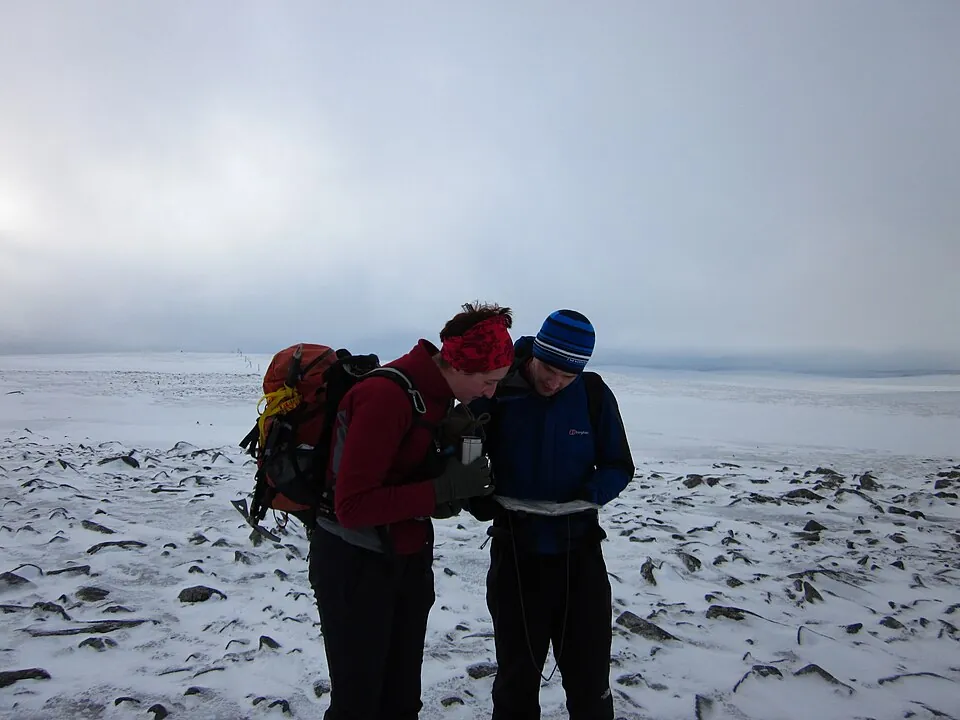
Càrn an Tuirc demands serious preparation and should only be attempted by fit, experienced hillwalkers with solid navigation skills. The 26.7-kilometre White Mounth circuit taking 9 to 12 hours requires substantial stamina and determination. Navigation equipment is essential—carry map, compass, and ideally GPS, and be expert in their use. The featureless plateau terrain is notoriously difficult to navigate in poor visibility, where mistakes can have serious consequences.
Pack adequate food and water for a very long day, plus emergency rations. Càrn an Tuirc sits in remote, exposed country where weather can deteriorate rapidly—carry multiple warm layers, full waterproofs, and spare clothing even if starting in sunshine. Mobile phone signal is unreliable or absent, so you cannot depend on calling for help. The moderate bog level means waterproof boots are essential, and gaiters are valuable in wet conditions.
Start early to ensure comfortable daylight for the full circuit. Tell someone your route and expected return time before setting out. The remoteness and commitment mean self-sufficiency is critical—be prepared to navigate off the hill in deteriorating conditions without external assistance.
Explore more peaks near Cairngorms.
Common questions about climbing Càrn an Tuirc.
Càrn an Tuirc stands at 1,019 metres (3,343 feet), making it the 117th tallest of all 282 Munros in Scotland.
The name Càrn an Tuirc translates from Scottish Gaelic as “Cairn of the Boar”.
Climbing Càrn an Tuirc typically takes between 9.4 and 12.2 hours round trip. This varies with fitness, weather, and the route chosen.
There is dedicated parking at the standard starting point for the main route up Càrn an Tuirc, in the Cairngorms area. The exact car park location, map pin and arrival guidance are in the free Munros app.
Càrn an Tuirc is rated Hard (difficulty 4/5).
The most popular route up Càrn an Tuirc covers 26.7km, 9.4–12.2 hours round trip.
Càrn an Tuirc (difficulty 4/5 at 1,019m) is best suited to experienced hillwalkers in the Cairngorms area. Expect sustained steep terrain and the need for confident navigation in poor visibility.
Càrn an Tuirc is in the Cairngorms region of Scotland. Nearby Munros include A' Bhuidheanach Bheag, A' Chailleach (Monadhliath), A' Mharconaich.
Step-by-step directions, GPS navigation, exact parking and offline maps for Càrn an Tuirc — free in the Munros app.
Free — Download on theApp StoreTrack all 282 Munros, plan routes, and log every summit. Join 2,400+ hillwalkers already using Munros.app.