Creag Leacach
987m
Cairngorms
“Slabby Rock”
987mHeight
14.4kmRound trip
6.3–8.2hWalk time
ModerateDifficulty 2/5
Photo: GeographBot · CC BY-SA 2.0
“Slabby Rock”
Creag Leacach is a 987m Munro in the Cairngorms region, its Gaelic name meaning “slabby rock”. It stands 164th of the 282 Munros by height. The usual ascent — Creag Leacach and Glas Maol from Glenshee — is a 14.4km round trip taking 6.3–8.2 hours, rated moderate (2/5).
There are 2 routes to the summit of Creag Leacach, ranging from 14.4km.
The ascent of Creag Leacach from Glenshee Ski Centre offers one of the more accessible routes into the eastern…
The ascent of Creag Leacach from Glenshee Ski Centre offers one of the more accessible routes into the eastern Cairngorms, though it remains a substantial mountain day. The 14.4-kilometre route to Creag Leacach and Glas Maol takes 6-8 hours and benefits from the high starting elevation of the ski centre, saving significant initial climbing.
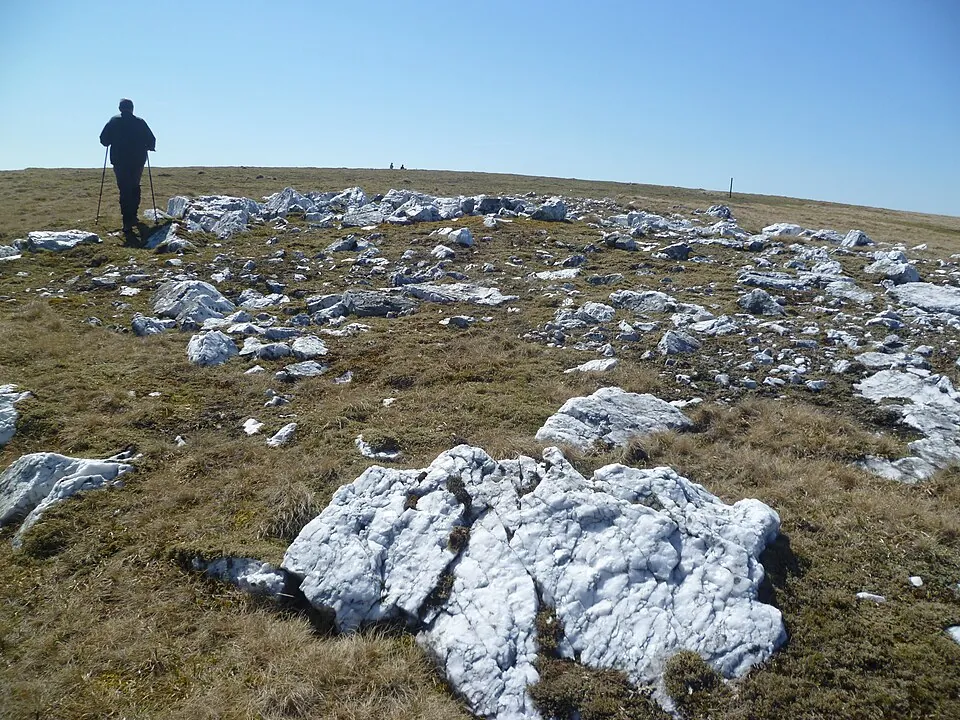
The terrain on Creag Leacach is characterized by the mountain's Gaelic name, meaning Slabby Rock, with sections of smooth rock slabs interspersed with grassy slopes and stony paths. The ground underfoot is generally dry, a welcome feature of this eastern location where rainfall is lower than the western Highlands. The gradient is steady and manageable, with the 2/5 difficulty rating reflecting well-defined paths and moderate technical demands.
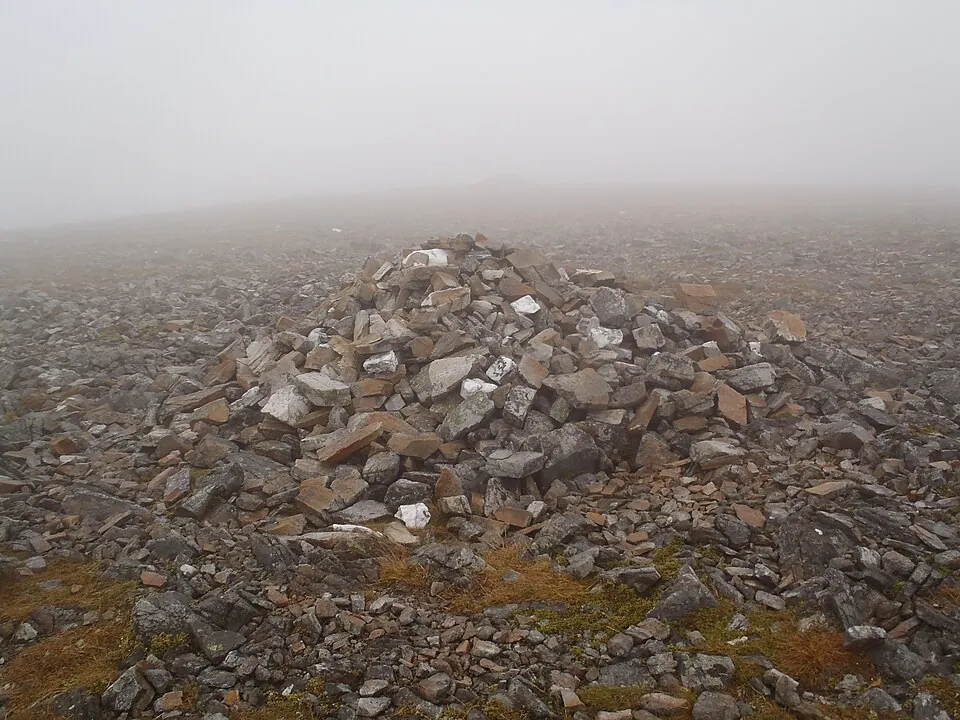
Creag Leacach's 987-metre summit is often climbed in combination with neighbouring peaks, as the high plateau allows for efficient ridge walking. The terrain becomes more exposed and stony as you approach Creag Leacach's top, where the characteristic rocky slabs create an interesting and distinctive summit environment.
Creag Leacach is accessible across a longer season than many Munros, thanks to its relatively moderate difficulty and…
Creag Leacach is accessible across a longer season than many Munros, thanks to its relatively moderate difficulty and the high starting point at Glenshee Ski Centre. Late spring through early autumn provides the most reliable conditions for climbing Creag Leacach, with May to September offering extended daylight and generally stable weather patterns.
The eastern Cairngorms location means Creag Leacach experiences drier conditions than western peaks, though weather can still change rapidly at this 987-metre altitude. Summer brings 17-hour days, ample for the 6-8 hour route, while the June-July period also means encountering fewer midges than in the western Highlands. Autumn on Creag Leacach can be spectacular, with clear, crisp days and the first dustings of snow adding drama to the landscape.
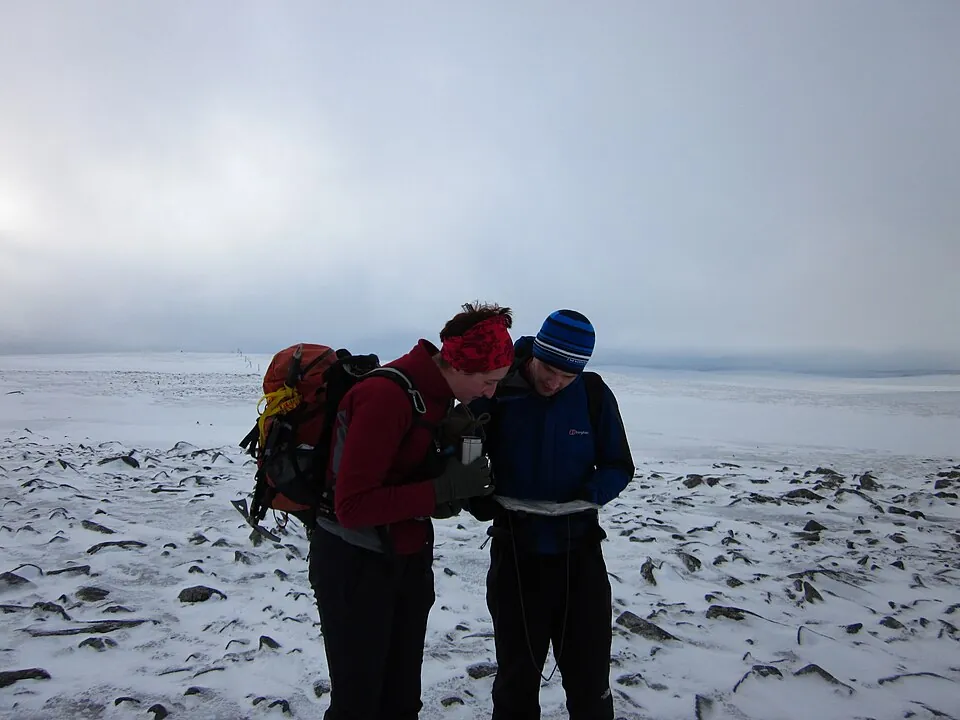
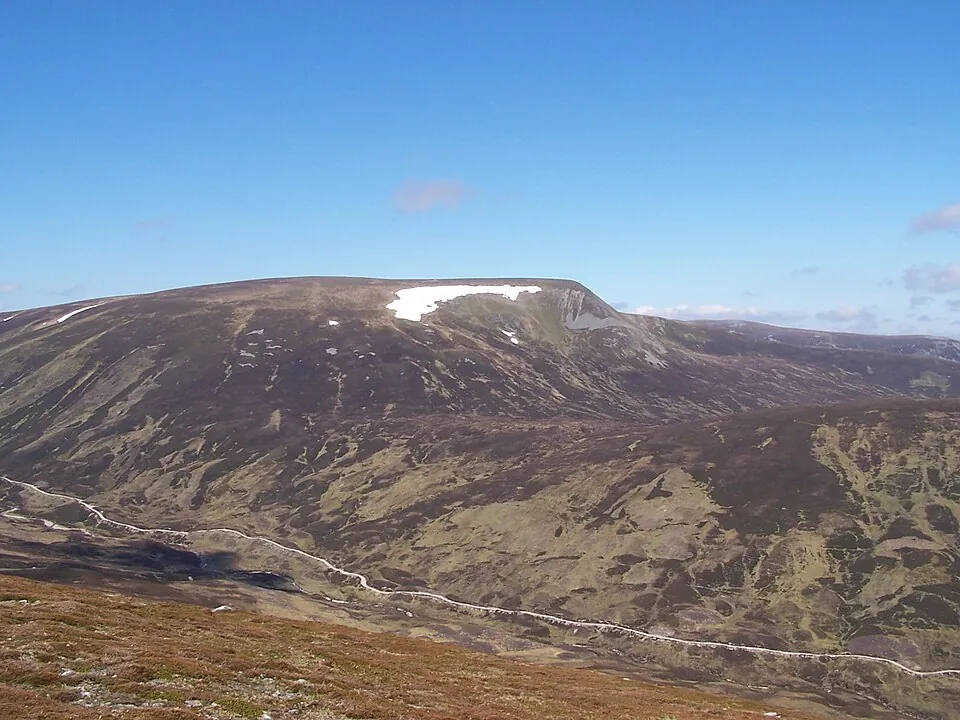
Winter transforms Creag Leacach into a serious mountaineering objective, with the slabby rocks becoming treacherous under ice and snow, requiring crampons, ice axe, and winter skills. Early season climbers should be aware that snow can linger on Creag Leacach well into May. Always check the mountain forecast, as high winds can make the exposed summit ridge unpleasant or dangerous.
Access to Creag Leacach begins at Glenshee Ski Centre, one of Scotland's most convenient mountain starting points.…
Access to Creag Leacach begins at Glenshee Ski Centre, one of Scotland's most convenient mountain starting points. Located directly on the A93 between Blairgowrie and Braemar, at the highest point of this major through-route, Glenshee Ski Centre sits at approximately 650 metres elevation. This high start significantly reduces the climbing required to reach Creag Leacach's 987-metre summit.
The A93 is a well-maintained A-road, though it can be closed in severe winter weather, and caution is required when snow or ice is present. Glenshee is approximately 30 miles from both Perth and Braemar, making Creag Leacach accessible as a day trip from central Scotland or Deeside. The ski centre car park is large with good facilities including a café, toilets, and seasonal visitor services. Parking charges typically apply.
During ski season, the car park can be extremely busy, though space is usually available for hillwalkers. From Glenshee, the approach to Creag Leacach is straightforward, with well-marked paths leading onto the mountain ridge system.
The summit of Creag Leacach at 987 metres provides excellent views across the eastern Cairngorms and beyond. Standing on…
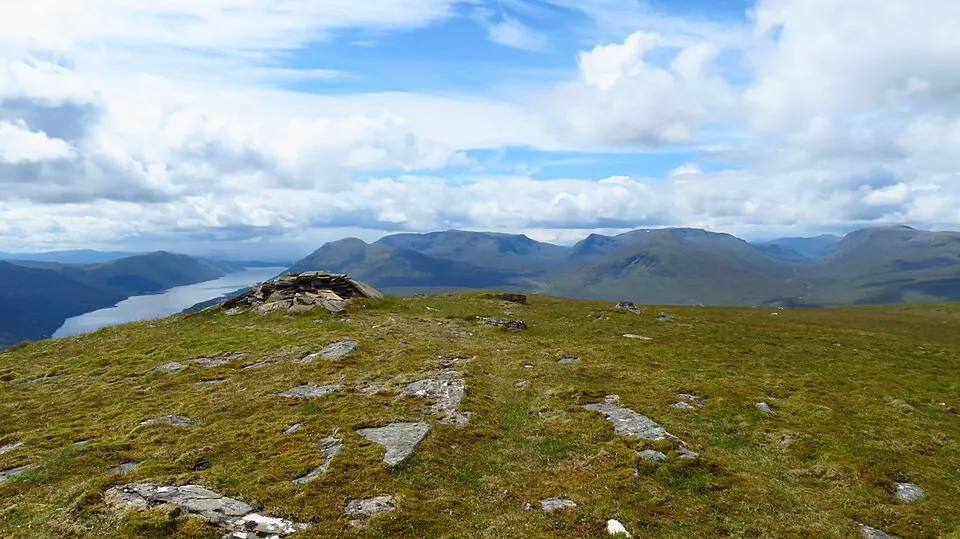
The summit of Creag Leacach at 987 metres provides excellent views across the eastern Cairngorms and beyond. Standing on Creag Leacach's rocky top, you're surrounded by the characteristic slabby outcrops that give the mountain its name, creating an interesting and textured summit environment. The views extend east towards the lowlands of Aberdeenshire, north across the Cairngorms plateau, and south down Glen Shee's distinctive U-shaped valley.
From Creag Leacach, neighbouring Glas Maol is clearly visible along the ridge, and on clear days, you can see west to the higher Cairngorms peaks and even identify Ben Nevis in the far distance. The summit area of Creag Leacach offers limited shelter, though the rocky slabs provide some protection from prevailing winds in certain spots. The cairn marks the high point on what is often a breezy ridge, and the sense of space and openness here is considerable.
The relatively dry ground and stable weather patterns of this eastern location often mean that Creag Leacach provides clearer summit views than many wetter western peaks.
The ecosystem around Creag Leacach reflects the drier climate of the eastern Cairngorms, creating plant communities…
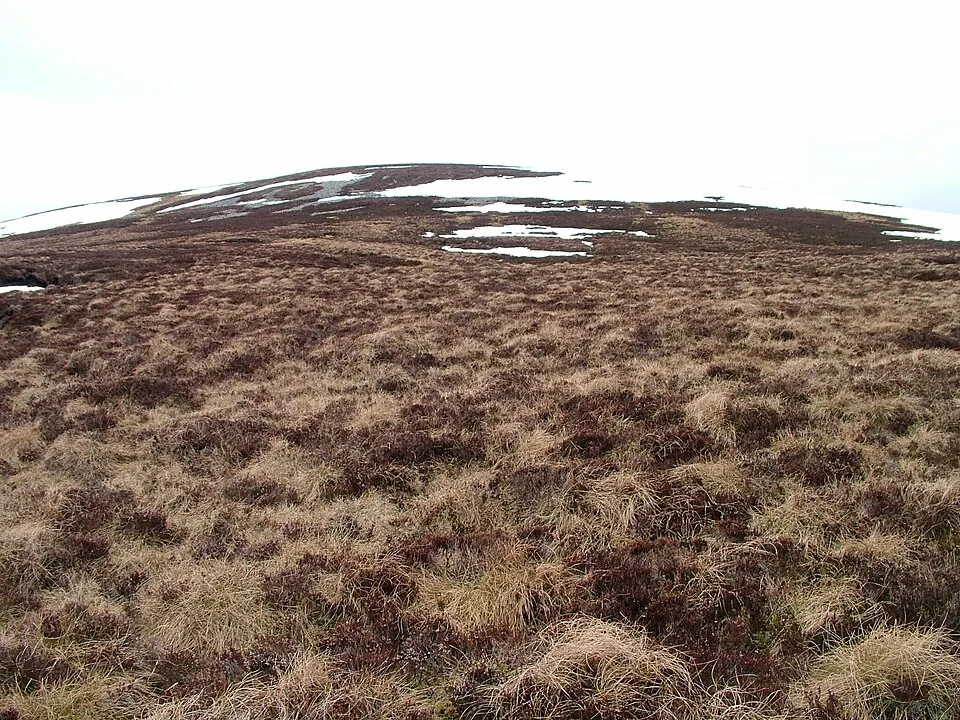
The ecosystem around Creag Leacach reflects the drier climate of the eastern Cairngorms, creating plant communities distinct from the waterlogged western Highlands. Lower slopes feature extensive heather moorland, with ling heather, bell heather, and bilberry covering the hillsides in purple and green tapestries. As you climb Creag Leacach, the vegetation transitions through zones of crowberry, bearberry, and various sedges adapted to the mountain environment.
Above 800 metres on Creag Leacach, you enter the montane zone where only the hardiest species survive, including stiff sedge, mat-grass, and various mountain mosses and lichens. Red deer are common throughout this region, and you'll often spot herds grazing on the slopes below Creag Leacach. Mountain hares inhabit the higher terrain, their brown summer coats changing to white for winter camouflage.
Ptarmigan can be found on the rocky summit areas of Creag Leacach, particularly above 900 metres, while golden eagles hunt across these mountains. Meadow pipits and skylarks are abundant in summer, and you may hear the distinctive call of red grouse from the heather moors.
Climbing Creag Leacach requires solid mountain skills despite the moderate 2/5 difficulty rating. Navigation abilities…
Climbing Creag Leacach requires solid mountain skills despite the moderate 2/5 difficulty rating. Navigation abilities are essential, particularly if mist descends on the plateau between Creag Leacach and neighbouring peaks, where the terrain becomes featureless. Carry map, compass, and ideally a GPS device or smartphone with offline maps.
The 6-8 hour duration means packing adequate food, water, and warm layers, as conditions at 987 metres can be significantly colder and windier than at the ski centre below. Even in summer, Creag Leacach's summit can be cold and exposed, so carry waterproofs, fleece, hat, and gloves. The dry terrain is a benefit, but good boots are still essential for the rocky sections and slabby outcrops that characterize Creag Leacach.
Mobile signal can be patchy, so inform someone of your plans. Start early to avoid afternoon weather deterioration and to ensure daylight descent. While Creag Leacach is more accessible than many Munros, respect the mountain environment and be prepared to turn back if conditions worsen. The high starting point at Glenshee makes descent relatively quick if needed, a valuable safety factor when climbing Creag Leacach.
Explore more peaks near Cairngorms.
Common questions about climbing Creag Leacach.
Creag Leacach stands at 987 metres (3,238 feet), making it the 164th tallest of all 282 Munros in Scotland.
The name Creag Leacach translates from Scottish Gaelic as “Slabby Rock”.
Climbing Creag Leacach typically takes between 6.3 and 8.3 hours round trip. This varies with fitness, weather, and the route chosen — there are 2 routes to the summit.
There is dedicated parking at the standard starting point for the main route up Creag Leacach, in the Cairngorms area. The exact car park location, map pin and arrival guidance are in the free Munros app.
Creag Leacach is rated Moderate (difficulty 2/5). Route difficulty varies across the 2 available routes.
The most popular route up Creag Leacach covers 14.4km, 6.3–8.2 hours round trip. There are 2 routes to the summit in total, ranging from Moderate to Moderate difficulty.
Creag Leacach in the Cairngorms area is well suited to walkers with some hillwalking experience. Rated difficulty 2/5 at 987m, the paths are clear and the terrain is not technically demanding.
Creag Leacach is in the Cairngorms region of Scotland. Nearby Munros include A' Bhuidheanach Bheag, A' Chailleach (Monadhliath), A' Mharconaich.
Step-by-step directions, GPS navigation, exact parking and offline maps for Creag Leacach — free in the Munros app.
Free — Download on theApp StoreTrack all 282 Munros, plan routes, and log every summit. Join 2,400+ hillwalkers already using Munros.app.