Glas Maol
1,068m
Cairngorms
“Grey-Green Bare Hill”
1,068mHeight
14.4kmRound trip
6.4–8.3hWalk time
ModerateDifficulty 2/5
Photo: GeographBot · CC BY-SA 2.0
“Grey-Green Bare Hill”
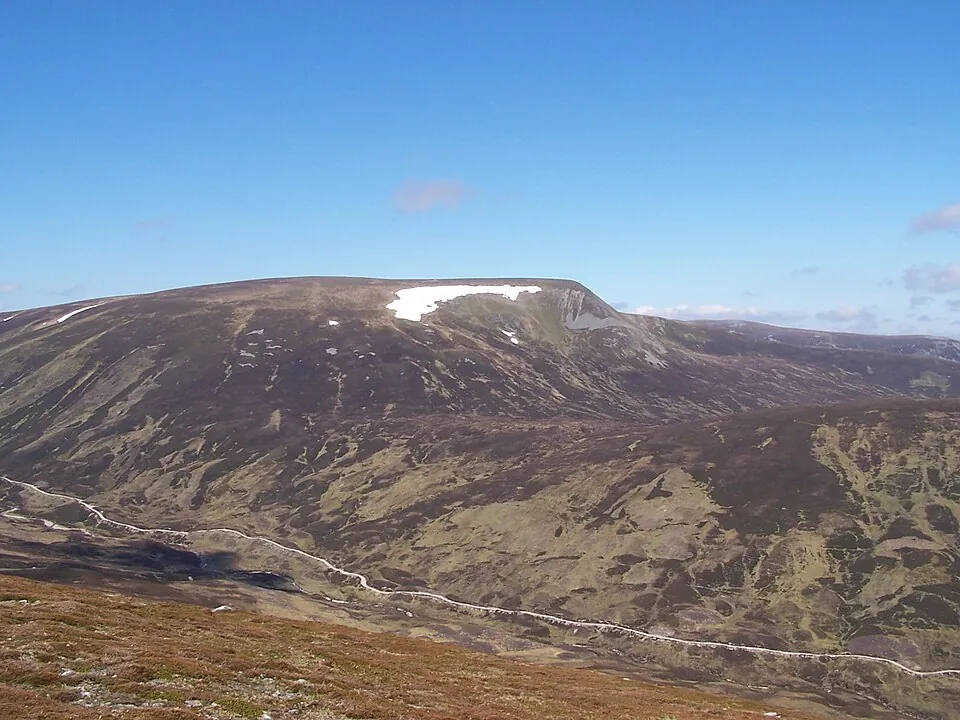
Glas Maol is a 1,068m Munro in the Cairngorms region, its Gaelic name meaning “grey-green bare hill”. It stands 71st of the 282 Munros by height. The usual ascent — Glas Maol and Creag Leacach from Glenshee — is a 14.4km round trip taking 6.4–8.3 hours, rated moderate (2/5).
There are 2 routes to the summit of Glas Maol, ranging from 14.4km.
The ascent of Glas Maol from the Glenshee Ski Centre benefits from high starting altitude, making this 1068-metre peak…
The ascent of Glas Maol from the Glenshee Ski Centre benefits from high starting altitude, making this 1068-metre peak more accessible than its height might suggest. The 14.4-kilometre routes are typically combined with Creag Leacach, taking 6-8 hours and following well-established paths across the broad plateaux of the eastern Cairngorms.
The terrain underfoot is generally dry compared to western hills, though moderate bog levels can still catch you out in drainage lines and flat sections. Glas Maol's name, Grey-Green Bare Hill, accurately describes the open, grassy character of these whale-backed ridges. Gradients are mostly gentle and steady, with no scrambling or technical sections to concern you.
The proximity to ski infrastructure means paths are well-worn and navigation is straightforward in clear conditions. The challenge of Glas Maol lies in the distance and exposure rather than technical difficulty, making it an excellent choice for building mountain fitness while enjoying spectacular Cairngorm scenery.
Glas Maol is accessible across a longer season than many Munros thanks to its relatively dry climate and excellent path…
Glas Maol is accessible across a longer season than many Munros thanks to its relatively dry climate and excellent path network. Summer offers the most reliable conditions, with long daylight hours allowing you to explore Glas Maol and neighbouring peaks comfortably. The eastern Cairngorms receive less rainfall than western ranges, making this area particularly appealing when Atlantic weather systems dominate elsewhere.
Winter transforms Glas Maol into serious mountaineering terrain, with cornices forming along ridges and snow slopes requiring crampons and ice axe. The ski centre's presence means winter access is maintained, but also attracts large numbers of winter climbers and skiers. Spring and autumn provide magnificent conditions, with April and May offering lengthening days and September and October bringing spectacular colours to the high plateau.
Early starts remain advisable even in summer for Glas Maol, as afternoon clouds frequently build over the Cairngorms, reducing visibility on these exposed summits.
Access to Glas Maol couldn't be more straightforward, with the Glenshee Ski Centre providing excellent parking…
Access to Glas Maol couldn't be more straightforward, with the Glenshee Ski Centre providing excellent parking facilities right on the A93 between Blairgowrie and Braemar. This is one of Scotland's highest public roads, meaning you start your walk to Glas Maol already at considerable altitude. The ski centre offers ample parking, though it can fill during winter ski season and busy summer weekends. Facilities including toilets and a cafe are available at the centre.
From the car park, routes to Glas Maol head directly onto the hill, following ski infrastructure initially before striking out onto the open plateau. The A93 provides excellent access from Perth and Dundee to the south or Deeside to the north. The high starting point for Glas Maol means you save considerable ascent compared to valley-bottom starts, making this an efficient choice for peak-bagging.
Just be prepared for the exposed parking area to be windy and cold even when lower elevations seem benign.
The summit of Glas Maol sits at 1068 metres, crowned by a substantial cairn on a broad, gently rounded plateau. True to…
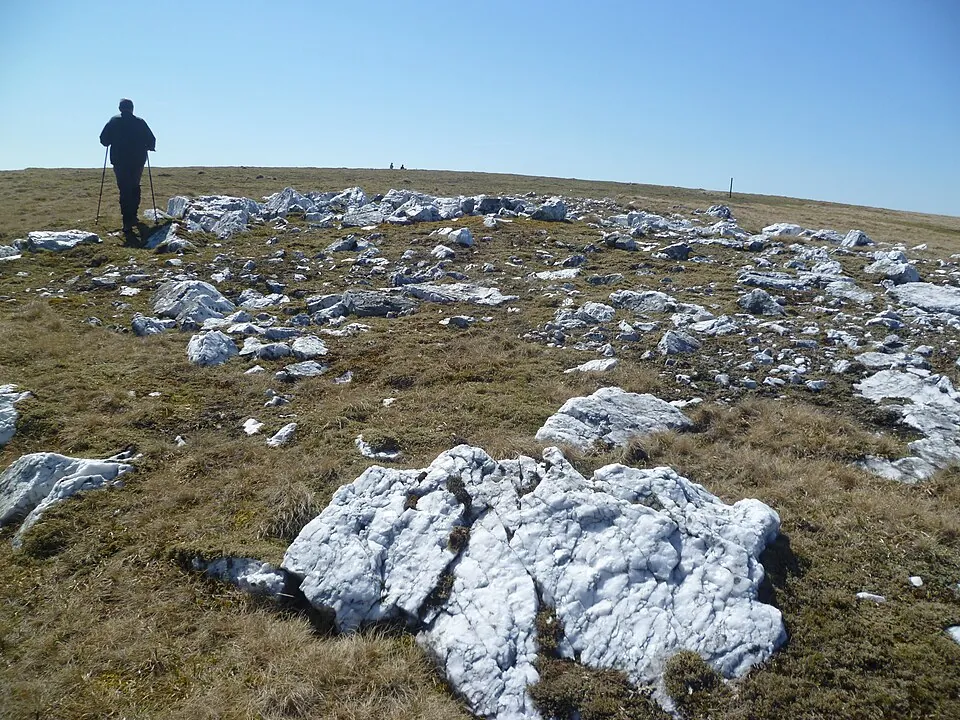
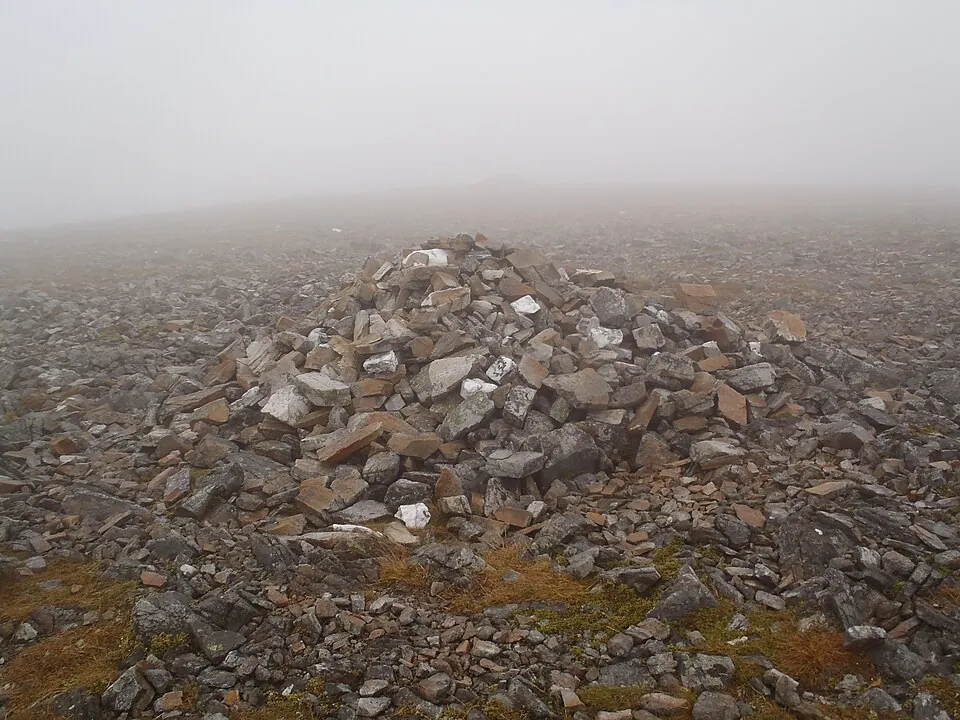
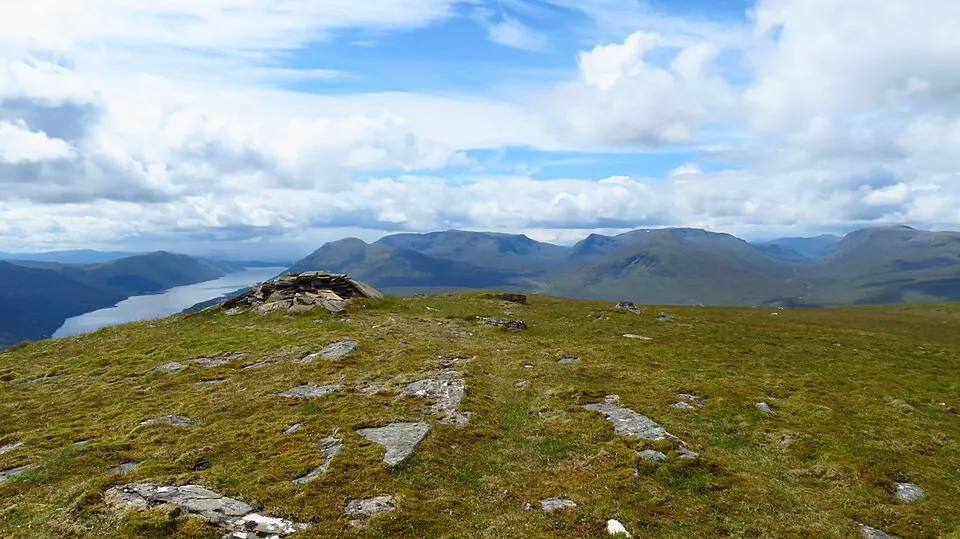
The summit of Glas Maol sits at 1068 metres, crowned by a substantial cairn on a broad, gently rounded plateau. True to its name, the Grey-Green Bare Hill is indeed bare, with short alpine grasses and lichens covering the weathered schist rocks. Views from Glas Maol are extensive in all directions, spanning the eastern Cairngorms with Lochnagar prominent to the northeast, and the Glen Shee hills rolling away to the south and west.
On exceptionally clear days, you can see east to the North Sea and west to the central Highland peaks. The summit plateau is wide and relatively featureless, offering minimal shelter from the wind that often sweeps across this exposed height. The gentle topography that makes the ascent of Glas Maol relatively straightforward also means careful navigation is essential in mist, as few distinct features help orientation.
The summit experience is one of open, big-sky mountain country, quintessentially Cairngorm in character and atmosphere.
The vegetation on Glas Maol reflects the drier climate of the eastern Cairngorms, with heather moorland dominating lower…
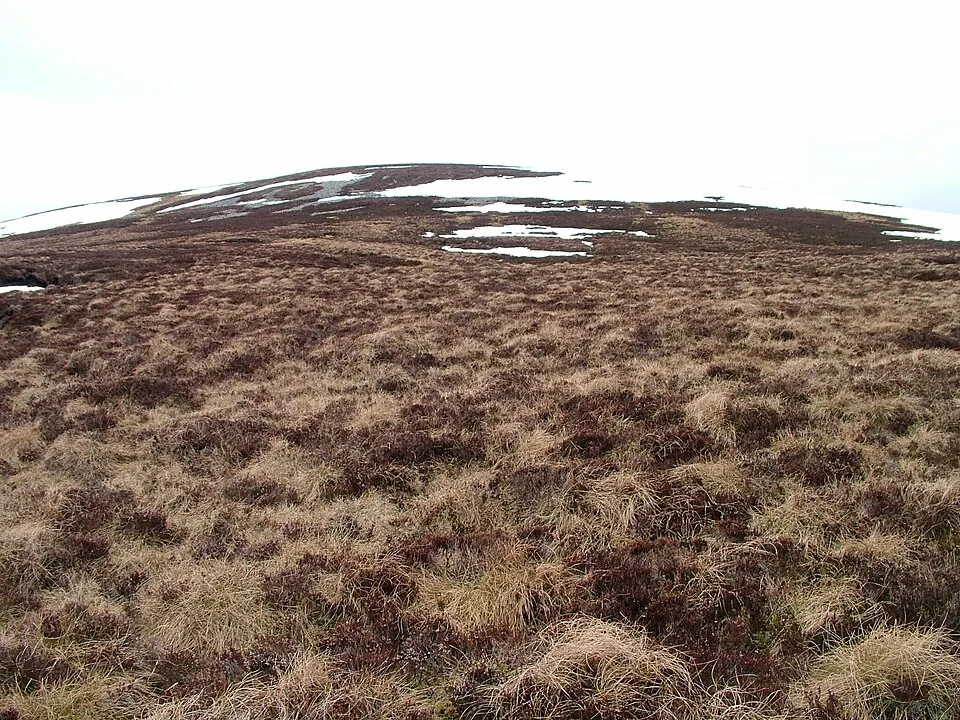
The vegetation on Glas Maol reflects the drier climate of the eastern Cairngorms, with heather moorland dominating lower slopes and giving way to montane heath at higher elevations. Bilberry, crowberry, and wavy hair-grass create a hardy plant community adapted to the exposed, windswept conditions. Red deer roam across these hills in considerable numbers, and you'll often spot herds on the open plateau of Glas Maol.
Mountain hares are present, particularly at higher altitudes where their camouflage suits the rocky, lichen-covered terrain. Ptarmigan inhabit the summit areas above 900 metres, their plumage changing seasonally from mottled brown in summer to white in winter. Golden eagles hunt across these ranges, and you may see them soaring on thermals or quartering the hillsides.
The relatively dry conditions mean fewer bog-loving plants than western hills, but alpine specialties like moss campion, trailing azalea, and alpine lady's mantle thrive in rocky crevices on Glas Maol where moisture and shelter allow.
Despite the straightforward access and moderate difficulty rating, Glas Maol demands proper preparation and mountain…
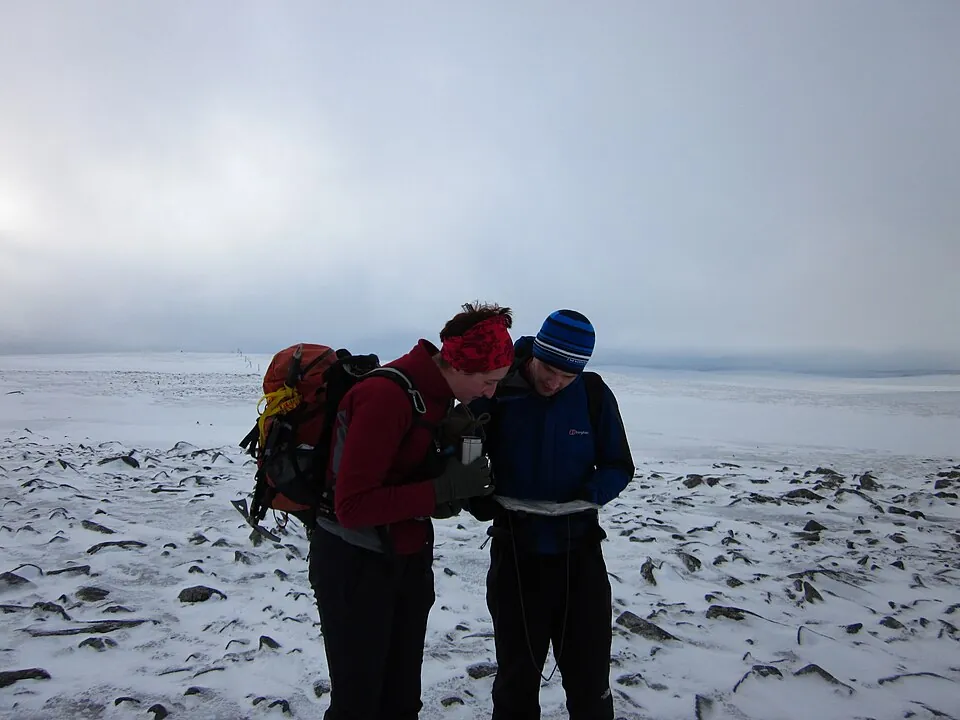
Despite the straightforward access and moderate difficulty rating, Glas Maol demands proper preparation and mountain skills. The exposed plateau is notoriously prone to rapid weather changes, with winds accelerating dramatically and visibility dropping quickly when clouds descend. Carry full navigation equipment including map, compass, and GPS, and know how to use them in whiteout conditions.
The broad, featureless terrain of Glas Maol becomes seriously disorienting in mist or snow. Pack warm layers even in summer, as temperatures on the summit can be 10-15 degrees colder than at the ski centre. Water sources are limited on the high plateau, so carry sufficient for the full route. Mobile signal is generally reasonable near the ski area but becomes patchy on Glas Maol itself.
Check the mountain weather forecast specifically, not just valley conditions, as summit weather can differ drastically. The combination of altitude, exposure, and distance means Glas Maol should be approached with respect despite its accessible reputation.
Explore more peaks near Cairngorms.
Common questions about climbing Glas Maol.
Glas Maol stands at 1,068 metres (3,504 feet), making it the 71st tallest of all 282 Munros in Scotland.
The name Glas Maol translates from Scottish Gaelic as “Grey-Green Bare Hill”.
Climbing Glas Maol typically takes between 6.3 and 8.3 hours round trip. This varies with fitness, weather, and the route chosen — there are 2 routes to the summit.
There is dedicated parking at the standard starting point for the main route up Glas Maol, in the Cairngorms area. The exact car park location, map pin and arrival guidance are in the free Munros app.
Glas Maol is rated Moderate (difficulty 2/5). Route difficulty varies across the 2 available routes.
The most popular route up Glas Maol covers 14.4km, 6.4–8.3 hours round trip. There are 2 routes to the summit in total, ranging from Moderate to Moderate difficulty.
Glas Maol in the Cairngorms area is well suited to walkers with some hillwalking experience. Rated difficulty 2/5 at 1,068m, the paths are clear and the terrain is not technically demanding.
Glas Maol is in the Cairngorms region of Scotland. Nearby Munros include A' Bhuidheanach Bheag, A' Chailleach (Monadhliath), A' Mharconaich.
Step-by-step directions, GPS navigation, exact parking and offline maps for Glas Maol — free in the Munros app.
Free — Download on theApp StoreTrack all 282 Munros, plan routes, and log every summit. Join 2,400+ hillwalkers already using Munros.app.