Home Features Explore Munros Munro Map Reviews Get the App

Glas Tulaichean

1,051m Cairngorms

“Grey-Green Hillocks”

1,051mHeight
30.7kmRound trip
8.1–10.5hWalk time
ModerateDifficulty 2/5
Community
conditions
No reports yet — be the first to log this Munro
Log a climb
Track this summit
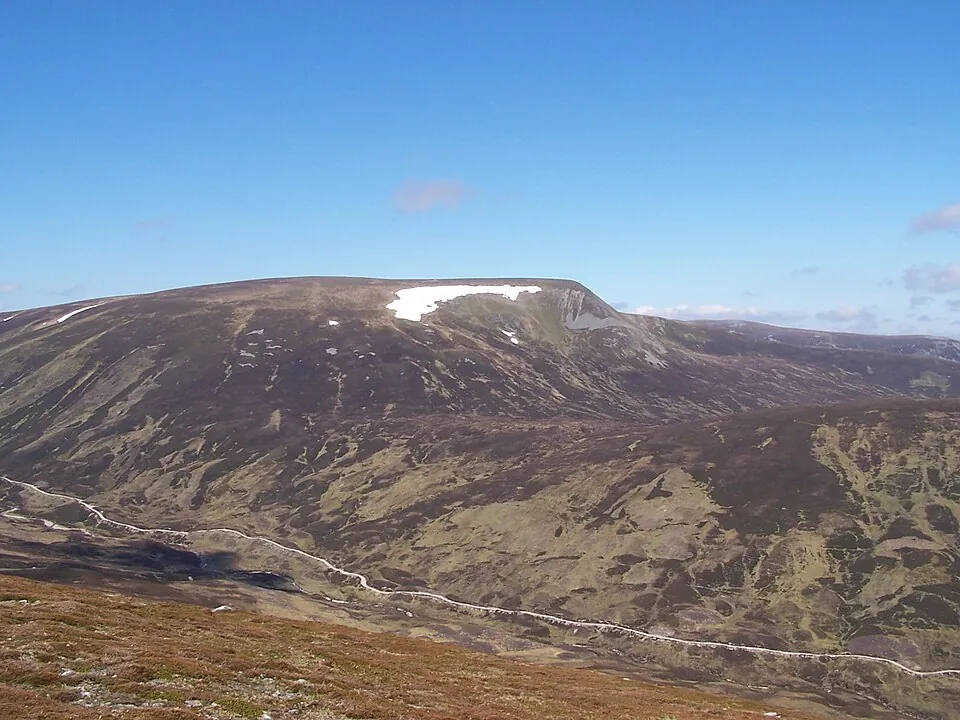
Photo: GeographBot · CC BY-SA 2.0
Overview

About this Munro

Glas Tulaichean is a 1,051m Munro in the Cairngorms region, its Gaelic name meaning “grey-green hillocks”. It stands 82nd of the 282 Munros by height. The usual ascent — Glas Tulaichean and Càrn an Rìgh from Glenshee — is a 30.7km round trip taking 8.1–10.5 hours, rated moderate (2/5).

Height rank82nd of 282
Coordinates56.8659°N 3.5567°W
OS Grid RefNO 051 760
GPS routes in the appSummit location — full route lines, parking pins & offline maps in the free app.
Plan your day

Routes & Navigation

There are 2 routes to the summit of Glas Tulaichean, ranging from 22.4km.

Route preview

Glas Tulaichean and Càrn an Rìgh from Glenshee

Moderate
8.1–10.5h round trip30.7km distance↑841m ascent
Bog ratingModerate
ParkingGlenshee Ski Centre
Step-by-step guideIn the app
Route preview

Càrn an Rìgh and Glas Tulaichean from Spittal of Glenshee

Moderate
8–10.4h round trip22.4km distance↑841m ascent
Bog ratingModerate
ParkingSpittal of Glenshee
Step-by-step guideIn the app

Climbing Glas Tulaichean

The ascent of Glas Tulaichean presents a significant challenge in terms of sheer distance, with routes from Glenshee Ski…

The ascent of Glas Tulaichean presents a significant challenge in terms of sheer distance, with routes from Glenshee Ski Centre or Spittal of Glenshee covering 22-30 kilometres depending on whether you combine it with Càrn an Rìgh. This Grey-Green Hillock sits remote from quick access, requiring commitment and stamina for what is typically an 8-10 hour expedition.

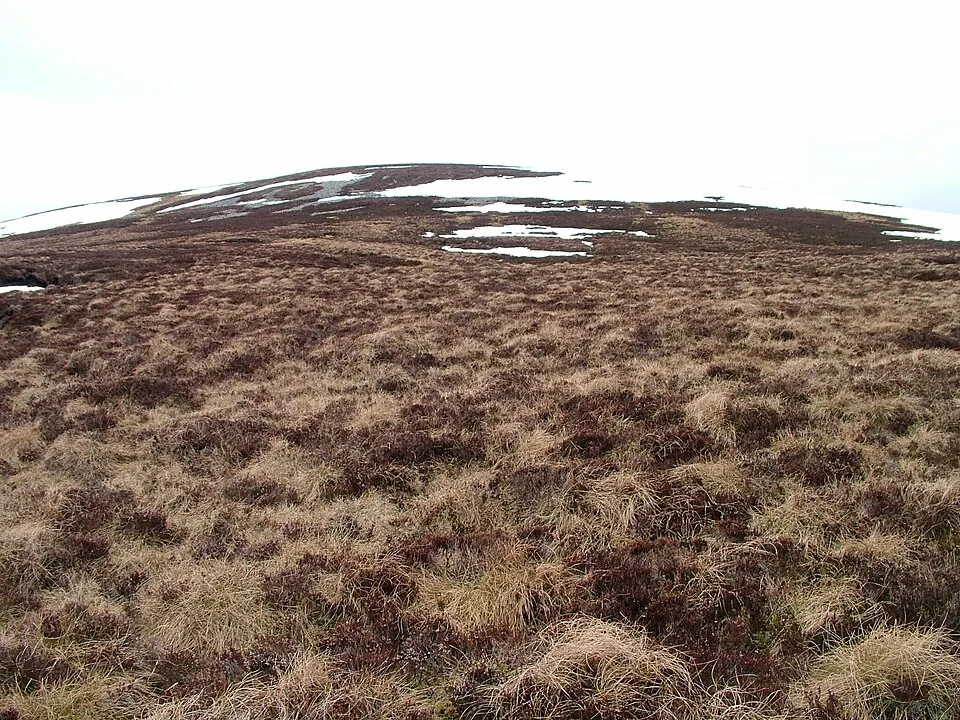
The terrain underfoot varies from good stalkers' paths to boggy moorland, with moderate to high bog levels in places despite the relatively dry eastern Cairngorms climate. Gradients are generally gentle and steady rather than steep, reflecting the rounded, plateau-like character of these eastern hills. The paths are reasonable where they exist, but sections of Glas Tulaichean require crossing pathless, featureless ground where navigation becomes critical.

The mountain rewards patient, methodical progress rather than speed, with the cumulative distance testing endurance. The remote setting provides genuine wilderness atmosphere, far from crowds and infrastructure once you leave the ski centre behind.

Best Time to Climb Glas Tulaichean

Glas Tulaichean is best attempted during the long days of late spring through early autumn, as the considerable…

Glas Tulaichean is best attempted during the long days of late spring through early autumn, as the considerable distances involved demand ample daylight. Summer provides the most reliable conditions and longest days for tackling this remote peak, though even June can bring changeable Cairngorm weather. The eastern location means Glas Tulaichean receives less rainfall than western ranges, making it a good choice when Atlantic weather systems dominate elsewhere.

Winter ascents are serious undertakings, with shortened daylight severely limiting the time available for such long routes, and snow conditions requiring full winter mountaineering skills. Spring brings fresh growth to the moorlands but also unpredictable conditions, with snow persisting at altitude well into May. Autumn offers spectacular colours and often settled weather in September, but October brings rapidly shortening days.

Whatever season you choose for Glas Tulaichean, an early start is essential, and you must be prepared for the Cairngorms' notorious ability to generate their own weather systems regardless of valley forecasts.

Getting to Glas Tulaichean

Access to Glas Tulaichean begins either from the Glenshee Ski Centre on the A93 or from Spittal of Glenshee village…

Access to Glas Tulaichean begins either from the Glenshee Ski Centre on the A93 or from Spittal of Glenshee village slightly further south. The Glenshee Ski Centre offers ample parking and facilities including toilets and a cafe, starting you at high altitude but resulting in a 30-kilometre round trip. Spittal of Glenshee provides alternative parking with a slightly shorter approach, around 22 kilometres, but from lower elevation.

Both access points lie on the A93, easily reached from Perth and Dundee to the south or Deeside to the north. The ski centre is one of Scotland's highest roadheads, meaning you begin at considerable altitude. Parking can be competitive during ski season and summer weekends, so early arrival is advisable for Glas Tulaichean.

Once you leave the road, you're committing to a very long day with limited escape routes, so ensure your fitness and preparation are adequate before setting out on this remote and demanding peak.

Glas Tulaichean Summit

At 1051 metres, the summit of Glas Tulaichean sits on a broad, gently rounded plateau typical of the eastern Cairngorms.…

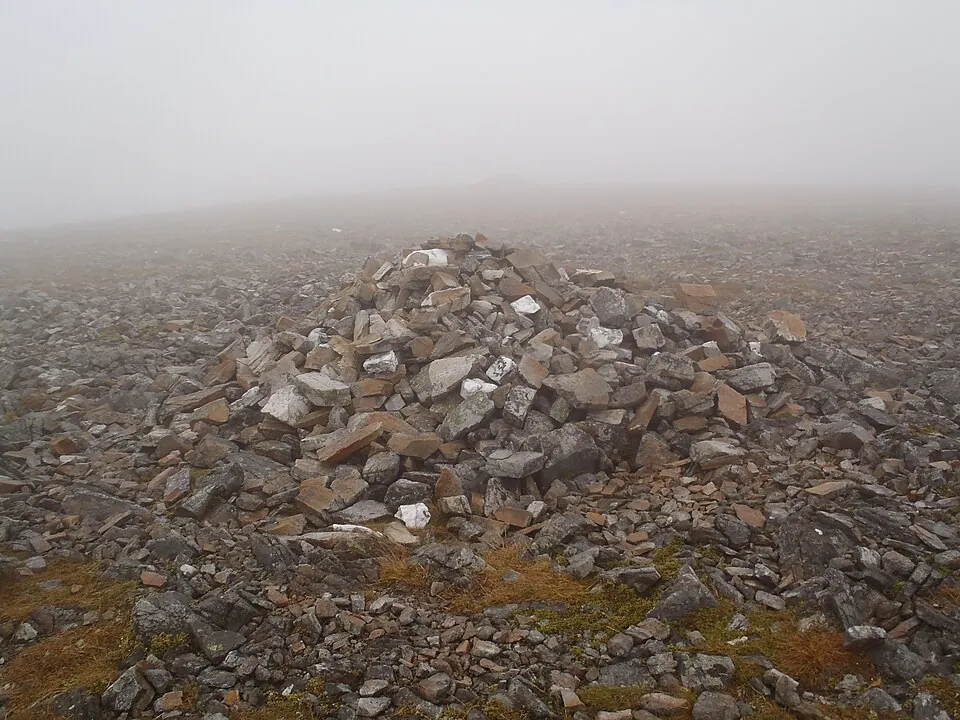
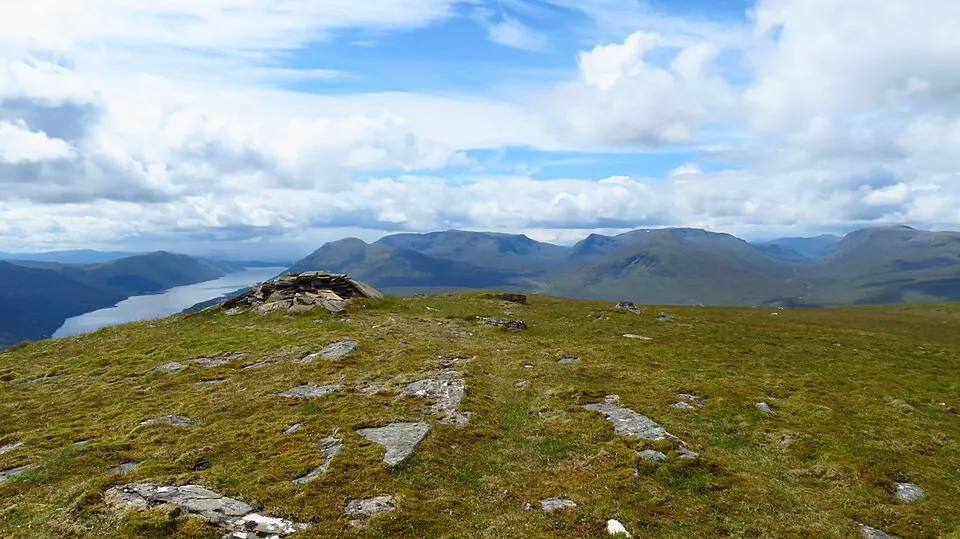
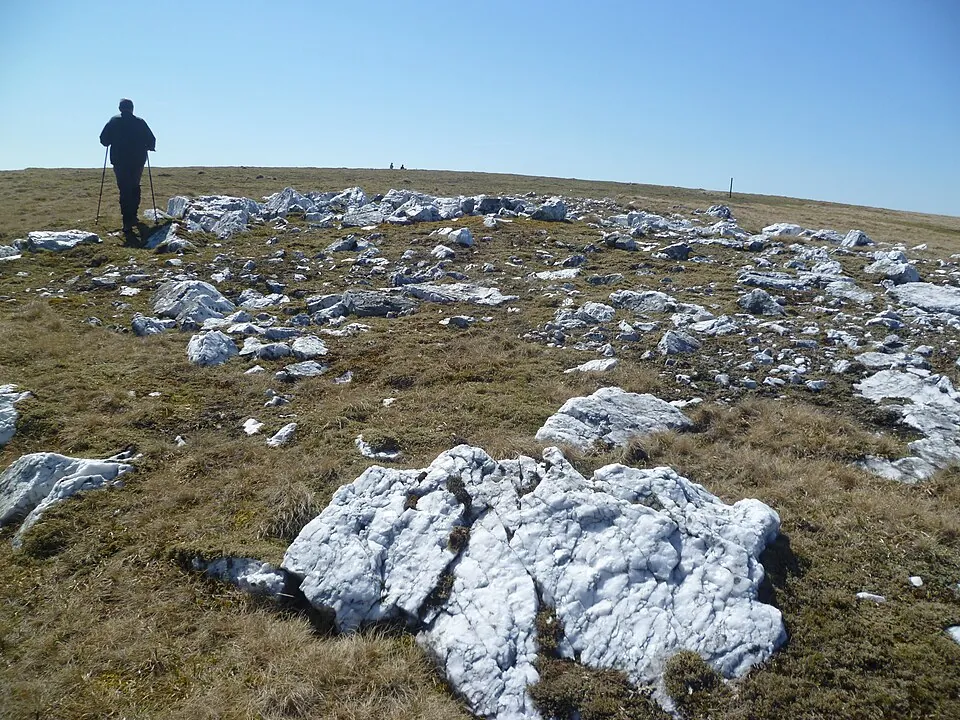
At 1051 metres, the summit of Glas Tulaichean sits on a broad, gently rounded plateau typical of the eastern Cairngorms. The name Grey-Green Hillocks perfectly captures the undulating character of this high ground, with the summit cairn marking the highest point of several similar rounded tops. Views extend across the eastern Cairngorms, with Lochnagar prominent to the northeast and the Glen Shee hills rolling away in other directions.

On clear days, you can see tremendous distances across the relatively flat summit plateau of Glas Tulaichean, though the gentle topography offers few dramatic vistas or plunging cliffs. Shelter is minimal on this exposed height, where winds can be fierce even when lower elevations seem calm. The summit experience is one of remoteness and space, with the long approach ensuring you've earned the sense of wilderness.

The featureless nature of the plateau demands careful navigation, as it's surprisingly easy to wander off-route when visibility deteriorates on Glas Tulaichean.

Wildlife on Glas Tulaichean

The vegetation on Glas Tulaichean reflects the eastern Cairngorms' relatively dry climate, with heather-dominated…

The vegetation on Glas Tulaichean reflects the eastern Cairngorms' relatively dry climate, with heather-dominated moorland on lower slopes transitioning to montane heath at higher elevations. Bilberry, crowberry, and bearberry create hardy communities adapted to the harsh, windswept conditions. Red deer are abundant across these hills, and you're virtually guaranteed to see herds during your approach to Glas Tulaichean.

Mountain hares inhabit the higher ground, their populations supporting predators including golden eagles and foxes. Ptarmigan are present above 900 metres, though their excellent camouflage makes them easy to miss unless they burst from underfoot with their distinctive rattling call. The birdlife of Glas Tulaichean includes meadow pipits and skylarks on the lower moors, while dotterel occasionally breed on the high plateaux.

Alpine plants including moss campion and alpine lady's mantle cling to rocky outcrops where microclimates provide shelter. The drier conditions mean less luxuriant vegetation than western hills, but a distinctive and beautiful flora perfectly adapted to exposure and altitude.

Glas Tulaichean Tips

The extreme distances involved in climbing Glas Tulaichean demand meticulous planning and strong mountain fitness.…

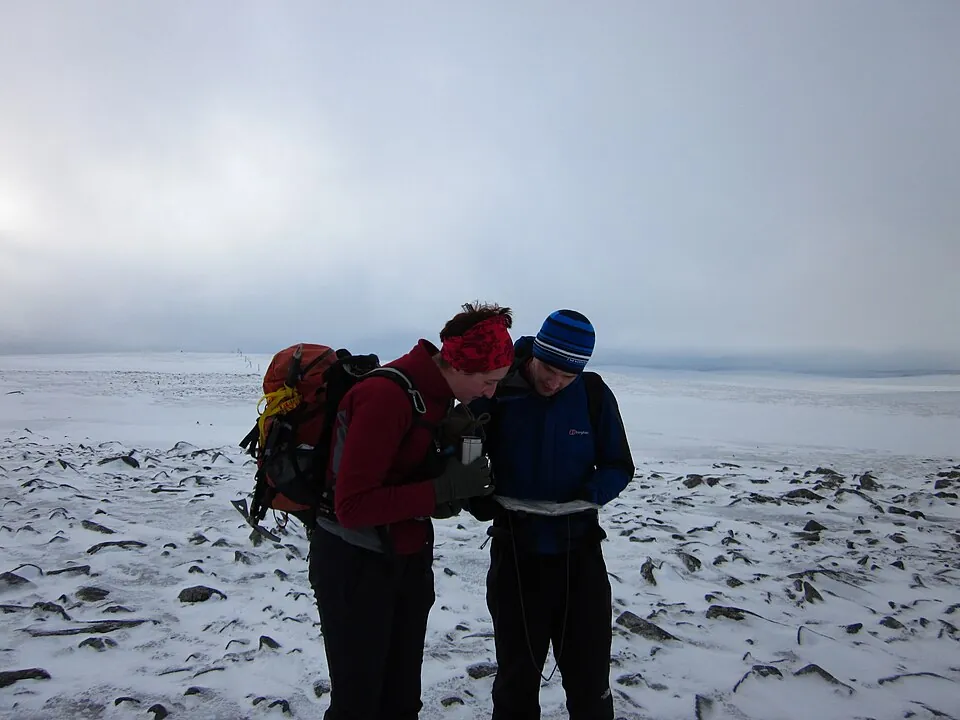
The extreme distances involved in climbing Glas Tulaichean demand meticulous planning and strong mountain fitness. Navigation skills are absolutely critical, as the featureless terrain becomes dangerously disorienting in poor visibility. Carry map, compass, and GPS, and be confident using them in challenging conditions. Pack sufficient food and water for a very long day, as reliable water sources are limited on the high ground.

Emergency supplies including shelter, spare clothing, headtorch, and first aid kit are essential for a route of this seriousness. Mobile signal is patchy across much of the route to Glas Tulaichean, so inform someone of your plans and expected return time. Weather on the exposed Cairngorm plateau can change rapidly, with winds strengthening dramatically and visibility dropping to metres. Even in summer, pack full waterproofs and warm layers.

The sheer length of the route means you must start early and maintain a steady pace to ensure you're off the hill before darkness, particularly in spring and autumn when daylight hours are limited.
Frequently Asked Questions

Common questions about climbing Glas Tulaichean.

How tall is Glas Tulaichean?

Glas Tulaichean stands at 1,051 metres (3,448 feet), making it the 82nd tallest of all 282 Munros in Scotland.

What does Glas Tulaichean mean in Gaelic?

The name Glas Tulaichean translates from Scottish Gaelic as “Grey-Green Hillocks”.

How long does it take to climb Glas Tulaichean?

Climbing Glas Tulaichean typically takes between 8 and 10.5 hours round trip. This varies with fitness, weather, and the route chosen — there are 2 routes to the summit.

Where do I park for Glas Tulaichean?

There is dedicated parking at the standard starting point for the main route up Glas Tulaichean, in the Cairngorms area. The exact car park location, map pin and arrival guidance are in the free Munros app.

How difficult is Glas Tulaichean to climb?

Glas Tulaichean is rated Moderate (difficulty 2/5). Route difficulty varies across the 2 available routes.

What is the best route up Glas Tulaichean?

The most popular route up Glas Tulaichean covers 22.4km, 8–10.4 hours round trip. There are 2 routes to the summit in total, ranging from Moderate to Moderate difficulty.

Is Glas Tulaichean good for beginners?

Glas Tulaichean in the Cairngorms area is well suited to walkers with some hillwalking experience. Rated difficulty 2/5 at 1,051m, the paths are clear and the terrain is not technically demanding.

What region is Glas Tulaichean in?

Glas Tulaichean is in the Cairngorms region of Scotland. Nearby Munros include A' Bhuidheanach Bheag, A' Chailleach (Monadhliath), A' Mharconaich.

Start your journey

Ready to bag
them all?

Track all 282 Munros, plan routes, and log every summit. Join 2,400+ hillwalkers already using Munros.app.

Download for iPhone Free on the App Store