Home Features Explore Munros Munro Map Reviews Get the App

Lochnagar

1,155m Cairngorms

“Rocky Lake”

1,155mHeight
27.6kmRound trip
8.2–10.7hWalk time
ModerateDifficulty 2/5
Community
conditions
No reports this month · last climbed 12 Jun — be the first to log this Munro
Log a climb
Track this summit
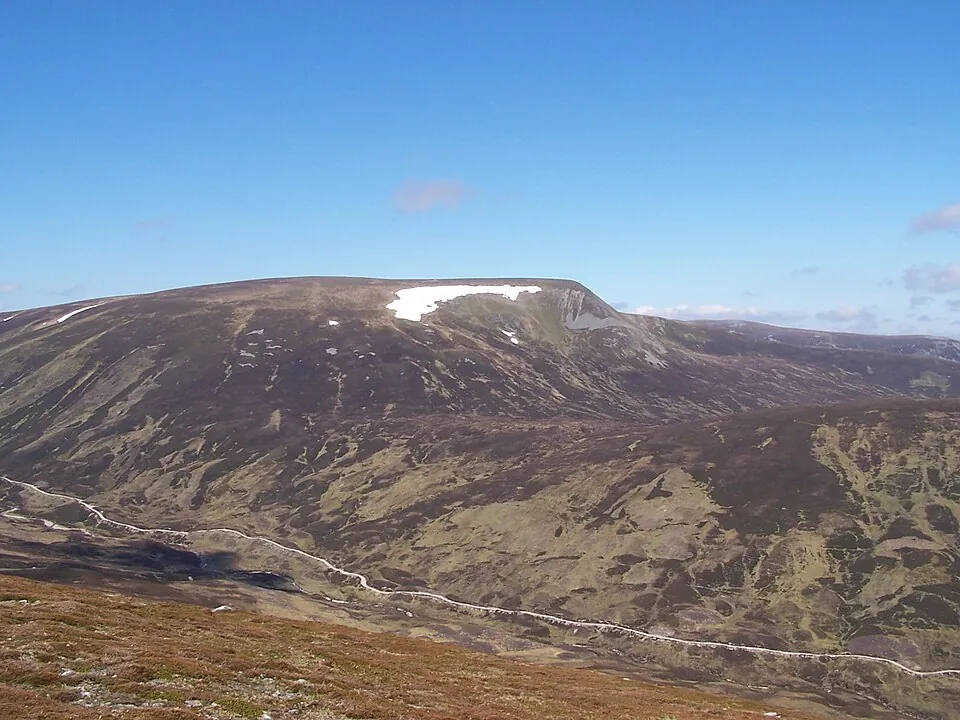
Photo: Nacho Canales · CC BY-SA 4.0
Overview

About this Munro

Lochnagar is a 1,155m Munro in the Cairngorms region, its Gaelic name meaning “rocky lake”. It stands 22nd of the 282 Munros by height. The usual ascent — Lochnagar via Meikle Pap from Spittal of Glenmuick — is a 27.6km round trip taking 8.2–10.7 hours, rated moderate (2/5).

Height rank22nd of 282
Coordinates56.9592°N 3.2406°W
OS Grid RefNO 246 860
GPS routes in the appSummit location — full route lines, parking pins & offline maps in the free app.
Plan your day

Routes & Navigation

There are 2 routes to the summit of Lochnagar, ranging from 27.6km.

Route preview

Lochnagar via Meikle Pap from Spittal of Glenmuick

Moderate
8.2–10.7h round trip27.6km distance↑924m ascent
Bog ratingModerate
ParkingSpittal of Glenmuick
Step-by-step guideIn the app
Route preview

White Mounth circuit from Glen Muick

Hard
9.7–12.6h round trip36km distance↑924m ascent
Bog ratingModerate
ParkingSpittal of Glen Muick Car Park
Step-by-step guideIn the app

Climbing Lochnagar

The ascent of Lochnagar from Spittal of Glenmuick is a classic Cairngorms expedition, covering substantial distances…

The ascent of Lochnagar from Spittal of Glenmuick is a classic Cairngorms expedition, covering substantial distances through magnificent mountain scenery. Routes range from 27 to 36 kilometres depending on whether you tackle Lochnagar alone or include it in the White Mounth circuit. The mountain features well-established paths for much of the way, though moderate bog levels can affect sections of the approach.

The route via Meikle Pap offers the most direct ascent to Lochnagar, with gradients that are steady and sustained rather than brutally steep. The famous corrie with its dark lochan provides a dramatic backdrop to the climb, with impressive cliffs and the rocky summit tower above. The paths are generally good but become rockier and steeper as you approach Lochnagar's summit plateau.

The distance and cumulative ascent demand good fitness and stamina, with the time estimates of 8-12 hours reflecting the serious commitment required. This is big mountain walking at its finest, requiring respect for the scale and remoteness of these eastern Cairngorms.

Best Time to Climb Lochnagar

Lochnagar is accessible across a long season, though the substantial distances involved make summer the preferred time…

Lochnagar is accessible across a long season, though the substantial distances involved make summer the preferred time for most hillwalkers. The eastern Cairngorms receive less rainfall than western ranges, making Lochnagar a good choice when Atlantic weather dominates elsewhere. Summer provides long daylight hours essential for the extended routes, though afternoon clouds frequently build over the Cairngorms.

Winter transforms Lochnagar into serious mountaineering terrain, with the great corrie filling with snow and ice, and the cliffs becoming major winter climbing venues. The routes become winter expeditions requiring full skills and equipment, with avalanche risk and severe conditions. Spring and autumn offer magnificent conditions, with May seeing the last of winter snow and September bringing spectacular colours to the glens below Lochnagar.

The mountain's royal associations mean it sees heavy use in summer, so consider weekdays or shoulder seasons for a quieter experience. Whatever the season, start early for Lochnagar, as these distances demand the majority of a day even in midsummer.

Getting to Lochnagar

Access to Lochnagar begins from the Spittal of Glenmuick car park at the end of the public road running west from…

Access to Lochnagar begins from the Spittal of Glenmuick car park at the end of the public road running west from Ballater on Royal Deeside. The car park offers excellent facilities including toilets and information boards, though it can fill early on summer weekends given Lochnagar's popularity. Ballater is easily reached via the A93 from Aberdeen or Braemar, with good facilities in the village for pre- or post-climb refreshments.

From the car park, routes to Lochnagar follow good tracks up Glen Muick before climbing onto the open hillside. The starting elevation is relatively low, meaning you face substantial ascent despite the good paths. The proximity to Balmoral Estate adds historical interest to the area, with Royal connections throughout. Parking fees apply at Spittal of Glenmuick, with honesty boxes for payment.

The approach to Lochnagar takes you through magnificent Highland scenery, with the loch and glen providing beautiful foreground to the mountain views. Early arrival is essential in summer to secure parking for this popular peak.

Lochnagar Summit

At 1155 metres, the summit of Lochnagar is one of the Cairngorms' highest and most spectacular peaks. The name Rocky…

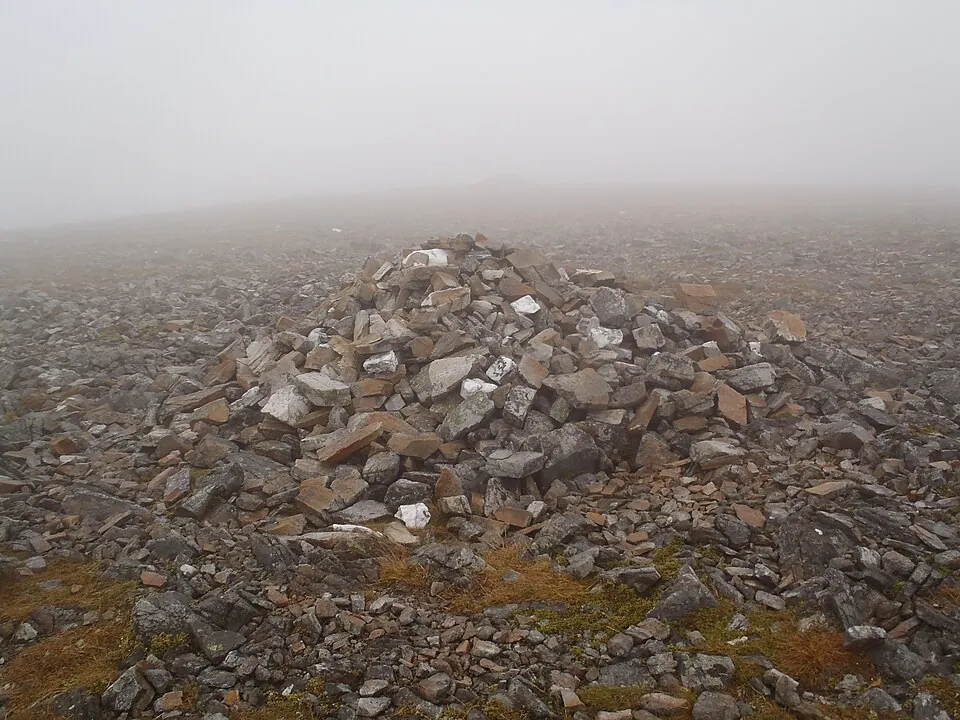
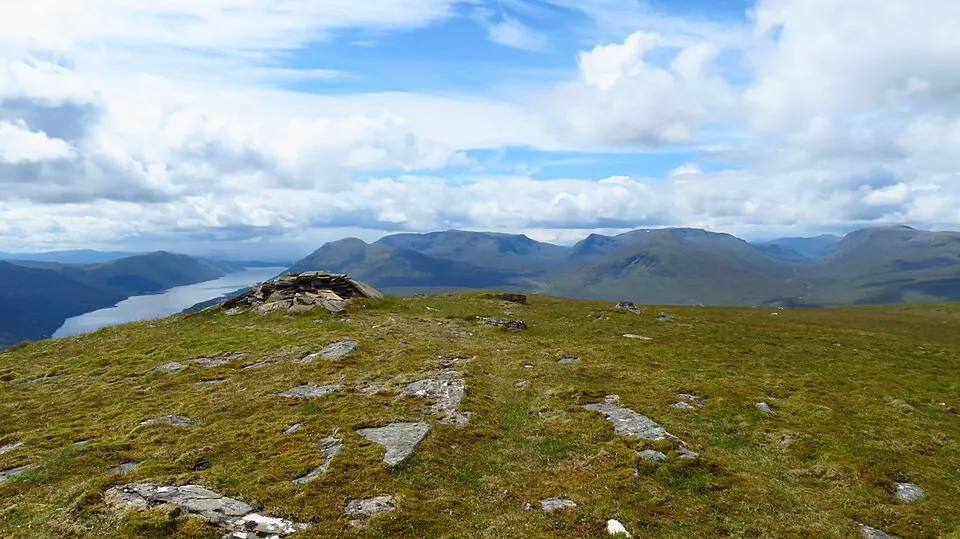
At 1155 metres, the summit of Lochnagar is one of the Cairngorms' highest and most spectacular peaks. The name Rocky Lake refers to the dark lochan cradled in the great corrie below the summit cliffs, one of Scotland's most photographed mountain features. From the rocky summit cairn, views extend across the entire Cairngorm massif, with the plateau stretching north and west toward Ben Macdui and Braeriach. East, you can see toward Aberdeen and the North Sea on clear days.

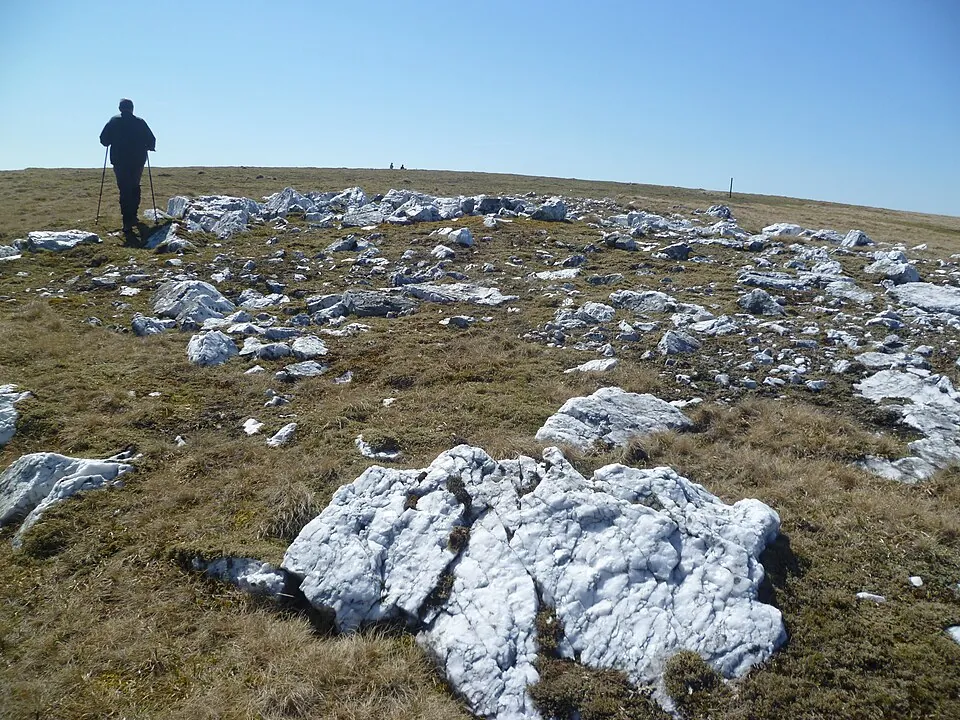
The summit area of Lochnagar features dramatic granite tors and the spectacular corrie rim, where you can peer over the edge to the cliffs and lochan far below. Shelter is reasonable among the summit rocks, though winds can still be fierce. The summit experience combines big Cairngorm plateau views with the drama of the corrie, making Lochnagar feel more alpine than many neighbouring peaks.

The royal associations and classical mountain architecture make standing atop Lochnagar feel like reaching one of Scotland's truly iconic summits.

Wildlife on Lochnagar

The long approach to Lochnagar passes through varied ecological zones reflecting altitude and the eastern Cairngorms'…

The long approach to Lochnagar passes through varied ecological zones reflecting altitude and the eastern Cairngorms' relatively dry climate. Lower Glen Muick features Caledonian pine remnants with juniper, heather, and bilberry understory. Red deer are abundant throughout, and you're likely to see herds grazing the glen or crossing the hillsides around Lochnagar. As you climb, heather moorland transitions to montane heath dominated by crowberry, bilberry, and hardy grasses.

The corrie of Lochnagar itself creates distinctive microclimates, with alpine plants flourishing in sheltered ledges and flushes. Ptarmigan inhabit the summit plateau above 900 metres, their populations supporting golden eagles and other predators. Mountain hares are present at various altitudes, their numbers fluctuating cyclically. Dotterel occasionally breed on the high plateaux, while snow buntings may appear during migration or in winter.

The summit plateau of Lochnagar supports alpine specialties including cushion pink, alpine lady's mantle, and various saxifrages. The combination of altitude, varied terrain, and relatively dry climate creates distinctive plant communities differing from wetter western mountains.
Lochnagar Tips

The substantial distances and serious terrain of Lochnagar demand thorough preparation and strong mountain fitness.…

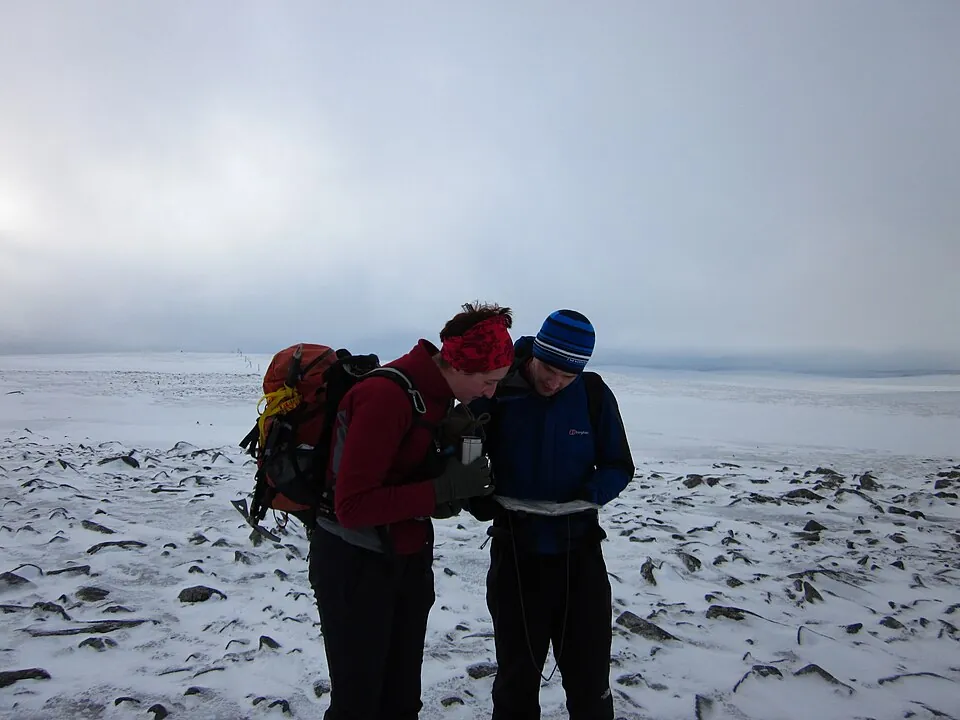
The substantial distances and serious terrain of Lochnagar demand thorough preparation and strong mountain fitness. Navigation skills are essential, as the broad summit plateau becomes featureless and disorienting in poor visibility. Carry map, compass, and GPS, and be confident using them in challenging conditions. The long routes require substantial food and water, as reliable sources are limited on the high ground.

Pack emergency supplies including shelter, spare warm clothing, headtorch, and first aid kit. Mobile signal is patchy to non-existent across much of the route to Lochnagar, so inform someone of your plans and expected return time. Weather on the Cairngorm plateau can change dramatically and rapidly, with summit conditions often far worse than in the glens. Even in summer, full waterproof and windproof layers are essential.

The corrie cliffs present serious hazards, particularly in winter or poor visibility when the edge can be difficult to locate. Start early to ensure adequate daylight for these long routes. Lochnagar is a magnificent but serious mountain that demands respect and proper preparation from all who venture onto its slopes.

Frequently Asked Questions

Common questions about climbing Lochnagar.

How tall is Lochnagar?

Lochnagar stands at 1,155 metres (3,789 feet), making it the 22nd tallest of all 282 Munros in Scotland.

What does Lochnagar mean in Gaelic?

The name Lochnagar translates from Scottish Gaelic as “Rocky Lake”.

How long does it take to climb Lochnagar?

Climbing Lochnagar typically takes between 8.2 and 12.6 hours round trip. This varies with fitness, weather, and the route chosen — there are 2 routes to the summit.

Where do I park for Lochnagar?

There is dedicated parking at the standard starting point for the main route up Lochnagar, in the Cairngorms area. The exact car park location, map pin and arrival guidance are in the free Munros app.

How difficult is Lochnagar to climb?

Lochnagar is rated Hard (difficulty 4/5). Route difficulty varies across the 2 available routes.

What is the best route up Lochnagar?

The most popular route up Lochnagar covers 27.6km, 8.2–10.7 hours round trip. There are 2 routes to the summit in total, ranging from Moderate to Hard difficulty.

Is Lochnagar good for beginners?

Lochnagar in the Cairngorms area is well suited to walkers with some hillwalking experience. Rated difficulty 2/5 at 1,155m, the paths are clear and the terrain is not technically demanding.

What region is Lochnagar in?

Lochnagar is in the Cairngorms region of Scotland. Nearby Munros include A' Bhuidheanach Bheag, A' Chailleach (Monadhliath), A' Mharconaich.

Start your journey

Ready to bag
them all?

Track all 282 Munros, plan routes, and log every summit. Join 2,400+ hillwalkers already using Munros.app.

Download for iPhone Free on the App Store